Matsoku Weir – A Hidden Gem in Thaba‑Tseka, Lesotho
Discover the quiet power of the Lesotho Highlands and why Matsoku Weir should be on every adventurous traveler’s itinerary.
Introduction
If you think Lesotho is only about rugged mountains and traditional Basotho culture, think again. Nestled high in the heart of the Thaba‑Tseka district, Matsoku Weir—a modest yet striking dam—offers a rare glimpse into the engineering marvels that feed the Lesotho Highlands Water Project. With its tranquil reservoir reflecting the sky and surrounding peaks, this off‑the‑beaten‑path site is perfect for photographers, hikers, and anyone craving an authentic slice of Lesotho’s water heritage.
In this guide, we’ll explore everything you need to know to make the most of a visit to Matsoku Weir: its history, how to get there, the best seasons to travel, what you’ll experience on site, nearby attractions, and practical travel tips. Let’s dive in!
About Matsoku Weir
What is Matsoku Weir?
Matsoku Weir is a weir‑type dam located at latitude ‑29.231859 and longitude 28.558566 in the town of Thaba‑Tseka, the capital of the eponymous district in Lesotho. While the exact height and altitude of the structure are not publicly documented, the weir plays an essential role in regulating water flow for downstream hydro‑electric generation and irrigation.
Historical Context
Matsoku Weir is part of the broader Lesotho Highlands Water Project (LHWP)—a trans‑border initiative that began in the 1980s to capture and transfer water from the highlands of Lesotho to South Africa’s Gauteng region. Although Matsoku is not one of the flagship reservoirs like Katse or Mohale, it serves as a critical flow‑control point that helps maintain the delicate balance of water levels throughout the network.
Why It Matters
- Water Security – By smoothing out seasonal fluctuations, the weir ensures a reliable water supply for both Lesotho’s agricultural communities and South Africa’s urban centers.
- Eco‑Tourism – The reservoir created by Matsoku Weir has become a modest haven for birdwatchers and nature lovers, offering sightings of indigenous waterfowl and occasional antelope visits.
- Cultural Significance – Local Basotho people regard the water bodies as life‑giving forces, and the weir is often a gathering spot for community events and traditional storytelling.
How to Get There
Getting to Thaba‑Tseka
- Fly into Maseru – The nearest international gateway is Moshoeshoe I International Airport (MSU) in Maseru, Lesotho’s capital. Several regional airlines operate flights from Johannesburg (O.R. Tambo) and Durban.
- Road Transfer – From Maseru, hire a 4×4 vehicle or join a guided tour heading north‑east on the A3 highway toward Maseru‑Mokhotlong. The journey is roughly 250 km and takes about 5–6 hours on winding mountain roads.
From Thaba‑Tseka to Matsoku Weir
- Local Transport – Once in Thaba‑Tseka town, you can hire a local taxi or arrange a pickup with a guesthouse. The weir sits within the town limits (0 km), so a short drive (or even a walk) will bring you to the site.
- Driving Directions – Follow the main road heading east out of the town centre; signage for “Matsoku Weir” is typically posted near the municipal office. Parking is limited but available in a small lot adjacent to the reservoir.
Practical Tips
- Road Conditions – Expect gravel sections and occasional potholes; a high‑clearance vehicle is advisable, especially during the rainy season.
- Border Formalities – If you’re entering Lesotho from South Africa, ensure your passport is valid for at least six months and carry a copy of your travel insurance.
Best Time to Visit
| Season | Months | Weather | Visitor Experience |
|---|---|---|---|
| Dry (Cool) | May – August | Clear skies, daytime 15‑20 °C, chilly nights | Ideal for hiking, photography, and crisp views of the weir’s surface. |
| Wet (Warm) | November – March | Occasional showers, occasional thunderstorms, temperatures 20‑25 °C | Water levels rise, creating dramatic reflections; however, some roads may become muddy. |
| Transitional | April, September, October | Mild temperatures, moderate humidity | Good balance of comfortable weather and manageable crowds. |
Top Recommendation: Visit between late May and early September for the best combination of clear weather, comfortable temperatures, and vibrant autumn foliage in the highlands.
What to Expect
Scenic Highlights
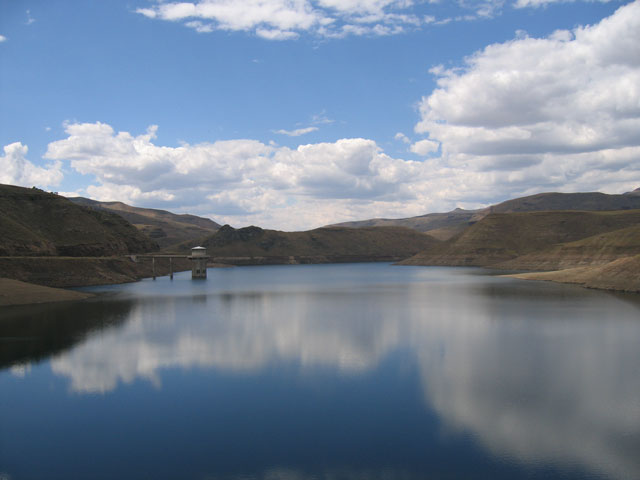
- Mirror‑Like Reservoir – On calm days, the water surface acts as a natural mirror, reflecting the surrounding peaks and offering superb photo opportunities.
- Panoramic Views – A short walking trail leads to a viewpoint overlooking the weir, where you can see the cascade of water flowing downstream.
Activities
- Birdwatching – Spot species such as the African Fish Eagle, Grey Heron, and various kingfishers that frequent the reservoir.
- Guided Walks – Local guides often provide short talks on the LHWP’s engineering and the ecological importance of the weir.
- Cultural Interaction – Occasionally, community members perform traditional Basotho dances near the water, especially during local festivals.
Facilities
- Restrooms – Basic pit latrines are available near the parking area.
- Picnic Area – A modest shaded spot with benches is perfect for a packed lunch.
- Information Board – A small plaque explains the role of Matsoku Weir within the Lesotho Highlands Water Project (see the Wikipedia page for deeper context).
Nearby Attractions
While Matsoku Weir is the star of the day, the surrounding Thaba‑Tseka region offers several other water‑related sites worth a quick detour. Distances are measured from the weir’s central point.
| Attraction | Type | Distance | Why Visit |
|---|---|---|---|
| Matsoku Weir (central site) | Weir | 0.0 km | Your main destination – explore the reservoir and learn about water management. |
| Unnamed Dam #1 | Dam | 4.8 km | Small reservoir ideal for a short hike and additional birdwatching. |
| Unnamed Weir #2 | Weir | 5.7 km | Offers a quieter spot for sunrise photography. |
| Unnamed Dam #3 | Dam | 13.9 km | Larger water body with a walking trail that loops around the perimeter. |
| Unnamed Dam #4 | Dam | 15.8 km | Provides a scenic picnic area with views of distant mountain ridges. |
Note: Because these sites are lesser‑known, there is limited online information. However, local guides in Thaba‑Tseka can arrange visits and provide context.
Travel Tips
- Pack Light, Pack Smart – Bring layers (a fleece or light jacket for cool evenings), a rain jacket (especially if traveling in the wet season), sturdy walking shoes, and a reusable water bottle.
- Cash Is King – Lesotho’s rural areas rely heavily on cash. ATMs are scarce outside Maseru, so carry enough South African Rand (ZAR) or Lesotho Loti (LSL) for meals, tips, and small entrance fees.
- Stay Connected – Mobile coverage can be spotty. Purchase a local Vodacom or Econet SIM card at the airport for better reception in Thaba‑Tseka.
- Respect Local Customs – When visiting community spaces near the weir, ask permission before photographing people, and dress modestly out of respect for cultural norms.
- Safety First – While the area is generally safe, keep an eye on weather forecasts. Sudden thunderstorms can make the reservoir’s edges slippery.
- Guided Tours – If you’re unfamiliar with the region, consider hiring a local guide. They can share stories about the LHWP, point out hidden viewpoints, and arrange visits to the nearby dams.
- Leave No Trace – Preserve the pristine environment by packing out all trash, staying on marked paths, and avoiding disturbance to wildlife.
Final Thoughts
Matsoku Weir may not have the towering fame of Katse Dam, but its quiet charm, cultural resonance, and role in the Lesotho Highlands Water Project make it a rewarding stop for any traveler seeking authentic experiences in the African highlands. Whether you’re snapping sunrise reflections, learning about trans‑border water engineering, or simply soaking in the serenity of a mountain reservoir, Matsoku Weir offers a slice of Lesotho that’s both educational and soul‑soothing.
Pack your bags, chart your route, and let the gentle flow of Matsoku Weir guide you into the heart of Thaba‑Tseka’s natural beauty. Safe travels!