Muela Dam – The Hidden Engineering Gem of Butha‑Buthe, Lesotho
Discover the towering 55‑metre concrete marvel that’s part of the Lesotho Highlands Water Project, set against the rugged beauty of the Butha‑Buthe highlands.
Introduction
If you’ve ever dreamed of standing beside a massive dam that blends raw engineering power with untouched mountain scenery, Muela Dam in Butha‑Buthe, Lesotho, should be at the top of your bucket list. Nestled at ‑28.760770, 28.455506, this 55‑metre high concrete structure is a lesser‑known jewel of the Lesotho Highlands Water Project—a trans‑border water‑transfer initiative that supplies water and hydro‑electric power to South Africa. Whether you’re a road‑trip adventurer, a photography enthusiast, or a curious traveler seeking off‑the‑beaten‑path experiences, Muela Dam offers a unique glimpse into Lesotho’s ambitious water‑management legacy while rewarding you with panoramic highland vistas.
About Muela Dam
A Brief History
Muela Dam is one of several dams constructed under the Lesotho Highlands Water Project (LHWP), a multi‑decade effort that began in the 1980s to harness the abundant water resources of the Lesotho highlands. While the LHWP’s flagship structures—such as the Katse and Mohale dams—receive most of the international spotlight, Muela plays a crucial supporting role in regulating flow, storing water, and feeding downstream weirs that ultimately feed the Katse‑Johannesburg water‑transfer system.
Technical Highlights
- Type: Concrete gravity dam 🏗️
- Height: 55 m (approximately 180 ft)
- Coordinates: ‑28.760770 ° S, 28.455506 ° E
- Location: Butha‑Buthe District, northern Lesotho, just a few kilometres from the town of Butha‑Buthe
The dam’s robust design allows it to withstand the dramatic seasonal variations typical of the Lesotho highlands—heavy summer rains and occasional winter frosts. Its strategic placement near a series of smaller weirs and auxiliary dams (see “Nearby Attractions”) helps balance water levels throughout the watershed, ensuring a reliable supply for both local communities and downstream users.
Why It Matters
Beyond its functional importance, Muela Dam symbolizes Lesotho’s commitment to sustainable development. By capturing highland runoff, the dam contributes to hydropower generation, irrigation, and drinking‑water security for thousands of residents. For travelers, it offers a rare chance to witness a working piece of infrastructure that directly shapes the lives of the people who call the highlands home.
How to Get There
From the Capital (Maseru)
- Fly In – The quickest way to start your journey is to land at Moshoeshoe I International Airport (MSU) in Maseru. Several airlines operate flights from Johannesburg, Cape Town, and Durban.
- Rent a Car – A 4‑wheel‑drive vehicle is highly recommended for Lesotho’s mountainous roads. Pick up a rental in Maseru and head north on the A1 highway toward Butha‑Buthe. The drive is roughly 190 km and takes about 3–4 hours, depending on weather and road conditions.
- Scenic Route – As you ascend, you’ll pass rolling grasslands, traditional Basotho villages, and striking basalt cliffs—perfect for impromptu photo stops.
Public Transport Options
- Bus – Intercity buses run from Maseru to Butha‑Buthe several times daily. The journey takes about 5 hours due to multiple stops.
- Shared Taxi – Local minibusses (known as “Lorries”) operate between Maseru and Butha‑Buthe, offering a budget‑friendly but less comfortable alternative.
From Butha‑Buthe Town
Muela Dam lies just 2–3 km east of the town centre. Once in Butha‑Buthe:
- Walking – If you enjoy a short hike, the dam is reachable on foot via a well‑marked trail that climbs gently through farmland.
- Taxi – Local taxis can drop you off at the dam’s main access road for a nominal fee.
- Bike – Rental bicycles are available in town; the ride takes about 15 minutes on a paved road.
Best Time to Visit
Lesotho’s highland climate is characterized by cool, dry winters (June–August) and warm, wet summers (December–February).
| Season | Weather | Visitor Experience |
|---|---|---|
| Dry Season (May–September) | Clear skies, low humidity, daytime temps 15‑22 °C (59‑72 °F) | Ideal for photography, hiking, and unobstructed views of the dam and surrounding mountains. |
| Wet Season (December–February) | Frequent afternoon showers, occasional thunderstorms | Lush green surroundings, but road conditions can become slippery; caution advised. |
| Shoulder Seasons (March–April, October–November) | Mild temperatures, occasional rain | Good balance of scenery and accessibility; fewer crowds. |
Recommendation: For most travelers, May through September offers the best combination of comfortable weather and safe road conditions. Pack layered clothing—warm mornings, cool evenings, and moderate daytime heat.
What to Expect
Visual Spectacle
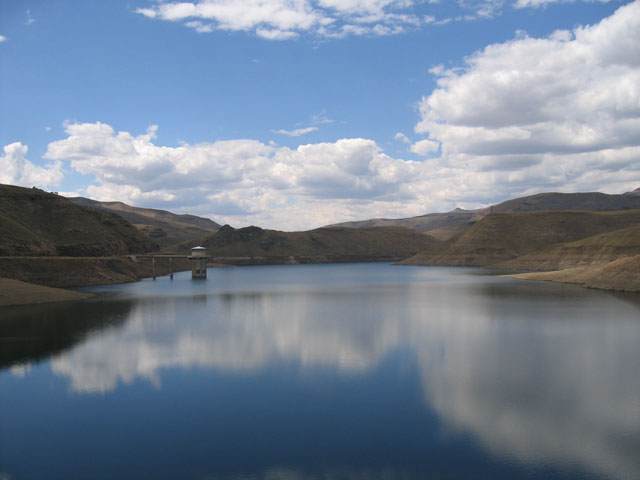
Approaching Muela Dam, the first thing you’ll notice is the massive concrete wall rising against a backdrop of rolling highland hills. The water reservoir, though modest compared to Katse, reflects the sky with a striking turquoise hue, especially after a summer rain. From the dam’s observation platform (a simple concrete walkway), you can enjoy panoramic views of the Butha‑Buthe valley, dotted with traditional round‑thatched huts (known as “rondavels”) and grazing cattle.
The Engineering Feel
Because Muela Dam is an operational part of the LHWP, you’ll hear the subtle hum of water flowing through its spillways and see occasional maintenance crews at work. This authentic, working‑site atmosphere sets it apart from “tourist‑only” dams that have become museums.
Wildlife & Birdwatching
The reservoir and surrounding wetlands attract a variety of highland bird species, including the African fish eagle, Cape griffon vulture, and several waterfowl. Early mornings are the best time for birdwatching; bring binoculars and a field guide for a rewarding experience.
Cultural Touch
Nearby villages often host Basotho cultural demonstrations—traditional dances, “mokorotlo” (Basotho hat) crafting, and storytelling. Engaging with locals provides insight into how the dam’s water resources support agriculture and daily life.
Nearby Attractions
Muela Dam sits within a cluster of water‑management structures, each offering its own perspective on the LHWP.
| Attraction | Distance from Muela Dam | Type | Quick Note |
|---|---|---|---|
| Butha‑Buthe Weir | 0 km (right at the dam) | Weir | Small diversion structure that channels water into local irrigation canals. |
| Upper Butha‑Buthe Dam | 1.8 km | Dam | A secondary reservoir that feeds the main dam during peak flow. |
| Lower Butha‑Buthe Dam | 1.9 km | Dam | Provides downstream flow regulation; great spot for sunset photos. |
| Butha‑Buthe Weir (South) | 2.1 km | Weir | Offers a quieter setting for picnics and birdwatching. |
| Mokhoabong Dam | 3.3 km | Dam | Slightly larger than Muela; popular among local anglers. |
All of these sites are part of the Lesotho Highlands Water Project—learn more on the project’s Wikipedia page.
Travel Tips
| Tip | Details |
|---|---|
| Altitude Awareness | While the exact altitude of Muela Dam isn’t listed, Butha‑Buthe sits at roughly 1,600 m (5,250 ft) above sea level. Stay hydrated and allow a day for acclimatization if you’re coming from low‑lying regions. |
| Road Safety | Mountain roads can be narrow and winding. Drive cautiously, especially after rain. A vehicle with high clearance and good brakes is advisable. |
| Dress in Layers | Temperatures can swing dramatically from chilly mornings to warm afternoons. Pack a waterproof jacket for unexpected showers. |
| Cash is King | Rural Lesotho relies heavily on Lesotho loti and South African rand. Many small vendors don’t accept cards, so carry enough cash for entry fees, snacks, and souvenirs. |
| Respect Local Customs | When visiting villages, ask permission before taking photos of people. Dress modestly—shoulders and knees covered is appreciated. |
| Stay Connected | Mobile coverage is generally good in Butha‑Buthe, but signal may drop near the dam. Consider buying a local SIM card for reliable navigation. |
| Leave No Trace | The highland environment is fragile. Pack out all litter, stay on marked paths, and avoid disturbing wildlife. |
| Timing Your Visit | Arrive early (around 8 am) to beat the midday heat and capture the best light for photography. The dam’s reflection is especially vivid during the “golden hour.” |
| Guided Tours | While there’s no formal visitor centre at Muela Dam, local tour operators in Butha‑Buthe can arrange a short guided walk that includes cultural insights and safety briefings. |
Final Thought
Muela Dam may not have the fame of Katse, but its 55‑metre concrete wall, stunning highland setting, and integral role in the Lesotho Highlands Water Project make it a compelling stop for any traveler seeking authentic Lesotho experiences. From the crisp mountain air to the gentle rush of water through its spillways, a visit here offers a blend of natural beauty, engineering marvel, and cultural immersion that’s hard to find elsewhere. Pack your camera, lace up your boots, and head north to Butha‑Buthe—Muela Dam is waiting to welcome you.
Keywords: Muela Dam, Butha‑Buthe, Lesotho travel, Lesotho Highlands Water Project, dam tourism, highland adventure, Lesotho dams, visiting Muela Dam, best time to visit Lesotho, travel tips Lesotho.