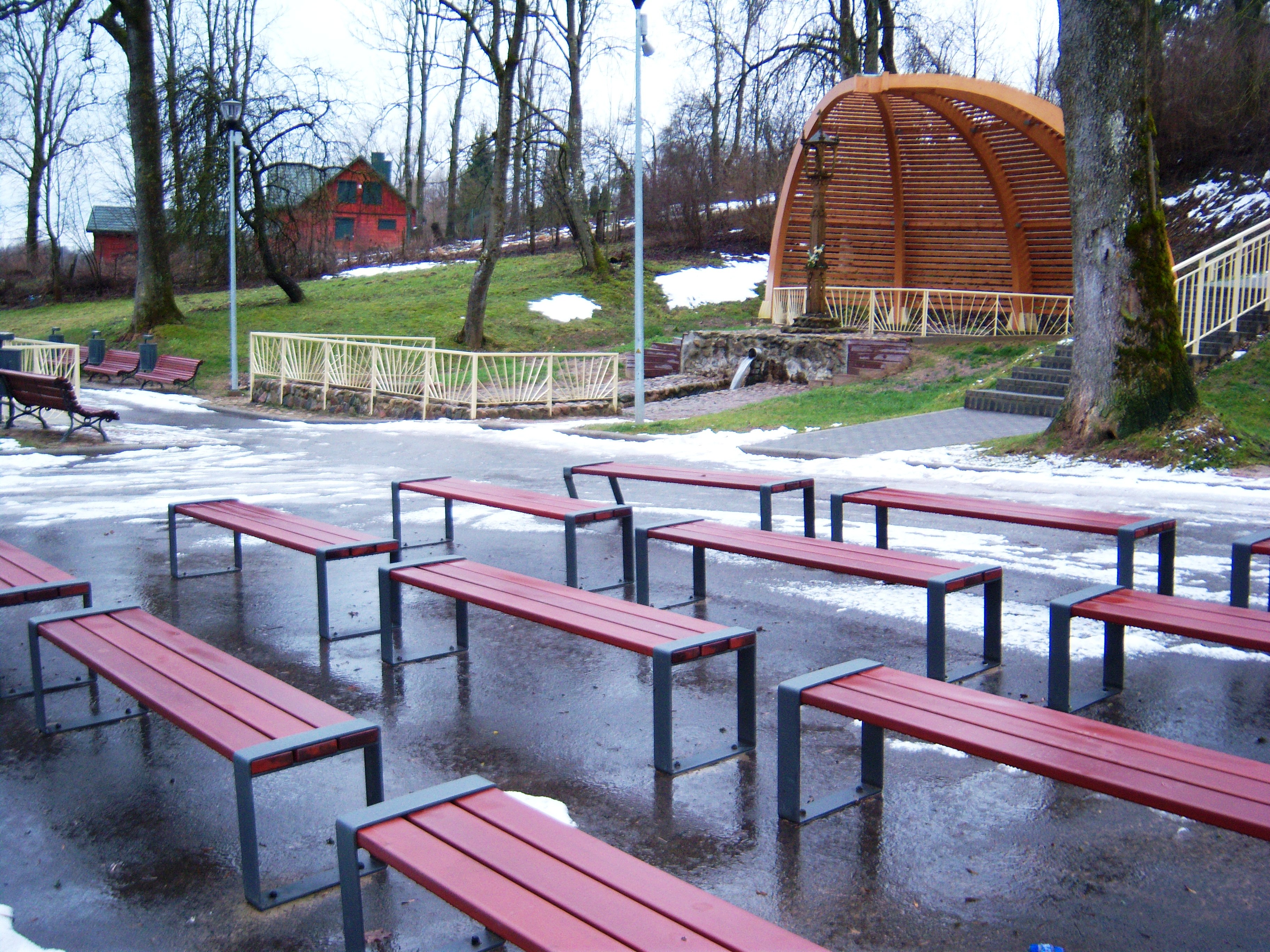
Šv. Jono šaltinis – A Hidden Spring Gem in Utenos Apskritis, Lithuania
Discover the tranquil beauty of Šv. Jono šaltinis, a natural spring tucked away near Anykščiai, and learn how to make the most of this off‑the‑beaten‑path Lithuanian treasure.
Introduction
Imagine stepping off the well‑trodden tourist routes and finding a crystal‑clear spring bubbling up from the earth, surrounded by whispering pines and the gentle hum of the Lithuanian countryside. That’s exactly the experience awaiting you at Šv. Jono šaltinis – a modest yet mesmerizing spring in Utenos apskritis. Whether you’re a nature lover, a photography enthusiast, or simply craving a peaceful spot to unwind, this hidden water source offers a slice of authentic Lithuanian serenity that few travelers have documented.
About Šv. Jono šaltinis
What is Šv. Jono šaltinis?
- Type: Natural spring (💧)
- Location: Near Anykščiai, Utenos apskritis, Lithuania
- Coordinates: 55.431559 N, 24.928502 E
Šv. Jono šaltinis is part of the Kavarsko tufų šaltiniai (Kavarskas tuff springs) system, a cluster of mineral-rich springs that have been known to locals for centuries. While the exact altitude and height of the spring remain undocumented, its crystal‑clear water and the surrounding forested landscape speak volumes about its natural purity.
A Brief Historical Note
The name “Šv. Jono” translates to “Saint John” in Lithuanian, hinting at a possible historical link to local religious traditions or a nearby chapel dedicated to Saint John. Springs in Lithuania often served as gathering points for communities, providing drinking water, a place for ritual cleansing, and a source of folklore. Although specific legends about Šv. Jono šaltinis are scarce, its inclusion in the broader Kavarsko tufų šaltiniai entry on Wikipedia suggests it has long been recognized as a noteworthy natural feature in the region.
Why It Matters
- Ecological value: Springs like Šv. Jono support unique micro‑habitats for mosses, lichens, and amphibians.
- Cultural heritage: The “Šv. Jono” name reflects the intertwining of nature and spirituality in Lithuanian history.
- Travel appeal: For travelers seeking authentic, low‑key destinations, this spring offers a genuine taste of Lithuania’s untouched landscape.
How to Get There
By Car
- Start in Anykščiai – the nearest town with ample parking, cafés, and accommodation options.
- Head east on the regional road toward the coordinates 55.431559, 24.928502. The drive is roughly 15–20 minutes (≈12 km).
- Follow the signs for local forest trails or use a GPS device to navigate the final stretch.
Tip: The road leading to the spring is a quiet country lane; keep an eye out for farm vehicles and give way to cyclists.
By Public Transport
- Bus: Regular buses run from Anykščiai to the nearby village of Kavarskas. Disembark at the Kavarskas stop (the last stop on the line).
- Walking: From the bus stop, it’s a pleasant 1 km walk through pine‑covered paths to the spring.
By Bike
The region’s gentle terrain makes it ideal for cycling. Rent a bike in Anykščiai and follow the marked tourist route “Kavarsko tuff springs”; the ride to Šv. Jono šaltinis takes about 30 minutes.
Best Time to Visit
| Season | What to Expect | Why It’s Ideal |
|---|---|---|
| Spring (April‑June) | Fresh, flowing water; blooming wildflowers; birds returning. | The spring’s natural vigor mirrors the season’s rebirth, making for vivid photos. |
| Summer (July‑August) | Warm weather; longer daylight; occasional family picnics. | Perfect for a relaxed day by the water, especially if you enjoy swimming in cool springs. |
| Autumn (September‑October) | Golden foliage; crisp air; quieter trails. | The forest’s amber tones provide a magical backdrop for sunrise or sunset shots. |
| Winter (November‑March) | Snow‑covered landscape; quiet solitude. | If you love winter photography, the frozen surroundings create a stark, dramatic scene. |
Overall recommendation: Late spring to early autumn (May‑September) offers the most comfortable weather and the most vibrant natural colors.
What to Expect
Arriving at Šv. Jono šaltinis, you’ll be greeted by a modest clearing where a clear stream bubbles up from a stone‑lined basin. The water is cold, fresh, and mineral‑rich, a characteristic of the Kavarsko tufų system.
- Scenic tranquility: The spring is nestled among pine and birch trees, providing natural shade and a gentle rustle of leaves.
- Wildlife sightings: Expect to hear distant birdcalls, and you may spot frogs or dragonflies hovering above the water’s surface.
- Photography opportunities: The interplay of light through the canopy, the reflective surface of the spring, and the surrounding mossy rocks make for compelling nature shots.
There are no built‑in facilities (e.g., restrooms or cafés), which adds to the authentic, untouched feel. Bring a reusable water bottle if you plan to refill, but remember to respect the environment—do not disturb the spring’s natural flow.
Nearby Attractions
While Šv. Jono šaltinis is the star of the day, the surrounding Utenos apskritis hosts several interesting sites within a short radius. Below are the most accessible points of interest, all located roughly 1–1.2 km from the spring:
| Attraction | Approx. Distance | What to See |
|---|---|---|
| Dam #1 | 1.0 km | Small water retention structure offering a peaceful walking path. |
| Dam #2 | 1.0 km | Ideal spot for birdwatching; often frequented by local anglers. |
| Dam #3 | 1.1 km | Features a wooden footbridge that provides scenic river views. |
| Dam #4 | 1.2 km | Surrounded by meadowland—great for a quick picnic. |
| Dam #5 | 1.2 km | Offers a short trail leading to a viewpoint over the surrounding forest. |
Note: These dams are modest, functional structures rather than large tourist attractions, but they add variety to a nature‑focused itinerary.
For deeper cultural immersion, consider a short drive to Anyksčiai town center (≈15 km) to explore its historic wooden architecture, the Anykščiai Church of St. Matthew, and the famous Puntukas Stone—the second‑largest boulder in Europe.
Travel Tips
- Pack essentials: Bring sturdy walking shoes, a rain jacket, a reusable water bottle, and a small snack. There are no vending machines near the spring.
- Respect the environment: The spring is a protected natural site. Avoid littering, and do not collect water for commercial purposes.
- Timing: Arrive early in the morning (especially in summer) to enjoy the spring before it becomes a popular local spot.
- Navigation: Offline maps (e.g., Maps.me) are handy, as mobile signal can be spotty in the forest.
- Safety: The water is cold; if you plan to dip your feet, test the temperature first. Children should be supervised at all times.
- Photography gear: A wide‑angle lens captures the forest canopy, while a macro lens highlights the spring’s mineral deposits and tiny flora.
- Local customs: If you notice a small wooden cross or a prayer card near the spring, it reflects the local tradition of blessing natural water sources—feel free to observe respectfully.
Final Thought
Šv. Jono šaltinis may not appear on every travel brochure, but that’s precisely why it deserves a spot on your Lithuanian itinerary. Its pristine waters, quiet forest setting, and proximity to other modest attractions make it a perfect micro‑adventure for those who crave authenticity. So, load up your camera, lace up your boots, and let the gentle flow of Šv. Jono šaltinis refresh both body and spirit on your next journey through Utenos apskritis.
Happy travels, and may the spring’s serenity stay with you long after you’ve left Lithuania’s green heart!
Keywords: Šv. Jono šaltinis, spring in Lithuania, Utenos apskritis travel, Anykščiai attractions, Kavarsko tufų šaltiniai, Lithuanian nature, hidden gems Lithuania, travel to Lithuania, natural springs Lithuania, eco‑tourism Lithuania.