Truikinų šaltinėlis – Lithuania’s Secret Spring Oasis
Hidden in the rolling countryside of Skuodas, Truikinų šaltinėlis (Truikinų Spring) is a tiny but captivating natural wonder that promises a quiet retreat for travelers seeking authentic Lithuanian landscapes.
1. Introduction
If you’ve ever wandered through the misty forests of the Baltic states, you know that Lithuania is peppered with hidden gems—glimmering lakes, ancient woodlands, and quiet springs that have fed local folklore for centuries. Among these, Truikinų šaltinėlis stands out as a modest yet magical spot where crystal‑clear water bubbles up from the earth, inviting you to pause, breathe, and soak in the serenity of the Lithuanian countryside.
Located just outside the historic town of Skuodas in the north‑west of the country, this spring is a perfect day‑trip destination for nature lovers, photographers, and anyone who enjoys stepping off the beaten path. In this guide we’ll explore what makes Truikinų šaltinėlis special, how to reach it, the best time to visit, and the surrounding attractions that can round out a memorable travel itinerary.
2. About Truikinų šaltinėlis
A Natural Treasure
Truikinų šaltinėlis (Lithuanian for “Truikinų spring”) is a natural spring that emerges from the ground at coordinates 56.275242, 21.669176. While the exact height and altitude of the spring are not documented, its clear, cool water has been a source of local pride for generations. The spring is listed on the Lithuanian Wikipedia page for Truikinų šaltinis and is recognized as part of the region’s rich hydro‑geological network.
Historical and Cultural Significance
In many Lithuanian villages, springs have traditionally been associated with health, folklore, and community rituals. Though specific legends about Truikinų šaltinėlis are not recorded in the public domain, the very name “šaltinis” (spring) evokes centuries‑old beliefs that spring water possesses cleansing and restorative powers. Visitors often find small wooden benches or stone markers near the water’s edge—simple signs that locals have long used this spot for quiet contemplation and occasional gatherings.
Why It Matters
For travelers, Truikinų šaltinėlis offers more than just a picturesque water source. It represents Lithuania’s lesser‑known natural heritage, a place where you can experience the country’s unspoiled environment without the crowds that flock to larger lakes or national parks. Its proximity to the border with Latvia also makes it a convenient stop for cross‑border road trips exploring the Baltic region’s intertwined cultures.
3. How to Get There
By Car
The most straightforward way to reach Truikinų šaltinėlis is by private car or rental vehicle. From Skuodas town centre, follow the local road signs toward the southeast. The spring lies approximately 5–6 km from the town, and the journey takes about 10‑15 minutes on well‑maintained rural roads.
- GPS entry:
56.275242, 21.669176 - Parking: A small, informal parking area exists near the spring. Because the site is modest, parking spaces fill quickly during peak weekend visits, so arrive early if you can.
By Public Transport
Public transportation options are limited in this rural part of Lithuania. The nearest bus stop is in Skuodas, where regional buses connect to larger towns such as Klaipėda and Radviliškis. From the Skuodas bus station, you’ll need to arrange a short taxi ride (approximately 10 km) or join a local walking trail if you’re feeling adventurous.
By Bike or On Foot
For the more active traveler, the area around Truikinų šaltinėlis is part of a network of country‑road cycling routes that wind through forests, fields, and small villages. A bike ride from Skuodas takes roughly 30‑40 minutes and offers a chance to explore the surrounding agricultural landscape.
4. Best Time to Visit
Spring (April‑June)
The name “spring” is fitting—during the Lithuanian spring, the surrounding meadows burst into color, and the water flow is at its freshest. Early mornings often bring a gentle mist that adds a mystical quality to the spring’s surface, making it a photographer’s dream.
Summer (July‑August)
Summer brings longer daylight hours (up to 18 hours of daylight in July) and warm temperatures, ideal for picnicking near the water. The nearby fields are golden, and you may hear the distant hum of insects, creating a tranquil backdrop.
Autumn (September‑October)
If you prefer cooler weather and vibrant foliage, early autumn is perfect. The surrounding forest turns amber and russet, and the spring’s water remains cool and refreshing—great for a quick dip after a hike.
Winter (November‑March)
Winter visits are possible, but the area can be icy, and the spring may partially freeze. For adventurous travelers who enjoy snow‑covered landscapes, a brief stop to admire the frozen water can be magical, though be cautious of slippery paths.
5. What to Expect
The Experience
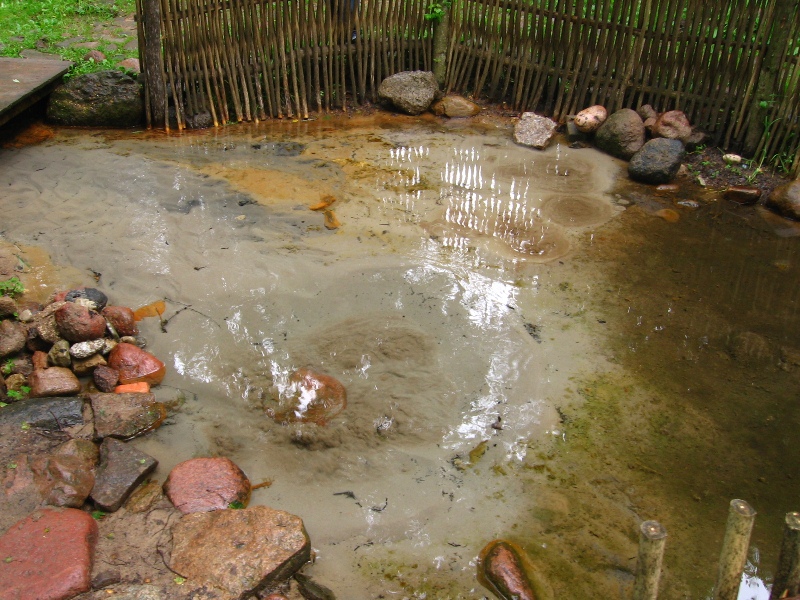
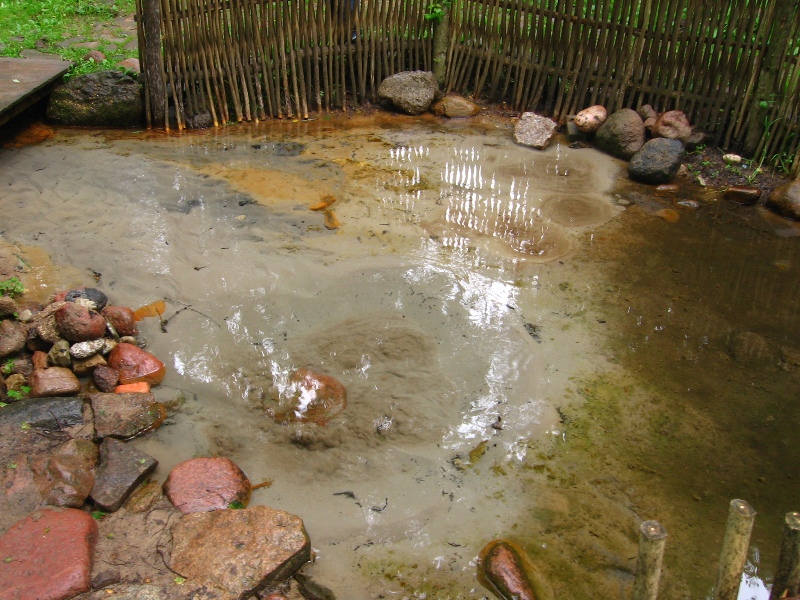
Arriving at Truikinų šaltinėlis, you’ll be greeted by a modest clearing where a clear stream bubbles up from a stone‑lined basin. The water is crystal‑clear, cold, and continuously flowing, creating a gentle, soothing sound that blends with the rustle of nearby birch and pine trees.
- Photography: The spring’s natural framing—rock formations, mossy banks, and occasional wildflowers—offers excellent composition opportunities. Early morning light or the golden hour just before sunset yields the most dramatic shots.
- Relaxation: Many visitors sit on the provided benches, dip their hands (or even feet) into the cool water, and enjoy the peaceful atmosphere. The site is ideal for a quiet picnic; just remember to bring a blanket and pack out any waste.
- Wildlife: While the spring itself is small, the surrounding meadow attracts birds such as the European goldfinch and occasional butterflies. Keep an eye out for small mammals like field mice scurrying among the grass.
Facilities
Because Truikinų šaltinėlis is a natural, uncommercialized spot, facilities are minimal. There is no café, restroom, or souvenir shop on site. However, the nearby village of Skuodas offers basic amenities—restaurants serving traditional Lithuanian dishes, a small grocery store, and public restrooms.
6. Nearby Attractions
After soaking in the tranquility of the spring, extend your adventure by exploring these nearby natural and cultural sites (all within a 7 km radius).
| Distance | Attraction | Type | Approx. Travel Time | Link |
|---|---|---|---|---|
| 0.3 km | Unnamed Dam | Dam | 2 min walk | View Map |
| 0.5 km | Truikinų šaltinis (another spring) | Spring | 5 min walk | Wikipedia – Truikinų šaltinis |
| 6.6 km | Unnamed Dam (Lithuania) | Dam | 10 min drive | — |
| 6.7 km | Guntino g. Dam | Dam | 12 min drive (cross‑border) | — |
| 6.9 km | Unnamed Dam (Latvia) | Dam | 13 min drive (cross‑border) | — |
Note: The dams listed are small water‑management structures typical of the region. While they lack major tourist facilities, they provide scenic spots for a short walk or a photo break, especially for those interested in rural engineering or water‑resource history.
If you have extra time, consider a short detour to Skuodas Castle Ruins (≈ 5 km north) or the Žemaitija National Park (≈ 30 km east) for broader cultural and natural experiences.
7. Travel Tips
| Tip | Details |
|---|---|
| Bring proper footwear | The path to the spring can be uneven, muddy, or slippery, especially after rain. Sturdy walking shoes or hiking boots are recommended. |
| Pack a picnic | No food vendors are on site. Bring a packed lunch, water, and a reusable container for leftovers. |
| Respect nature | Keep the area clean—take all trash with you. Avoid picking wildflowers or disturbing wildlife. |
| Check the weather | Lithuanian weather can change quickly. A light rain jacket and layered clothing will keep you comfortable. |
| Currency | Lithuania uses the Euro (€). Small cash amounts are handy for rural shops that may not accept cards. |
| Language | Lithuanian is the official language; however, many locals understand Russian and English, especially in tourist‑friendly areas. |
| Mobile coverage | Signal is generally good in Skuodas, but can be spotty near the spring. Download offline maps before you go. |
| Cross‑border travel | If you plan to visit the nearby Latvian dams, bring your passport or EU ID card. Border checks are minimal within the Schengen Area. |
| Seasonal safety | In winter, ice can form on the spring’s basin. Walk carefully and avoid venturing onto frozen surfaces. |
| Photography etiquette | While photography is encouraged, be mindful of private property signs and avoid trespassing onto farmland without permission. |
Final Thoughts
Truikinų šaltinėlis may not appear on the typical tourist itineraries, but that’s precisely why it feels like a secret sanctuary for those who discover it. Whether you’re chasing the quiet charm of a Lithuanian spring, hunting for off‑the‑beaten‑path photo locations, or simply looking for a peaceful spot to unwind, this modest water source delivers a genuine taste of Lithuania’s natural soul.
Plan your visit, respect the environment, and let the gentle murmur of Truikinų’s waters guide you into a moment of calm—one that will linger long after you’ve left the countryside behind.
Keywords: Truikinų šaltinėlis, Lithuania spring, Skuodas travel, hidden gems Lithuania, Lithuanian nature, Baltic travel, rural Lithuania, spring water Lithuania, travel to Skuodas, nature photography Lithuania.