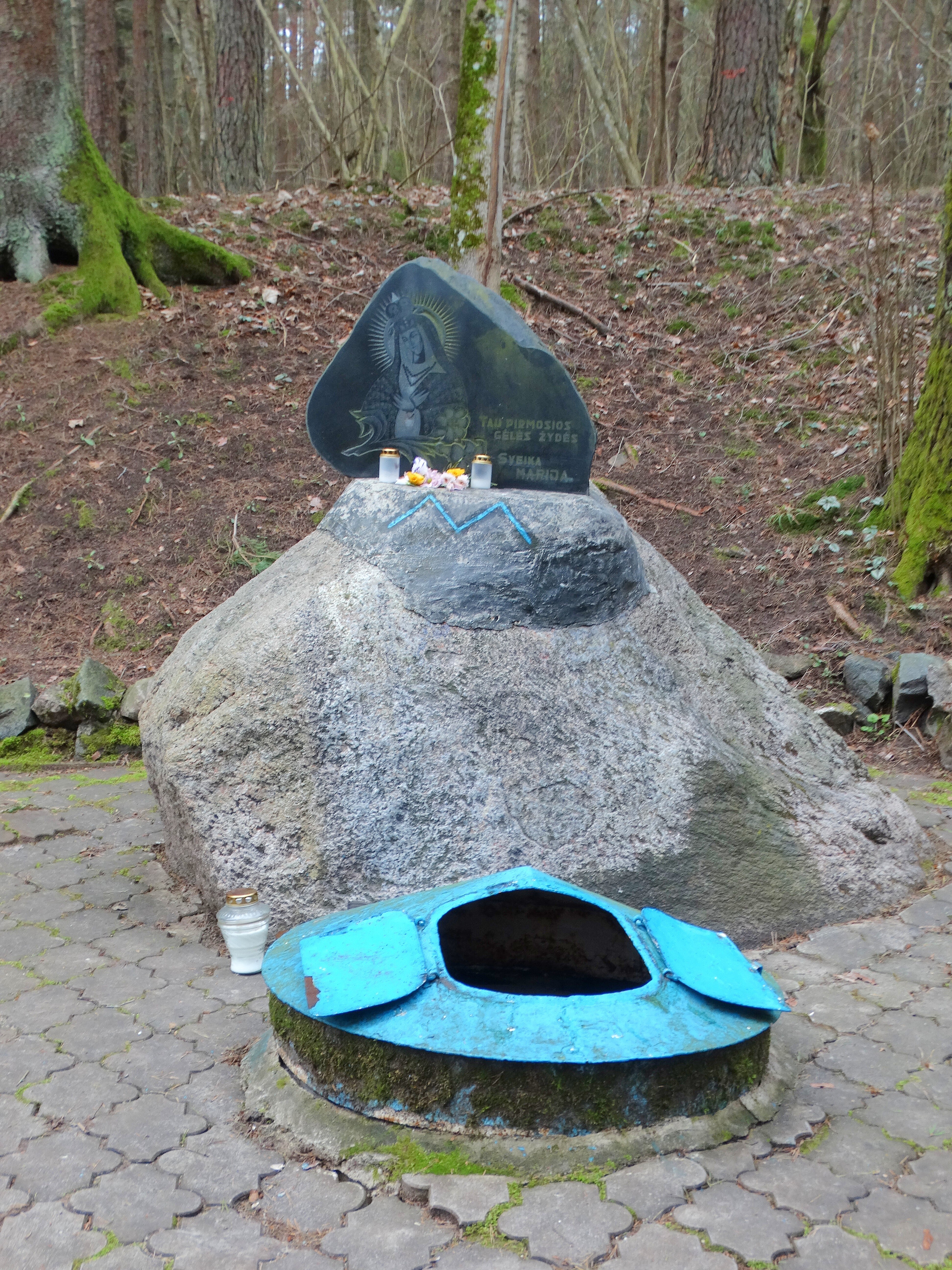
Erškėtyno šaltinis – A Hidden Spring Gem in Klaipėdos Apskritis, Lithuania
Discover the crystal‑clear waters, tranquil forest, and the subtle charm of one of Lithuania’s lesser‑known natural treasures.
Introduction
If you’re mapping out an off‑the‑beaten‑path itinerary for Lithuania, the Erškėtyno šaltinis should sit high on your list. Nestled in the rolling countryside of Kretinga in Klaipėdos apskritis, this modest spring offers a quiet escape from the bustling streets of Klaipėda and the tourist crowds of the Curonian Spit. With its pristine water, lush surrounding woods, and a touch of local folklore, Erškėtyno šaltinis is the perfect spot for nature lovers, photographers, and anyone craving a moment of serene Lithuanian countryside.
About Erškėtyno šaltinis
What is it?
- Type: Natural spring (water source)
- Location: Kretinga, Klaipėdos apskritis, Lithuania
- Coordinates: 55.983856 N, 21.226797 E
Erškėtyno šaltinis (literally “Erškėtinas Spring”) is a small, crystal‑clear spring that emerges from the ground amid a stand of mixed forest. While the exact height and altitude of the spring are not recorded, its water is known locally for its purity and steady flow throughout the year.
Historical and Cultural Significance
The spring has been mentioned in Lithuanian sources for decades, most notably on the Lithuanian Wikipedia page Erškėtyno šaltinis ir akmuo. Historically, springs like Erškėtyno were important gathering points for nearby villages, serving both practical (drinking water) and spiritual purposes. Local folklore often ties such springs to legends of healing and protection, though specific stories about Erškėtyno are scarce—adding a subtle mystique that invites visitors to create their own narratives.
Why It Matters
In an era when natural water sources are increasingly threatened, Erškėtyno šaltinis stands as a reminder of Lithuania’s rich hydro‑geological heritage. For eco‑tourists, it offers a glimpse into the country’s commitment to preserving pristine natural environments, while for casual travelers it provides a perfect photo backdrop and a place to pause and listen to the gentle murmur of flowing water.
How to Get There
By Car
- Start in Klaipėda – the major port city on the Baltic Sea.
- Head east on the A13 highway toward Kretinga (approximately 35 km).
- Take the exit for Kretinga and follow signs for Kretinga–Rudučiai road.
- After about 5 km, turn onto the local road leading to the Erškėtyno area.
- Parking is available in a small, unmarked lot near the forest trail; from there, a short walk (5‑10 minutes) brings you to the spring.
Travel time from Klaipėda: ~45 minutes (depending on traffic).
By Public Transport
- Bus: Regional bus line Kretinga–Rudučiai stops near the village of Erškėtai. From the bus stop, a well‑marked footpath leads to the spring.
- Train: The nearest train station is Kretinga Railway Station (on the Klaipėda–Šiauliai line). From the station, you can take a local taxi or a bus to the spring area.
By Bicycle or Hiking
The surrounding countryside is popular with cyclists. The route from Kretinga town center to Erškėtyno šaltinis is about 8 km on quiet, paved roads and forest trails—ideal for a leisurely day ride.
Best Time to Visit
| Season | What to Expect | Why It’s Ideal |
|---|---|---|
| Spring (April–June) | Fresh greenery, blooming wildflowers, and higher water flow. | The spring’s water is at its clearest, and the forest is alive with colors. |
| Summer (July–August) | Warm temperatures, longer daylight hours. | Perfect for picnics and photography, though the forest can be a bit busier with locals. |
| Autumn (September–October) | Golden foliage, cooler air, and quieter trails. | The contrast of amber leaves against the blue water creates stunning photo opportunities. |
| Winter (November–March) | Snow‑covered landscape, crisp air, and a serene hush. | If you love winter photography, the frozen surroundings give a magical feel, but the path may be slippery. |
Overall, late spring to early autumn (May–September) offers the most comfortable weather and the most vibrant scenery.
What to Expect
The Setting
Upon arrival, you’ll be greeted by a modest clearing surrounded by birch, pine, and oak trees. The spring itself is a small pool where clear water bubbles up from a stone‑lined basin. A nearby rock (akmuo)—often referenced alongside the spring—adds a natural focal point for photos.
Sensory Experience
- Sight: Transparent water reflecting dappled sunlight, moss‑covered stones, and the gentle sway of forest canopy.
- Sound: A soft, continuous trickle that masks distant traffic—ideal for meditation or quiet contemplation.
- Smell: Fresh, earthy forest aromas mixed with a faint scent of wet stone.
- Touch: If you’re feeling adventurous, the water is safe to dip your hands in; it’s cool and refreshing.
Activities
- Photography: The spring’s natural framing makes it a favorite spot for macro and landscape shots.
- Picnicking: Bring a blanket and a simple lunch; the tranquil environment is perfect for a relaxed meal.
- Birdwatching: The surrounding woods host common Lithuanian species such as the great spotted woodpecker and European robin.
- Short Hikes: Follow the forest trails that loop around the spring for a 1–2 km walk.
Nearby Attractions
While Erškėtyno šaltinis is the star of the day, the surrounding Klaipėdos apskritis offers several complementary sites within a short drive (approximately 4 km). These are perfect for extending your itinerary:
- Local Dam (≈ 4.0 km) – A modest water‑retention structure that showcases traditional Lithuanian engineering.
- Weir (≈ 4.0 km) – A small, historic weir offering a glimpse into the region’s water‑management heritage.
- Another Dam (≈ 4.1 km) – Provides scenic views of the surrounding meadowland and is a quiet spot for a short walk.
- Second Weir (≈ 4.1 km) – Ideal for photography enthusiasts interested in water flow patterns and rustic stonework.
Tip: These sites are not heavily signposted, so using a GPS coordinate (55.983856, 21.226797) for the spring and then following local road signs toward “dam” or “weir” will get you there easily.
Travel Tips
| Tip | Details |
|---|---|
| Wear appropriate footwear | The forest path can be muddy or slippery, especially after rain. Sturdy hiking shoes or waterproof boots are recommended. |
| Bring a reusable water bottle | While the spring’s water is clean, there are no official refill stations. A bottle lets you stay hydrated and reduces waste. |
| Pack a light snack | There are no cafés or shops directly at the spring. A sandwich, fruit, and some nuts make for a perfect picnic. |
| Respect nature | Keep the area clean, stay on marked trails, and avoid disturbing the natural flora and fauna. |
| Check weather forecasts | The area is exposed; sudden rain can make the path slick. Early morning visits often provide clearer skies. |
| Photography gear | A macro lens or a wide‑angle lens works well. A small tripod can help capture long‑exposure shots of the flowing water. |
| Language | Lithuanian is the primary language, but most locals in the tourism sector speak basic English. Having a few phrases like “Labas” (hello) or “Ačiū” (thank you) can be appreciated. |
| Safety | Mobile coverage is generally good, but signal can be weak under dense canopy. Let someone know your plans if you’re traveling alone. |
Final Thoughts
Erškėtyno šaltinis may not appear on every mainstream travel guide, but that’s precisely why it holds a special place for those who seek authentic, unspoiled experiences in Lithuania. Whether you’re chasing crystal‑clear water, a peaceful forest walk, or a hidden photo spot, this spring delivers. Pair it with a short drive to the nearby dams and weirs, and you’ve got a compact, nature‑rich day trip that showcases the gentle charm of Klaipėdos apskritis.
Pack your curiosity, follow the coordinates, and let the whisper of Erškėtyno šaltinis guide you to a moment of pure Lithuanian tranquility. 🌿💧