Ūlos Akis – Lithuania’s Secret Spring Oasis in Alytaus Apskritis
Discover the crystal‑clear waters, tranquil forest setting, and off‑the‑beaten‑path charm of Ūlos akis, a hidden spring gem waiting for curious travelers in southern Lithuania.
1. Introduction
If you think Lithuania’s natural wonders are limited to the Curonian Spit dunes or the misty lakes of Aukštaitija, think again. Nestled in the quiet village of Varena, deep in Alytaus apskritis, lies Ūlos akis – a pristine spring that feels like stepping into a living postcard. The name, which translates roughly to “the eye of the eel,” hints at the spring’s clear, shimmering surface that seems to gaze back at you. Whether you’re a seasoned hiker, a photography enthusiast, or simply someone who loves to soak up unspoiled nature, Ūlos akis offers a peaceful retreat that’s still under the radar of most tourist maps.
2. About Ūlos akis
A natural water source with a story
Ūlos akis is a natural spring (Lithuanian: šaltinis) that emerges from the limestone‑rich subsoil of the Varena region. While the exact height and altitude of the spring are not documented, its coordinates—54.141711 N, 24.439882 E—place it squarely within a dense forest corridor that has remained relatively untouched by modern development.
The spring’s water is renowned locally for its clarity and cool temperature, a testament to the underground aquifers that filter rain and meltwater through layers of porous rock. Historically, such springs in Lithuania have served as communal gathering spots, sources of drinking water, and even modest pilgrimage sites for those seeking the health benefits of “pure” spring water. Although there is no detailed written record of Ūlos akis’s role in regional folklore, its very name evokes the mysterious allure that many Lithuanian water bodies carry.
Why Ūlos akis matters
- Ecological value – The spring feeds a small, yet vibrant, riparian ecosystem that supports mosses, ferns, and a variety of insects. Birdwatchers often spot woodpeckers and warblers flitting among the trees that line the water’s edge.
- Cultural resonance – In Lithuanian tradition, springs are often linked to ancient rituals and local legends. Even without a documented legend, the very act of visiting Ūlos akis connects travelers to a centuries‑old reverence for nature’s life‑giving waters.
- Off‑the‑beaten‑path appeal – Because the spring is not listed among the country’s major tourist attractions, it offers a genuine sense of discovery. You’ll likely be one of the few people standing beside the water, making it perfect for quiet contemplation or a spontaneous photo session.
For a concise overview, see the Lithuanian Wikipedia entry: Ūlos akis (lt.wikipedia.org).
3. How to Get There
By car
The most straightforward way to reach Ūlos akis is by driving from the regional capital Alytus (approximately 45 km north).
- Start on the A15 highway heading south toward Varėna.
- Exit at the Varena‑Kuklovka junction and follow local signs for Varena village.
- Turn onto the country road that leads to the Ūlos akis parking area (look for a modest wooden sign near the forest edge).
The total drive takes about 45 minutes on well‑maintained roads, with occasional gravel sections as you approach the spring.
By public transport
- Bus – Regular regional buses run from Alytus to Varena (line X‑12). The journey lasts roughly 1 hour 15 minutes.
- From Varena – Once in the village, you can either walk (≈ 30 minutes) following the marked forest trail, or hire a local taxi for a short 5‑minute ride to the spring’s parking spot.
On foot or bike
For the adventurous, the Alytus‑Varena trail is a popular cycling route that offers scenic forest views. The spring sits about 0.3 km from the main trail, marked by a small wooden board. Hiking boots with good ankle support are recommended, as the final stretch includes a shallow, moss‑covered creek crossing.
4. Best Time to Visit
| Season | What to Expect | Why It’s Ideal |
|---|---|---|
| Spring (April‑June) | Fresh, brisk water; blooming wildflowers; abundant bird song | The forest awakens, making the spring’s crystal surface especially vivid. |
| Summer (July‑August) | Warm daylight, longer hiking hours | Ideal for picnics by the water, though midday can be warm. |
| Autumn (September‑October) | Golden foliage, cooler air, fewer visitors | The forest’s colors provide a dramatic backdrop for photography. |
| Winter (November‑March) | Snow‑covered landscape, frozen edges of the spring | A magical, quiet scene for those who enjoy winter photography; be prepared for icy paths. |
Overall, late spring to early autumn (May‑September) offers the most comfortable weather and the richest natural displays.
5. What to Expect
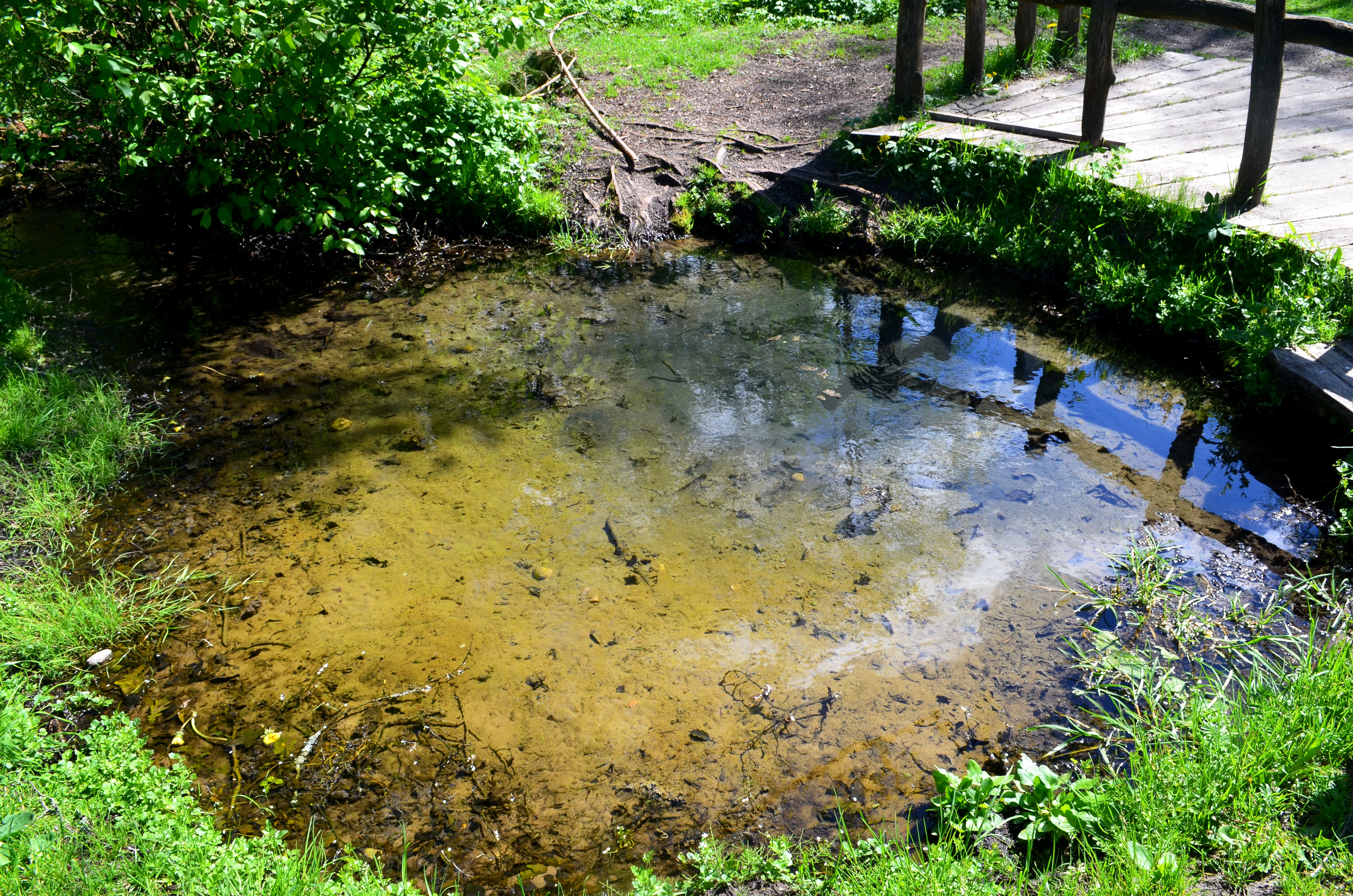
When you arrive at Ūlos akis, you’ll be greeted by a small, clear pool that mirrors the surrounding pine canopy. The water’s surface is often calm, broken only by the occasional ripple of a dragonfly or a falling leaf.
- Sensory experience – The air smells faintly of pine resin and damp earth. The gentle sound of water trickling over stones creates a soothing soundtrack that drowns out modern noise.
- Photography – Early morning light filters through the trees, casting soft, golden beams onto the water. A low‑angle shot captures the spring’s “eye‑like” reflection, while a wide‑angle lens can encompass the surrounding forest.
- Picnic potential – A modest clearing a few meters from the spring is perfect for a packed lunch. Remember to carry out all waste to keep the area pristine.
- Wildlife sightings – Keep an eye out for small mammals such as field mice, and listen for the distinctive calls of the common chiffchaff.
Because the spring is not heavily commercialized, there are no built‑in facilities (toilets, cafés, or souvenir stalls). Bring water, snacks, and a portable seat if you plan to linger.
6. Nearby Attractions
While Ūlos akis can easily fill a half‑day excursion, the surrounding Alytaus apskritis region offers several other natural spots worth exploring:
| Distance | Attraction | Type | Quick Note |
|---|---|---|---|
| 0.3 km | Unnamed spring | Spring | A tiny water source just a short walk away—perfect for a quick stop. |
| 9.1 km | Puvočių šaltinis | Spring | A larger spring with a shallow pool, popular among local families. |
| 10.1 km | Unnamed dam | Dam | Offers a scenic view of water management structures amidst forest. |
| 10.2 km | Naujalių g. | Dam | Small dam with a walking trail that loops around the reservoir. |
| 10.2 km | Unnamed dam | Dam | Another tranquil water‑holding site ideal for birdwatching. |
All of these spots are reachable by car or bike within 15‑20 minutes from Ūlos akis, making it easy to create a mini‑nature circuit in one day.
7. Travel Tips
| Tip | Details |
|---|---|
| Pack responsibly | Bring a reusable water bottle, a lightweight snack, and a small trash bag. There are no vending machines or restrooms nearby. |
| Dress for the forest | Waterproof hiking boots, breathable layers, and a hat are essential, especially if you visit in early spring or late autumn. |
| Navigation | While the main road to the spring is signposted, the final 300 m trail is not paved. Use a GPS app (the coordinates are 54.141711 N, 24.439882 E) or download an offline map of the Varena area. |
| Respect the environment | Do not swim or wade into the spring; the water is a delicate habitat. Keep noise levels low to avoid disturbing wildlife. |
| Photography gear | A tripod and a polarizing filter help capture the water’s clarity and reduce glare. |
| Timing | Arrive early (before 9 am) during the high‑season months (July‑August) to avoid the few occasional visitors and enjoy softer lighting. |
| Local culture | If you’re interested, stop by the Varena village center to try traditional Lithuanian pastries (kūčiukai) and chat with locals about the spring’s place in community life. |
| Safety | The forest trail can be slippery after rain. Carry a small first‑aid kit and a flashlight if you plan to stay after sunset. |
| Language | Lithuanian is the primary language; most signs are in Lithuanian, but locals are often friendly to English speakers. A few basic phrases (“Labas” – hello, “Ačiū” – thank you) go a long way. |
Final Thought
Ūlos akis may not appear on every travel brochure, but that’s precisely why it feels like a secret treasure. Its crystal waters, quiet forest backdrop, and proximity to other natural gems make it an ideal stop for anyone exploring the Alytaus region or seeking a genuine slice of Lithuanian wilderness. Pack your boots, charge your camera, and let the “eye of the eel” guide you to a moment of pure, unspoiled tranquility.
Happy travels, and may your path be as clear as the spring’s water!