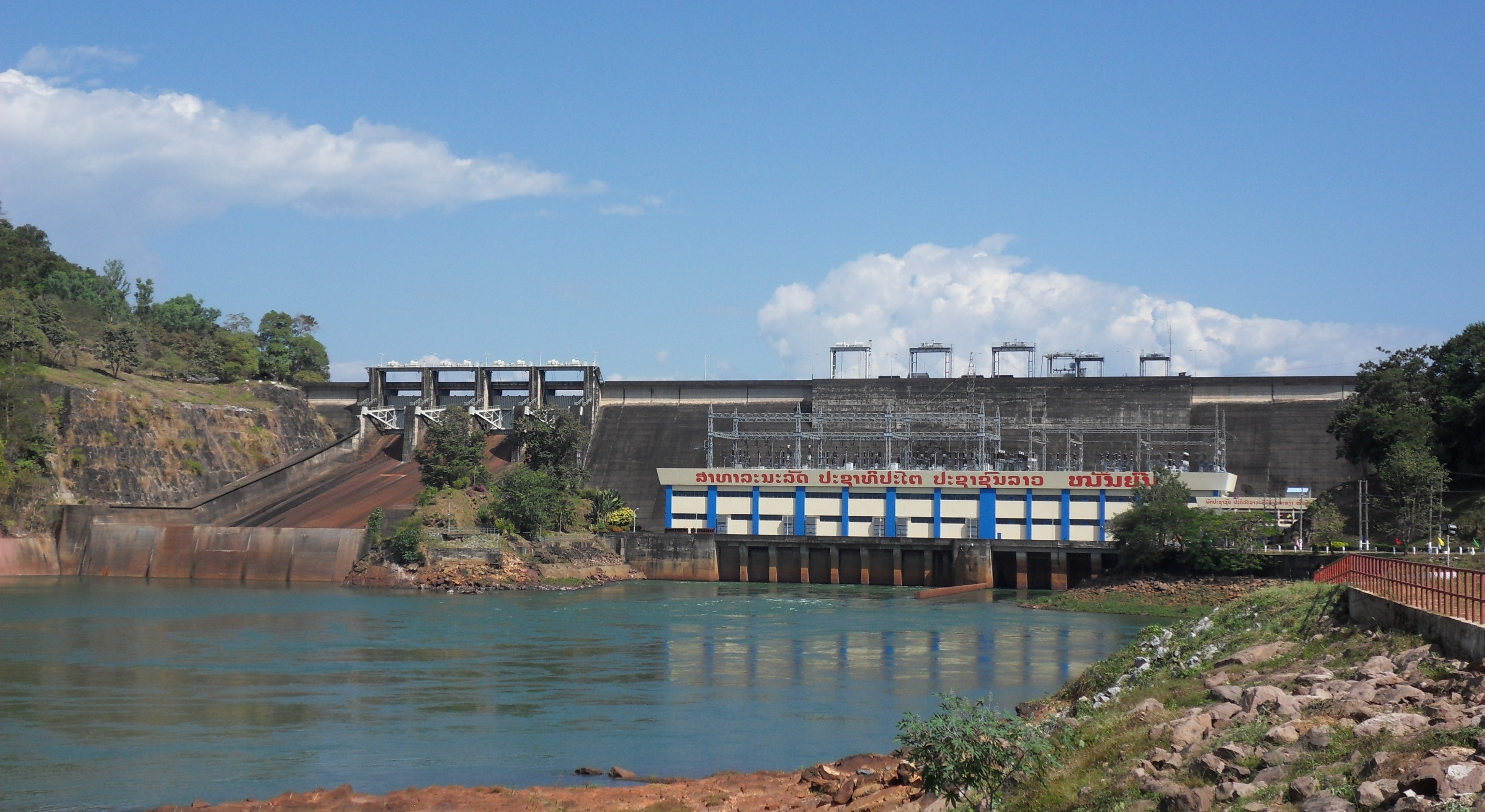
Discover the Majestic ເຂື່ອນນ້ຳງື່ມ 1 – Laos’ Iconic Hydroelectric Dam
If you think Vientiane is only about temples and night markets, think again. Nestled on the banks of the Nam Ngum River, ເຂື່ອນນ້ຳງື່ມ 1 (Nam Ngum Dam) is a striking blend of engineering marvel, natural beauty, and Lao cultural heritage. Whether you’re a photography enthusiast, an eco‑traveler, or simply curious about Laos’ rapid development, this dam is a must‑see stop on any Vientiane itinerary.
About ເຂື່ອນນ້ຳງື່ມ 1
A Brief History
Built in the early 1970s with Soviet assistance, ເຂື່ອນນ້ຳງື່ມ 1—commonly known in English as the Nam Ngum Dam—was the first large‑scale hydroelectric project in Laos. The dam officially opened in 1971, marking a turning point for the nation’s energy sector. Over the decades, the facility has been expanded several times, boosting its installed capacity to 720 MW, making it the largest power‑generating dam in the country.
Why It Matters
- Power Generation: The dam supplies roughly one‑third of Laos’ electricity, feeding both domestic grids and regional export markets (especially Thailand and Vietnam).
- Economic Development: Revenues from the dam have helped fund infrastructure, schools, and health projects across Vientiane Province.
- Environmental Impact: While hydroelectric power is a clean energy source, the creation of the Nam Ngum Reservoir (covering about 440 km²) reshaped local ecosystems, providing new habitats for fish and waterbirds.
The Setting
Located in Muang Phon‑Hong, a tranquil district about 30 km north of Vientiane’s city centre, the dam sits at coordinates 18.530266, 102.547955. The surrounding landscape is a mix of rolling hills, verdant rice paddies, and the shimmering waters of the reservoir—a perfect backdrop for sunrise photography or a quiet afternoon picnic.
How to Get There
From Vientiane International Airport (VTE)
- Taxi or Ride‑Hailing: The most straightforward option. A 45‑minute drive (≈ 30 km) costs around ₭30,000–₭40,000. Ask the driver to head north on Route 13, then turn onto the Nam Ngum Road signposted for Phon‑Hong.
- Private Car Rental: Several agencies at the airport offer compact cars with drivers. This gives you flexibility to stop at nearby attractions (see the next section).
By Public Transport
- Bus: Take a local bus from the Vientiane Bus Station to Phon‑Hong (look for the “Nam Ngum” or “Phon‑Hong” destination board). Buses run every 1–2 hours and the journey takes about 1 hour.
- Songthaew (Shared Pickup Truck): In the city centre, you’ll find songthaews heading north. Negotiate a fare and ask the driver to drop you off at the dam’s main gate.
On‑Foot or Bicycle
If you’re an adventurous cyclist, the paved road from Vientiane to Phon‑Hong is relatively flat and offers scenic river views. Expect a 2‑hour ride each way, and bring plenty of water and sun protection.
Best Time to Visit
| Season | Weather | Why Visit |
|---|---|---|
| Cool Dry (Nov – Feb) | Mild temperatures (15‑25 °C), low humidity | Clear skies make the reservoir sparkle; ideal for photography and bird‑watching. |
| Hot Dry (Mar – May) | Warm (25‑35 °C), occasional dust | Water levels are high, perfect for boat trips, but bring sunscreen. |
| Rainy (Jun – Oct) | Frequent showers, higher river flow | The dam’s spillways are active, creating dramatic water displays—great for video enthusiasts, but some roads may be slick. |
Overall recommendation: Aim for the cool dry season (November to February) for the most comfortable climate and the best visibility of the dam’s architecture against the mountains.
What to Expect
The Dam Itself
Approaching the concrete wall of ເຂື່ອນນ້ຳງື່ມ 1, you’ll feel the sheer scale of the structure—over 70 m high and stretching nearly 400 m across the river (exact dimensions are not publicly disclosed). While visitor access inside the powerhouse is restricted, the observation deck offers panoramic views of the spillway, the turquoise reservoir, and the surrounding hills.
Activities
- Guided Tours: The Lao Power Authority occasionally runs short, English‑language tours for groups (book in advance through your hotel or a local travel agency).
- Boat Rides: Small motorboats can be hired at the dock to explore the reservoir’s coves and fishing villages.
- Picnic Spots: Designated grassy areas near the dam provide shade and a tranquil setting for a packed lunch.
- Photography: Sunrise over the dam, mist rising from the water in the early morning, and the golden hour glow on the concrete are all picture‑perfect moments.
Local Culture
The dam’s presence has fostered a modest community of fishers and farmers. You’ll often see locals preparing khao poon (spicy noodle soup) on riverbanks or weaving traditional Sinh textiles. Engaging politely and asking for a photo is usually welcomed—just remember to smile and say “ຂອບໃຈ” (thank you).
Nearby Attractions
While the dam is the star, the surrounding area offers several quick‑stop sights that enrich your day trip:
| Attraction | Distance from Dam | What to See | Link |
|---|---|---|---|
| Local Weir | 0.6 km | Small water control structure, great for close‑up engineering shots. | Weir Details |
| Fountain A | 8.9 km | A decorative fountain in a nearby village square, surrounded by colorful market stalls. | Fountain A |
| Fountain B | 8.9 km | Identical to Fountain A, located on the opposite side of the reservoir; ideal for comparative photos. | Fountain B |
| Second Weir | 12.7 km | Larger than the first, with a walking trail along the riverbank. | Second Weir |
| ເຂື່ອນໄຟຟ້ານ້ຳລີກ 1 (Lick Dam) | 19.6 km | Another hydro‑project showcasing Laos’ growing renewable energy network. | Lick Dam Info |
Tip: Combine a dam visit with a short drive to the nearby weirs and fountains for a well‑rounded glimpse of how water management shapes everyday life in rural Laos.
Travel Tips
- Dress Modestly: While the dam area is not a religious site, Laos values modest attire. Light, breathable clothing that covers shoulders and knees is ideal.
- Carry Cash: Small vendors and boat operators often accept only Lao kip. Have ₭10,000–₭20,000 on hand for snacks or a quick ferry ride.
- Stay Hydrated: Even in the cool season, the sun can be intense. Bring a reusable water bottle and consider a UV‑filter for added protection.
- Respect Security: The dam is a critical infrastructure site. Follow all posted signs, stay within designated visitor zones, and never attempt to cross fences.
- Timing for Tours: If you’re joining a guided tour, aim for a morning slot (8:00‑10:00 am). The light is softer, and you’ll avoid the midday heat.
- Language Help: Most locals speak Lao; a few younger residents know basic English. Having a translation app or a pocket phrasebook can smooth interactions.
- Photography Etiquette: Ask permission before photographing people, especially fishermen or market vendors. The dam’s structures are public, but the interior powerhouse is off‑limits.
Wrap‑Up
Visiting ເຂື່ອນນ້ຳງື່ມ 1 offers more than a glimpse of Laos’ engineering prowess—it provides a window into a nation balancing rapid development with its natural landscapes and cultural traditions. From the tranquil reservoir waters to the bustling riverside villages, the experience is both educational and deeply scenic.
Add this hidden gem to your Vientiane travel itinerary, and you’ll return home with stunning photos, fresh insights into Lao renewable energy, and a story that most tourists simply miss.
Ready to plan your trip? Pack your camera, book a local guide, and let the roar of the Nam Ngum Dam set the rhythm of your Lao adventure.