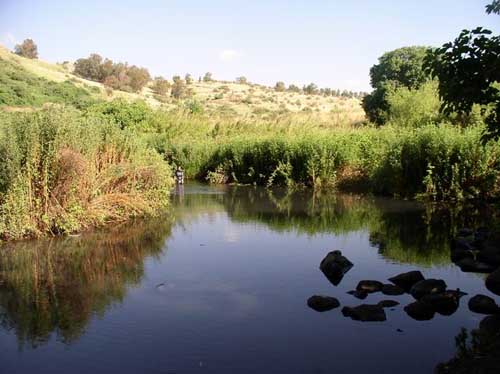
עין תינה – הצינור: The Hidden Spring Oasis in Northern Israel
Discover the cool, crystal‑clear waters of עין תינה – הצינור, a secluded spring tucked in the lush landscape of the Hula Valley, just outside Qiryat Shemona.
1. Introduction
Imagine stepping off a dusty road into a pocket of shade where a gentle stream of icy, pure water bubbles out of a modest metal pipe. The air smells of pine and wildflowers, and beyond the trees you can see the rolling expanse of the Hula Valley stretching toward the horizon. This is עין תינה – הצינור, a tiny yet unforgettable spring that has become a favorite hidden‑gem for hikers, families, and anyone looking to escape the heat of Israel’s summer.
If you’re planning a nature‑focused itinerary in Israel’s Northern District, this spring offers a perfect blend of serenity, photo‑worthy scenery, and easy access. Read on to learn everything you need to know before you set foot on the trail to this refreshing oasis.
2. About עין תינה – הצינור
What is it?
- Type: Natural spring (water emerges from a cold‑water pipe)
- Location: Near Qiryat Shemona, Northern District, Israel
- Coordinates: 33.077700 N, 35.646449 E
The name עין תינה translates roughly to “Spring of the Deer,” reflecting the historic presence of wildlife that once gathered around its waters. The suffix הצינור (“the pipe”) refers to the simple metal conduit that channels the spring’s flow, giving visitors a clean, controlled source of water.
A Brief History
While detailed historical records are scarce, the spring has long served local residents and shepherds as a reliable source of fresh water. Its location on the edge of the Hula Valley—once a vast swamp that was drained in the 1950s and later partially restored as a nature reserve—means that עין תינה has witnessed dramatic ecological changes over the past century.
Why It Matters
- Ecological value: The spring contributes to the micro‑habitat that supports a variety of birds, insects, and small mammals in the Hula Valley ecosystem.
- Cultural significance: For nearby communities, the spring is a reminder of traditional water‑collection practices that predate modern infrastructure.
- Tourist appeal: Its easy accessibility, cool water, and scenic backdrop make it a perfect stop for day‑trippers exploring Northern Israel.
For a concise overview, see the Hebrew Wikipedia entry: עין נוטרחה (Wikipedia).
3. How to Get There
By Car
- Start in Qiryat Shemona. From the city center, head east on Route 90 toward the Hula Valley.
- Turn left onto Route 895 (the road that runs along the western edge of the valley).
- Follow the signs for “עין תינה – הצינור.” The spring is located just off the road, about 2 km from the main highway.
- Parking: A small gravel lot sits near the entrance of the trail. It’s free but can fill up on hot summer weekends, so arrive early.
By Public Transport
- Bus: Egged line 23 runs from Qiryat Shemona to the Hula Valley region. Get off at the “Hula Valley – Nature Reserve” stop and walk north for about 10 minutes following the marked trail signs.
- Taxi: Local taxis are readily available in Qiryat Shemona and can drop you off at the spring’s parking area for a modest fare (≈ 30 NIS).
On Foot / Bicycle
If you’re already hiking the Hula Valley trail network, the spring is a natural detour. The path from the Hula Valley Nature Reserve visitor center to עין תינה – הצינור is roughly 1.5 km and well‑marked. Bicyclists will appreciate the gentle gradient and shaded sections along the route.
4. Best Time to Visit
| Season | Weather | Why It’s Ideal |
|---|---|---|
| Spring (March–May) | Mild temperatures (15‑22 °C), occasional rain | The valley bursts into bloom; water is at its freshest. |
| Early Summer (June) | Warm but not scorching (22‑28 °C) | Perfect for a cool dip in the spring’s icy water. |
| Autumn (September–October) | Pleasant evenings, lower humidity | Fewer crowds, golden light for photography. |
| Winter (November–February) | Cooler (10‑15 °C) and occasional showers | Still accessible, but the pipe may be less vigorous. |
Tip: The spring’s flow is strongest after a rainstorm, so checking the local forecast can enhance your experience.
5. What to Expect
The Immediate Experience
- Cool, clean water: The spring gushes from a stainless‑steel pipe, delivering water that feels like a natural mineral drink straight from the earth.
- Shade and seating: A modest canopy of pine and oak trees provides relief from the sun. Benches and flat stones make a comfortable spot for a picnic.
- Panoramic valley view: From the spring’s edge you can see the Hula Valley’s gentle slopes, dotted with reeds and occasional waterfowl.
Sensory Highlights
- Sound: A soft, continuous murmur of water creates a soothing backdrop, ideal for meditation or reading.
- Smell: The surrounding flora releases a faint piney aroma, mixed with the earthy scent of damp soil.
- Sight: The contrast of the bright blue sky against the emerald valley, punctuated by the glint of sunlight on the water, makes for stunning photographs.
Activities
- Picnicking: Bring a light lunch; the shade makes it a perfect spot for family meals.
- Photography: Early morning or late afternoon light adds a warm glow to the water and surrounding foliage.
- Birdwatching: The Hula Valley is a migratory corridor; keep an eye out for storks, cranes, and warblers.
6. Nearby Attractions
While you’re in the area, consider adding these short‑distance gems to your itinerary. All are within a 1.5‑km radius, making them easy to combine into a half‑day adventure.
| Attraction | Distance | What to See | Link |
|---|---|---|---|
| עין תינה – הבריכה התחתונה (Lower Pool) | 0.3 km | A tranquil pool fed by the same spring source; ideal for a deeper dip. | More info |
| מעיינות רובשייה (Rubsheya Springs) | 0.9 km | A cluster of small springs surrounded by rocky outcrops. | Explore |
| עין דבשה (Deer Spring Waterfall) | 1.3 km | A modest waterfall that adds a gentle mist to the forest floor. | Visit |
| פאג'ר הקטן (Small Pagar) | 1.4 km | A secluded spring with a historic stone basin. | Details |
| מעיינות רובשייה (Rubsheya Springs – second entry) | 1.4 km | Another viewpoint of the same spring system, offering varied angles. | Learn more |
(If any of the above links become unavailable, a quick Google search for the Hebrew name will bring up up‑to‑date information.)
7. Travel Tips
| Tip | Why It Matters |
|---|---|
| Bring water shoes | The pipe’s edge can be slippery; sturdy footwear protects your feet. |
| Pack a reusable water bottle | Although the spring water is drinkable, it’s courteous to refill rather than bring many single‑use bottles. |
| Sun protection | Even under shade, UV rays reflect off the water; wear a hat, sunglasses, and SPF 30+. |
| Leave no trace | Keep the area pristine by taking all trash with you and avoiding feeding wildlife. |
| Check the weather | After heavy rain, the path may be muddy; sturdy boots are advisable. |
| Timing | Arrive early (7–9 am) during peak summer months to avoid crowds and enjoy the coolest water. |
| Photography gear | A polarizing filter helps reduce glare on the water surface; a wide‑angle lens captures the valley view. |
| Local etiquette | Respect the nearby farms; stay on marked trails and avoid stepping on private property. |
| Cash | Some nearby kiosks (e.g., for snacks) accept only cash, so carry a small amount of shekels. |
| Mobile coverage | Signal can be spotty; download offline maps of the Hula Valley before you go. |
Final Thoughts
Whether you’re a seasoned trekker, a family looking for a refreshing stop, or a photographer chasing the perfect light, עין תינה – הצינור offers a compact yet unforgettable slice of Northern Israel’s natural beauty. Its cool spring water, shaded seating, and sweeping views of the Hula Valley make it a must‑visit for anyone traveling through the Northern District. Pair it with nearby springs, waterfalls, and the historic landscapes of the Hula, and you’ll have a full day of outdoor discovery without ever needing to travel far from Qiryat Shemona.
Pack your sense of adventure, follow the simple directions above, and let the gentle murmur of the spring guide you into a tranquil Israeli oasis you’ll remember long after you leave.
Keywords: עין תינה, הצינור, spring in Israel, Northern District attractions, Qiryat Shemona, Hula Valley, nature tourism Israel, water spring, Israeli hiking, hidden gems Israel