עין נפתוח (ליפתא) – A Hidden Spring in West Jerusalem
Discover one of Jerusalem’s best‑kept secrets, a natural spring tucked into the historic hills of the city’s western edge.
1. Introduction
If you think Jerusalem is only about ancient stone walls, bustling markets, and holy sites, think again. Nestled in the rolling hills of West Jerusalem lies עין נפתוח (ליפתא) – a modest yet mesmerizing spring that whispers the story of the city’s natural landscape. While the Dome of the Rock and the Western Wall dominate guidebooks, this spring offers a quiet, reflective spot for hikers, photographers, and anyone craving a slice of untouched nature in the heart of Israel.
Whether you’re a local looking for a weekend escape, a pilgrim seeking a moment of peace, or a traveler hunting off‑the‑beaten‑path gems, עין נפתוח is the perfect addition to your Jerusalem itinerary.
2. About עין נפתוח (ליפתא)
What is it?
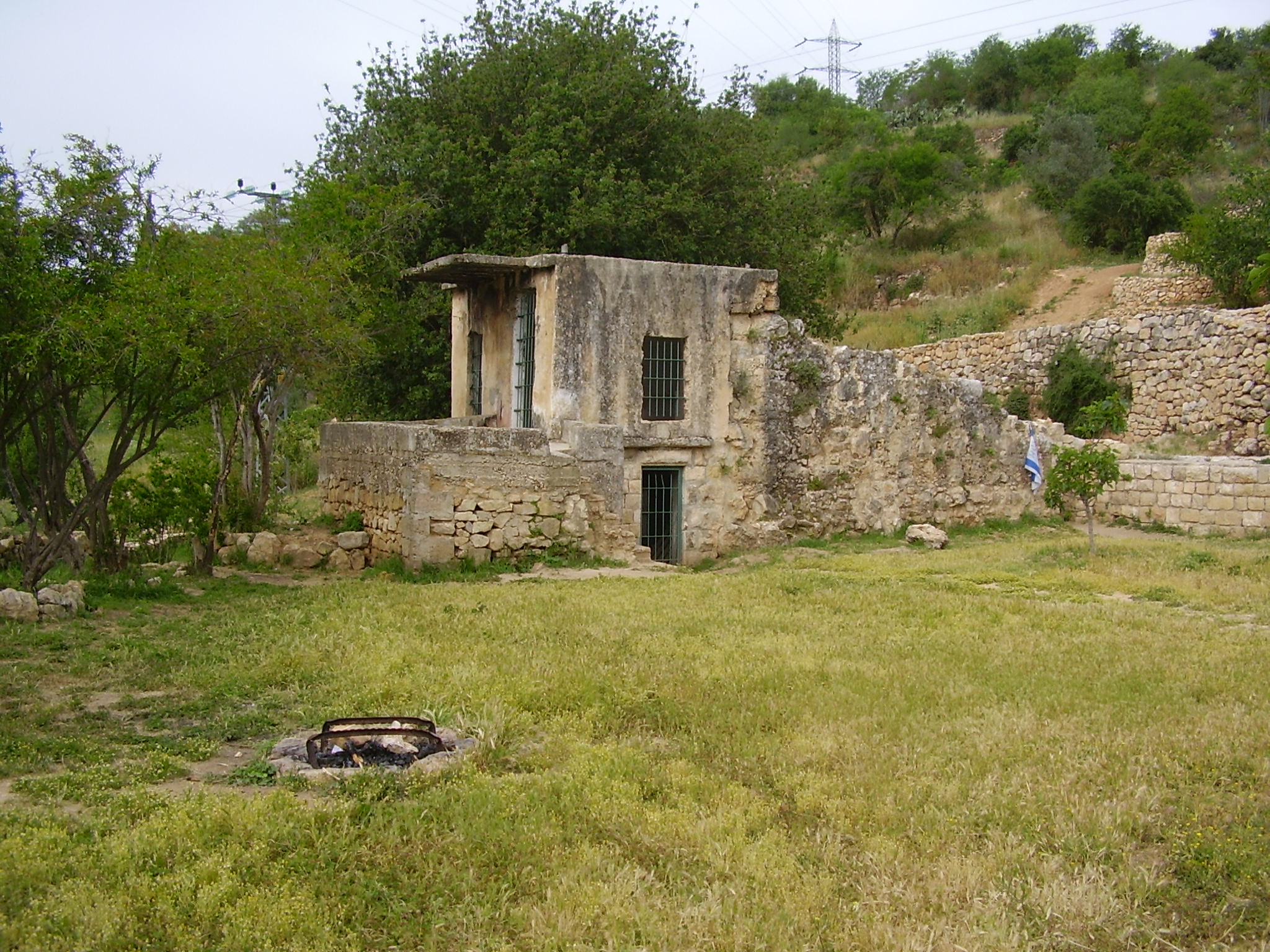
עין נפתוח, also known as ליפתא, is a natural spring that feeds the historic watercourse known as מי נפתוח (“the opening waters”). The spring emerges from the limestone layers that dominate the western Jerusalem hills, creating a small, clear pool that has been a source of fresh water for centuries.
“ליפתא הוא מעיין שכבה ב'מי נפתוח' במערב ירושלים.” – Lifta is a spring that flows into the “Opening Waters” in West Jerusalem.
Historical Context
While detailed archival records about the spring itself are scarce, its location within the Lifta (ליפתא) neighborhood ties it to a rich tapestry of Jerusalem’s rural past. Lifta was once a thriving Arab village before 1948, known for its terraced farms, olive groves, and water sources that sustained the community. Springs such as עין נפתוח were essential for agriculture, livestock, and daily life, making them integral to the village’s livelihood.
Today, the spring stands as a silent witness to that era, offering visitors a tangible connection to the land’s agrarian heritage.
Why It Matters
- Ecological value – The spring supports a micro‑habitat of native plants, insects, and birds that thrive in the moist environment.
- Cultural resonance – It reminds us that Jerusalem’s history isn’t only built of stone; water has shaped its settlement patterns for millennia.
- Hidden beauty – Far from the tourist crowds, the spring provides a tranquil setting for meditation, photography, and nature walks.
3. How to Get There
By Car
- Start from central Jerusalem (e.g., Jaffa Road).
- Head west on Route 1 toward Mount Scopus and take the Jerusalem–Tel Aviv Highway exit for Hebron Road (Route 386).
- Turn right onto Hebron Road and follow signs for Lifta.
- Park near the Lifta village entrance (there is limited street parking; a small pay‑parking lot is available).
From the parking area, the spring is a short, well‑marked walking trail (approximately 300 m) that descends into the valley where the water emerges.
By Public Transport
- Bus 11 (Jerusalem Central Bus Station → Lifta) stops at the Lifta Gate.
- Bus 19 also passes near the Ein Lavan stop, a short walk from the spring.
Both routes run frequently during daylight hours. After alighting, follow the local signage toward עין נפתוח or ask a resident for “the spring in the opening waters.”
On Foot
For the adventurous, the Jerusalem Trail (Shvil HaKedem) passes close to Lifta. Starting from the German Colony or Yemin Moshe neighborhoods, you can hike eastward toward the Mount of Olives and detour south to reach the spring. The walk takes roughly 45 minutes from the German Colony and offers panoramic views of the Old City.
GPS Coordinates
- Latitude: 31.794410
- Longitude: 35.196523
Enter these coordinates into any navigation app for pinpoint accuracy.
4. Best Time to Visit
| Season | What to Expect | Why It’s Ideal |
|---|---|---|
| Spring (March‑May) | Blooming wildflowers, moderate temperatures (15‑22 °C). | The surrounding hills are carpeted in color, and the spring’s flow is strong after winter rains. |
| Autumn (September‑November) | Golden foliage, comfortable evenings (18‑24 °C). | Fewer tourists, crisp air, and the water level remains steady. |
| Winter (December‑February) | Cooler weather (10‑15 °C) and occasional rain. | The spring is at its most vigorous, but be prepared for muddy paths. |
| Summer (June‑August) | Warm to hot (25‑32 °C). | Early morning visits are best to avoid heat; the spring provides a refreshing spot for a quick dip. |
Tip: The spring’s water level can fluctuate after heavy rain. Checking a recent weather report ensures you’ll see the spring at its fullest.
5. What to Expect
The Senses
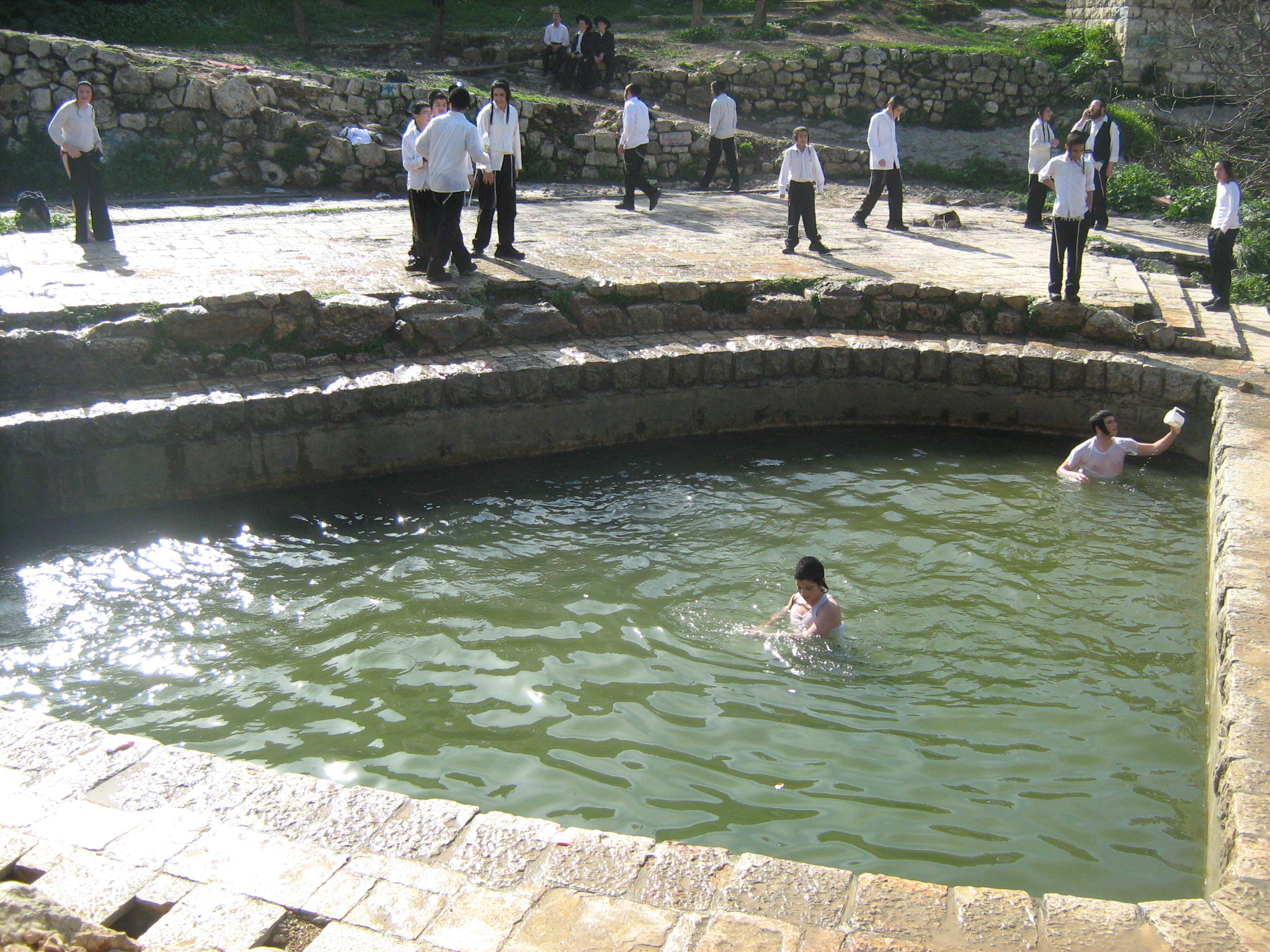
- Sight: A crystal‑clear pool framed by limestone rocks, with a gentle trickle that feeds a narrow stream. Sunlight dapples the water, creating sparkling reflections.
- Sound: The soft murmur of flowing water blends with the rustle of olive trees and the distant call of birds.
- Touch: The cool, mineral‑rich water invites a quick splash—perfect for a refreshing pause on a warm day.
- Smell: Earthy aromas of wet stone and surrounding vegetation fill the air, especially after rain.
The Experience
Arriving at עין נפתוח feels like stepping into a living postcard. The path leading down to the spring is lined with low stone walls, reminiscent of the ancient terraces that once cultivated olives and grapes. Once you reach the pool, you’ll notice how the water’s clarity reveals smooth pebbles and occasional tiny fish darting beneath the surface.
For photographers, the contrast between the bright water and the muted, weathered rocks offers compelling compositions. Hikers often pause here for a brief rest, sipping the fresh water (though it’s advisable to bring your own bottle for safety). The tranquil atmosphere makes it an ideal spot for meditation or simply soaking in the quiet rhythm of nature.
6. Nearby Attractions
While עין נפתוח is the star of the day, the surrounding area is dotted with other natural and cultural sites that can round out your visit:
| Attraction | Distance | Type | Quick Note |
|---|---|---|---|
| Lifta (Waterfall) | 0.2 km | Waterfall | A small cascade within the historic Lifta village; great for a short stroll. |
| עין לציון (Ein LeTzion) Spring | 0.5 km | Spring | Another pristine spring feeding the local watershed; perfect for nature lovers. |
| מעיין דודו (Ma'ayan Dudu) Spring | 1.2 km | Spring | A secluded spring surrounded by olive groves; ideal for a quiet picnic. |
| [Jerusalem Waterfall] (unnamed in source) | 1.7 km | Waterfall | A modest waterfall located within the city limits; accessible via a short hike. |
| הדוידקה (Davidka Fountain) | 2.0 km | Fountain | A historic fountain in central Jerusalem, known for its unique stonework. |
Links for deeper exploration:
Feel free to combine these sites into a half‑day or full‑day itinerary—each spot is within a short walk or brief drive, allowing you to savor the natural beauty of West Jerusalem without rushing.
7. Travel Tips
- Dress for the Terrain – Wear sturdy walking shoes with good traction. The path can be uneven and occasionally slippery after rain.
- Carry Water & Snacks – While the spring provides fresh water, it’s wise to bring a reusable bottle and light snacks, especially if you plan to explore nearby attractions.
- Respect the Site – This is a living natural resource. Avoid littering, stay on marked trails, and refrain from swimming in the pool if signage advises against it.
- Timing – Arrive early in the morning (especially in summer) to enjoy cooler temperatures and softer lighting for photography.
- Safety – The area is generally safe, but it’s a quiet residential zone. Let someone know your route if you’re hiking alone.
- Seasonal Gear – In winter, pack a light rain jacket and consider trekking poles for muddy sections. In spring, a hat and sunscreen are essential.
- Local Etiquette – Lifta is a residential neighborhood with a mixed community. Greet locals politely and keep noise levels low.
Wrap‑Up
עין נפתוח (ליפתא) may not appear on the typical Jerusalem travel brochure, but that’s precisely why it’s worth the detour. It offers a genuine connection to the city’s natural roots, a peaceful oasis amid bustling streets, and a gateway to several other hidden gems in West Jerusalem.
So, lace up your boots, grab your camera, and set your GPS to 31.794410, 35.196523. You’ll discover a spring that not only quenches thirst but also refreshes the soul—one of Jerusalem’s best‑kept secrets, waiting for you to uncover.
Happy travels, and may the waters of עין נפתוח inspire your next adventure in Israel!