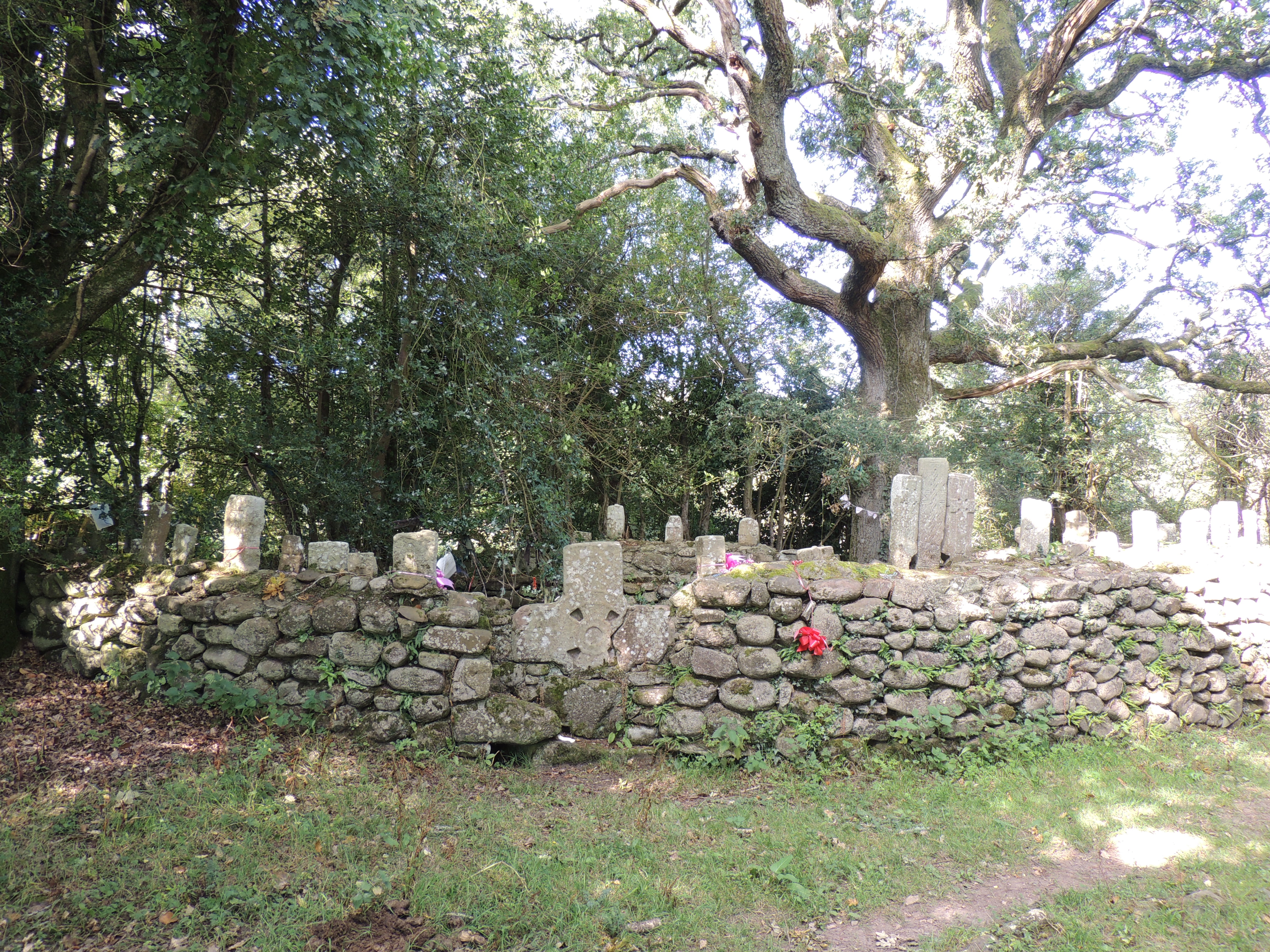
Saint Berrihert's Holy Well – A Hidden Healing Spring in Tipperary, Munster
Discover the mystique, history, and natural beauty of one of Ireland’s most quietly revered holy wells.
Introduction
Imagine stepping off a quiet country lane in County Tipperary and finding a crystal‑clear spring bubbling from a stone‑lined basin, its water said to soothe burns and scalds. This is Saint Berrihert's Holy Well, a modest yet magical spot that has been drawing locals and curious travelers for centuries. Nestled in the rolling countryside of Munster, the well offers more than just a splash of cool water—it delivers a slice of Irish folklore, a touch of spirituality, and a perfect excuse to explore the lush heartland of the Emerald Isle. If you’re planning a road‑trip through southern Ireland, this hidden spring should be on your itinerary.
About Saint Berrihert's Holy Well
A Brief History
The well takes its name from Saint Berrihert (also known as Saint Berrahert), an early Irish saint whose life is shrouded in the same mist as many of the country’s early missionaries. While exact dates are elusive, tradition places him in the early medieval period, a time when hermits and monks established sacred sites near natural water sources.
According to local legend, the spring’s water possesses healing properties for scalds and burns—a belief that has endured through oral tradition and is still mentioned on the well’s modest information board. The well’s reputation as a place of cure and comfort mirrors the broader Irish custom of associating holy wells with physical and spiritual restoration.
Why It Matters
Holy wells are an integral part of Ireland’s cultural landscape. They served as focal points for early Christian worship, often built atop pre‑Christian sacred springs. Saint Berrihert’s Well is a quintessential example: a simple stone basin, a modest wooden fence, and a sense of reverence that transcends the centuries. For travelers interested in Irish holy wells, spiritual tourism, or cultural heritage, this site offers an authentic glimpse into the country’s layered past.
How to Get There
By Car
The most straightforward way to reach the well is by car. From Cork Airport (the nearest international gateway), follow the N24 east toward Clonmel, then take the R688 south toward Cahir. After passing Cahir, turn onto the local road signposted for St. Berrihert’s Holy Well (coordinates 52.409608, -8.074734). The total drive is roughly 1 hour 15 minutes (≈80 km).
If you’re coming from Dublin, take the M7 south to the N24, then follow the same route via Clonmel. The journey takes about 2 hours 30 minutes.
Public Transport
While there is no direct bus to the well, you can catch a Bus Éireann service to Cahir (routes 221/222) and then hire a local taxi for the final 5 km stretch. The taxi ride usually costs €15‑€20 and gives you flexibility to explore nearby attractions.
Parking & Accessibility
A small gravel parking area sits just a few metres from the spring. The path to the well is a short, level walk—suitable for most walkers, though the surface can be uneven after rain. No wheelchair ramp is available, so plan accordingly if you have limited mobility.
Best Time to Visit
Spring (April–June)
The surrounding fields burst into a kaleidoscope of wildflowers, and the weather is mild—ideal for a leisurely stroll. Spring also coincides with many local pattern days (traditional well festivals) where locals may leave offerings of flowers or candles.
Summer (July–August)
Long daylight hours let you linger at the well well into the evening. However, be prepared for occasional heat; the well’s cool water offers a refreshing respite.
Autumn (September–October)
Golden foliage adds a magical backdrop, and the crowds thin out. Early autumn is often the most photogenic time, with mist hovering over the water in the mornings.
Winter (November–March)
The well is accessible year‑round, but expect cooler temperatures and potentially slippery stones. If you enjoy a quiet, contemplative atmosphere, winter visits can feel almost mystical—just bundle up!
What to Expect
The Setting
Saint Berrihert’s Holy Well is modest in size but rich in atmosphere. A low stone basin collects the spring water, which flows continuously from a natural fissure in the rock. A simple wooden fence and a small plaque provide context, while a few wildflowers grow around the edge, adding splashes of colour.
The Experience
- Touch the Water: Many visitors cup the water in their hands and feel its coolness—a sensory reminder of the well’s reputed healing powers.
- Quiet Reflection: The site is usually tranquil, making it perfect for a moment of meditation or a short prayer.
- Photography: Early morning light, especially in spring or autumn, creates soft shadows and mist—ideal for landscape photography.
- Local Lore: If you’re lucky, a local resident may share a story about the well’s history or a personal anecdote about its healing reputation.
Amenities
There are no commercial facilities on site—no café or restroom. Bring water, snacks, and a rain jacket. Nearby towns such as Cahir offer cafés, pubs, and restrooms if you need a break.
Nearby Attractions
While Saint Berrihert’s Holy Well can easily fill a half‑day, the surrounding Munster countryside offers several other springs and points of interest that make for a perfect loop.
| Attraction | Distance | What to See |
|---|---|---|
| Head Well | 4.2 km | Another historic spring reputed for its clear water. |
| St. Peakaun's Well | 5.6 km | A quiet well associated with Saint Peakaun; great for a short walk. |
| Unnamed Spring #1 | 4.3 km | A lesser‑known spring tucked away in a meadow. |
| Unnamed Spring #2 | 6.8 km | A tranquil water source surrounded by ancient oak trees. |
| Unnamed Spring #3 | 7.4 km | A scenic spot ideal for picnics and birdwatching. |
Tip: Use a local map or GPS to locate the unnamed springs; they’re often marked simply as “spring” on Ordnance Survey maps.
Other Nearby Highlights
- Cahir Castle (≈10 km): One of Ireland’s largest and best‑preserved castles, perched on the River Suir.
- The Rock of Cashel (≈30 km): A spectacular medieval site offering panoramic views and a deep dive into Irish history.
- Lough Derg (≈25 km): A massive lake perfect for sailing, fishing, and lakeside walks.
Travel Tips
- Pack a Waterproof Bag – The well’s basin can splash, and the Irish weather is notoriously changeable.
- Respect the Site – Holy wells are considered sacred. Avoid litter, stay on the path, and refrain from swimming.
- Bring a Small Offering – If you wish to honor tradition, leave a flower, a stone, or a candle (if safe and permitted).
- Check Local Events – Some pattern days feature music, food stalls, or candlelit vigils. Timing your visit to coincide can add cultural richness.
- Combine with a Scenic Drive – The route between Cahir and the well passes through rolling pastures, stone walls, and occasional sheep farms—perfect for a leisurely drive.
- Charge Your Camera – The soft light and mist make for stunning photos, but the remote location means no charging stations nearby.
- Stay Safe on Wet Stones – After rain, the stone basin can be slippery. Wear sturdy shoes with good grip.
Final Thoughts
Saint Berrihert’s Holy Well may not boast grand architecture or a bustling visitor center, but its quiet charm, healing folklore, and idyllic setting embody the heart of Munster’s spiritual landscape. Whether you’re a pilgrim seeking a place of reflection, a nature lover chasing Ireland’s hidden springs, or a traveler eager to explore Tipperary attractions, this well offers a memorable pause in your journey.
So fill your water bottle, lace up your walking shoes, and let the cool, clear waters of Saint Berrihert’s Holy Well refresh both body and spirit. Happy travels!
Keywords: Saint Berrihert's Holy Well, holy well Ireland, Tipperary attractions, Munster springs, Irish holy wells, healing springs Ireland, travel to Tipperary, spiritual tourism Ireland, hidden gems Munster