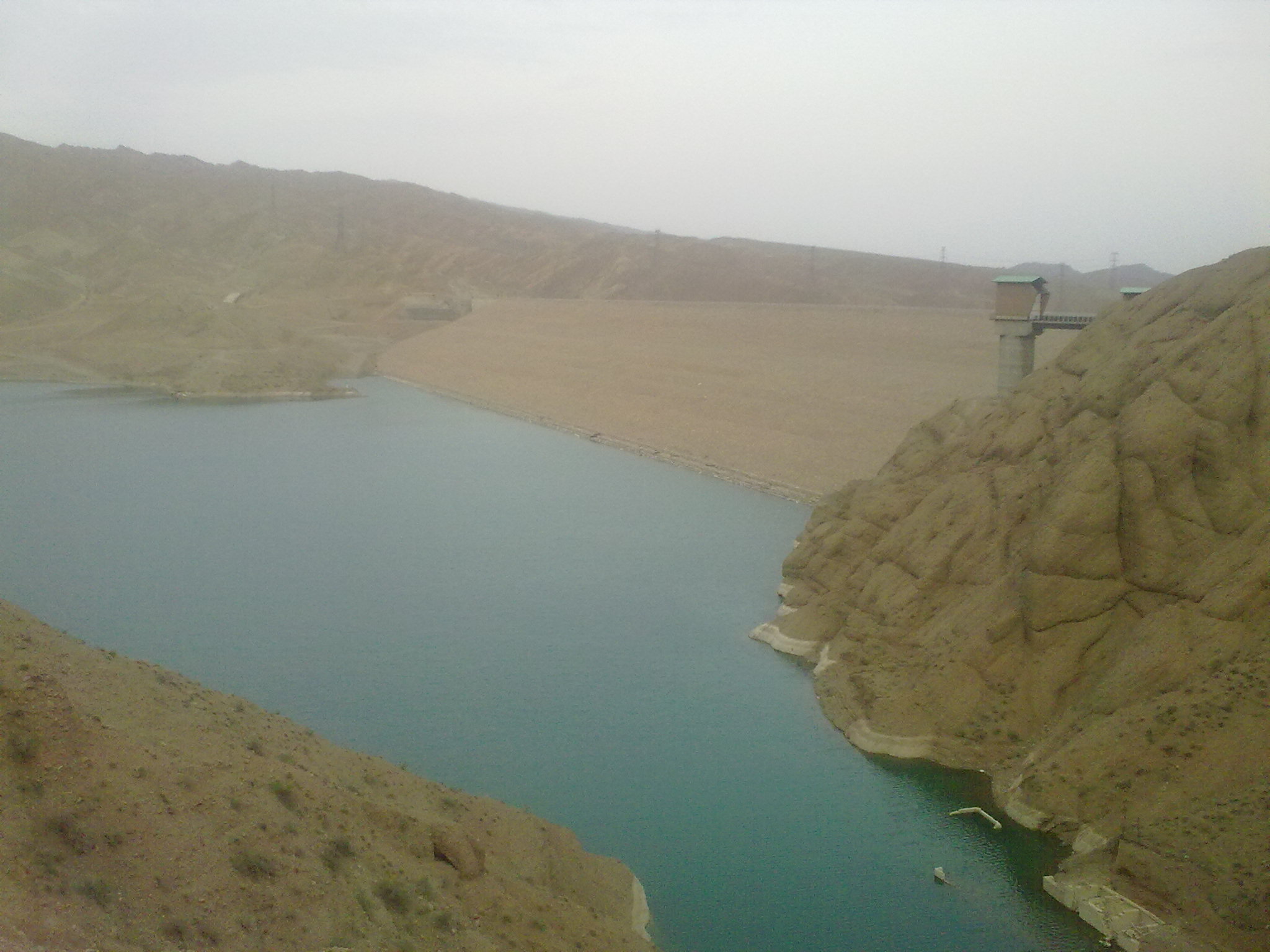
سد ماملو (Dam Mamlu) – A Hidden Gem in Tehran’s Pakdasht Region
Explore the tranquil waters, local culture, and nearby natural wonders of one of Tehran’s lesser‑known dams.
1. Introduction
If you think Tehran’s attractions are limited to bustling bazaars, towering skyscrapers, and historic mosques, think again. A short drive southeast of the capital lies سد ماملو (Dam Mamlu), a modest yet picturesque reservoir tucked in the Pakdasht district. While it doesn’t boast the height of the massive Karun dams or the fame of Iran’s ancient qanats, سد ماملو offers a peaceful retreat for nature lovers, photographers, and anyone craving a slice of authentic Iranian countryside. In this guide, you’ll discover why this dam is worth adding to your Tehran itinerary, how to reach it, the best time to visit, and the charming spots that surround it.
2. About سد ماملو
What Is سد ماملو?
- Type: Dam (🏗️)
- Location: Pakdasht, Tehran Province, Iran
- Coordinates: 35.582625 N, 51.789042 E
سد ماملو is a functional water‑storage structure that serves the agricultural lands of Pakdasht and nearby villages. Although official records do not list its exact height or altitude, the dam’s primary purpose is to regulate seasonal runoff, support irrigation, and help replenish groundwater tables in this semi‑arid region.
A Brief Historical Note
The dam’s name appears in Persian sources such as the fa‑Wikipedia entry for سد ماملو. While detailed construction dates are scarce, the structure is part of Iran’s broader 20th‑century push to modernize water management in the Tehran basin. Local farmers often credit the dam with stabilizing crop yields, especially during dry spells, making it an essential piece of the region’s socio‑economic fabric.
Why It Matters
- Water Security: By capturing runoff from the surrounding hills, سد ماملو helps sustain irrigation for wheat, barley, and horticulture in Pakdasht.
- Ecological Niche: The reservoir creates a micro‑habitat for migratory birds, amphibians, and native fish species, contributing to biodiversity in an otherwise dry landscape.
- Cultural Landscape: The dam’s presence has shaped nearby settlements, influencing traditional irrigation practices (qanats) and community life.
3. How to Get There
Visiting سد ماملو is straightforward, even if you’re traveling from central Tehran. Below are the most common routes and transport options.
| Starting Point | Approx. Distance | Recommended Transport | Approx. Travel Time |
|---|---|---|---|
| Tehran (Tehran‑Mehrabad Airport) | ~35 km | Taxi or rideshare (e.g., Snapp, Tap30) | 45‑60 min |
| Tehran Railway Station | ~30 km | Private car or Uber | 40‑55 min |
| Pakdasht City Center | ~5 km | Local bus, motorbike, or walk | 10‑15 min |
By Car
- From Tehran: Take Freeway 5 (Karaj‑Tehran) eastbound toward Pakdasht.
- Exit at the Pakdasht‑Shahrak-e‑Hafteh interchange and follow the signs for “سد ماملو”.
- The dam sits just off the main road, roughly 0.1 km from the turn‑off—look for a small parking area near the water’s edge.
By Public Transport
- Bus: Several regional buses run from Tehran’s Azadi Terminal to Pakdasht. Get off at the “Pakdasht‑Dam” stop; the dam is a short walk away.
- Shared Taxi (تاکسی اشتراکی): These minibusses depart every 30 minutes from Pakdasht’s central market and drop passengers near the dam.
Parking & Accessibility
A modest, free parking lot accommodates cars, motorbikes, and bicycles. The pathway to the water’s edge is level and suitable for most visitors, though there are no wheelchair‑specific ramps.
4. Best Time to Visit
Because سد ماملو is a reservoir, its visual appeal changes with the seasons. Here’s a quick guide:
| Season | Weather | What to Expect | Why Visit |
|---|---|---|---|
| Spring (Mar‑May) | Mild, occasional rain | Water levels rise, surrounding fields burst into green, wildflowers bloom. | Ideal for photography and bird‑watching. |
| Summer (Jun‑Aug) | Hot, dry | Water may recede slightly; evenings are pleasant. | Perfect for picnics and sunset views. |
| Autumn (Sep‑Nov) | Cool, crisp | Golden foliage surrounds the dam; water reflects amber tones. | Great for tranquil walks and cultural photography. |
| Winter (Dec‑Feb) | Cold, occasional frost | Water surface can be calm; misty mornings create a dreamy atmosphere. | A quiet, introspective experience for early risers. |
Peak visitor months: March, April, and October. If you prefer fewer crowds, aim for early May or late November.
5. What to Expect
Scenic Views
Approaching سد ماملو, you’ll first notice the gentle curve of the reservoir against a backdrop of low hills. The water’s surface mirrors the sky, making it a natural canvas for sunrise and sunset shots. In spring, the banks are dotted with reeds and wildflowers, while autumn paints the surrounding fields in shades of ochre and amber.
Activities
- Photography: The dam’s reflective water and surrounding landscape provide excellent opportunities for both wide‑angle landscape shots and intimate nature close‑ups.
- Picnicking: Bring a blanket, some local cheese (پنیر) and fresh herbs, and enjoy a relaxed meal on the grassy banks.
- Bird‑watching: Migratory species such as the Eurasian reed warbler and various waterfowl stop here during spring and autumn migrations. A pair of binoculars can reveal a hidden world of feathered visitors.
- Light Hiking: A short, unmarked trail circles the reservoir, offering gentle elevation changes and views of nearby farms.
Amenities
There are no formal cafés or souvenir shops at سد ماملو, preserving its rustic charm. However, a small kiosk operated by local villagers sells bottled water, tea, and simple snacks. Restrooms are basic but clean.
6. Nearby Attractions
After soaking in the calm of سد ماملو, explore these nearby natural and cultural sites—all within a 10‑km radius.
| Attraction | Distance from سد ماملو | Type | Why Visit |
|---|---|---|---|
| مارچشمه (Marcheh Spring) | 5.7 km | Natural spring | Crystal‑clear water, perfect for a short dip or a scenic walk. |
| قنات توچال (Qanat‑e‑Tochal) | 8.4 km | Historic qanat (underground aqueduct) | Witness ancient Persian water engineering and lush garden surroundings. |
| Unnamed Dam #1 | 0.1 km | Dam | A tiny auxiliary dam that adds to the water landscape; great for quick photo stops. |
| Unnamed Dam #2 | 7.3 km | Dam | Offers a contrasting view of a larger reservoir; ideal for comparative photography. |
| Unnamed Weir | 9.1 km | Weir | Small water‑control structure that creates a gentle cascade—great for kids. |
Tip: Most of these sites are reachable by local roads and can be combined into a half‑day “water‑tour” itinerary. If you have a rental car, you can easily hop between them; otherwise, consider hiring a local driver for the day.
7. Travel Tips
- Dress Comfortably: Light layers work best—mornings can be cool, especially in spring and autumn.
- Sun Protection: Even on cloudy days, the sun at this altitude is strong. Bring a hat, sunglasses, and sunscreen.
- Stay Hydrated: Carry enough water, especially in summer when temperatures rise above 35 °C (95 °F).
- Respect Local Customs: Pakdasht is a modest, family‑oriented community. Dress modestly (shoulders and knees covered) when interacting with locals.
- Cash is King: Small shops and kiosks accept only cash (Iranian Rial). ATMs are available in Pakdasht city center.
- Timing: Arrive early (around sunrise) for the best light and fewer visitors.
- Photography Etiquette: Ask permission before photographing people or private property.
- Safety: The water’s edge can be slippery after rain; watch your step and keep children close.
- Language: Persian (Farsi) is the primary language. Learning a few basic phrases—Salam (hello), Merci (thank you), Lotfan (please)—goes a long way.
- Connectivity: Mobile coverage is generally good, but signal may drop near the reservoir. Download offline maps beforehand.
8. Closing Thoughts
سد ماملو may not headline Tehran’s travel brochures, but that’s precisely what makes it special. It offers a genuine glimpse into Iran’s rural water culture, a tranquil spot for reflection, and a launchpad for exploring hidden springs and historic qanats. Whether you’re a photographer chasing golden hour reflections, a bird‑watcher tracking seasonal migrations, or a traveler simply craving peace away from the city’s hustle, Dam Mamlu welcomes you with open arms—and a shimmering surface that mirrors the stories of the land.
Pack a snack, bring your camera, and let the quiet rhythm of سد ماملو add a new chapter to your Tehran adventure. Safe travels!
Keywords: سد ماملو, Dam Mamlu, Pakdasht dam, Tehran attractions, Iran travel, dam tourism Iran, how to get to سد ماملو, best time to visit Dam Mamlu, nearby springs Tehran, travel tips Tehran dam.