چشمه چهل شهیدان دژکرد – A Hidden Spring Gem in Yasuj, Kohgiluyeh‑va‑Buyer Ahmad
If you’re hunting for an off‑the‑beaten‑path natural oasis in western Iran, look no further than چشمه چهل شهیدان دژکرد. Tucked away in the rugged mountains near Yasuj, this crystal‑clear spring offers a refreshing pause from the city buzz and a glimpse into the region’s rich cultural tapestry. Whether you’re a seasoned backpacker, a family on a weekend getaway, or a photographer chasing the perfect water‑lit landscape, this spring deserves a spot on your Iran travel itinerary.
About چشمه چهل شهیدان دژکرد
A brief description
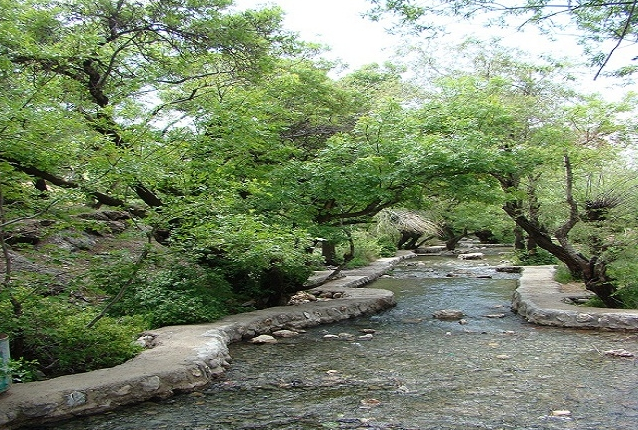
چشمه چهل شهیدان دژکرد (pronounced “Cheshmeh Cheleh‑Shahidān Dezhkord”) is a natural spring that emerges from the limestone formations surrounding the Dezhkord area of Yasuj County. The water flows steadily from a series of small fissures, creating a tranquil pool that reflects the surrounding pine‑covered hills. The spring’s exact altitude and height are not documented, but its location at 30.739217 N, 51.956566 E places it in a verdant valley that remains relatively untouched by mass tourism.
Historical and cultural significance
The name “چهل شهیدان” (Forty Martyrs) carries a solemn resonance in Iranian folklore. Local oral histories suggest that the spring was named in memory of a group of brave villagers who sacrificed their lives defending the region during historic tribal conflicts. While the precise events are not recorded in official archives, the story is still recounted by elders in nearby villages, adding a layer of reverence to the site. Visitors often feel a quiet respect for the water, seeing it not only as a natural wonder but also as a living tribute to the community’s ancestors.
Why it matters for travelers
- Pure mountain water – The spring’s water is reputedly fresh and clean, ideal for a quick sip after a hike.
- Scenic serenity – Surrounded by towering oaks and the soft murmur of flowing water, it’s a perfect spot for meditation or a picnic.
- Cultural immersion – The name and local stories provide a gateway to understanding the oral traditions of Kohgiluyeh‑va‑Buyer Ahmad.
How to Get There
From Yasuj (the provincial capital)
- Start in Yasuj – Head east on Road 55 toward Dezhkord. The journey covers roughly 30 km and takes about 45 minutes by car, depending on traffic.
- Turn onto the Dezhkord‑Bakhtegan road – After passing the town of Dezhkord, follow the signs for “چشمه چهل شهیدان”. The road becomes narrower and more mountainous; a sturdy vehicle (or a reliable SUV) is recommended.
- Use GPS coordinates – Input 30.739217, 51.956566 into your navigation app. The spring is marked on most digital maps as a waypoint.
- Parking – A small, informal parking area sits at the trailhead. It’s best to arrive early, especially on weekends, to secure a spot.
Public transport options
- Local minibusses (dolats) run from Yasuj to Dezhkord several times a day. Ask the driver to drop you off at the “چشمه چهل شهیدان” turn‑off; they’re usually familiar with the landmark.
- Taxi services – Shared taxis from Yasuj can be arranged for a modest fee. Negotiate the price before departure.
On foot
For the adventurous, a 6‑km hike from the Dezhkord village center leads directly to the spring. The trail is well‑marked, passes through pine forests, and offers occasional vistas of the surrounding valleys. Pack enough water and wear sturdy hiking boots.
Best Time to Visit
| Season | Weather & Landscape | Visitor Experience |
|---|---|---|
| Spring (Mar‑May) | Mild temperatures (15‑22 °C), wildflowers in full bloom, water flow at its peak. | Ideal for photography and picnics. |
| Summer (Jun‑Aug) | Warm days (25‑30 °C) but the spring’s cool water provides natural relief. | Good for a refreshing dip; consider early morning to avoid midday heat. |
| Autumn (Sep‑Nov) | Golden foliage, comfortable climate, fewer tourists. | Perfect for tranquil walks and bird‑watching. |
| Winter (Dec‑Feb) | Cold nights, occasional snowfall; water may be slower. | For the hardy traveler seeking solitude; check road conditions. |
Peak recommendation: Late spring (April‑May) and early autumn (September‑October) when the scenery is vibrant and the weather is comfortable for outdoor activities.
What to Expect
Arriving at چشمه چهل شهیدان دژکرد, you’ll be greeted by the gentle sound of water bubbling over smooth stones. The pool itself is shallow enough for children to splash safely, yet deep enough in spots for an adult to wade. The surrounding forest is dominated by Caucasian oak and Juniper trees, creating a canopy that filters sunlight into dappled patterns on the water’s surface.
Sensory highlights
- Sight: Clear turquoise water reflecting the mountains; occasional rainbow arches when sunlight hits the spray.
- Sound: A soothing, continuous murmur that drowns out distant traffic.
- Smell: Fresh pine and earth after a light rain—nature’s own aromatherapy.
- Touch: Cool, mineral‑rich water that feels invigorating after a hike.
Because the spring is a community resource, you may encounter locals gathering water or children playing nearby. Respect their space, and you’ll often be welcomed with a warm smile or a friendly nod.
Nearby Attractions
Exploring the region further? These natural sites are within a 30‑km radius and make excellent day‑trip extensions:
| Attraction | Type | Distance from Spring | Quick Link |
|---|---|---|---|
| آبشار تنگ براق | Waterfall | 15.4 km (Fars) | Wikipedia – آبشار تنگ براق |
| سد ملاصدرا | Dam | 16.1 km (Fars) | Wikipedia – سد ملاصدرا |
| Марган | Waterfall (Russian‑named) | 19.9 km (Fars) | (No dedicated page – search “Марган waterfall Iran”) |
| چشمه قدمگاه امام رضا | Spring | 21.1 km (Fars) | Wikipedia – چشمه قدمگاه امام رضا |
| آبشار مارگون | Waterfall | 28.0 km (Fars) | Wikipedia – آبشار مارگون |
Each spot offers a distinct landscape—from cascading waterfalls to serene dam reservoirs—allowing you to build a diverse natural itinerary around Yasuj.
Travel Tips
- Pack appropriate footwear – The trail to the spring can be rocky and slippery, especially after rain. Sturdy hiking shoes or sandals with good grip are essential.
- Bring a reusable water bottle – While the spring water is clean, it’s courteous to avoid littering. A bottle also lets you stay hydrated on longer hikes.
- Respect local customs – If you see villagers collecting water, give them space. Modest dress (shoulders and knees covered) is appreciated in rural areas.
- Sun protection – Even on cloudy days, UV levels can be high at altitude. Sunscreen, a hat, and sunglasses are a must.
- Timing – Arrive early (7–9 am) during peak seasons to enjoy the spring in quiet and to secure parking.
- Photography etiquette – Ask permission before photographing locals or private property. Use a tripod only if it doesn’t obstruct the path.
- Safety – Mobile signal can be spotty. Share your itinerary with a friend or family member, and carry a basic first‑aid kit.
- Leave no trace – Pack out all trash, avoid feeding wildlife, and stay on marked paths to preserve the ecosystem.
Wrap‑up
چشمه چهل شهیدان دژکرد may not appear on mainstream travel guides, but its pristine waters, tranquil ambiance, and deep cultural roots make it a standout destination for anyone exploring Yasuj and the broader Kohgiluyeh‑va‑Buyer Ahmad province. By timing your visit right, respecting the local environment, and pairing the spring with nearby waterfalls and dams, you’ll experience a slice of Iran’s natural heritage that few tourists get to see.
So, charge your camera, map the coordinates, and set out for this hidden spring—your next unforgettable adventure awaits!