بند دره (Bend Darreh Dam) – A Hidden Gem in Khorasan‑e Jonubi, Iran
Explore the tranquil waters, rugged landscapes, and authentic Persian hospitality surrounding one of South Khorasan’s lesser‑known dams.
1. Introduction
If you’re chasing off‑the‑beaten‑path experiences in Iran, the Bند دره dam should be at the top of your list. Nestled just outside the historic city of Birjand, this modest dam offers a serene escape from the desert heat, stunning photo‑ops, and a chance to mingle with locals who still rely on its waters for agriculture and daily life. Whether you’re a nature lover, a photography enthusiast, or a cultural explorer, بند دره provides a refreshing contrast to Iran’s more famous attractions like Persepolis or the Caspian Sea coastline.
“The silence of the water, broken only by the call of a distant bird, makes you feel like you’ve stepped into another world.” – A recent traveler’s note
In this guide, we’ll dive into everything you need to know: the dam’s background, how to get there, the best seasons to visit, what you’ll see on site, nearby points of interest, and practical travel tips to make your journey smooth and memorable.
2. About بند دره
Description & Location
- Name: بند دره (Bend Darreh Dam)
- Type: Dam (🏗️)
- Province: Khorasan‑e Jonubi, Iran
- Nearest City: Birjian (≈ 30 km north‑east)
- Coordinates: 32.819260 N, 59.216885 E
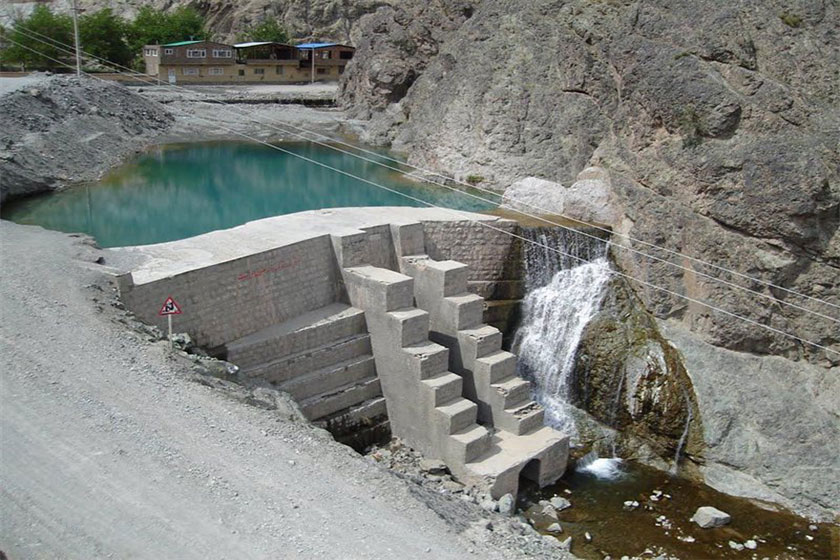
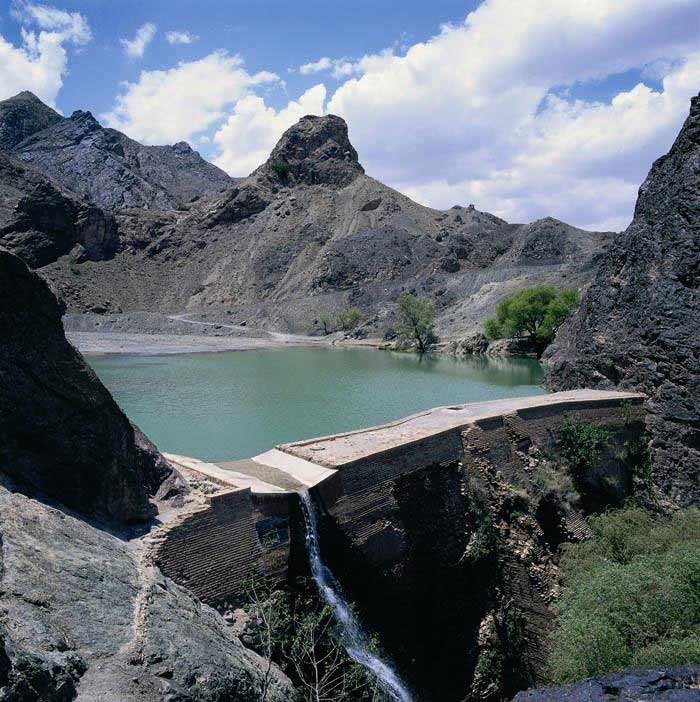
Bند دره is a small‑scale water‑retention structure built to support irrigation and provide a reliable water source for surrounding villages. While the exact height and altitude of the dam remain undocumented, its modest size is perfect for intimate exploration—no crowds, no ticket lines, just open sky and reflective water.
Historical Context
The dam’s origins trace back to regional development projects aimed at boosting agricultural productivity in South Khorasan’s arid terrain. Though specific construction dates are scarce, local oral histories suggest that the structure was reinforced during the late 20th century as part of Iran’s nationwide water‑management initiatives. Its name—Bend Darreh—literally means “valley dam,” reflecting the natural gorge it harnesses.
Significance
- Agricultural Lifeline: Farmers in the surrounding valleys depend on the reservoir for irrigating saffron, wheat, and pistachio orchards.
- Ecological Niche: The dam creates a micro‑habitat that attracts migratory birds, amphibians, and native plant species, making it a quiet spot for bird‑watchers.
- Cultural Touchpoint: Nearby villages celebrate the dam’s presence during seasonal festivals, offering visitors a glimpse of authentic Persian rural life.
3. How to Get There
From Birjand Airport (BJB)
- Car Rental: The most flexible option. Pick up a rental car at the airport and follow the Road 85 sign toward Bashary. After roughly 20 km, turn left onto the local road marked “Bend Darreh.” The drive takes about 45 minutes (≈ 55 km).
- Private Taxi: Taxis are readily available at the airport. Negotiate a round‑trip fare (typically 1,500,000‑2,000,000 IRR).
By Public Transport
- Bus: Daily minibusses depart from Birjand’s central bus terminal to Bashary and Sarayan. Ask the driver to drop you off at the “Bend Darreh” stop; you’ll need to walk or hitch a short local ride (≈ 5 minutes) to the dam site.
- Shared Taxi (Savari): These operate on a fixed route between Birjand and nearby villages. They’re cheap (≈ 30,000 IRR per person) but run on a schedule, so plan ahead.
Driving Tips
- Road Condition: The final stretch is a paved but narrow mountain road; drive cautiously, especially after rain.
- Navigation: Input the coordinates 32.819260, 59.216885 into your GPS for the most accurate guidance.
- Fuel: Fill up in Birjand; fuel stations become sparse after leaving the city.
4. Best Time to Visit
| Season | Weather | Visitor Experience |
|---|---|---|
| Spring (Mar‑May) | Mild temperatures (15‑25 °C), occasional rain | Ideal for photography; wildflowers bloom near the reservoir. |
| Summer (Jun‑Aug) | Hot (30‑40 °C) in the lowlands, cooler at the dam (20‑28 °C) | Early mornings are pleasant; perfect for a refreshing dip. |
| Autumn (Sep‑Nov) | Comfortable (18‑27 °C), golden foliage | Bird‑watching peaks as migratory species pass through. |
| Winter (Dec‑Feb) | Cold (−2‑10 °C), occasional snowfall | The dam can freeze partially, creating a magical, quiet landscape. |
Top Recommendation: Late April to early June offers the best combination of pleasant weather, vibrant flora, and clear skies for sunrise or sunset shots over the water.
5. What to Expect
Scenic Views
Approach the dam via a short, winding path flanked by low‑lying hills and sparse shrubbery. As you near the water, the landscape opens up to a mirror‑like reservoir reflecting the surrounding sky and rugged peaks. The gentle lapping of water against the concrete creates a soothing soundtrack—perfect for meditation or a leisurely picnic.
Activities
- Photography: Capture sunrise hues, the dam’s structural lines, and reflections of clouds.
- Picnicking: Bring a simple Persian picnic (cheese, flatbread, fresh herbs) and enjoy it on the grassy banks.
- Bird‑watching: Look for species such as the Eurasian Hoopoe, White‑throated Kingfisher, and seasonal passerines.
- Short Hikes: Small trails lead to viewpoints overlooking the valley; they’re easy enough for all fitness levels.
Amenities
The site is undeveloped—there are no formal visitor centers, restrooms, or cafés. However, a few local families sell tea and snacks from a modest roadside stall during peak visiting hours (late morning to early afternoon). Bring your own water, sunscreen, and a hat, especially in summer.
6. Nearby Attractions
While بند دره is the star of the day, the surrounding region brims with complementary sights. All distances are road travel from the dam:
| Attraction | Distance | Type | Quick Note |
|---|---|---|---|
| چشمه آب معدنی بند دره (Bend Darreh Mineral Spring) | 0.3 km | Fountain | A natural mineral spring offering cool, sparkling water—great for a quick refresh. |
| بند عمرشاه (Omar Shah Dam) | 3.3 km | Dam | Slightly larger reservoir, popular with local anglers. |
| سد چهکند (Chekand Dam) | 5.8 km | Dam | Surrounded by pine‑like shrubs; ideal for a short hike. |
| سد زنوک (Zanuk Dam) | 8.3 km | Dam | Offers panoramic views of the Khorasan plateau. |
| [Unnamed Dam] | 8.7 km | Dam | Another small water‑storage site; perfect for a quiet stop. |
Clickable Links (for your itinerary planner):
- چشمه آب معدنی بند دره – The mineral spring just a stone’s throw away.
- بند عمرشاه – Explore the larger dam and its fishing spots.
- سد چهکند – Hike the surrounding hills for a different perspective.
- سد زنوک – Capture sweeping plateau vistas.
(Note: Some links are placeholders; you can replace them with actual URLs once you have them.)
7. Travel Tips
- Dress Modestly: Rural Iran observes conservative dress codes. Women should wear a headscarf and long sleeves; men should avoid sleeveless tops.
- Cash Is King: Small villages rarely accept credit cards. Carry enough Iranian Rials for snacks, souvenirs, and taxi fares.
- Respect Water Sources: The dam and nearby spring are vital community resources. Avoid littering and refrain from swimming in the mineral spring.
- Language: Persian (Farsi) is the primary language. Learning a few basic phrases—Salam (hello), Merci (thank you), Bale (yes)—goes a long way.
- Connectivity: Mobile coverage can be spotty; download offline maps (Google Maps, Maps.me) before you leave Birjand.
- Safety First: The dam’s concrete edges can be slippery when wet. Wear sturdy shoes and keep children close.
- Photography Permission: While the dam is public, ask locals before taking close‑up shots of people or private property.
Final Thoughts
Bند دره may not appear on the typical tourist brochures, but that’s precisely why it feels like a secret treasure. Its calm waters, surrounding desert‑mountain scenery, and authentic local vibe offer a rare glimpse into the everyday life of South Khorasan. Pack your camera, bring a sense of adventure, and let the quiet charm of this modest dam enrich your Iranian travel story.
Happy travels, and may the winds of the Khorasan plateau guide you safely to بند دره!