آبشار اول شیرآباد خانببین – A Hidden Waterfall Gem in Golestan, Iran
Discover the tranquil roar of nature in Ramian’s most secluded cascade.
Introduction
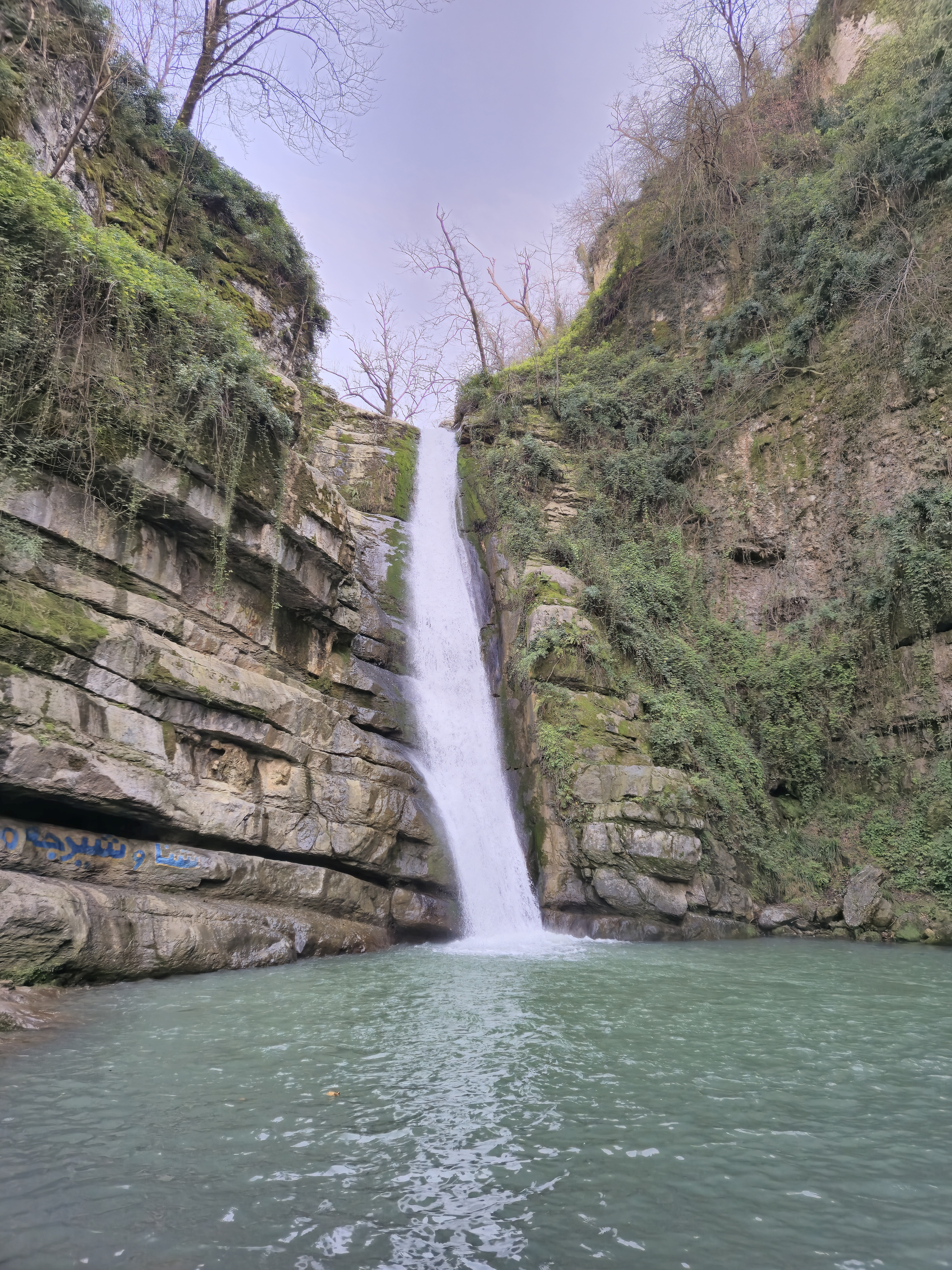
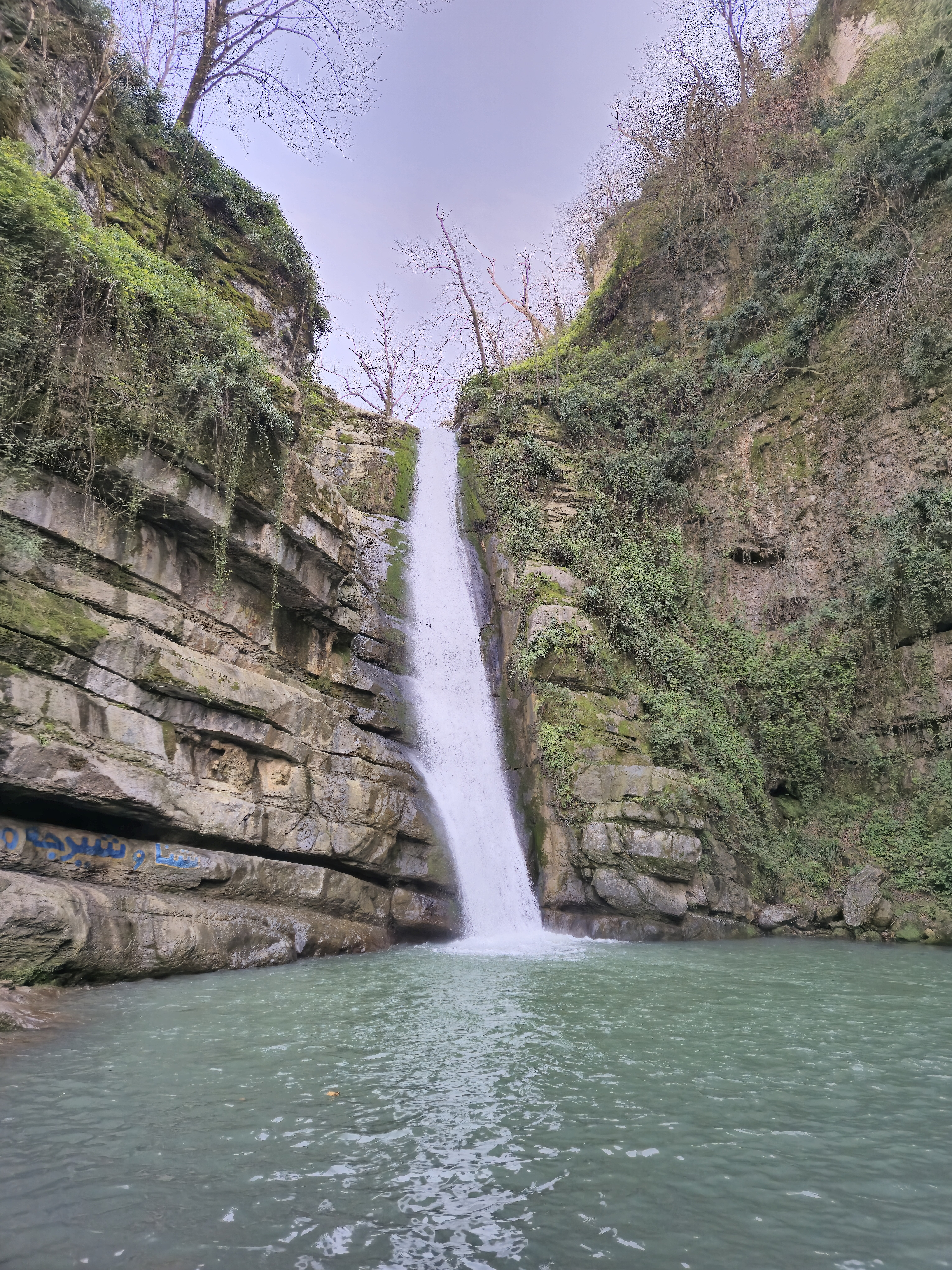
If you’re hunting for off‑the‑beaten‑path natural wonders in Iran, آبشار اول شیرآباد خانببین (First Shirabad Khanbabine Waterfall) should be at the top of your list. Tucked away in the lush forests of Ramian, Golestan Province, this waterfall offers a serene escape from the hustle of city life. With crystal‑clear water tumbling over moss‑covered rocks and a backdrop of verdant hills, it’s a perfect spot for photographers, hikers, and anyone craving a breath of fresh mountain air. In this guide we’ll dive into everything you need to know—history, how to get there, the best season to visit, nearby attractions, and essential travel tips—so you can plan a flawless adventure to this hidden gem.
About آبشار اول شیرآباد خانببین
Description
آبشار اول شیرآباد خانببین is a natural waterfall located at latitude 36.948807 and longitude 55.041241 in the district of Ramian, Golestan Province, Iran. While the exact height and altitude remain undocumented, the cascade is part of the larger شیرآباد خانببین waterfall complex, a series of water flows that have carved a picturesque gorge over centuries. The water source originates from the surrounding forest springs, feeding the falls with cool, clear water that glistens under the sun.
History & Significance
The waterfall and its surrounding forest have long been a part of local folklore. Historically, the Shirābād (meaning “lion’s water”) name reflects the strength and vitality of the water, believed by villagers to possess healing properties. The area was traditionally used for seasonal grazing and as a natural watering point for livestock. In recent years, the site has attracted eco‑tourists and nature lovers, helping to raise awareness about Golestan’s rich biodiversity and the need to preserve its pristine ecosystems.
Cultural Highlights
- Local Legends: Residents tell stories of a “lion spirit” that guards the waters, promising good luck to those who treat the site with respect.
- Traditional Crafts: Nearby villages produce hand‑woven rugs and wooden carvings, often featuring motifs inspired by the waterfall’s flowing lines.
How to Get There
By Air
The nearest major airport is Gorgan International Airport (GSM), about 115 km north of Ramian. From the airport, you can rent a car or catch a shared taxi to the town of Ramian (≈ 90 km).
By Road
- From Gorgan: Take the Road 22 heading south toward Gonbad‑e Qabus, then follow signs for Ramian. The drive takes roughly 1.5 hours on a well‑maintained highway.
- From Tehran: The journey is longer (≈ 800 km). Travel via Freeway 1 to Gorgan, then follow the route above. Expect a 10‑hour drive, so consider an overnight stop in Gonbad‑e Qabus or Aq Qala.
Local Transport
Once in Ramian, you have two options:
- Taxi/Private Car: Hire a local driver for a direct 30‑minute ride to the waterfall’s parking area.
- Public Minibus (Dolati): Look for minibusses heading to Shirābād Khanbabine or Golestan forest villages; they usually stop near the trailhead.
On‑Foot Access
The waterfall is accessible via a short, well‑marked hiking trail (≈ 800 m) from the parking lot. The path is mostly flat with a few gentle slopes, suitable for most fitness levels. Wear sturdy shoes and bring a water bottle.
Best Time to Visit
| Season | Weather | Visitor Experience |
|---|---|---|
| Spring (Mar‑May) | Mild temperatures (15‑22 °C), abundant wildflowers | Ideal for photography; water flow is moderate, and the forest is lush. |
| Summer (Jun‑Aug) | Warm to hot (25‑35 °C) | Waterfall offers refreshing relief; early mornings are less crowded. |
| Autumn (Sep‑Nov) | Cool (10‑18 °C), golden foliage | Spectacular color contrast; water levels may drop slightly. |
| Winter (Dec‑Feb) | Cold (‑2‑5 °C), occasional snow | Water may freeze partially; only adventurous hikers should attempt. |
Peak recommendation: Late spring (April–May) and early autumn (September) provide the most comfortable climate, vibrant scenery, and manageable crowd levels.
What to Expect
Sensory Experience
- Sight: A cascade of sparkling water that disappears into a shallow pool, framed by towering beech and oak trees. Sunlight filters through the canopy, creating dancing light patterns on the water’s surface.
- Sound: A soothing roar that drowns out city noise, mixed with the chirping of birds and rustle of leaves.
- Smell: Fresh, earthy aromas from moss and the surrounding forest floor.
Activities
- Photography: The waterfall’s natural backdrop makes for stunning long‑exposure shots. Bring a tripod for silky water effects.
- Picnicking: Small wooden benches and picnic tables are scattered near the trailhead. Pack a simple lunch and enjoy it by the water’s edge.
- Short Hikes: Continue upstream for an additional 2 km to explore the مجموعه آبشارهای شیرآباد خانببین (Shirābād Khanbabine waterfall complex).
- Birdwatching: The forest hosts species such as the Caspian tit and golden oriole—perfect for avid birders.
Facilities
- Parking: A modest lot (≈ 30 vehicles) near the trailhead.
- Restrooms: Basic pit toilets are available; bring toilet paper.
- Signage: Persian signs guide visitors; a few English placards are being installed by local tourism authorities.
Nearby Attractions
While you’re in the area, consider extending your itinerary to include these natural and cultural highlights (distances measured from the waterfall):
- مجموعه آبشارهای شیرآباد خانببین – A cluster of smaller cascades just 0.8 km away. Ideal for a mini‑waterfall tour.
- چشمه گل رامیان (Ramian Flower Spring) – A pristine spring known for its mineral-rich waters, 6.5 km from the waterfall.
- [Weir 1] – An engineering landmark offering panoramic views of the river, 12.5 km away.
- [Weir 2] – Another historic weir nestled in the hills, 12.8 km distant.
- [Nearby Waterfall] – A lesser‑known waterfall providing a tranquil alternative, 13.1 km away.
For more details, see the Wikipedia entry for the waterfall complex: https://fa.wikipedia.org/wiki/%D8%A2%D8%A8%D8%B4%D8%A7%D8%B1%20%D8%B4%DB%8C%D8%B1%D8%A2%D8%A8%D8%A7%D8%AF
Travel Tips
| Tip | Details |
|---|---|
| Dress in layers | Temperatures shift quickly in the forest; bring a light jacket even in summer. |
| Footwear | Sturdy hiking shoes with good grip are essential—wet rocks can be slippery. |
| Stay hydrated | Carry at least 1 L of water per person, especially during hot months. |
| Respect the environment | Pack out all trash, avoid picking plants, and stay on marked trails. |
| Local currency | Have some Iranian Rials for small purchases; many vendors don’t accept cards. |
| Language | Persian (Farsi) is spoken; learning a few basic phrases (e.g., “سلام” – hello) goes a long way. |
| Safety | Mobile reception can be spotty; let someone know your route and expected return time. |
| Photography etiquette | Ask permission before photographing locals; avoid flash near wildlife. |
| Seasonal gear | In spring, bring a rain jacket; in winter, pack gloves and a hat. |
| Timing | Arrive early (7–8 am) to beat any crowds and capture the best light. |
Final Thought
آبشار اول شیرآباد خانببین may not appear on every mainstream travel brochure, but that’s precisely why it feels like a secret treasure. Its gentle cascade, surrounding forest, and authentic local vibe offer a refreshing break from the usual tourist hotspots. Whether you’re a solo backpacker, a family on a weekend getaway, or a photographer hunting that perfect shot, this waterfall in Golestan promises an unforgettable encounter with Iran’s natural splendor. Pack your gear, follow the trail, and let the whispering waters of Shirābād Khanbabine rejuvenate your spirit.
Keywords: آبشار اول شیرآباد خانببین, Golestan waterfall, Ramian tourism, Iran nature travel, Shirābād Khanbabine waterfalls, travel to Golestan, hidden waterfalls Iran, eco‑tourism Golestan.