آبشار دشتک ابرج – A Hidden Waterfall Gem in Sepidan, Fars Province
Discover the serene cascade that locals cherish, the untouched beauty of the Iranian highlands, and the perfect day‑trip itinerary around Sepidan.
Introduction
If you’re hunting for a waterfall that feels like a secret whispered among locals, look no further than آبشار دشتک ابرج. Tucked away in the lush mountains of Sepidan, Fars, this modest yet mesmerizing cascade offers a cool‑mist escape from the scorching summer heat of southern Iran. Unlike the crowded tourist magnets of Shiraz or the dramatic waterfalls of the north, دشتک ابرج invites you to wander off the beaten path, breathe in pine‑scented air, and let the gentle roar of water set the rhythm for your adventure.
In this guide we’ll dive into everything you need to know—history, how to get there, the best season to visit, what you’ll experience on site, nearby attractions, and practical travel tips—so you can plan a seamless, unforgettable day at one of Fars’ best‑kept natural secrets.
About آبشار دشتک ابرج
A Brief Description
آبشار دشتک ابرج (pronounced Abshar Dashtak Abrij) is a small waterfall located at 30.285748 N, 52.466519 E in the mountainous terrain of Sepidan County. While the exact height and altitude of the cascade remain undocumented, the waterfall is known for its crystal‑clear water that tumbles over rugged limestone, creating a shimmering pool at its base. The surrounding forest is a mix of oak, wild pistachio, and juniper, giving the area a vibrant green carpet that changes colour with the seasons.
Historical and Cultural Significance
The name “دشتک ابرج” combines two Persian words: Dashtak (little plain) and Abrij (a local toponym). Historically, the valley served as a seasonal grazing ground for nomadic Qashqai tribes, who would pause near the waterfall to water their flocks and rest under the shade of ancient trees. Over time, the site became a modest picnic spot for nearby villages, and today it draws hikers, photographers, and families seeking a tranquil natural setting.
Although there is no extensive written record of the waterfall’s past, its presence in local folklore is evident. Elders recount stories of the water spirit (پری آب) that is believed to protect the spring, urging visitors to respect the environment and leave no trace. This cultural reverence helps preserve the waterfall’s pristine condition, making it an authentic glimpse into Iran’s living heritage.
Why It Matters
For travelers, آبشار دشتک ابرج offers more than a photo‑op; it’s a reminder that Iran’s natural beauty extends far beyond its historic cities. The waterfall contributes to the ecological health of the region, feeding downstream streams that support agriculture in Sepidan’s valleys. Its relatively untouched state also makes it a valuable spot for birdwatchers and botanists, as the surrounding woods host several endemic species.
How to Get There
From Shiraz (the Provincial Capital)
-
Drive to Sepidan – Take the Road 65 heading north from Shiraz toward Kazerun. After roughly 120 km, you’ll reach the town of Sepidan (also called Arjan). The drive takes about 2 hours on a well‑maintained highway.
-
Turn Toward Dashtak – From Sepidan, follow the signs for Dashtak Village. The road becomes narrower and more winding as you ascend into the mountains; expect a 30‑minute drive on a paved but curvy route.
-
Parking – A small, unguarded parking lot sits at the trailhead near the village entrance. It can accommodate 10‑15 cars, so arriving early (especially on weekends) is advisable.
Public Transport Options
-
Bus – Intercity buses run from Shiraz’s South Terminal to Sepidan several times daily. Ask the driver to drop you off at the Dashtak stop; you’ll need to arrange a short taxi or local shared jeep (known locally as a sherkat) for the final 5 km to the waterfall trailhead.
-
Taxi – Private taxis from Shiraz to Sepidan are readily available and cost around 200,000 IRR (subject to change). Negotiating a round‑trip fare that includes the short mountain segment is common practice.
On‑Foot Access
From the parking area, a well‑marked footpath leads to the waterfall in about 10‑15 minutes. The trail is moderate in difficulty—mostly gentle inclines with occasional rocky steps—but suitable for most hikers with basic fitness.
Best Time to Visit
| Season | Weather | Water Flow | Visitor Experience |
|---|---|---|---|
| Spring (Mar‑May) | Mild, occasional rain, wildflowers blooming | Moderate to high (snow melt) | Ideal for photography; vibrant foliage |
| Summer (Jun‑Aug) | Warm to hot in valleys, cooler at altitude | Lower flow, but still refreshing | Perfect for a cool dip; less crowded |
| Autumn (Sep‑Nov) | Crisp air, golden leaves | Decreasing flow | Great for tranquil walks; comfortable hiking |
| Winter (Dec‑Feb) | Snow in higher elevations, possible icy paths | Highest flow from meltwater | Scenic but requires proper gear; limited access if roads are snowed |
Peak recommendation: Late spring (April–May) offers the most spectacular water volume, lush vegetation, and comfortable temperatures for trekking. However, if you prefer a quieter experience and don’t mind a gentler cascade, early summer (June) is also excellent.
What to Expect
The Sights and Sounds
As you approach the cascade, the sound of water grows louder, mingling with the rustle of pine needles. The waterfall itself forms a narrow veil of water that splashes onto a shallow pool, creating a natural mist that cools the surrounding air. Sunlight filtering through the canopy produces a dazzling array of rainbows—an Instagram‑worthy moment that many travelers cherish.
Wildlife & Flora
- Birds: Look out for the Caucasian Stonechat, Eurasian Wryneck, and occasional Golden Eagle soaring overhead.
- Plants: The banks are dotted with wild pistachio (Pistacia atlantica), oak saplings, and bright bluebell clusters in spring.
Activities
- Picnicking: Bring a simple lunch; the flat stones near the pool make a natural seating area.
- Photography: Early morning light (7–9 am) offers soft illumination, while late afternoon creates dramatic shadows.
- Short Hikes: A loop trail continues upstream for another 2 km, leading to a viewpoint overlooking the valley—ideal for a quiet moment of contemplation.
Facilities
There are no built‑in facilities (toilets, cafés, or souvenir stalls) at the waterfall, preserving its natural charm. Pack out all trash, and consider carrying a portable water bottle and a light snack.
Nearby Attractions
While آبشار دشتک ابرج can easily fill a half‑day, the surrounding area offers several points of interest within a short drive:
- Weir (9.2 km) – A modest irrigation structure that showcases traditional Persian water management.
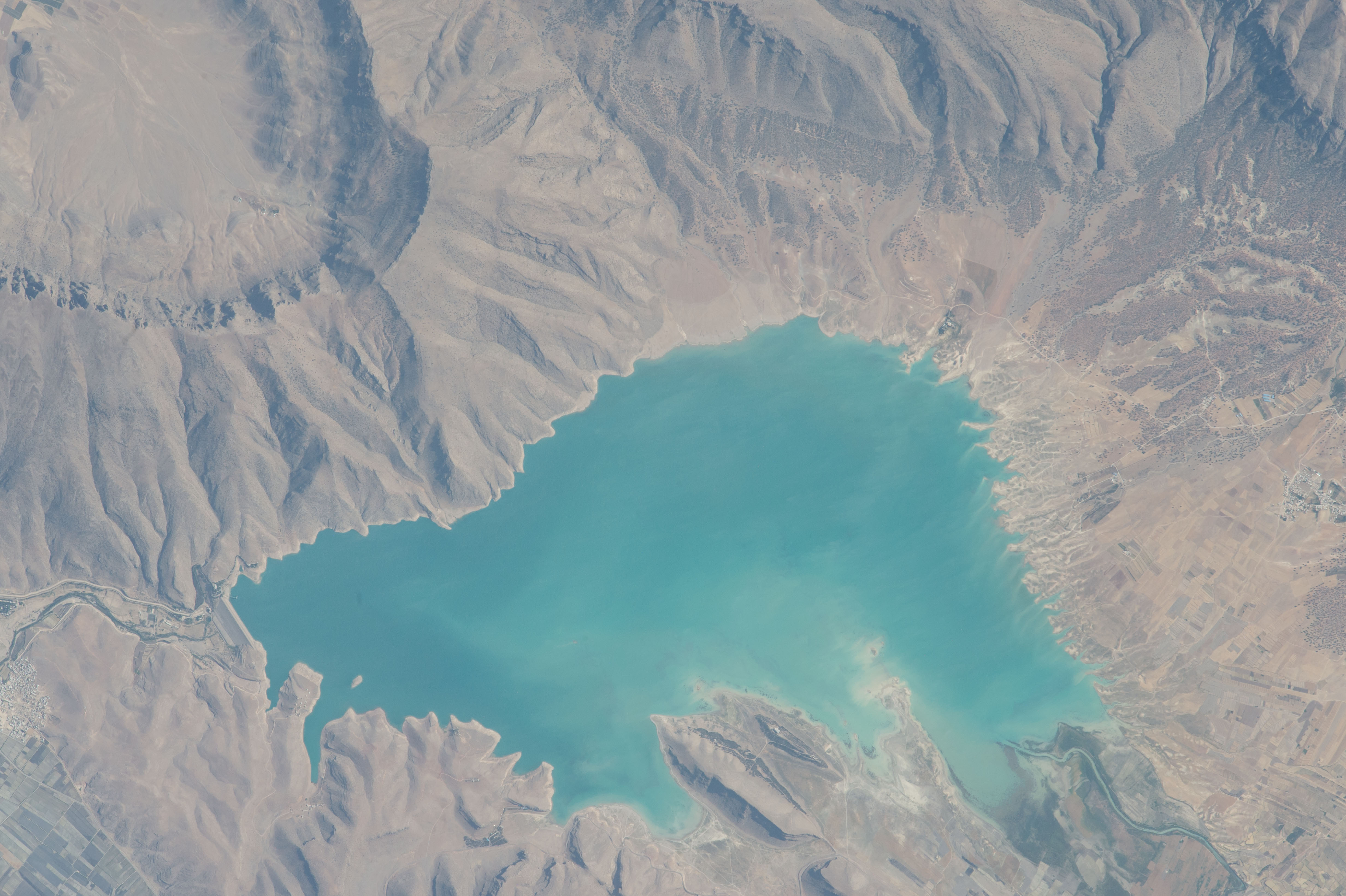
- سد درودزن (Dam) – 9.8 km & 9.9 km – This dam creates a serene reservoir ideal for birdwatching and sunset reflections.
- بند خاکی امامزاده اسماعیل (Emamzadeh Ismail Earth Dam) – 10.9 km – An earthen dam surrounded by olive groves; a peaceful spot for a short walk.
- سد درودزن (Dam) – 13.6 km – Another viewpoint of the same reservoir, offering a slightly higher elevation for panoramic shots.
Quick links:
These sites can be combined into a full‑day loop: start at the waterfall, head to the Doroudzan Dam for lunch by the water, then finish with a gentle stroll around the earth dam before returning to Sepidan.
Travel Tips
| Tip | Details |
|---|---|
| Dress Appropriately | Wear breathable layers; a light rain jacket helps if you get caught in the waterfall’s mist. |
| Footwear | Sturdy, non‑slip hiking shoes or trail sandals with good grip are essential on the rocky path. |
| Timing | Arrive early (7–8 am) during weekends or holidays to avoid the small crowd that gathers later. |
| Navigation | Mobile signal can be spotty. Save the GPS coordinates 30.285748, 52.466519 in your phone before you set off. |
| Food & Water | Bring enough water (at least 1 L per person) and snacks; there are no shops nearby. |
| Respect the Environment | Follow the “Leave No Trace” principle: pack out all trash, stay on marked trails, and avoid picking plants. |
| Safety | The pool can be slippery; supervise children closely. In winter, icy rocks may be hazardous—consider postponing if conditions are severe. |
| Photography | Use a polarizing filter to reduce glare on the water, and a wide‑angle lens to capture the surrounding forest. |
| Local Etiquette | A friendly “Salam” to villagers is appreciated. If you encounter a shepherd, a small purchase of local dairy (like fresh kashk) can be a pleasant cultural exchange. |
Final Thoughts
آبشار دشتک ابرج may not have the towering height of Iran’s famous waterfalls, but its charm lies in the intimate connection it offers between water, forest, and the gentle rhythm of rural life. Whether you’re a seasoned trekker, a photography enthusiast, or simply a traveler yearning for a quiet spot to unwind, this hidden cascade in Sepidan delivers a memorable experience that feels both timeless and refreshingly modern.
Pack your sense of adventure, respect the natural sanctuary, and let the cool mist of دشتک ابرج rejuvenate your spirit. Safe travels!