تاج سد خدا آفرین – A Hidden Gem in East Azerbaijan, Iran
Discover the serene beauty of Taj Sad Khoda Afarin, the peaceful dam that blends engineering marvels with untouched nature in the heart of East Azerbaijan.
1. Introduction
If you’re charting a road‑trip across Iran’s north‑west, chances are you’ll hear about the bustling bazaars of Tabriz, the historic castles of Kandovan, or the alpine lakes of Arasbaran. Yet, tucked away near the modest village of Khomarlu lies a lesser‑known treasure that promises a tranquil escape: تاج سد خدا آفرین (Taj Sad Khoda Afarin).
The name itself—Khoda Afarin meaning “God‑created” or “Divine creation”—hints at the awe‑inspiring scenery that surrounds this dam. Whether you’re a photography enthusiast, a nature lover, or a traveler seeking off‑the‑beaten‑path experiences, Taj Sad Khoda Afarin offers a perfect blend of gentle water vistas, fresh mountain air, and the subtle charm of rural Iranian life.
In this guide, we’ll walk you through everything you need to know to make the most of your visit: the dam’s story, how to get there, the best seasons to explore, what you’ll see on‑site, nearby attractions, and practical travel tips. Let’s dive in!
2. About تاج سد خدا آفرین
A Brief Description
- Type: Dam (🏗️)
- Location: Khomarlu, East Azerbaijan Province, Iran
- Coordinates: 39.159846 N, 46.934902 E
- Height & Altitude: Not publicly disclosed (the structure blends seamlessly into the surrounding hills)
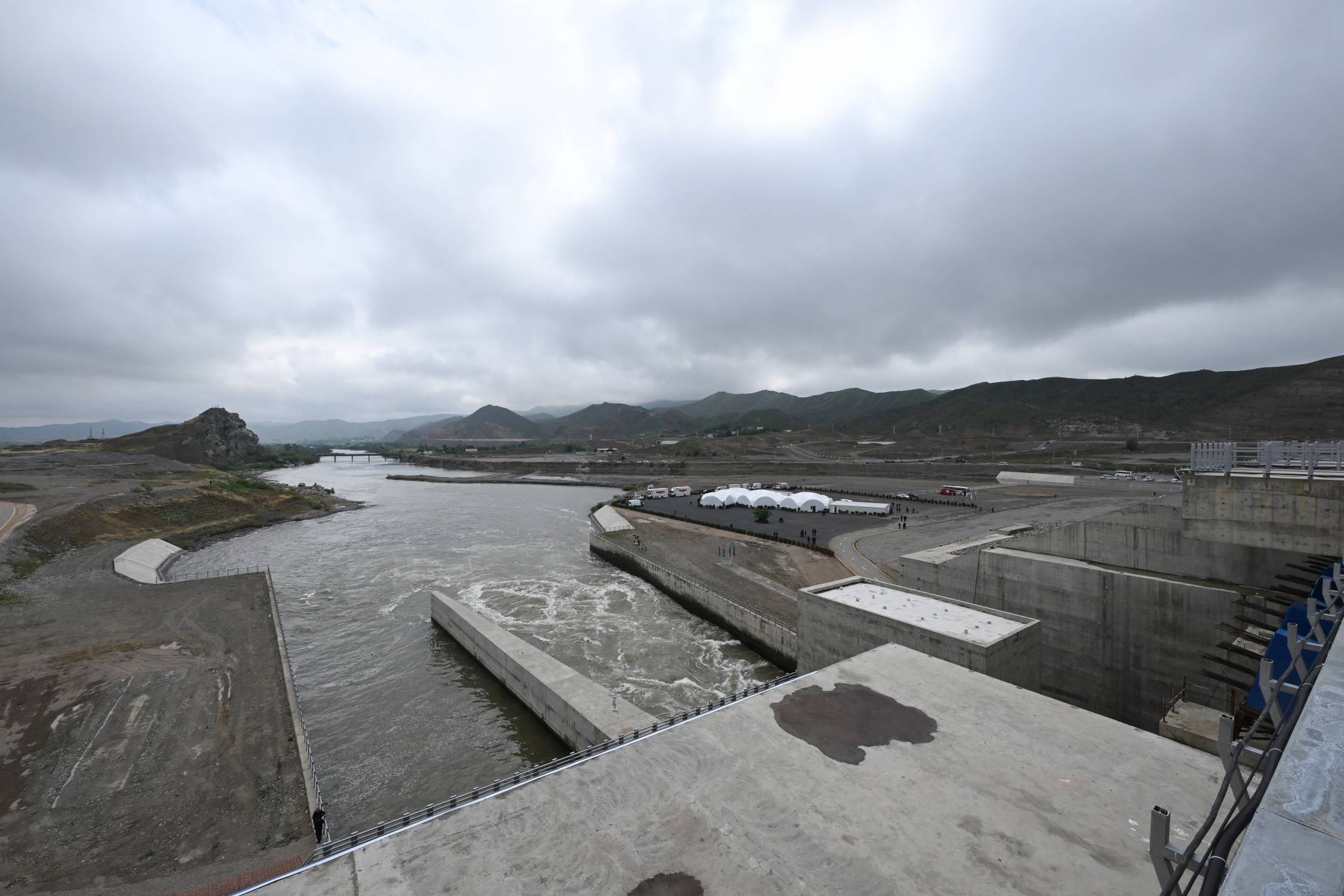
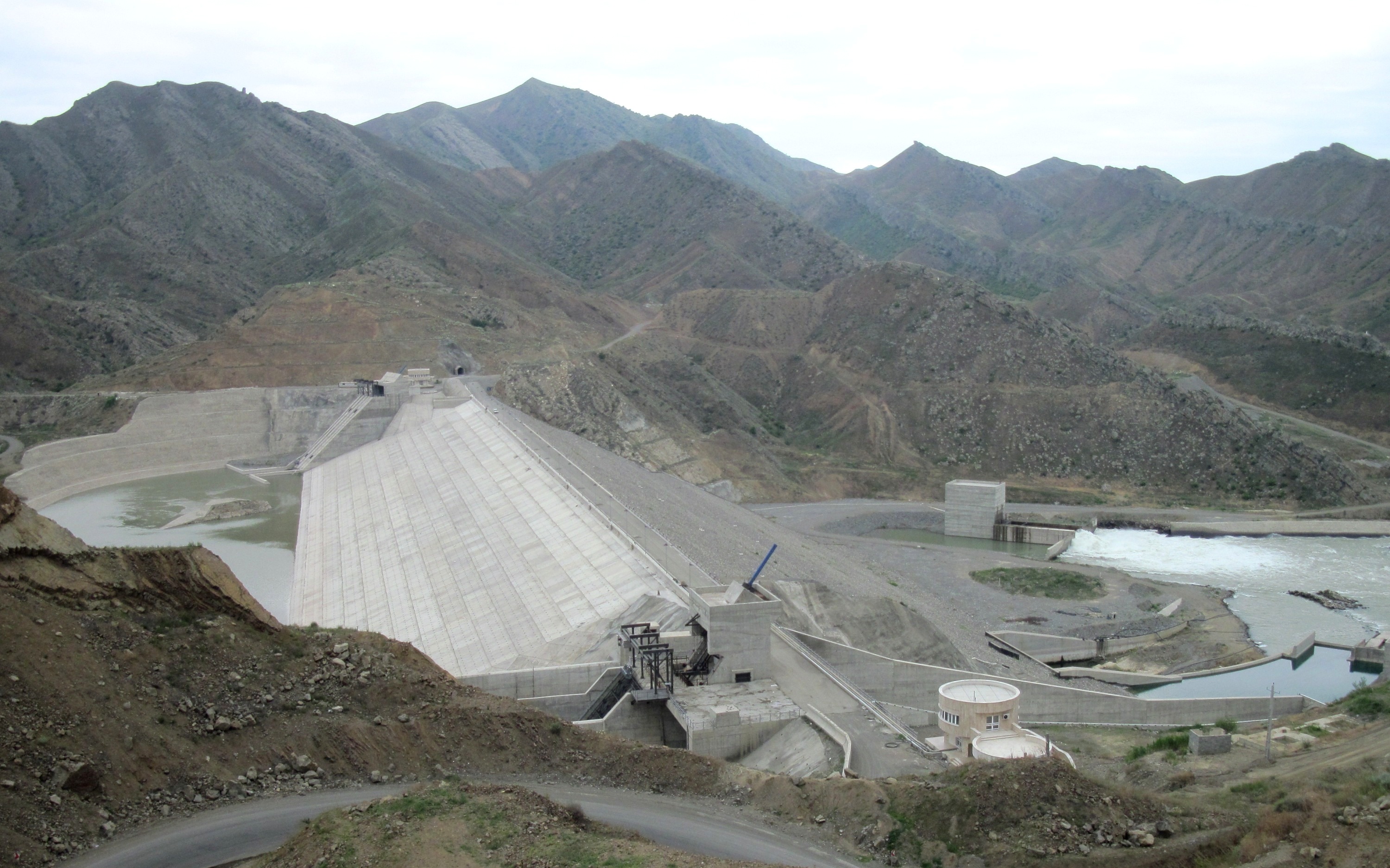
Taj Sad Khoda Afarin is a modest‑size dam built primarily for water storage and irrigation, supporting the agricultural lands of the Khomarlu district. Though it lacks the towering stature of Iran’s mega‑dams such as Karun‑3, its modest scale is precisely what makes it a serene spot for visitors. The reservoir’s calm surface mirrors the sky and the rugged foothills, creating a picture‑perfect setting for sunrise or sunset photography.
Historical Context
The dam’s name reflects a cultural reverence for nature common throughout the Azerbaijani‑speaking regions of Iran. While official records on its construction date are scarce, local oral histories suggest it was completed in the late 20th century as part of a regional development plan to boost irrigation for nearby farms. Over the decades, the reservoir has become an informal gathering place for villagers, especially during the hot summer months when the water’s cool breeze offers relief from the sun.
Why It Matters
- Ecological Value: The reservoir supports a small but vibrant ecosystem of native fish, waterfowl, and riparian vegetation.
- Cultural Significance: The dam is a symbol of community resilience—an engineering project that directly improves local livelihoods.
- Tourism Potential: Its tranquil environment, combined with panoramic mountain views, makes it an ideal spot for eco‑tourism, bird‑watching, and low‑impact recreation.
For more background, you can check the Persian Wikipedia entry: سد خداآفرین.
3. How to Get There
By Air
The nearest major airport is Tabriz International Airport (TBZ), about 150 km (≈ 2 hours by car) southeast of Khomarlu. From Tabriz, you can rent a car or arrange a private transfer.
By Train
The Tabriz–Ahar railway line passes through the region, with a stop at Ahar Station (≈ 90 km from Khomarlu). From Ahar, local taxis or shared minibusses (known locally as savaris) can take you to Khomarlu village.
By Road
- From Tabriz: Take the Ahar‑Marand Highway (Road 15) eastward, then follow signs for Khomarlu via the Qareh Dagh mountain pass. The route is well‑paved and offers scenic vistas of rolling hills and farmlands.
- From Ahar: Drive north on Road 16 for about 30 km, then turn left onto the local road that leads directly to the dam site.
Parking & Access
A small parking lot sits near the dam’s visitor area—enough for a few cars and motorbikes. The site is open year‑round, and there is no entrance fee. A short, well‑marked footpath leads from the parking area down to the water’s edge, where you can safely walk along the reservoir’s shoreline.
4. Best Time to Visit
| Season | Weather | Why Visit |
|---|---|---|
| Spring (March‑May) | Mild temperatures (15‑22 °C), occasional rain showers | Wildflowers bloom across the surrounding meadows, and the water level is high, creating vibrant reflections. |
| Summer (June‑August) | Warm to hot (25‑35 °C) | Ideal for picnics by the water; early mornings and evenings are pleasantly cool. |
| Autumn (September‑November) | Cool, crisp air (10‑18 °C) | The foliage turns golden‑brown, offering spectacular contrast against the blue reservoir. |
| Winter (December‑February) | Cold (below 0 °C at night), occasional snowfall | The dam and nearby hills are dusted with snow, creating a peaceful, almost mystical atmosphere. |
Peak visitor months are April–May and September–October, when the weather is comfortable for walking and photography. If you prefer solitude, consider visiting in early winter (late November) when few tourists are around but the paths remain accessible.
5. What to Expect
Visual Highlights
- Mirror‑Like Waters: On calm days, the reservoir acts as a natural mirror, reflecting the surrounding peaks and sky—perfect for long‑exposure photography.
- Mountain Backdrop: The dam sits at the foot of the Qareh Dagh (Black Mountain) range, offering a dramatic backdrop of rugged limestone cliffs.
- Local Life: You’ll often see farmers bringing water for irrigation, children playing near the shore, and elderly villagers chatting on benches—authentic slices of rural Iranian life.
Activities
- Photography & Sketching: The interplay of water, light, and mountains provides endless creative opportunities.
- Picnicking: Bring a simple lunch—local cheese, fresh bread, and tea—and enjoy it on the grassy banks.
- Bird‑watching: Look out for native species such as the Eurasian Reed Warbler, Great Reed Warbler, and occasional White‑throated Kingfisher.
- Light Hiking: A short trail leads from the dam up to a viewpoint overlooking the reservoir; the hike is gentle (≈ 15 minutes) and suitable for all ages.
Amenities
Facilities are minimal—there is a small shaded pavilion with benches, a public restroom, and a water tap for travelers. Bring your own supplies, especially if you plan to stay longer than a couple of hours.
6. Nearby Attractions
While Taj Sad Khoda Afarin can easily fill a half‑day, the surrounding region boasts several noteworthy sites within a short drive. Here’s a quick guide, complete with clickable links for further research:
| Attraction | Distance | Type | Why Visit |
|---|---|---|---|
| Qız Qalası (Girl’s Castle) – Dam | 8.8 km | Historic dam & fortress ruins | Explore an ancient stone fortress perched on a hill, offering panoramic views of the valley. |
| [Unnamed Fountain] | 15.2 km | Fountain (Zangilan Rayon, Azerbaijan) | A charming water feature that reflects traditional Azerbaijani stonework. |
| چشمه (Spring) | 16.4 km | Natural spring | Refresh with crystal‑clear spring water and enjoy a shaded picnic area. |
| Qaradagh National Park – Waterfall | 28.5 km | National park & waterfall | Hike through protected forest trails to reach a spectacular waterfall cascading into a turquoise pool. |
| [Unnamed Spring] | 29.1 km | Spring | Another pristine spring ideal for a quick stop and photo session. |
Tip: Combine the dam visit with a day‑trip to Qaradagh National Park for a blend of water scenery and forest hiking. The park’s well‑marked trails are family‑friendly and provide opportunities to spot local wildlife.
7. Travel Tips
| Tip | Details |
|---|---|
| Dress Comfortably | Layered clothing works best—mornings can be cool, especially in spring and autumn. Sturdy walking shoes are recommended for the short trail to the viewpoint. |
| Stay Hydrated | Although the dam provides fresh water, bring bottled water for longer hikes, especially in summer heat. |
| Respect Local Customs | The area is predominantly Azerbaijani‑speaking and Muslim. Modest dress (covering shoulders and knees) is appreciated, particularly when interacting with villagers. |
| Photography Etiquette | Ask permission before photographing locals, especially elderly residents. The landscape itself is public, but personal privacy matters. |
| Cash is King | Small villages around Khomarlu may not accept cards. Carry enough Iranian Rials for snacks, a quick meal, or small souvenirs. |
| Timing | Arrive early (around sunrise) for the best light and to avoid any midday crowds that may gather for picnics. |
| Safety | The water’s edge can be slippery after rain. Keep an eye on children and avoid swimming, as there are no lifeguard services. |
| Connectivity | Mobile signal is generally good in Khomarlu, but expect occasional dead zones near the dam. Download offline maps beforehand. |
| Environmental Responsibility | Pack out all trash. The area’s natural beauty relies on visitors’ respect for the environment. |
Final Thoughts
Taj Sad Khoda Afarin may not have the fame of Iran’s grand historical sites, but its quiet charm, striking natural setting, and genuine local atmosphere make it a rewarding stop for any traveler exploring East Azerbaijan. Whether you’re chasing sunrise reflections, seeking a peaceful spot to unwind, or simply want to experience a slice of rural Iranian life, this “God‑created” dam offers a memorable, low‑key adventure.
Pack your camera, hit the road, and let the gentle ripple of the reservoir guide you to a hidden oasis you’ll cherish long after you leave. Safe travels!