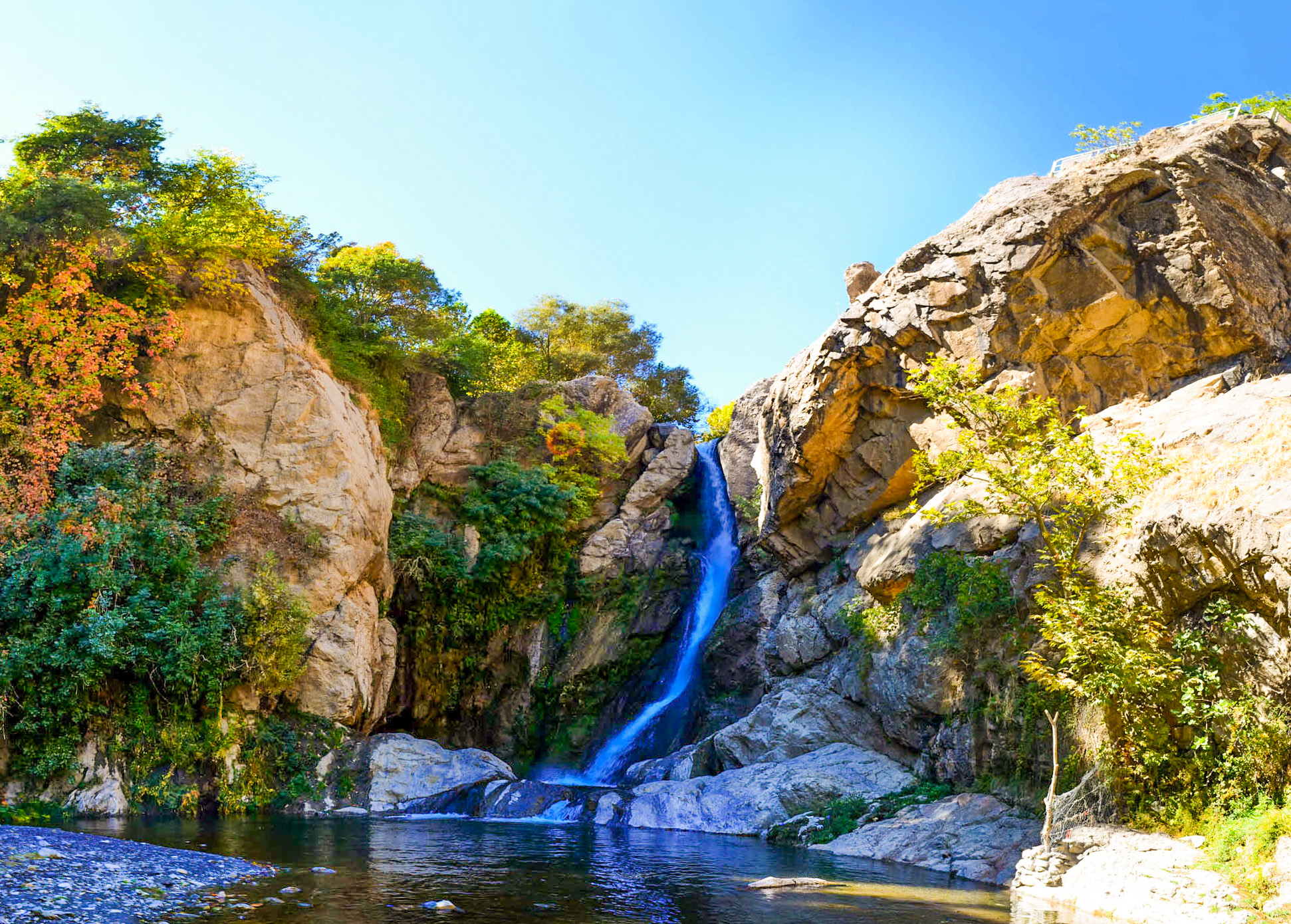
آبشار شلماش – A Hidden Waterfall Gem in Sardasht, West Azerbaijan
Discover the tranquil cascade that locals cherish and travelers are only just beginning to explore.
Introduction
If you think Iran’s natural wonders are limited to deserts and towering mountains, think again. Nestled in the rugged terrain of Sardasht, West Azerbaijan (coordinates 36.097973, 45.493940) lies آبشار شلماش – a serene waterfall that feels like a secret whispered by the wind. Far from the crowded tourist routes of Tehran or Isfahan, this waterfall offers a pure, unspoiled experience for hikers, photographers, and anyone craving a moment of calm amidst the wild. In this guide, we’ll take you through everything you need to know to make the most of a visit to آبشار شلماش, from how to get there to the best time to soak in its misty charm.
About آبشار شلماش
What is آبشار شلماش?
آبشار شلماش (pronounced Shal‑Mash Waterfall) is a natural cascade that tumbles over a series of rocky ledges, creating a series of milky‑white streams that blend into the surrounding forest. While the exact height and altitude of the waterfall remain undocumented, its presence is unmistakable: the constant roar of water, the lush moss that clings to the rocks, and the cool, refreshing spray that greets every visitor.
A Brief History & Local Significance
The waterfall has been part of the local landscape for centuries, referenced in regional folklore and oral histories. The name “شلماش” is thought to derive from an old Kurdish or Azeri term describing the sound of water flowing over stone. For the people of Sardasht, the waterfall is more than a scenic spot—it’s a place of gathering, a source of fresh water for nearby farms, and a natural landmark that marks the boundary between the higher mountains and the fertile valleys below.
Although there is no dedicated Wikipedia article in English, you can read the Persian entry for more background: آبشار شلماش on Wikipedia (fa).
Why It’s Worth the Trip
- Authenticity – No commercial cafés or souvenir stalls; just raw nature.
- Photography – The interplay of sunlight, mist, and surrounding greenery creates perfect photo opportunities, especially during early morning or late afternoon.
- Peaceful Hiking – The trail to the waterfall is relatively gentle, making it suitable for families and casual walkers.
How to Get There
From Tehran
- Fly to Urmia or Khoy – The nearest airports are Urmia International Airport (OMI) and Khoy Airport (GSM). Both have regular domestic flights from Tehran’s Imam Khomeini Airport.
- Rent a Car – A compact SUV is ideal for the mountainous roads. From Urmia, follow the A45 highway toward Sardasht (≈ 210 km, about 3 hours). From Khoy, the drive is shorter (≈ 140 km).
From Sardasht City Center
- By Car – The waterfall is roughly 15 km north of Sardasht town. Take the main road toward Kani Molla Owareh (a nearby fountain) and follow the signposts for “آبشار شلماش”. The last kilometer is a dirt track, but it’s well‑marked and navigable with a standard vehicle.
- By Local Taxi – Taxis are inexpensive and can be hired for a round‑trip. Negotiate the price beforehand (≈ 30,000–40,000 IRR).
Public Transport (If You’re Adventurous)
- Bus – Inter‑city buses run from Sardasht to the village of Kani Molla Owareh. From there, you’ll need to hike about 2 km along a marked trail to reach the waterfall.
- Hiking – For the truly adventurous, a 6‑km trek from the Sardasht Dam (سد سردشت) leads you through pine forests straight to the cascade.
Practical Tips
| Item | Recommendation |
|---|---|
| Fuel | Fill up in Sardasht; gas stations are sparse beyond the town. |
| Road Condition | Mostly paved until the last 2 km; expect a gravel surface. |
| Parking | A small parking area exists near the trailhead – arrive early in peak season. |
Best Time to Visit
| Season | Conditions | Why Visit |
|---|---|---|
| Spring (March‑May) | Snowmelt swells the flow; wildflowers carpet the valley. | The waterfall is at its most powerful, and the surrounding flora is vibrant. |
| Early Summer (June‑July) | Warm days, moderate water volume. | Ideal for picnics and longer hikes; less crowd than July‑August. |
| Autumn (September‑October) | Cooler temperatures, golden foliage. | Photographers love the soft light and colorful leaves. |
| Winter (Nov‑Feb) | Possible ice formation; water flow reduced. | For the intrepid, a quiet, snow‑covered landscape can be magical, but be prepared for icy trails. |
Peak visitation occurs in late spring, so if you prefer solitude, aim for early June or late September.
What to Expect
The Senses
- Sound – A continuous, soothing roar that drowns out city noise.
- Sight – Crystal‑clear water cascading over layered basalt, framed by pine and oak trees. In sunny weather, rainbows often appear in the mist.
- Touch – The cool spray on your skin; the smooth, wet rocks underfoot.
Trail Experience
The path to آبشار شلماش is a moderately easy hike, roughly 2.5 km round‑trip from the parking area. The trail is a mix of compacted earth and natural stone steps. Along the way, you’ll encounter small streams, occasional wooden bridges, and informative signs placed by local volunteers.
Facilities
- Restrooms – Simple pit toilets near the parking lot.
- Picnic Area – A shaded spot with benches and a small fire pit (use only during permitted hours).
- No Commercial Vendors – Bring your own food, water, and waste bags.
Nearby Attractions
While آبشار شلماش is the star of the show, the surrounding region offers several other natural wonders worth exploring:
| Attraction | Distance from آبشار شلماش | Type | Quick Link |
|---|---|---|---|
| Fountain (Unnamed) | 5.8 km | Fountain | View on Map |
| کانی ملا اواره | 6.2 km | Fountain | Explore کانی ملا اواره |
| سد سردشت (Sardasht Dam) | 6.7 km | Dam | Sardasht Dam Details |
| چشمه (Unnamed Fountain) | 7.8 km | Fountain | Nearby چشمه |
| کانی (Unnamed Fountain) | 9.8 km | Fountain | کانی Spot |
These sites can be combined into a day‑trip itinerary: start with the waterfall in the morning, head to Sardasht Dam for a picnic by the reservoir, and finish with a leisurely visit to the nearby fountains for a refreshing dip.
Travel Tips
- Dress Appropriately – Wear quick‑dry clothing and sturdy hiking shoes with good grip. The trail can become slippery after rain.
- Carry Enough Water – While the waterfall provides fresh water, it’s not treated for drinking. Bring bottled water or a portable filter.
- Respect the Environment – Pack out all trash, stay on marked paths, and avoid disturbing wildlife. The area is a protected natural site.
- Timing – Arrive early (before 10 am) during peak seasons to avoid crowds and enjoy softer light for photography.
- Safety – The water flow can be strong in spring; keep a safe distance from the edge of the plunge pool. Children should be supervised at all times.
- Connectivity – Mobile signal is limited; download offline maps (Google Maps or Maps.me) before you set off.
- Currency – Small cash (Iranian Rial) is useful for taxi fares or buying snacks in Sardasht. Credit cards are not accepted in rural areas.
Final Thoughts
آبشار شلماش may not appear on every travel brochure, but that’s precisely what makes it a must‑see for the intrepid explorer. Its gentle cascade, surrounding pine‑covered hills, and the sense of stepping into a quiet, untouched corner of Iran create a memory that lingers long after you leave. Whether you’re a seasoned hiker, a photography enthusiast, or simply someone looking to escape the city’s hustle, a day spent at this hidden waterfall will reward you with serenity, natural beauty, and a deeper appreciation for West Azerbaijan’s lesser‑known treasures.
Pack your backpack, charge your camera, and let the sound of آبشار شلماش guide you to a hidden oasis you’ll cherish forever.
Keywords: آبشار شلماش, waterfall in West Azerbaijan, Sardasht attractions, Iran waterfalls, travel to Sardasht, nature hiking Iran, hidden waterfalls Iran, best time to visit Sardasht waterfall.