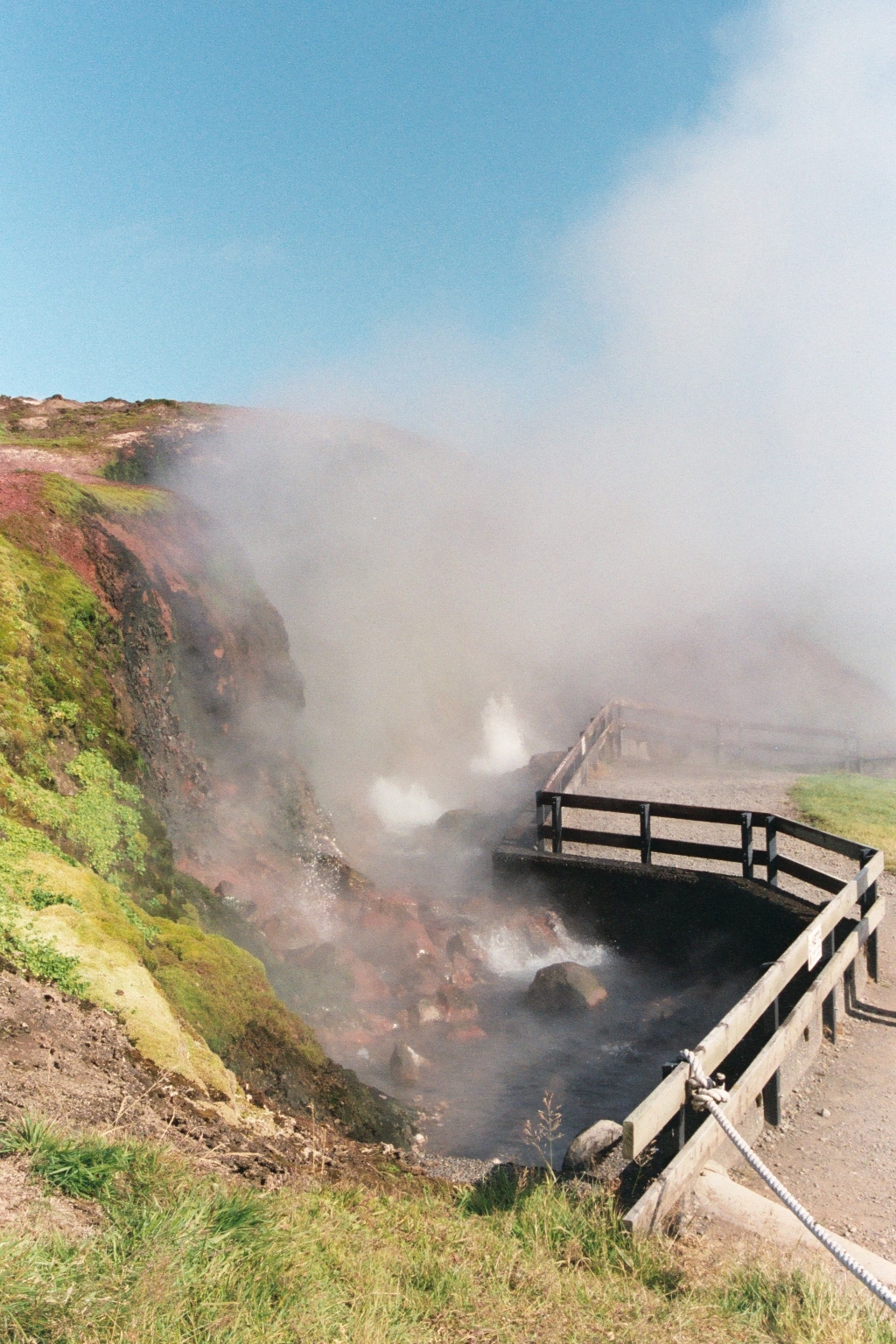
Deildartunguhver: Iceland’s Mighty West Iceland Spring
Discover the power of nature at Deildartunguhver, a geothermal marvel tucked into the rugged beauty of West Iceland.
Introduction
Imagine standing beside a steaming river of crystal‑clear water that gushes out of the earth with the force of a small waterfall. The air is warm, the scent of mineral‑rich steam fills your lungs, and the surrounding landscape feels both ancient and alive. This is Deildartunguhver, the most powerful hot spring in Iceland and a must‑see stop for any traveler exploring the West Iceland region. Whether you’re a geothermal enthusiast, a road‑trip adventurer, or simply looking for a unique photo‑op, Deildartunguhver offers an unforgettable glimpse into the island’s volcanic heart.
About Deildartunguhver
- Location: Borgarnes, West Iceland
- Coordinates: 64.663625 N, ‑21.410587 W
- Type: Geothermal spring (hot spring)
Deildartunguhver (pronounced “Deyl‑da‑r‑tung‑uh‑ver”) translates roughly to “the spring that thunders.” True to its name, the spring erupts with a steady, high‑volume flow of hot water that has been harnessed for more than a century to heat nearby towns, farms, and even the historic Borgarnes community.
A Brief History
The spring’s power was first recognized by local farmers in the early 1900s, who began diverting its water to supply heat for homes and greenhouses. In the 1930s, a small hydro‑thermal plant was built, turning Deildartunguhver into one of Iceland’s earliest renewable‑energy projects. Today, the spring still feeds a district‑heating system that supplies hot water to Borgarnes and the surrounding countryside, showcasing Iceland’s long‑standing commitment to sustainable energy.
Why It Matters
- Geothermal Significance: Deildartunguhver is a living laboratory for geothermal science, illustrating how volcanic activity can be turned into clean, reliable heat.
- Cultural Icon: The spring is featured on many Icelandic travel guides and postcards, symbolizing the country’s rugged natural power.
- Tourist Magnet: Its dramatic plume of steam and the soothing sound of rushing water make it a favorite stop for road‑trippers cruising the Ring Road or exploring West Iceland’s scenic routes.
How to Get There
By Car
The most flexible way to visit Deildartunguhver is by renting a car and driving the well‑maintained Icelandic road network.
-
From Reykjavík:
- Take Route 1 (the Ring Road) northward for about 70 km (≈ 45 mi).
- Exit onto Route 35 toward Borgarnes.
- Follow the signs for Deildartunguhver, which is just a few kilometers outside the town center. -
From Borgarnes:
- The spring sits only 2–3 km west of the town, reachable via a short, clearly marked road. Parking is available at a small lot near the visitor area.
By Bus
Public transport options are limited but available during the summer tourist season. The Strætó bus line runs from Reykjavík to Borgarnes; from there, a local taxi or a short walk (≈ 30 minutes) will bring you to the spring.
By Guided Tour
Many Reykjavik‑based tour operators include Deildartunguhver in their West Iceland itineraries, often pairing it with nearby waterfalls and the historic town of Borgarnes. Booking a guided day tour can be a hassle‑free way to learn about the spring’s geology and history from a knowledgeable guide.
Best Time to Visit
Summer (June – August)
- Pros: Long daylight hours (up to 24 h of twilight), mild temperatures (10‑15 °C), and fully open visitor facilities.
- Cons: Higher visitor numbers; expect a few crowds, especially on weekends.
Shoulder Seasons (May & September)
- Pros: Fewer tourists, vibrant spring wildflowers or early autumn colors, and comfortable weather for hiking.
- Cons: Some seasonal services (e.g., cafés) may have reduced hours.
Winter (October – April)
- Pros: The contrast of steaming hot water against snow‑covered terrain creates a magical, photogenic scene.
- Cons: Short daylight (4‑6 h), icy road conditions, and limited parking. If you travel in winter, ensure your rental car has proper tires and check road alerts.
SEO tip: Search terms like “Deildartunguhver summer visiting hours” or “best time to see Deildartunguhver winter” are popular among travelers planning their Iceland itinerary.
What to Expect
When you arrive, you’ll be greeted by a steady plume of steam rising from a pool of turquoise‑blue water that looks almost otherworldly against the surrounding moss‑covered lava fields. The water temperature is hot enough to steam a cup of coffee, yet the flow is gentle enough that you can walk safely along the designated boardwalks.
- Sensory Experience: Feel the warm mist on your face, hear the constant hiss of water hitting the rocks, and smell the faint mineral scent that only geothermal sites possess.
- Educational Displays: Small information panels explain the spring’s geothermal mechanism, its role in local heating, and its environmental importance.
- Photo Opportunities: The contrast of steam against a clear sky, especially during sunrise or sunset, makes for striking photos. A wide‑angle lens captures the full scope of the spring, while a macro lens can highlight the mineral deposits on the rocks.
Nearby Attractions
Deildartunguhver sits in a cluster of natural wonders that are perfect for a day‑trip itinerary. All distances are measured from the spring.
| Attraction | Type | Distance | Quick Link |
|---|---|---|---|
| (Unnamed) Spring | Spring | 2.8 km | — |
| Klettsfoss | Waterfall | 4.1 km | Klettsfoss Waterfall |
| Neðstifoss | Waterfall | 4.9 km | Neðstifoss Waterfall |
| Fúsafoss | Waterfall | 5.0 km | Fúsafoss Waterfall |
| Maríuerlufoss | Waterfall | 5.0 km | Maríuerlufoss Waterfall |
Suggested Route: After soaking in the sights at Deildartunguhver, head east toward Klettsfoss for a short hike to a tiered cascade, then continue north to Neðstifoss and Fúsafoss, both offering dramatic drops and excellent picnic spots. End your day at Maríuerlufoss, a serene waterfall that’s perfect for sunset reflections.
Travel Tips
| Tip | Details |
|---|---|
| Dress in layers | Even in summer, the micro‑climate around the spring can be cool and damp. A waterproof jacket and sturdy hiking boots are advisable. |
| Mind the boardwalks | The path can be slippery from spray. Stay on the marked walkways to protect both yourself and the fragile moss. |
| Parking | The free parking lot fills quickly during peak hours. Arrive early (before 10 am) in summer for a guaranteed spot. |
| Timing for photos | Early morning or late afternoon light reduces glare on the water and highlights the steam’s texture. |
| Stay connected | Mobile coverage is generally good along Route 35, but signal can drop near the spring. Download offline maps (e.g., Google Maps offline area) before you go. |
| Respect the environment | Do not touch the hot water or attempt to bathe—temperatures are dangerously high. Pack out all trash. |
| Combine with a local meal | The nearby town of Borgarnes offers fresh Icelandic fish and lamb dishes. Try the Borgarnes Lamb Soup for a hearty post‑visit meal. |
| Check road conditions | Visit the Icelandic Road and Coastal Administration site (road.is) for real‑time updates, especially in winter. |
| Currency & Payments | Credit cards are accepted at most cafés and fuel stations; cash is rarely needed. |
Final Thought
Deildartunguhver isn’t just a stop on the map; it’s a living testament to Iceland’s volcanic energy and sustainable spirit. From the thundering steam that gives the spring its name to the gentle warmth that powers nearby homes, this West Iceland gem invites you to witness nature’s force up close. Pair it with the surrounding waterfalls, enjoy a bite of local cuisine in Borgarnes, and you’ll have a day‑long adventure that captures the essence of Icelandic travel.
Ready to add Deildartunguhver to your itinerary? Search “Deildartunguhver travel guide” or “West Iceland geothermal spring” for more planning resources, and start counting down the days until you feel the steam on your skin and hear the roar of Iceland’s most powerful spring. Safe travels!