Þórufoss Waterfall – A Hidden Gem in South Iceland
Discover the 12‑metre cascade that quietly charms hikers, photographers, and anyone seeking Iceland’s raw nature.
Introduction
If you’ve trekked the famous Golden Circle or chased the thunderous roar of Seljalandsfoss, you might think you’ve seen every waterfall Iceland has to offer. Yet tucked just outside the geothermal town of Hveragerði lies a modest yet mesmerizing cascade that many travelers overlook: Þórufoss. At 12 m tall, this waterfall doesn’t compete for height, but its serene setting, crystal‑clear plunge pool, and easy accessibility make it a perfect stop for a day‑trip or a peaceful pause on a longer road‑trip through South Iceland. In this guide, we’ll walk you through everything you need to know to experience Þórufoss like a local—how to get there, the best season to visit, what you’ll see, and nearby attractions that can round out your itinerary.
About Þórufoss
Þórufoss (pronounced “Thor-oo-foss”) is a small, single‑drop waterfall located at latitude 64.260842, longitude ‑21.369973 in the municipality of Hveragerði, South Iceland. The name combines the Old Norse god Þórr (Thor) with the Icelandic word foss (waterfall), hinting at the mythic power that even a modest cascade can hold in the Icelandic imagination.
According to the Icelandic Wikipedia entry, Þórufoss is part of a network of streams that drain the surrounding volcanic landscape. While the exact altitude of the falls is not documented, the waterfall sits within a lush, moss‑carpeted valley that is typical of the South Iceland region—an area shaped by past eruptions, glacial meltwater, and geothermal activity.
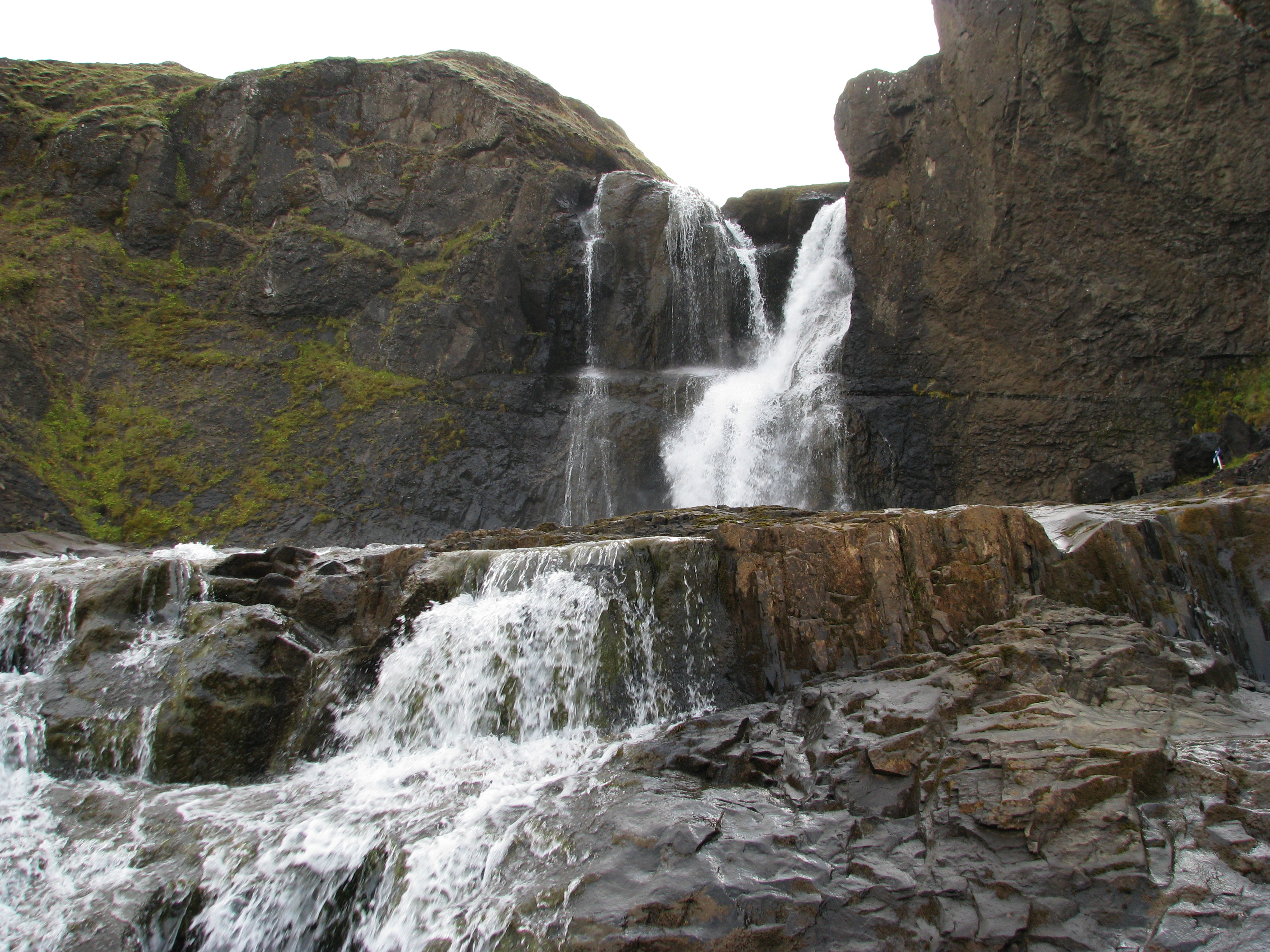
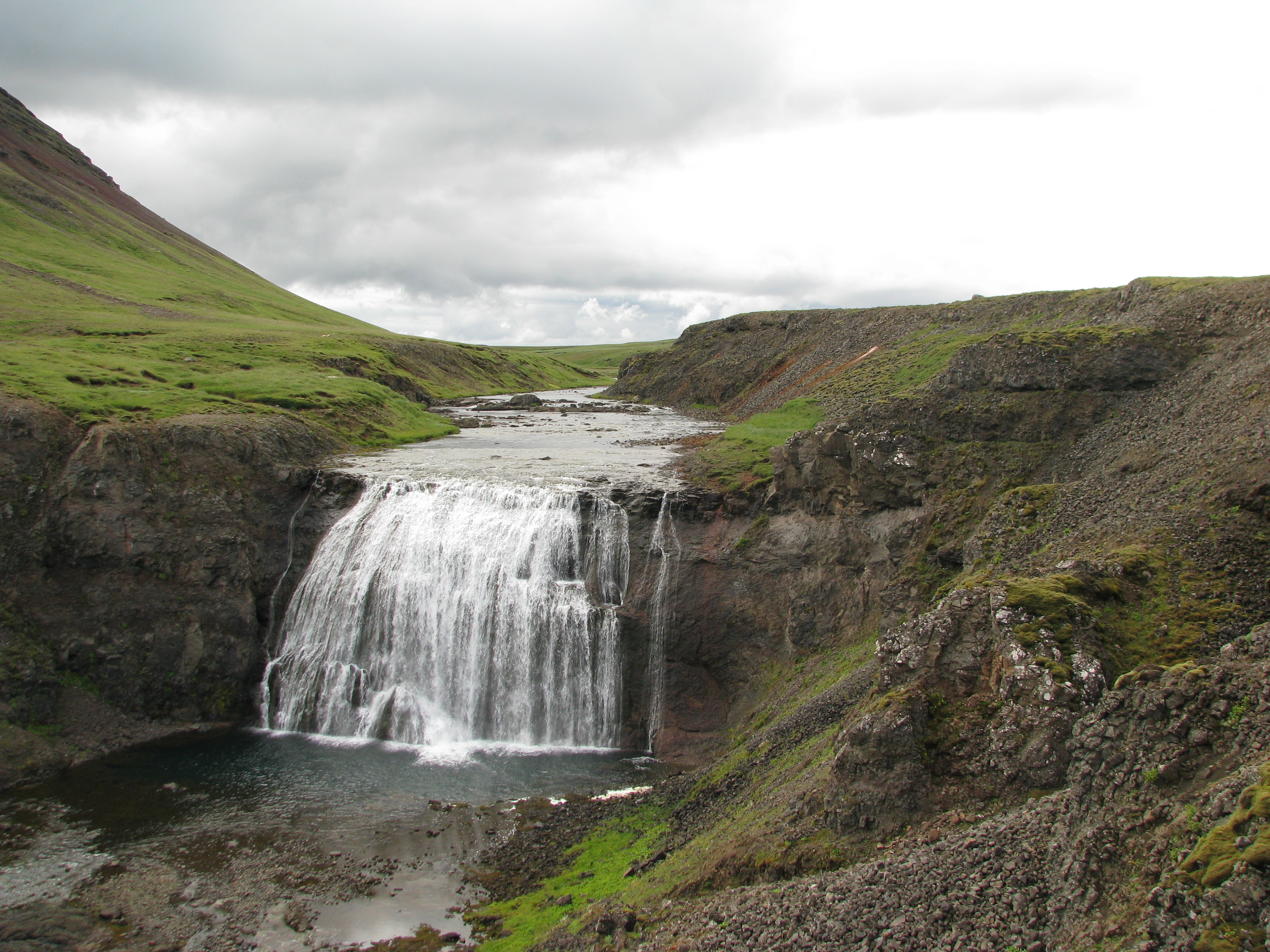
The waterfall’s 12‑metre drop feeds into a shallow pool that often reflects the sky in brilliant blues, making it a favorite spot for photographers looking for a tranquil composition without the crowds of more famous sites. Its relatively low flow in winter gives way to a fuller, frothy cascade in spring and early summer when snowmelt swells the river.
How to Get There
By Car
Þórufoss is most easily reached by car, and the drive is a scenic introduction to South Iceland’s volcanic terrain. From Reykjavík, follow Route 1 (the Ring Road) eastward for about 45 km until you reach the town of Hveragerði.
- Turn onto Route 30 heading south toward the Reykjadalur valley.
- After approximately 7 km, look for a small, well‑marked gravel turn‑off labeled “Þórufoss” (signage may be modest, so a GPS coordinate is handy).
- The final 2 km is a paved local road that leads to a modest parking area just a short walk from the waterfall’s base.
Public Transport
Public buses in Iceland are limited outside the main urban centers, and there is no direct service to Þórufoss. However, you can take a Strætó bus from Reykjavík to Hveragerði (Route 55) and then arrange a local taxi or a rideshare to the waterfall.
Walking & Hiking
If you’re already exploring the Reykjadalur hot‑river valley, Þórufoss lies a short side‑trail away. The hike from the Reykjadalur trailhead to the falls takes roughly 30 minutes and is suitable for most fitness levels—just watch out for occasional muddy sections after rain.
Best Time to Visit
| Season | What to Expect | Why It’s Ideal |
|---|---|---|
| Spring (April‑May) | Snowmelt boosts water flow; vibrant mosses awaken. | Fuller cascade and lush surroundings, fewer tourists than summer. |
| Summer (June‑August) | Long daylight (midnight sun), warm temperatures. | Ideal for photography and combining Þórufoss with nearby attractions. |
| Autumn (September‑October) | Golden foliage, occasional mist. | Dramatic light and quieter trails. |
| Winter (November‑March) | Reduced flow, possible ice formations. | A quiet, ethereal scene for the adventurous, but road conditions can be icy. |
Overall, late spring to early autumn offers the most reliable access and the most visually striking waterfall, while winter provides a stark, minimalist beauty for those prepared for icy roads and shorter daylight hours.
What to Expect
Arriving at Þórufoss, you’ll be greeted by a gentle roar as water plunges over a basalt ledge into a shallow pool framed by moss‑covered rocks. The surrounding valley is relatively flat, allowing for easy, level walking right up to the water’s edge.
- Photography: The falls are best captured from the lower bank, where the pool reflects the sky. Early morning light creates soft pastel tones, while late afternoon adds a golden glow. A polarizing filter can help reduce glare on the water’s surface.
- Soundscape: Unlike the thunderous roar of larger waterfalls, Þórufoss offers a soothing, rhythmic splash—perfect for a meditative pause.
- Wildlife: You may spot Arctic char in the pool or hear the distant call of the Icelandic raven. In summer, butterflies and dragonflies dance above the water.
- Facilities: There is a small parking area and a basic informational board. No restrooms or cafés are on site, so plan accordingly.
Because the waterfall is not heavily trafficked, you’ll often have the entire area to yourself—an increasingly rare luxury in Iceland’s most popular spots.
Nearby Attractions
While Þórufoss can easily fill a half‑day, the surrounding region offers several other waterfalls and natural wonders within a short drive. Below are the top nearby attractions, each linked to its own Wikipedia entry for more details:
- Pokafoss – 5.4 km away (Capital Region) – A slender cascade that’s especially photogenic after rain.
- Folaldafoss – 8.7 km away (Capital Region) – Known for its multiple tiers and surrounding lava fields.
- Mígandi – 9.0 km away (Capital Region) – A modest waterfall that feeds into a tranquil pond, perfect for a quick picnic.
- Tröllafoss – 9.8 km away (Capital Region) – The “Troll Waterfall” features a dramatic drop into a deep gorge, surrounded by folklore.
If you have extra time, consider extending your journey to the Reykjadalur hot river valley, where you can soak in naturally heated streams, or head toward the iconic Geysir and Gullfoss for a classic Golden Circle experience.
Travel Tips
| Tip | Details |
|---|---|
| Bring waterproof shoes | The path to the pool can be slippery, especially after rain. |
| Pack a snack & water | No cafés nearby; a packed lunch lets you linger longer. |
| Check road conditions | Icelandic winter roads can be icy; consult the Road.is website before heading out. |
| Respect nature | Stay on marked trails, avoid stepping on delicate moss, and take all trash with you. |
| Timing for photography | Sunrise (≈ 5:30 am in summer) and sunset (≈ 10:30 pm) provide the softest light. |
| Currency & Payments | Iceland uses the Icelandic króna (ISK); credit cards are accepted widely, but a small cash reserve can be handy for rural fuel stations. |
| Mobile coverage | Coverage is generally good along Route 1, but signal may drop near the waterfall—download offline maps in advance. |
| Safety | The pool is shallow but can be cold; avoid swimming if the water is icy or if you’re not a strong swimmer. |
Final Thoughts
Þórufoss may not have the towering height of Dettifoss or the iconic silhouette of Seljalandsfoss, but its quiet charm, easy accessibility, and surrounding Icelandic wilderness make it a must‑see for any traveler seeking authentic, off‑the‑beaten‑path experiences in South Iceland. Pair it with a few of the nearby waterfalls for a full day of natural wonder, and you’ll leave the region with a deeper appreciation for the subtle beauty that lies beyond Iceland’s most‑photographed landmarks.
So load up your camera, fill your water bottle, and set your GPS to 64.260842, -21.369973—Þórufoss is waiting. Happy travels!