Írárfoss – Iceland’s Hidden Waterfall Gem in Vestmannaeyjar
If you think you’ve seen every waterfall Iceland has to offer, think again. Nestled on the volcanic archipelago of Vestmannaeyjar, Írárfoss is a quiet, off‑the‑beaten‑path cascade that lets you experience the raw power of Icelandic nature without the crowds.
1. Introduction
Imagine standing on a windswept cliff, the Atlantic Ocean roaring below, and a thin veil of water tumbling down a basaltic wall just a stone’s throw away. That’s Írárfoss, a modest yet mesmerizing waterfall located in the southern part of Iceland’s famous Westman Islands (Vestmannaeyjar). While it may not boast the towering height of Gullfoss or the icy drama of Seljalandsfoss, Írárfoss offers a uniquely intimate encounter with Iceland’s volcanic landscape, making it a must‑visit for travelers craving authentic, low‑key nature experiences.
In this guide, we’ll explore everything you need to know to add Írárfoss to your Iceland itinerary: its story, how to get there, the best season to visit, what you’ll see on the trail, nearby attractions, and practical travel tips to keep your adventure smooth and unforgettable.
2. About Írárfoss
A Brief Description
Írárfoss (pronounced EE‑ra‑foss) is a small waterfall situated at latitude 63.576912 and longitude ‑19.827921 on the island of Heimaey, the largest of the Vestmannaeyjar archipelago. The cascade drops from an unnamed stream that feeds the sea just a few hundred meters from the shoreline. Its exact height and altitude remain undocumented, which adds a touch of mystery to the site—yet the surrounding scenery more than makes up for any lack of statistics.
Historical Context
The Westman Islands have a dramatic geological history, shaped by volcanic eruptions, earthquakes, and relentless oceanic forces. While Írárfoss itself is not linked to any specific historic event, the waterfall is part of the island’s broader narrative of resilience. The most famous eruption—Surtsey in 1963—created a new island off the coast, reminding visitors that the landscape is constantly evolving. Írárfoss, perched on ancient lava fields, serves as a living reminder of the island’s volcanic origins and the perpetual cycle of water and fire that defines Iceland.
Cultural Significance
In Icelandic folklore, waterfalls are often considered portals to hidden realms or homes of elves (huldufólk). Though Írárfoss does not feature prominently in myths, locals regard it as a peaceful spot for reflection and a subtle symbol of the island’s natural bounty. The name “Írárfoss” simply translates to “Íra River Falls,” linking the waterway to the surrounding terrain.
3. How to Get There
Getting to Vestmannaeyjar
- Fly to Reykjavík – Most international travelers arrive at Keflavík International Airport (KEF).
- Domestic Flight or Ferry – From Reykjavík’s domestic airport (RKV) you can catch a 30‑minute flight to Heimaey, or take the regular ferry from Þorlákshöfn (≈2.5 hours). The ferry runs year‑round, though schedules may vary in winter.
Reaching Írárfoss on Heimaey
- From the Town Center – Írárfoss lies roughly 1 km southeast of Heimaey’s main harbor area.
- Driving – Rent a car or use a local taxi. Follow signs for “Írárfoss” or use GPS coordinates (63.576912, ‑19.827921). The road is paved and well‑marked.
- Walking/Hiking – If you prefer to explore on foot, the trail from the town’s harbor to the waterfall takes about 15‑20 minutes. The path is mostly flat, with occasional rocky sections, and offers stunning coastal views along the way.
Parking
A small free parking lot sits at the trailhead near the water’s edge. It fills up quickly during peak summer days, so arriving early (before 10 am) is advisable.
4. Best Time to Visit
| Season | Weather | Water Flow | Visitor Experience |
|---|---|---|---|
| Late Spring (May‑June) | Mild, longer daylight (up to 22 h in June) | Growing stream after snow melt, moderate flow | Ideal for photography; crowds are still low |
| Summer (July‑August) | Warmest months, occasional rain | Highest flow, lush surrounding vegetation | Peak tourist season—expect more visitors, but still far less crowded than mainland waterfalls |
| Early Autumn (September‑October) | Cool, crisp air, aurora potential | Still decent flow, water may recede slightly | Great for combined waterfall and Northern Lights viewing |
| Winter (November‑April) | Cold, frequent storms, limited daylight | Reduced flow, sometimes frozen | For the adventurous—dramatic icy scenery, but road conditions can be challenging; check local forecasts |
Recommendation: Late May to early September offers the most reliable water flow and comfortable hiking conditions while still preserving the tranquil vibe that makes Írárfoss special.
5. What to Expect
The Trail Experience
The approach to Írárfoss is a short, well‑maintained path that winds along the coastline, offering panoramic vistas of the Atlantic and the rugged basalt cliffs that define Vestmannaeyjar. The trail’s surface is a mix of compacted gravel and natural stone, suitable for most walking shoes (hiking boots recommended in wet weather).
The Waterfall Itself
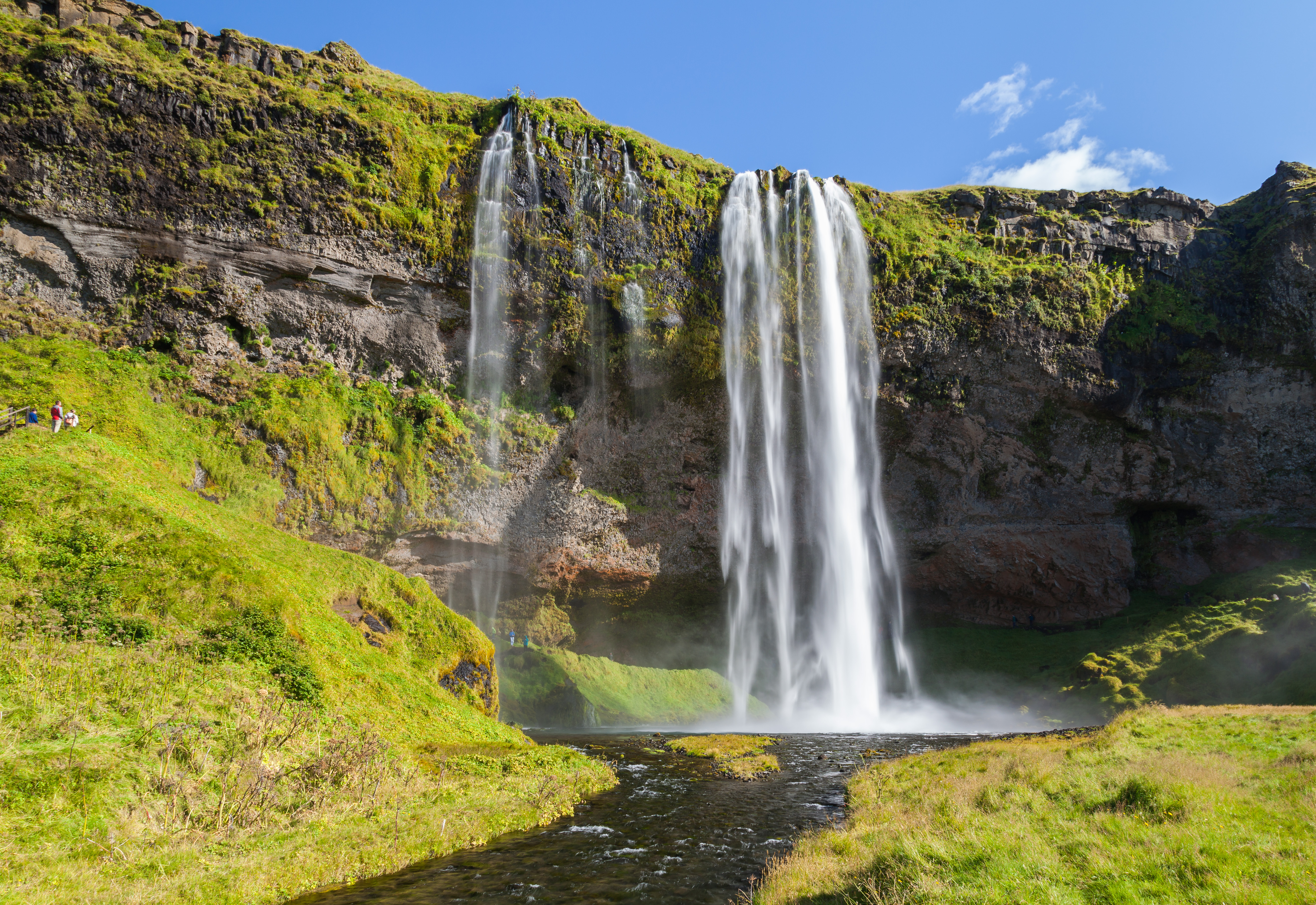
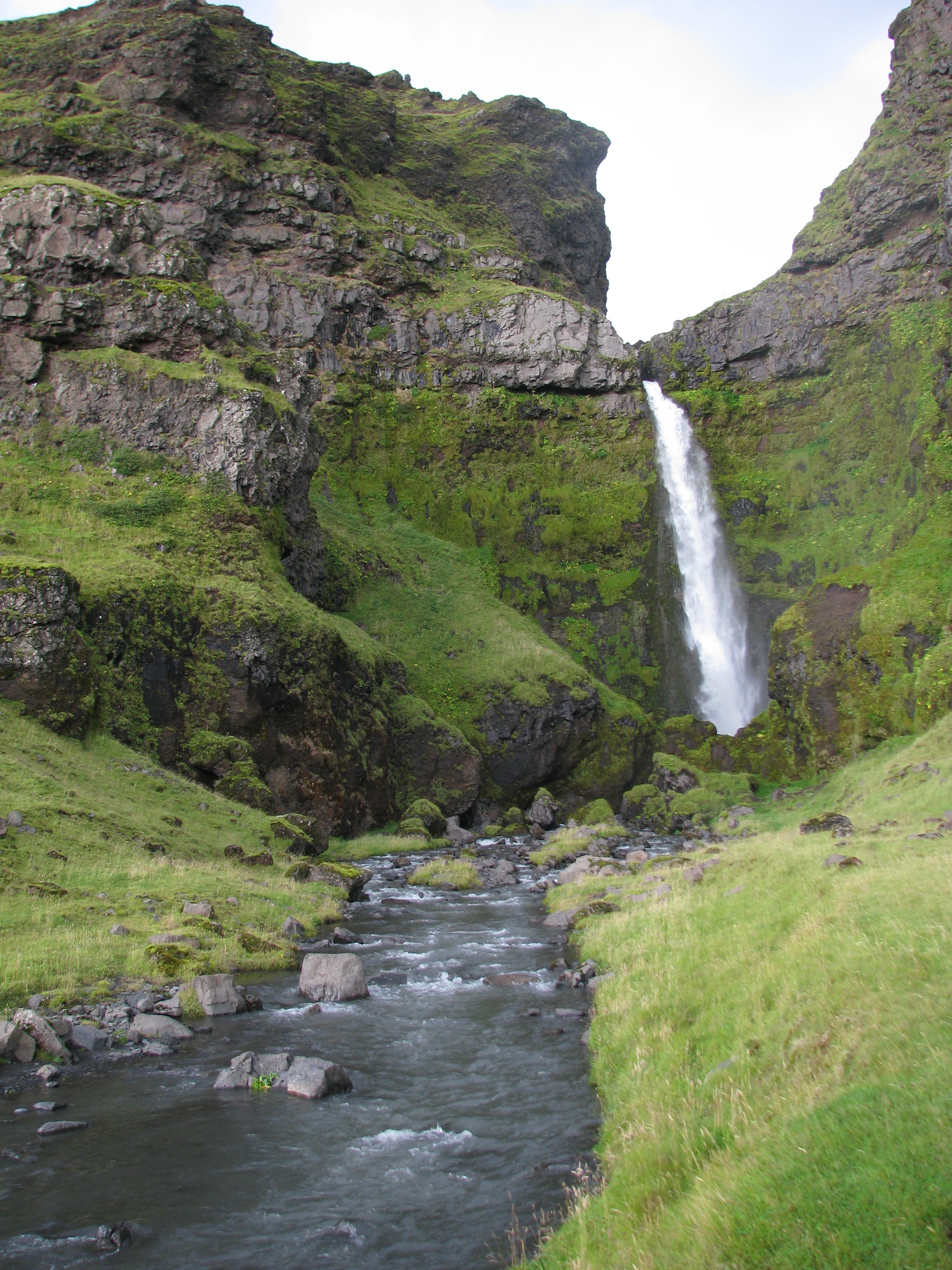
Upon arrival, you’ll find a modest cascade spilling over a dark, weathered rock face into a shallow pool that meets the sea. The sound of the water is subtle, blending with the constant rush of ocean waves—a soothing soundtrack for meditation or a quick photo stop. The surrounding area is dotted with low‑lying lichens and hardy grasses, illustrating how life thrives in Iceland’s harsh climate.
Photography Tips
- Golden Hour: Capture the waterfall at sunrise (around 4‑5 am in summer) when the low sun casts a warm glow on the basalt.
- Long Exposure: Use a tripod and a neutral density filter to smooth the water’s motion, creating a silky effect.
- Foreground Interest: Include a piece of coastal rock or a small wildflower to add depth to your composition.
6. Nearby Attractions
While Írárfoss is the star of the show, the Westman Islands boast several other natural wonders within a short drive. Below are the most accessible spots, each offering a unique perspective on Iceland’s volcanic heart.
| Distance | Attraction | Description | Link |
|---|---|---|---|
| 0.1 km | Írárfoss | The waterfall you’re visiting now. | Írárfoss Wikipedia |
| 5.2 km | Unnamed Waterfall | A quiet cascade nestled in a moss‑covered valley. | (no dedicated page) |
| 5.4 km | Unnamed Waterfall | Small but picturesque, ideal for a short detour. | (no dedicated page) |
| 7.6 km | Drífandi | A more dramatic waterfall with a higher drop, surrounded by volcanic rock formations. | (no dedicated page) |
| 8.1 km | Unnamed Waterfall | Another hidden gem, perfect for those who love off‑road exploration. | (no dedicated page) |
Other Must‑See Sites on Heimaey
- Eldfell Volcano: Hike to the crater for panoramic island views and learn about the 1973 eruption that reshaped Heimaey.
- Sæheimar (Sea Life Center): Discover the marine biodiversity of the North Atlantic.
- Heimaey Maritime Museum: Dive into the island’s fishing heritage and the famous 1973 volcanic eruption.
All of these attractions are reachable by car or local bus routes, making a day‑long itinerary both feasible and rewarding.
7. Travel Tips
| Tip | Details |
|---|---|
| Dress in Layers | Icelandic weather changes rapidly. Pack a waterproof jacket, insulated mid‑layer, and breathable base layers. |
| Footwear | Waterproof hiking boots with good traction are essential, especially on wet or icy rocks near the waterfall. |
| Timing | Arrive early in the morning to avoid the few tourists who do come and to capture the best light. |
| Safety | The rocks around the pool can be slippery. Stay on the marked path and keep a safe distance from the water’s edge, especially after heavy rain when the flow may increase suddenly. |
| Respect Nature | Stick to established trails, avoid stepping on fragile lichens, and pack out all trash. |
| Connectivity | Mobile coverage on Heimaey is generally good, but some remote spots may have spotty signal. Download offline maps (e.g., Maps.me) before you go. |
| Currency & Payments | Iceland uses the Icelandic króna (ISK). Credit cards are widely accepted, but carrying a small amount of cash can be handy for local vendors. |
| Food | Try local specialties such as skyr, fresh fish, and the island’s famous lobster soup at restaurants near the harbor. |
| Parking Fees | No fee for the small lot at Írárfoss, but larger municipal parking areas in town may charge during peak season. |
| Northern Lights | If you visit between September and March, stay after sunset for a chance to see the aurora dancing above the waterfall’s silhouette. |
Wrap‑Up
Írárfoss may be modest in size, but its charm lies in the serenity it offers amid Iceland’s dramatic volcanic scenery. Whether you’re a seasoned photographer, a nature lover seeking solitude, or a traveler eager to explore the lesser‑known corners of the Westman Islands, this waterfall delivers an unforgettable experience. Pair it with a hike up Eldfell, a visit to the local museums, and a taste of Heimaey’s fresh seafood, and you’ve got a perfectly balanced Icelandic adventure.
Pack your waterproof boots, charge your camera, and set your GPS to 63.576912, ‑19.827921—Írárfoss is waiting.
Happy travels, and may the wind always be at your back on the Icelandic road!