Gullfoss Waterfall – Iceland’s Iconic South‑Island Cascade
Discover the thunderous beauty of Gullfoss, the crown jewel of South Iceland’s waterfalls, and learn how to make the most of your visit.
Introduction
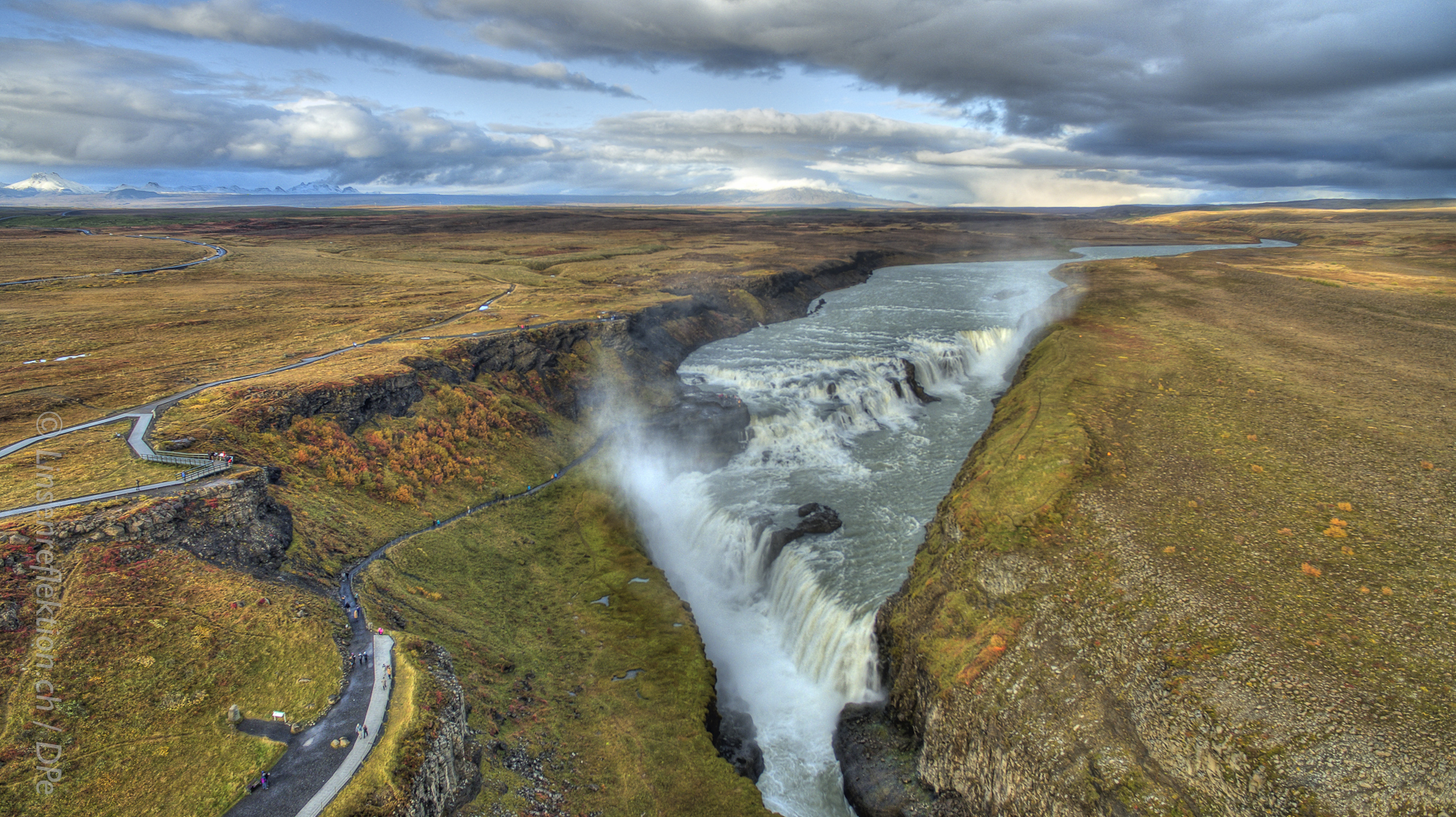
Imagine standing on the edge of a canyon where two powerful streams plunge 32 metres into a mist‑filled gorge, the roar echoing across the volcanic landscape. That’s Gullfoss – Iceland’s most famous waterfall and a must‑see stop on any Iceland travel itinerary. Whether you’re chasing the perfect photo, seeking a slice of natural drama, or simply craving a moment of awe, Gullfoss delivers an unforgettable experience that embodies the raw power and pristine beauty of Icelandic nature.
About Gullfoss
Gullfoss (Icelandic for “Golden Falls”) is a two‑tiered waterfall located in the South region of Iceland, at the coordinates 64.327316, ‑20.119103. The cascade is part of the Hvítá river, which originates from the Langjökull glacier and carves its way through a rugged canyon before plunging dramatically at Gullfoss.
History & Significance
- Cultural Icon – Since the early 20th century, Gullfoss has been celebrated in Icelandic folklore and literature, symbolising the country’s untamed spirit.
- Conservation Story – In the 1970s, the waterfall faced the threat of a hydro‑electric dam. A fierce public campaign, led by the future president of Iceland, saved Gullfoss and cemented its status as a protected natural monument.
- Tourist Magnet – Today, Gullfoss is a cornerstone of the Golden Circle route, drawing travelers from around the globe who flock to witness its thundering flow and rainbow‑sprinkled mist.
While the exact height and altitude of Gullfoss remain officially unrecorded, its sheer presence and the surrounding basaltic landscape speak volumes about Iceland’s volcanic heritage.
How to Get There
By Car
- GPS Navigation – Enter the coordinates 64.327316, ‑20.119103 into your car’s navigation system. The route will guide you to the main parking area just a few metres from the viewing platforms.
- Road Access – Gullfoss lies within the South Iceland region, reachable via well‑maintained paved roads. Most rental cars in Iceland are equipped for the terrain, but a standard 2‑wheel‑drive vehicle is sufficient for the journey to the waterfall.
From Reykjavik
- Driving Distance – Roughly a 2‑hour drive (≈120 km) from Iceland’s capital. The trip offers scenic stops along the way, making the drive part of the adventure.
- Guided Tours – Numerous day‑trip operators in Reykjavik include Gullfoss in their Golden Circle itineraries. These tours typically provide transportation, a knowledgeable guide, and optional stops at nearby attractions.
Public Transport
- Bus Services – Seasonal bus routes connect Reykjavik and major South‑Iceland towns to the Gullfoss area. Check local timetables for the latest schedules, as services may vary by season.
Practical Tips
- Parking – A free parking lot is available near the waterfall. Arrive early in peak season (June‑August) to secure a spot.
- Accessibility – The main viewing platform is wheelchair‑friendly, though the surrounding paths can be uneven due to weather‑induced wear.
Best Time to Visit
| Season | What to Expect | Why It’s Ideal |
|---|---|---|
| Spring (April–May) | Snow‑melt swells the Hvítá river, creating a powerful flow. Fewer crowds. | Capture the waterfall in its most vigorous state, with blooming lupine adding colour to the foreground. |
| Summer (June–August) | Warm days, long daylight (up to 24 h of twilight). | Perfect for photography, hiking, and spotting rainbows in the mist. |
| Autumn (September–October) | Golden foliage around the canyon, crisp air. | The landscape turns amber, offering a dramatic contrast to the white water. |
| Winter (November–March) | Ice‑covered surroundings, possible snow‑drifts. | A magical, otherworldly scene—ideal for those seeking a serene, less‑crowded experience. |
Insider tip: The waterfall’s flow is strongest in late spring and early summer when glacial melt peaks. If you prefer a gentler cascade, aim for late autumn.
What to Expect
The Sensory Experience
- Sight – Two powerful tiers tumble into a deep, jagged gorge. On sunny days, the spray forms vivid rainbows that arch across the mist.
- Sound – A constant, thunderous roar that reverberates through the canyon, creating an exhilarating backdrop for photos.
- Touch – The air is cool and moist; a light drizzle may kiss your skin if you venture close to the edge.
Visitor Facilities
- Viewing Platforms – Three well‑positioned decks provide panoramic vistas. One platform is situated directly above the upper cascade, offering a head‑on view of the water’s plunge.
- Information Boards – Multilingual panels explain the waterfall’s geology, history, and conservation efforts.
- Restrooms & Café – A modest café near the parking lot serves hot drinks and Icelandic pastries, while clean restrooms are available year‑round.
Photographic Highlights
- Rainbow Shots – Aim for the lower platform on a sunny afternoon to capture the iconic rainbow arcs.
- Wide‑Angle Panoramas – Use a wide‑angle lens on the upper platform to include the canyon walls and surrounding terrain.
- Night Photography – During the winter months, the low‑light conditions allow for stunning aurora borealis shots over the waterfall (check aurora forecasts).
Nearby Attractions
While Gullfoss is the star of the show, the surrounding area offers several complementary sights that enrich your South‑Iceland adventure:
| Attraction | Distance | Type | Quick Link |
|---|---|---|---|
| Gullfoss (waterfall) | 0.1 km | Waterfall 🌊 | Gullfoss Wikipedia |
| Unnamed Dam | 5.3 km | Dam | Dam 1 Details |
| Unnamed Dam | 5.5 km | Dam | Dam 2 Details |
| Unnamed Dam | 5.6 km | Dam | Dam 3 Details |
| Martinslaug | 8.1 km | Natural spring | Martinslaug Spring |
Tip: Combine Gullfoss with a quick drive to the Martinslaug hot spring for a soothing dip after exploring the waterfall. The nearby dams, while less tourist‑focused, showcase Iceland’s innovative use of hydro‑electric power and make for interesting photo stops.
Travel Tips
- Dress in Layers – Icelandic weather changes rapidly. Bring waterproof outerwear, warm layers, and sturdy, non‑slip footwear.
- Check Road Conditions – The Icelandic Road and Coastal Administration provides real‑time updates on road closures and weather alerts.
- Bring a Rain Cover for Your Camera – The waterfall’s spray can be intense, especially during high flow. A simple plastic bag or dedicated rain sleeve protects your gear.
- Stay Hydrated & Pack Snacks – While there’s a café on site, lines can form in peak season. A water bottle and energy bar keep you energized for the walk between platforms.
- Respect the Environment – Stick to marked paths, avoid climbing on the rocks, and take any litter with you. Gullfoss’s protected status relies on responsible visitor behaviour.
- Timing for the Best Light – Early morning (sunrise) or late afternoon (golden hour) provides softer lighting and fewer crowds, ideal for photography.
- Mobile Connectivity – Cellular coverage is generally good near the parking area, but consider downloading offline maps in case of signal loss.
Final Thoughts
Gullfoss isn’t just a waterfall; it’s a living piece of Icelandic heritage that captures the island’s dramatic geology, fierce natural forces, and enduring spirit of conservation. Whether you’re a first‑time visitor to Iceland or a seasoned explorer, the thundering cascade, mist‑kissed rainbows, and surrounding volcanic scenery promise a highlight that will stay with you long after you leave South Iceland.
Pack your camera, lace up your boots, and let Gullfoss reveal the golden heart of Iceland’s wild frontier. Safe travels!