Gljúfrabúi Waterfall – Iceland’s Hidden Canyon Gem
If you think you’ve seen every waterfall Iceland has to offer, think again. Tucked behind a moss‑covered cliff, a narrow canyon opens to reveal a 40‑metre cascade that seems to belong to another world. Welcome to Gljúfrabúi, the secret waterfall that lives “in the canyon.”
1. Introduction
There’s a reason travelers who venture off the beaten path call Gljúfrabúi “the hidden treasure of South Iceland.” Unlike its famous neighbor Seljalandsfoss, which you can see from the road, Gljúfrabúi hides behind a rocky outcrop, inviting only the curious and the adventurous. The name itself—Gljúfrabúi (pronounced “gl-yoo-fra-boo‑ee”) translates to “one who lives in the canyon,” a perfect description for a waterfall that literally lives inside a narrow gorge.
In this guide we’ll explore everything you need to know to make the most of a visit to this magical spot: from the story behind the falls, to how to get there, the best season for photography, and the other natural wonders that sit just a short walk away. Pack your waterproof boots, bring a sense of wonder, and let’s discover why Gljúfrabúi should be at the top of your Iceland itinerary.
2. About Gljúfrabúi
A waterfall hidden in a cave
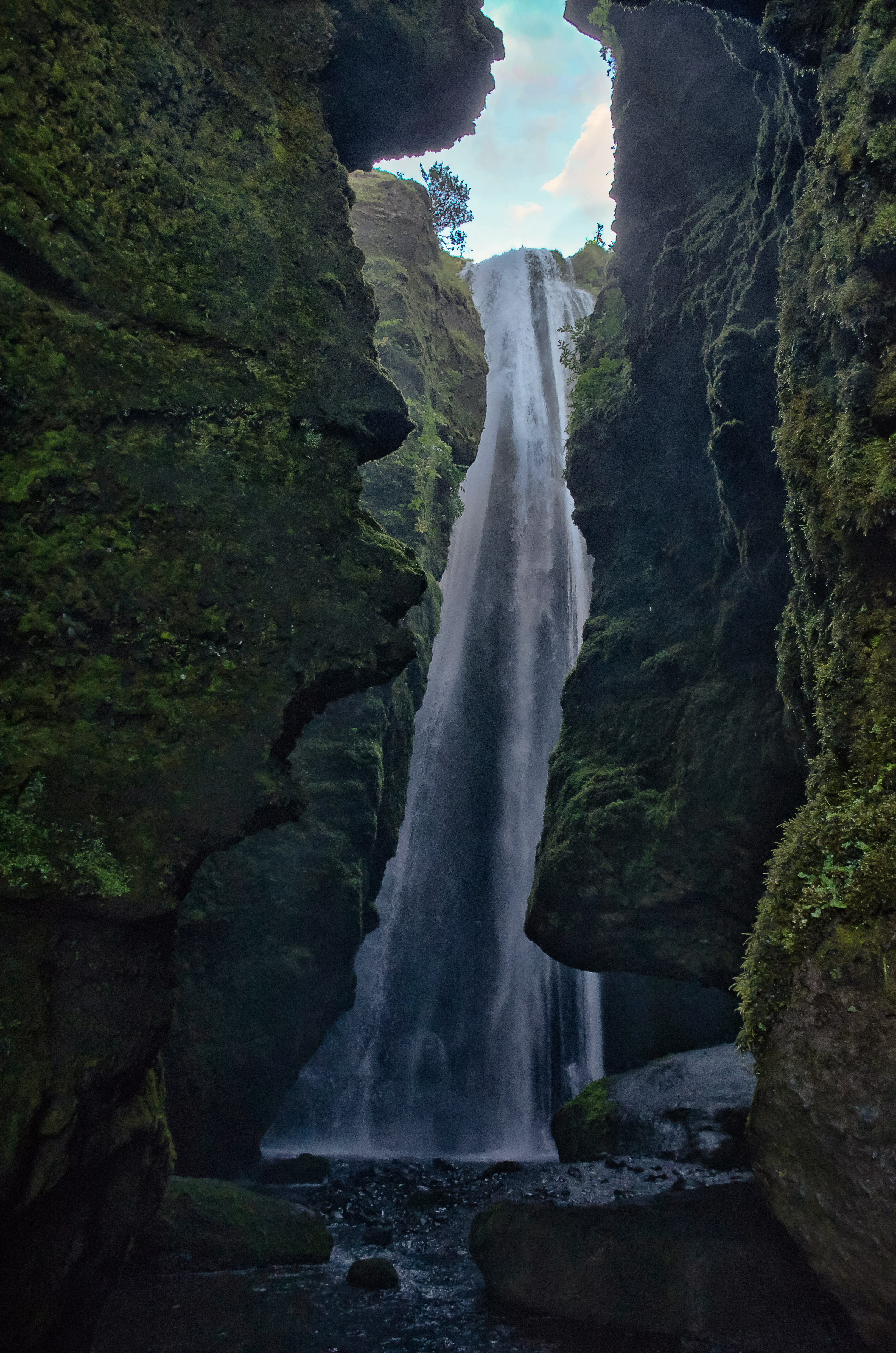
Gljúfrabúi is a 40‑metre (≈130 ft) waterfall that plunges into a deep, moss‑lined canyon. The water emerges from a narrow opening in the cliff face, creating a curtain of mist that drifts through the surrounding ferns and lichens. Because the cascade is partially concealed by the rock, visitors often have to crawl through a small opening or walk along a slippery path to get a full view—making the experience feel like a secret discovery.
History & cultural significance
The waterfall’s name reflects Icelandic folklore, where natural features often carry mythic identities. “One who lives in the canyon” evokes the idea of a guardian spirit watching over the water. While there are no recorded legends specifically tied to Gljúfrabúi, the concept of hidden waterfalls is common in Icelandic sagas, symbolising hidden strength and untouched beauty.
Gljúfrabúi is part of the Seljalands River system that feeds Seljalandsfoss downstream. Its proximity to the famous Seljalandsfoss has made it a popular side‑trip for tourists, yet the effort required to reach it keeps the crowds relatively low—perfect for travelers seeking a quieter, more intimate encounter with Icelandic nature.
3. How to Get There
| Detail | Information |
|---|---|
| Coordinates | 63.620756 ° N, ‑19.986339 ° W |
| Region | South Iceland (near the town of Selfoss and the iconic Seljalandsfoss) |
| Nearest major road | Ring Road (Route 1) |
| Parking | A small, free parking lot sits just off the road near Seljalandsfoss. From there, a short, well‑marked trail leads toward Gljúfrabúi. |
By Car
- From Reykjavik – Drive east on Route 1 (the Ring Road) for roughly 120 km (≈1.5 h). You’ll pass the town of Hvolsvöllur and soon see signs for Seljalandsfoss.
- Turn off at the Seljalandsfoss turn‑off – Follow the signs to the waterfall parking area.
- Walk to the canyon – After parking, follow the footpath that runs parallel to the river. In about 5‑10 minutes you’ll reach a low stone wall that marks the entrance to the canyon.
By Tour Bus
Many South Iceland day‑tour operators include a stop at Gljúfrabúi as part of their “Golden Circle & South Coast” itinerary. Look for tours that specifically mention “Gljúfrabúi (hidden waterfall)” in the itinerary.
Public Transport
Iceland’s public bus network does not serve the exact location, but you can take a bus to Seljalandsfoss (via the Sterna or Strætó services) and then walk the short trail to the hidden falls.
4. Best Time to Visit
| Season | Why it works | What to expect |
|---|---|---|
| Late Spring (May‑June) | Snow melt increases water flow, creating a powerful curtain of water. Daylight stretches to 20 h, giving plenty of photo windows. | Slightly muddy paths; bring waterproof boots. |
| Summer (July‑August) | Warm temperatures make the walk comfortable, and the surrounding vegetation is at its greenest. | More tourists at Seljalandsfoss, but Gljúfrabúi remains relatively quiet. |
| Early Autumn (September‑October) | Soft golden light enhances the waterfall’s mist, and the crowd level drops dramatically. | Cooler weather; possible early snow on higher ground. |
| Winter (November‑April) | The waterfall can freeze into a stunning ice sculpture, and the canyon is often dusted with snow—an otherworldly scene. | Ice can make the path slippery; some sections may be closed for safety. |
Overall recommendation: Late May to early October offers the safest conditions for walking into the canyon while still delivering impressive water volume and vivid colors.
5. What to Expect
The Approach
The trail to Gljúfrabúi is short but can be slippery, especially after rain. The path winds through a small birch forest before reaching a low stone wall that frames the canyon entrance. A narrow opening, just a few feet wide, reveals a glimpse of the waterfall’s roar.
Inside the Canyon
Most visitors choose to crawl through the opening for an up‑close view. The floor is uneven, and the spray can make the rocks slick, so take your time and watch your footing. Once inside, you’ll be greeted by a 40‑metre cascade plunging into a dark pool, surrounded by moss‑covered cliffs that echo the sound of rushing water. The light that filters through the canyon creates a mystical, almost ethereal atmosphere—perfect for photography.
Photography Tips
- Wide‑angle lens – Capture the full height of the falls and the surrounding canyon walls.
- Long exposure – Use a tripod and a 10‑30 second exposure to turn the water into silky ribbons.
- Protect your gear – The mist can be intense; bring a rain cover or a plastic bag for your camera.
Facilities
There are no restrooms or food services at the site. The nearest facilities are at the Seljalandsfoss parking area (toilets, a small café). Pack water, snacks, and a dry change of clothes.
6. Nearby Attractions
Gljúfrabúi sits in a cluster of spectacular waterfalls and natural sites that are all within a short walk or drive. Here are the highlights you can easily combine into a single day:
| Distance | Attraction | What to See | Link |
|---|---|---|---|
| 0.2 km | Unnamed cascade | A small, lesser‑known waterfall that adds to the canyon ambience. | — |
| 0.4 km | Unnamed cascade | Another hidden drop that’s perfect for a quick photo stop. | — |
| 0.6 km | Seljalandsfoss | One of Iceland’s most photographed waterfalls; you can walk behind the falling water. | Seljalandsfoss Wikipedia |
| 1.1 km | Unnamed cascade | A gentle stream that feeds the river downstream. | — |
| 2.1 km | Drífandi | A modest but beautiful waterfall that showcases the raw power of the South Icelandic rivers. | Drífandi Waterfall |
Because all these sites are within a 2‑kilometre radius, you can easily explore them on foot after parking at the Seljalandsfoss lot, or simply enjoy a short drive between each point.
7. Travel Tips
- Dress for the mist – Waterproof jackets, quick‑dry pants, and sturdy hiking boots are essential. The canyon’s spray can soak you in seconds.
- Bring a rain cover for your camera – Even on sunny days, the waterfall’s mist is relentless. A simple plastic bag or dedicated rain sleeve will keep your gear safe.
- Check the weather forecast – Icelandic weather changes quickly. A clear day can become rainy within minutes, affecting trail conditions.
- Start early – Arriving right when the site opens (usually 9 am in summer) helps you avoid the midday crowds at Seljalandsfoss and gives you more tranquil time at Gljúfrabúi.
- Respect the environment – Stay on marked paths, avoid stepping on fragile moss, and pack out all trash. Iceland’s delicate ecosystems rely on responsible tourism.
- Consider a guide – If you’re unsure about navigating the canyon or want deeper insight into local folklore, a short guided walk can enrich the experience.
- Safety first – The canyon floor can be slippery, especially after rain or during early spring melt. Take your time, keep a firm grip on handrails where available, and don’t push your limits.
Wrap‑up
Gljúfrabúi may be hidden, but its allure is impossible to ignore. Whether you’re a seasoned Icelandic explorer or a first‑time visitor, stepping into this secluded canyon offers a rare blend of raw natural power and quiet intimacy that you won’t find at the more tourist‑heavy sites.
Add Gljúfrabúi to your South Iceland travel itinerary, pair it with the nearby waterfalls, and you’ll leave with unforgettable photos, a story of adventure, and perhaps a newfound respect for the “one who lives in the canyon.”
Happy travels, and may the mist of Gljúfrabúi inspire your next adventure!