Giljafoss – The Hidden Waterfall Gem of South Iceland
If you think Iceland’s waterfalls are all crowded tourist magnets, think again. Nestled just outside the geothermal town of Hveragerði, Giljafoss offers a quiet, off‑the‑beaten‑path experience that lets you hear the roar of the water and the whisper of the Icelandic wind in perfect harmony.
1. Introduction
Imagine standing on a moss‑covered riverbank, the spray of a cascading waterfall kissing your face, and the vast Icelandic sky stretching endlessly above you. That’s Giljafoss – a modest‑sized waterfall that may not appear on every travel brochure, but it delivers exactly what many seasoned travelers crave: authenticity, solitude, and raw natural beauty. Located at 64.675669 N, ‑21.080417 W in the South of Iceland, Giljafoss is a perfect stop for anyone exploring the Hveragerði region or embarking on a South Iceland road trip.
In this guide, we’ll dive into everything you need to know about Giljafoss: its story, how to reach it, the best season to visit, what you’ll see on the ground, nearby attractions, and practical travel tips to make your Iceland adventure unforgettable.
2. About Giljafoss
Description & Setting
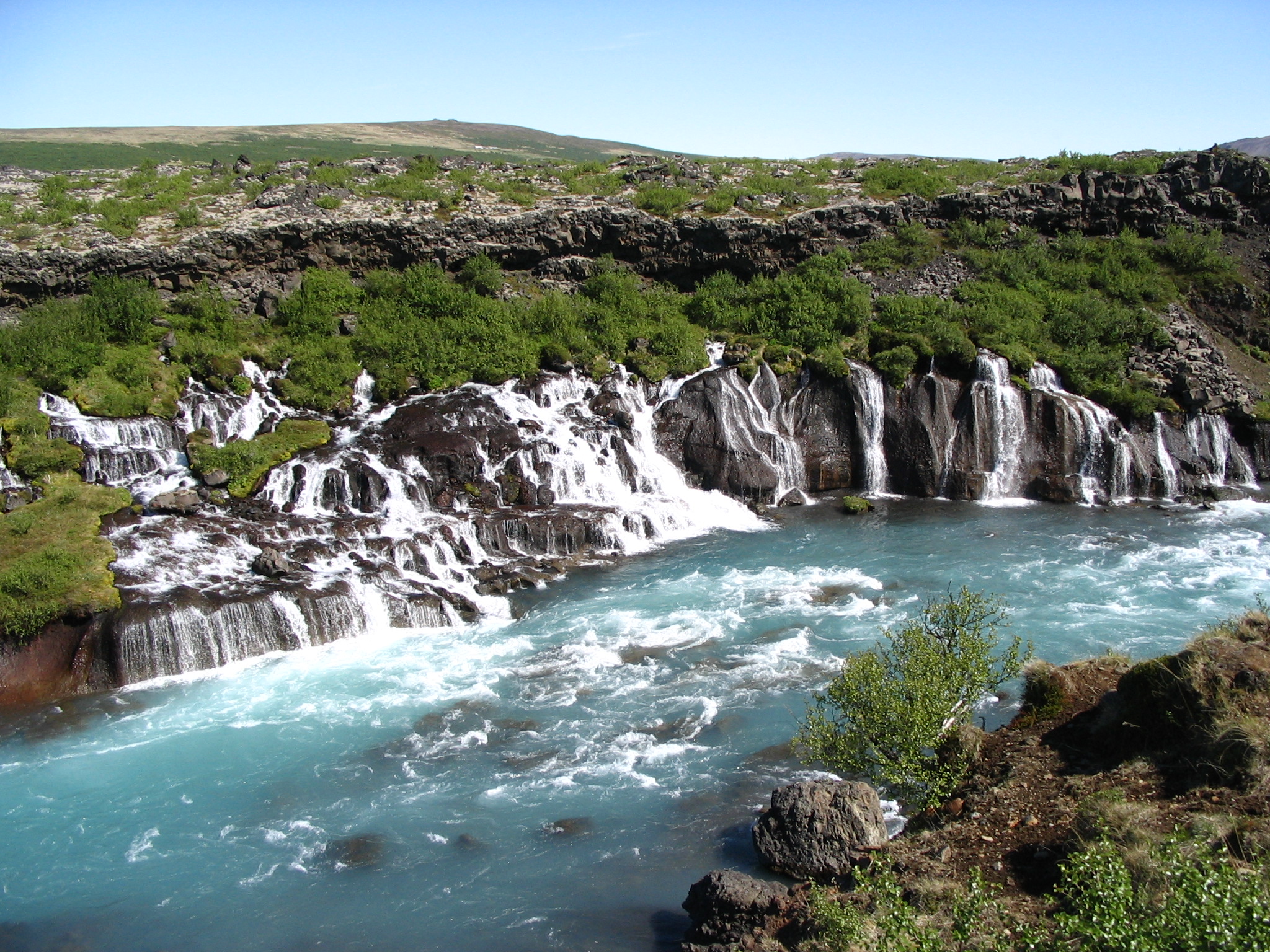
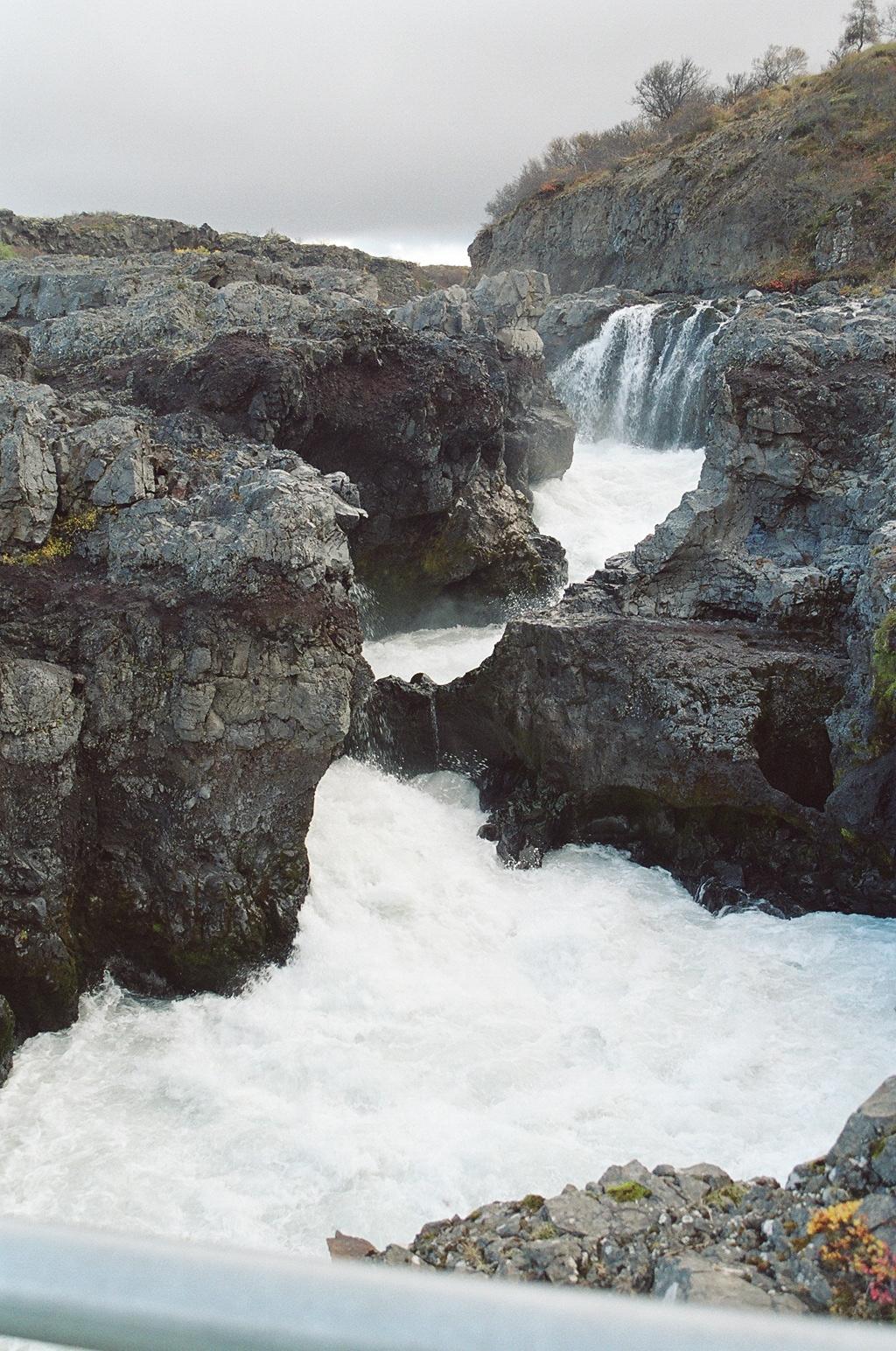
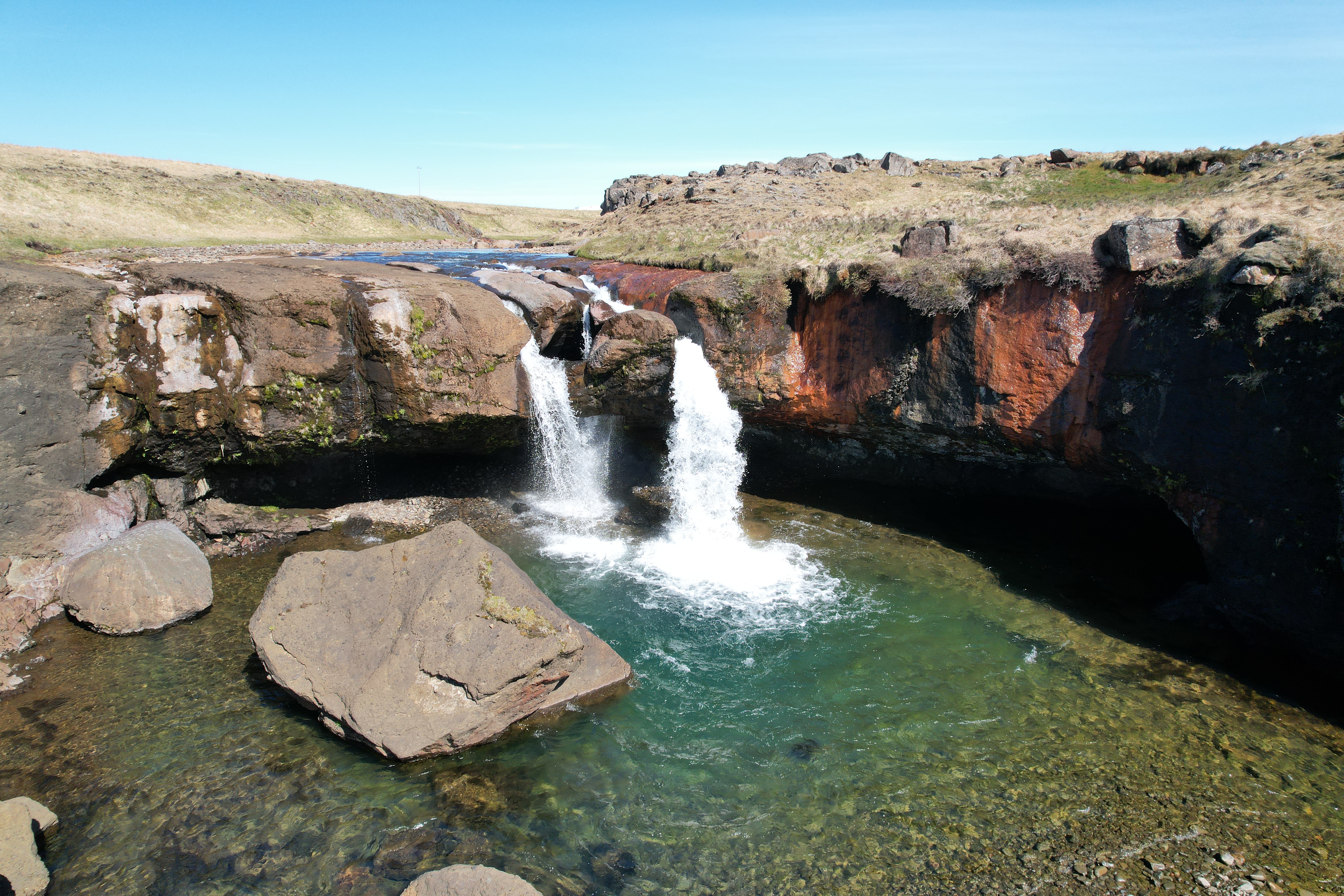
Giljafoss (pronounced “GILL-ya-foss”) is a waterfall that tumbles down a gentle slope along the Gilja River, just a few kilometres north of Hveragerði. While the exact height and altitude remain undocumented, the waterfall’s charm lies in its unpretentious flow and the lush, volcanic landscape that surrounds it. The water originates from the nearby highlands, meandering through lava fields and birch forests before plunging over a series of basaltic rocks, creating a series of small cascades that together form the waterfall.
Historical Context
Giljafoss does not boast a dramatic legend or a famous historical event, but its name—“Gilja” meaning “gully” in Icelandic—reflects the natural erosion that shaped the river’s path over millennia. The waterfall has long been a quiet landmark for local farmers and hikers who use the river as a natural guide through the rugged terrain. Its proximity to Hveragerði, a town known for its geothermal activity and horticultural heritage, means that Giljafoss has quietly contributed to the region’s water supply and the lushness of the surrounding fields.
Significance
For travelers, Giljafoss represents the authentic Icelandic waterfall experience: no crowds, no souvenir stalls, just pure nature. It’s an ideal spot for photography enthusiasts looking for soft, diffused light and a backdrop of moss‑covered lava. Moreover, because the waterfall is less frequented, it offers a unique chance to observe local wildlife—tiny Arctic terns, dragonflies, and occasional reindeer—without the distraction of tourist traffic.
3. How to Get There
By Car
The most convenient way to reach Giljafoss is by renting a car in Reykjavik or Hveragerði. From Reykjavik, take Route 1 (the Ring Road) east toward Hveragerði (approximately 45 km). Once you reach the town, follow the signs for Road 30 heading north toward the Gilja River. The final stretch is a well‑marked gravel road (about 5 km) that leads directly to a modest parking area just a short walk from the waterfall’s viewing platform.
- Driving time from Reykjavik: ~45 minutes
- Driving time from Hveragerði: ~10 minutes
Public Transport
Public buses in Iceland are limited in rural areas, and there is no direct service to Giljafoss. However, you can catch a bus to Hveragerði from Reykjavik’s BSÍ bus terminal (Route 51) and then arrange a local taxi or a guided hike from the town center.
Walking & Hiking
If you love hiking, the Gilja River Trail is a scenic 3‑km round‑trip that starts near the Hveragerði geothermal park. The trail follows the riverbank, offering multiple viewpoints of the waterfall and the surrounding lava fields. The path is moderate in difficulty, with some uneven volcanic rocks, so sturdy hiking boots are recommended.
GPS Coordinates
For navigation systems or smartphone maps, enter: 64.675669, -21.080417.
4. Best Time to Visit
| Season | What to Expect | Why It’s Ideal |
|---|---|---|
| Spring (April‑May) | Snow melt increases water flow; vibrant green mosses awaken. | Photographers love the contrast of fresh water against emerging flora. |
| Summer (June‑August) | Long daylight (up to 24 h of twilight), mild temperatures, fully accessible trails. | Perfect for extended hikes and catching the midnight sun. |
| Autumn (September‑October) | Golden foliage, quieter visitor numbers, crisp air. | Ideal for those seeking solitude and dramatic sky colors. |
| Winter (November‑March) | Frozen riverbanks, occasional ice formations, limited daylight. | For adventurous travelers comfortable with icy conditions and who enjoy winter landscapes. |
Overall recommendation: Late spring to early autumn (May‑September) offers the most reliable weather, vibrant scenery, and safe trail conditions.
5. What to Expect
The Walk to the Falls
From the parking lot, a short, well‑maintained path leads you to a wooden viewing platform that offers a clear view of the waterfall’s cascade. The walk is roughly 200 m and takes less than five minutes, making it accessible for families, seniors, and travelers with limited mobility.
Sights & Sounds
- Water Flow: The Gilja River creates a gentle, continuous roar that blends harmoniously with the rustle of birch leaves.
- Geology: Dark basalt columns and lava fields dominate the backdrop, showcasing Iceland’s volcanic heritage.
- Flora: Lush moss carpets the rocks, while dwarf birch and low‑lying heather add splashes of green and pink.
- Wildlife: Look up for Arctic terns skimming the river surface, and keep an eye out for small mammals such as the Icelandic vole.
Photography Tips
- Golden Hour: Arrive 30 minutes before sunrise or sunset for soft, warm lighting that highlights the waterfall’s texture.
- Long Exposure: Use a tripod and a neutral density filter to capture silky water motion.
- Perspective: Get low to the ground to emphasize the surrounding moss and basalt, creating depth in your composition.
6. Nearby Attractions
While Giljafoss can easily fill a half‑day, the surrounding region is packed with spectacular sights that complement your waterfall experience. All distances are by road from Giljafoss.
| Attraction | Type | Distance | Why Visit |
|---|---|---|---|
| Hraunfossar | Waterfall | 5.6 km (≈ 10 min) | A series of rivulets spilling over lava fields into the Hvítá River—one of Iceland’s most photographed waterfalls. |
| Barnafoss | Waterfall | 5.8 km (≈ 10 min) | A narrow, dramatic cascade that runs parallel to Hraunfossar, known for its folklore about the “children’s waterfall.” |
| Langifoss | Waterfall | 6.2 km (≈ 12 min) | A tall, single‑drop waterfall that offers a striking contrast to the gentler Giljafoss. |
| Kálfafoss | Waterfall | 6.3 km (≈ 12 min) | A hidden gem tucked in a canyon, perfect for a quiet picnic. |
| Snorralaug | Hot Spring | 10.1 km (≈ 20 min) | A natural geothermal pool where you can soak under the Icelandic sky after a day of exploring waterfalls. |
Suggested itinerary: Start your day at Giljafoss, then head north to Hraunfossar and Barnafoss, continue east to Langifoss and Kálfafoss, and finish with a relaxing dip at Snorralaug before returning to Hveragerði.
7. Travel Tips
| Tip | Details |
|---|---|
| Dress in layers | Icelandic weather changes quickly. Pack a waterproof jacket, insulated mid‑layer, and moisture‑wicking base layers. |
| Footwear | Sturdy, waterproof hiking boots with good ankle support are essential, especially on volcanic rocks. |
| Fuel up | Gas stations are sparse in rural South Iceland. Fill up in Reykjavik or Hveragerði before heading out. |
| Respect nature | Stay on marked paths, avoid stepping on fragile moss, and pack out all trash. |
| Timing | Arrive early (before 9 am) during peak summer months to enjoy the waterfall without any lingering tourists. |
| Mobile coverage | Signal can be spotty near Giljafoss. Download offline maps (e.g., Maps.me) before you leave. |
| Food & drink | Bring a packed lunch and plenty of water. The nearest café is in Hveragerði, known for its geothermal bakery. |
| Safety | The river can be slippery near the falls. Keep a safe distance from the edge, especially after rain when rocks become slick. |
| Photography | Bring extra batteries—cold weather drains them quickly. A polarizing filter can reduce glare from the water. |
| Local etiquette | Icelanders value privacy and quiet in natural settings. Keep noise low, especially near wildlife habitats. |
Final Thought
Giljafoss may not have the towering height of Gullfoss or the fame of Seljalandsfoss, but its understated beauty, serene atmosphere, and proximity to other South Iceland wonders make it a must‑visit for any traveler seeking an authentic Icelandic waterfall experience. Whether you’re a seasoned photographer, a nature lover, or simply someone craving a moment of peace in the land of fire and ice, Giljafoss invites you to pause, breathe, and let the gentle roar of water remind you why Iceland remains one of the world’s most captivating destinations.
Pack your boots, charge your camera, and set your GPS to 64.675669, ‑21.080417—adventure awaits at Giljafoss.