Árbæjarfoss – The Hidden 10‑Meter Gem of South Iceland
Discover the tranquil charm of Árbæjarfoss, a modest yet mesmerizing waterfall tucked away in the rugged beauty of Vestmannaeyjar, South Iceland.
Introduction
If you’ve already trekked the thunderous cascades of Seljalandsfoss or the icy veil of Skógafoss, you might think you’ve seen all Iceland’s waterfalls have to offer. Yet, the true soul of Iceland’s water wonders often lies in the quieter, lesser‑known spots—places where the roar of the falls is softened by moss‑covered rocks and the scent of wild lupine. Árbæjarfoss, a 10‑meter drop perched at latitude 63.862759 and longitude ‑20.341300, is exactly that kind of hidden treasure. Nestled on the volcanic islands of Vestmannaeyjar in South Iceland, this modest waterfall invites travelers to pause, breathe, and soak in the raw, untouched landscape that makes the island a photographer’s paradise.
About Árbæjarfoss
Árbæjarfoss (pronounced owr‑BYE‑yar‑foss) translates roughly to “Árbæjar waterfall,” a name that reflects its connection to the surrounding farmland and river system. While the waterfall’s height—just 10 meters—might seem modest compared to Iceland’s iconic giants, its setting is anything but ordinary. The cascade tumbles over basaltic rock, a reminder of the volcanic forces that shaped the Vestmannaeyjar archipelago millions of years ago.
History & Significance
The Vestmannaeyjar islands have long been a hub for fishing, birdwatching, and volcanic research. Árbæjarfoss sits near historic farms that once relied on the river’s steady flow for irrigation and livestock. Though the waterfall never achieved the fame of its mainland counterparts, locals have always regarded it as a natural landmark—an easy reference point for hikers and a soothing backdrop for summer picnics. Its relatively low height and gentle flow make it a safe spot for families and photographers alike, offering an intimate glimpse of Icelandic nature without the crowds.
How to Get There
From Reykjavik
-
Fly or Drive to Vestmannaeyjar – The quickest way is a short domestic flight (≈ 30 minutes) from Reykjavik’s Keflavík International Airport to Vestmannaeyjar Airport. Alternatively, you can take a ferry from Landeyjahöfn (≈ 2 hours) or the scenic ferry from Þorlákshöfn to the main island of Heimaey.
-
Rent a Car or Join a Local Tour – Once on Heimaey, renting a compact car gives you the flexibility to explore at your own pace. Many local tour operators also offer guided “Waterfall & Coastline” excursions that include Árbæjarfoss.
-
Navigate to the Falls – Follow the signs toward the Árbæjar area (the road is well‑marked for tourists). The waterfall is located roughly 4 km from the central harbor, accessible via a short, unpaved gravel road that leads to a modest parking area just a few meters from the water’s edge.
On Foot
If you enjoy hiking, the route from the harbor to Árbæjarfoss is a pleasant 2‑kilometer walk through coastal heath and low‑lying lava fields. The trail is relatively flat, making it suitable for most fitness levels. Remember to wear sturdy shoes, as the terrain can be uneven and occasionally slippery near the water.
Best Time to Visit
Summer (June – August)
-
Why go? Long daylight hours (the midnight sun) give you plenty of time for photography and exploration. The waterfall’s flow is steady, fed by seasonal meltwater, and the surrounding flora bursts into vibrant greens and wildflowers.
-
What to expect? Mild temperatures (10‑15 °C) and relatively calm winds. This is the busiest season, so expect a few fellow travelers, but Árbæjarfoss remains far less crowded than the major tourist waterfalls.
Autumn (September – October)
-
Why go? The landscape turns golden, and the water level can rise after early autumn rains, giving the cascade a slightly more dramatic appearance.
-
What to expect? Shorter daylight hours, but still enough for a comfortable visit. Pack a wind‑proof jacket as the coastal breeze picks up.
Winter (November – March)
-
Why go? For the adventurous, a winter visit offers a mystical, icy tableau—frozen basalt, snow‑capped cliffs, and the occasional Northern Lights dancing overhead.
-
What to expect? Short daylight, icy paths, and potentially reduced access if heavy snow blocks the gravel road. Check local weather reports and consider a guided tour for safety.
Spring (April – May)
-
Why go? The meltwater from the surrounding glaciers increases the waterfall’s flow, creating a more powerful sight.
-
What to expect? Variable weather; be prepared for rain showers and occasional chilly days.
SEO tip: Include keywords such as “best time to visit Árbæjarfoss,” “Árbæjarfoss summer,” and “Árbæjarfoss winter Iceland” throughout this section to attract seasonal travelers.
What to Expect
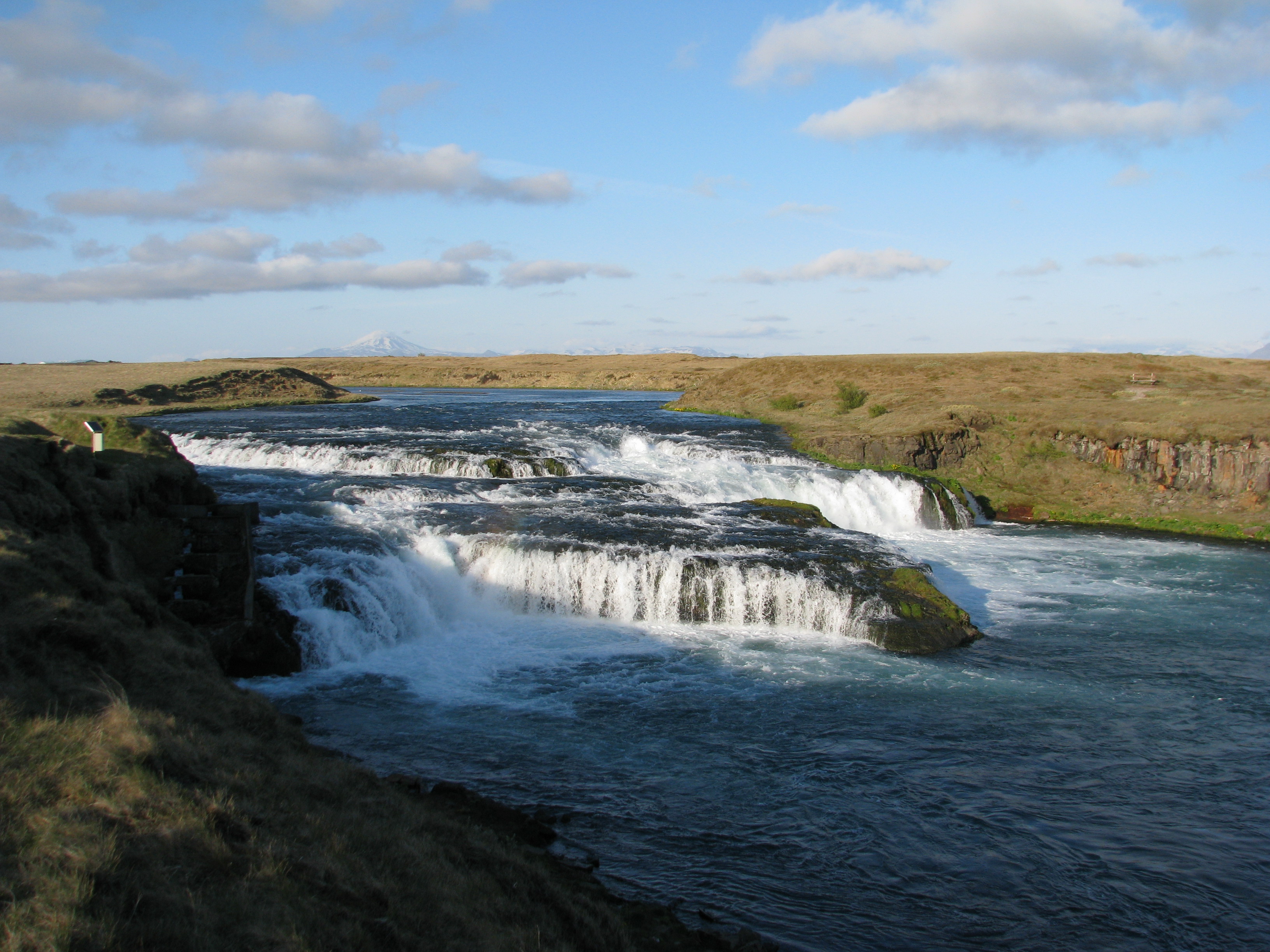
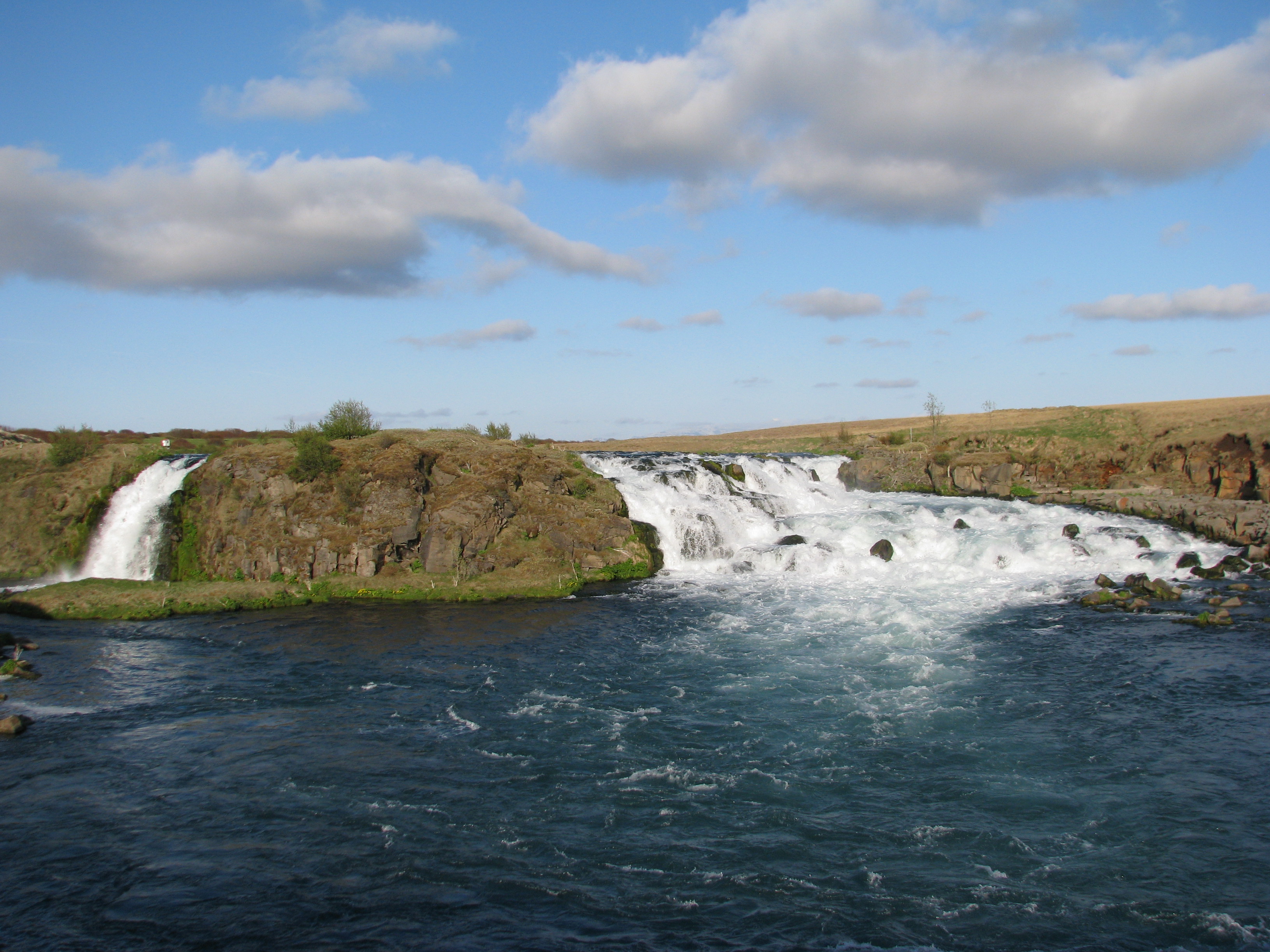
Approaching Árbæjarfoss, you’ll first hear a gentle, rhythmic rush—a sound that quickly becomes the soundtrack of your visit. The waterfall drops a clean 10 meters over dark, weathered basalt, creating a misty veil that catches the Icelandic sun in a subtle rainbow. Unlike the thunderous roar of larger falls, Árbæjarfoss offers a soothing ambience, perfect for meditation, sketching, or simply listening to the water’s whisper.
The surrounding area is a patchwork of moss‑covered rocks, low‑lying shrubs, and occasional seabird colonies perched on nearby cliffs. The river that feeds the waterfall is clear, reflecting the sky’s ever‑changing hues—from soft pastel dawns to dramatic, cloud‑filled evenings. Because the site is not heavily commercialized, you’ll find minimal signage and no large visitor facilities—just a small parking spot, a wooden bench, and a discreet informational plaque (in Icelandic). This simplicity allows you to fully immerse yourself in the natural beauty without distractions.
Nearby Attractions
While Árbæjarfoss can easily fill a half‑day itinerary, the Vestmannaeyjar region boasts several other natural wonders within a short drive. Consider adding these spots to your itinerary:
| Attraction | Type | Distance from Árbæjarfoss | Highlights |
|---|---|---|---|
| Weir | Weir | 4.3 km | A historic water management structure offering insight into local farming practices. |
| Ægissíðufoss | Waterfall | 6.1 km | A slightly taller cascade surrounded by rugged lava fields. |
| Hestafoss | Waterfall | 15.9 km | Known for its horse‑shaped rock formation and photogenic backdrop. |
| Búðafoss | Waterfall | 17.1 km | A powerful fall that creates a misty spray, perfect for close‑up photography. |
| Urriðafoss | Waterfall | 17.6 km | The largest waterfall on the island, renowned for its impressive volume. |
All links lead to the respective Wikipedia pages or local tourism sites for further details.
Travel Tips
-
Dress in Layers – Icelandic weather is notoriously changeable. Even in summer, bring a waterproof jacket, a warm fleece, and sturdy hiking boots.
-
Respect the Landscape – Stay on marked paths to protect fragile moss and avoid disturbing nesting birds. Pack out all trash; there are no waste facilities near the waterfall.
-
Photography Advice – Early morning or late afternoon light creates the most dramatic shadows on the basalt. A polarizing filter can help reduce glare from the water’s surface.
-
Safety First – The rocks near the cascade can be slippery when wet. Keep a safe distance from the edge, especially after heavy rain when the water flow increases.
-
Local Cuisine – After your visit, head back to Heimaey’s harbor area for fresh seafood. Try the traditional Icelandic fish stew (plokkfiskur) at one of the harbor cafés.
-
Connectivity – Mobile reception is generally good in the main town, but it can be spotty near Árbæjarfoss. Download offline maps before you set out.
-
Timing – Arrive early in the morning during peak summer months to enjoy the waterfall in relative solitude.
-
Guided Tours – If you’re uncertain about driving on gravel roads or want deeper insight into the volcanic history of Vestmannaeyjar, book a local guide. Many operators combine Árbæjarfoss with nearby waterfalls for a full‑day adventure.
Final Thoughts
Árbæjarfoss may not dominate the list of Iceland’s “must‑see” waterfalls, but its quiet charm, accessible location, and authentic Icelandic atmosphere make it a perfect stop for travelers seeking a more intimate connection with the island’s natural heritage. Whether you’re a seasoned photographer, a nature lover, or simply someone who enjoys a peaceful spot to reflect, Árbæjarfoss offers a slice of South Iceland’s rugged beauty that’s both unforgettable and refreshingly off the beaten path.
Plan your journey, respect the land, and let the gentle cascade of Árbæjarfoss inspire your next Icelandic adventure. 🌊✨