Hafragilsfoss: Iceland’s Hidden Waterfall Gem in the Northeast
If you think Iceland’s waterfalls are limited to the famous Gullfoss and Seljalandsfoss, think again. Tucked away near the rugged town of Húsavík, Hafragilsfoss offers a raw, unfiltered slice of Icelandic nature that feels like a secret only locals know. With a 27‑meter plunge, thundering spray, and dramatic basalt cliffs, this waterfall is a must‑see for any traveler craving authentic Icelandic wilderness.
About Hafragilsfoss
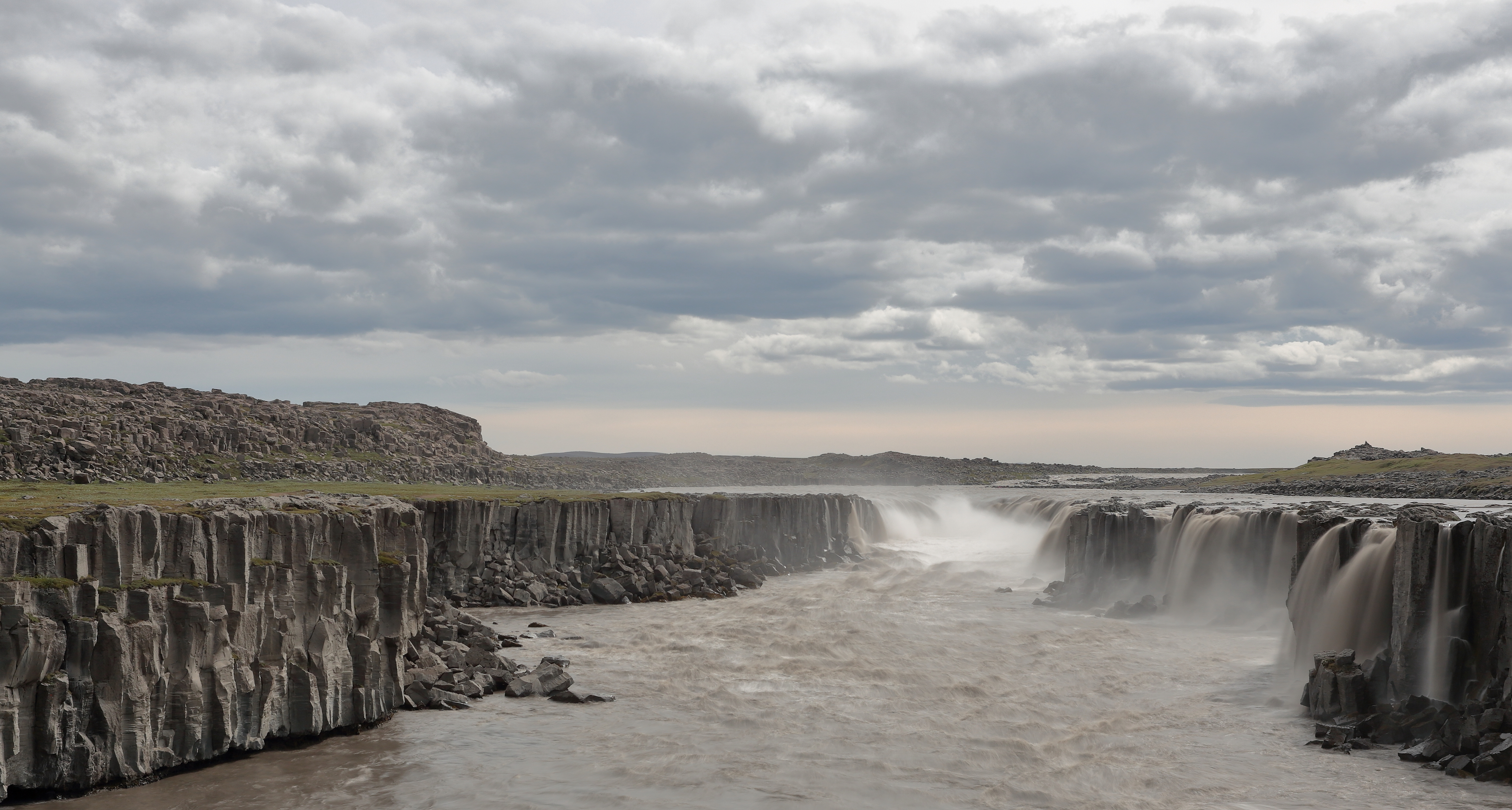
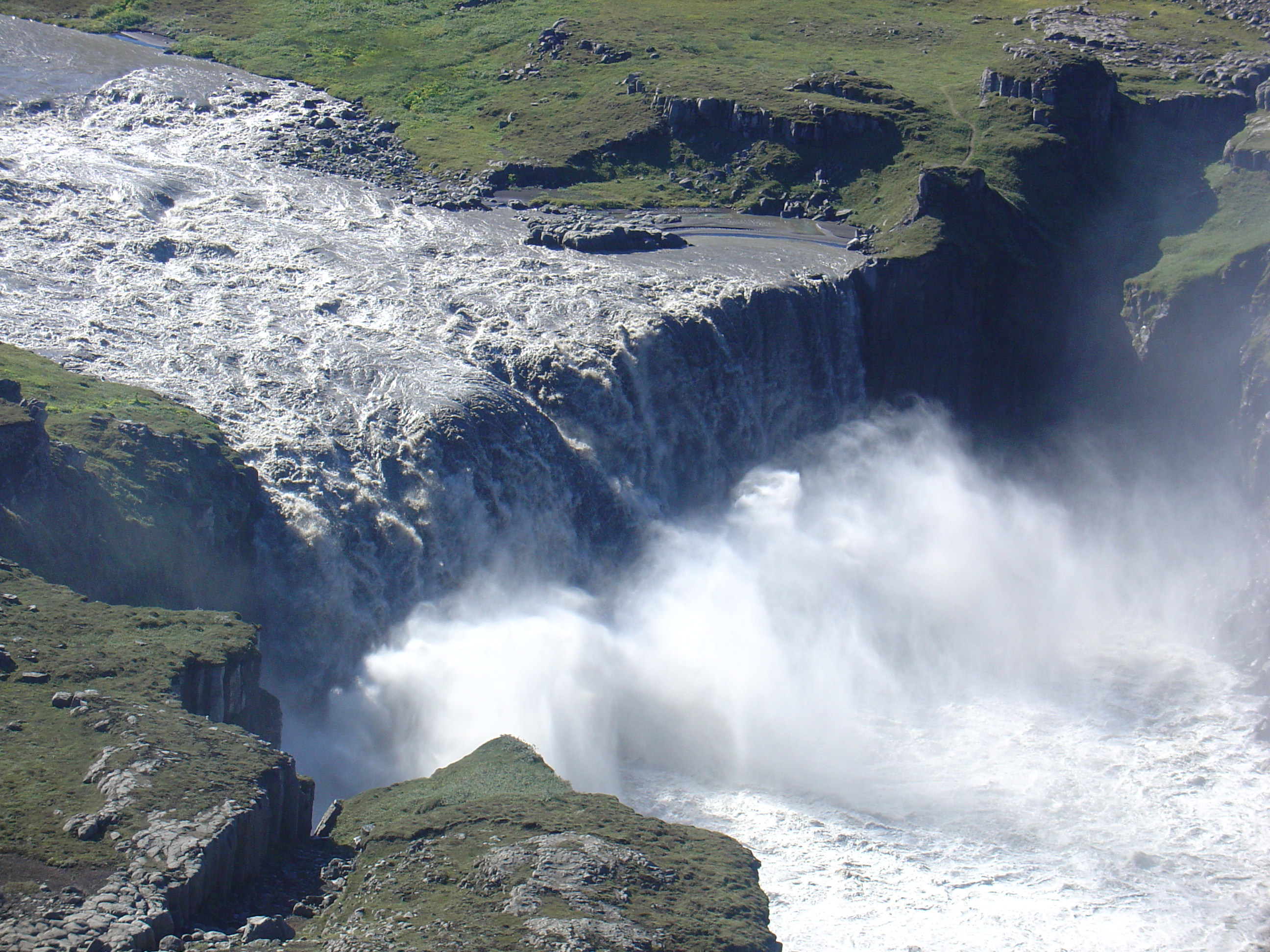
Hafragilsfoss (pronounced “HA‑fra‑gil‑s‑foss”) is a 27‑meter high waterfall located in the Northeast region of Iceland, just a short drive from the charming whale‑watching town of Húsavík. The falls sit at the coordinates 65.832097, -16.399968, where the river Jökulsá á Fjöllum—the same river that powers the mighty Dettifoss—cascades over a narrow basalt gorge before joining the vast river valley.
While the exact altitude of Hafragilsfoss isn’t recorded, its setting at the edge of the Jökulsárgljúfur canyon gives it a dramatic, almost theatrical backdrop. Historically, the waterfall has been part of the traditional travel routes used by Icelandic farmers and early explorers moving between the coastal settlements and the interior highlands. Today, it stands as a key point of interest on the Diamond Circle, a popular tourist loop that showcases the best of Northeast Iceland’s natural wonders.
Why Hafragilsfoss Matters
- Geological significance – The waterfall cuts through layers of volcanic basalt, offering a live lesson in Iceland’s volcanic past.
- Ecological importance – The misty spray creates a micro‑habitat for mosses, lichens, and birdlife that thrive in the cool, damp environment.
- Photographic treasure – With its powerful plunge and surrounding cliffs, Hafragilsfoss provides dramatic lighting conditions, especially during sunrise and sunset.
How to Get There
By Car
The most convenient way to reach Hafragilsfoss is by renting a car in Húsavík (or Akureyri) and heading east on Route 85 toward the Diamond Circle. From Húsavík, the drive is roughly 45 km (28 mi) and takes about 45 minutes on well‑maintained paved roads. Follow the signs for Dettifoss; Hafragilsfoss is located just a few kilometers before the Dettifoss turn‑off, on the west side of the Jökulsá á Fjöllum.
- Parking: A small, free parking lot sits near the viewpoint. Space is limited during peak season, so arrive early if you’re traveling in summer.
- Road conditions: In winter, sections of Route 85 can be icy or snow‑covered. A 4×4 vehicle with winter tires is recommended from November to March.
By Guided Tour
Many local operators in Húsavík and Akureyri offer Diamond Circle day tours that include a stop at Hafragilsfoss. These tours typically provide a knowledgeable guide, transportation in a comfortable minibus, and sometimes a short hike to a better viewpoint.
Public Transport
Iceland’s public bus network does not directly serve Hafragilsfoss. However, you can catch a bus to Mývatn and arrange a taxi or a local ride‑share to the waterfall. This option is less convenient and generally more expensive than renting a car.
Best Time to Visit
| Season | Conditions | Why Visit |
|---|---|---|
| Summer (June‑August) | Long daylight (up to 24 h), mild temperatures (10‑15 °C), fully flowing water | Ideal for photography, hiking, and easy road access |
| Early Autumn (September‑October) | Cooler air, fewer crowds, vibrant foliage | Great for a quieter experience and dramatic sky colors |
| Winter (November‑March) | Snow‑covered landscape, frozen river sections, limited daylight | Spectacular icy scenery, but requires a 4×4 and proper gear |
| Spring (April‑May) | Melting snow increases water volume, occasional rainbows | Perfect for seeing the waterfall at its most powerful |
Peak recommendation: Late June to early August for the best combination of accessibility, weather, and daylight. If you love solitude, aim for mid‑September when the crowds thin but the waterfall remains strong.
What to Expect
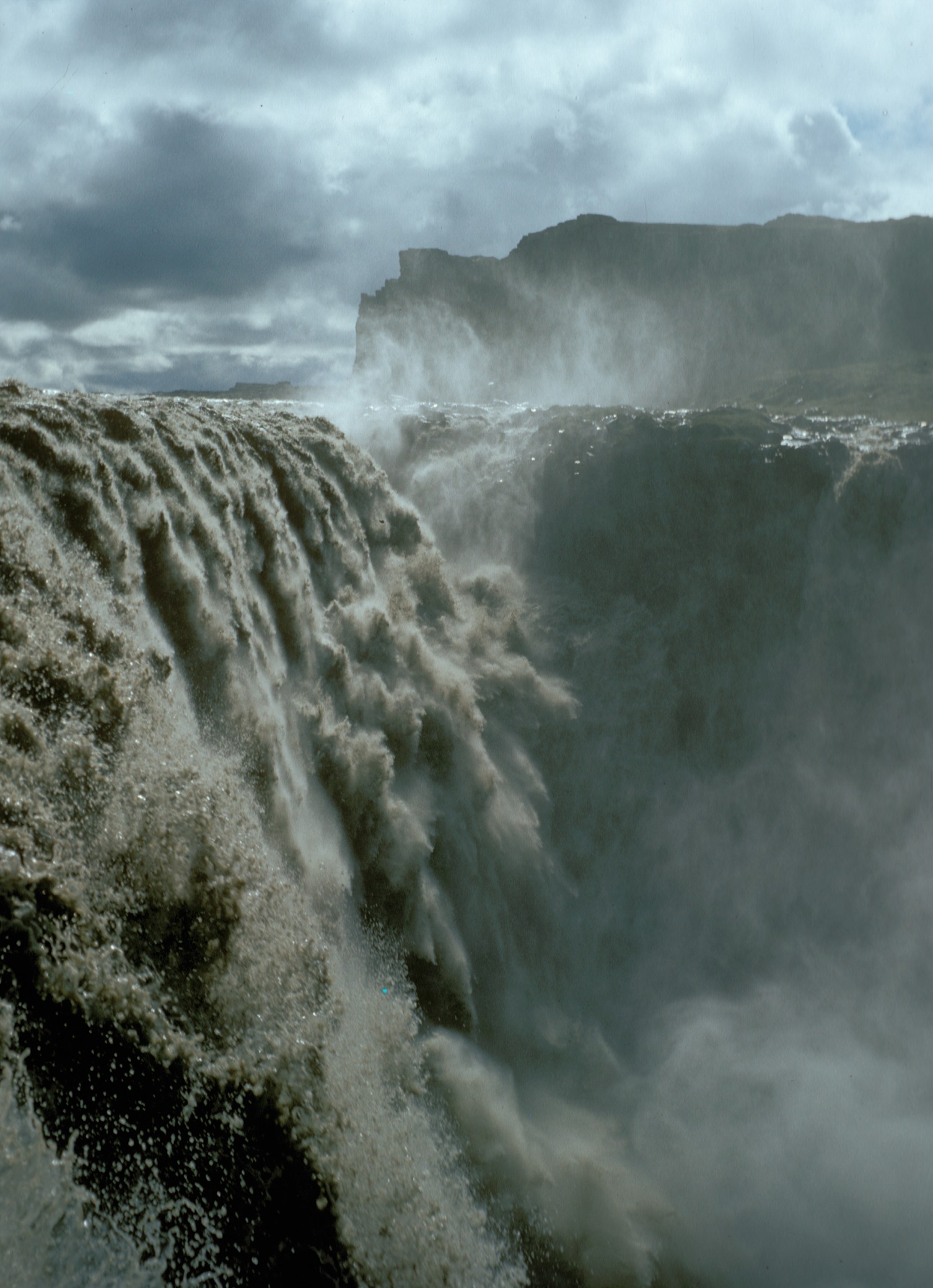
When you arrive at the modest parking area, a short, well‑marked trail leads you to a viewpoint perched on a basalt ledge. From here, you’ll hear the roar of water long before you see it—an exhilarating prelude to the sight of Hafragilsfoss plunging 27 meters into a mist‑filled pool.
- Sensory experience: The constant spray cools the air, creating a refreshing mist that clings to your skin. The sound of the waterfall is a deep, resonant thrum that can be heard from several hundred meters away.
- Scenic backdrop: The waterfall frames a narrow gorge flanked by dark, columnar basalt cliffs. In sunny conditions, rainbows often arc across the spray, adding a magical touch.
- Wildlife: Keep an eye out for Arctic terns, ptarmigan, and occasional reindeer that graze the surrounding heath. The moss‑covered rocks are a haven for tiny alpine flora.
If you’re up for a short hike, a 1‑kilometer trail continues downstream toward the Dettifoss area, offering additional viewpoints of the river’s powerful flow. The terrain is uneven but manageable for most walkers with sturdy shoes.
Nearby Attractions
Hafragilsfoss sits in a hotspot of natural wonders. Here are the top spots you can combine in a single day:
| Attraction | Distance | Type | Quick Note |
|---|---|---|---|
| Spring (Unnamed) | 0.5 km | Spring | A small natural spring that adds to the lushness of the canyon. |
| Spring (Unnamed) | 0.6 km | Spring | Another pristine spring, perfect for a quick photo stop. |
| Spring (Unnamed) | 0.6 km | Spring | A third nearby spring, often surrounded by vibrant moss. |
| Dettifoss (West Side) | 1.9 km | Waterfall | Known as Europe’s most powerful waterfall; the west side offers a dramatic, wind‑swept viewpoint. |
| Dettifoss (East Side) | 2.0 km | Waterfall | The east side provides a more sheltered platform and excellent photo angles. |
- Dettifoss – For an in‑depth look, check out the Wikipedia page: Dettifoss.
- Húsavík – After your waterfall adventure, head back to Húsavík for whale‑watching tours, cozy cafés, and the Húsavík Whale Museum.
Travel Tips
- Dress in layers – Even in summer, the mist can make temperatures feel cooler. Waterproof jackets and sturdy hiking boots are a must.
- Bring a tripod – The low‑light conditions during sunrise or sunset, combined with the waterfall’s motion, are perfect for long‑exposure shots.
- Respect the environment – Stay on marked paths to protect fragile moss and avoid disturbing nesting birds.
- Timing is everything – Arrive early in the morning (around 8 am) to beat the tourist rush and capture the waterfall in soft, golden light.
- Safety first – The rocks near the edge can be slippery. Keep a safe distance from the water’s edge, especially after heavy rain when the flow is strongest.
- Fuel up – Gas stations are sparse in the Northeast. Fill up in Húsavík or Akureyri before heading out.
- Mobile coverage – Cellular signal can be spotty near the falls. Download offline maps (e.g., Google Maps offline area) ahead of time.
Final Thoughts
Hafragilsfoss may not have the global fame of Dettifoss, but its raw power, intimate setting, and proximity to other natural wonders make it a standout highlight on any Iceland itinerary. Whether you’re a seasoned photographer, a nature lover, or simply someone seeking a quiet moment beside a thundering cascade, this waterfall delivers an unforgettable experience that embodies the spirit of Northeast Iceland.
Pack your camera, hit the road, and let Hafragilsfoss surprise you with its hidden beauty. Safe travels!
Keywords: Hafragilsfoss, Iceland waterfall, Northeast Iceland, Húsavík travel, Dettifoss, Diamond Circle, Iceland waterfalls, travel to Iceland, Iceland nature, waterfall hiking Iceland.