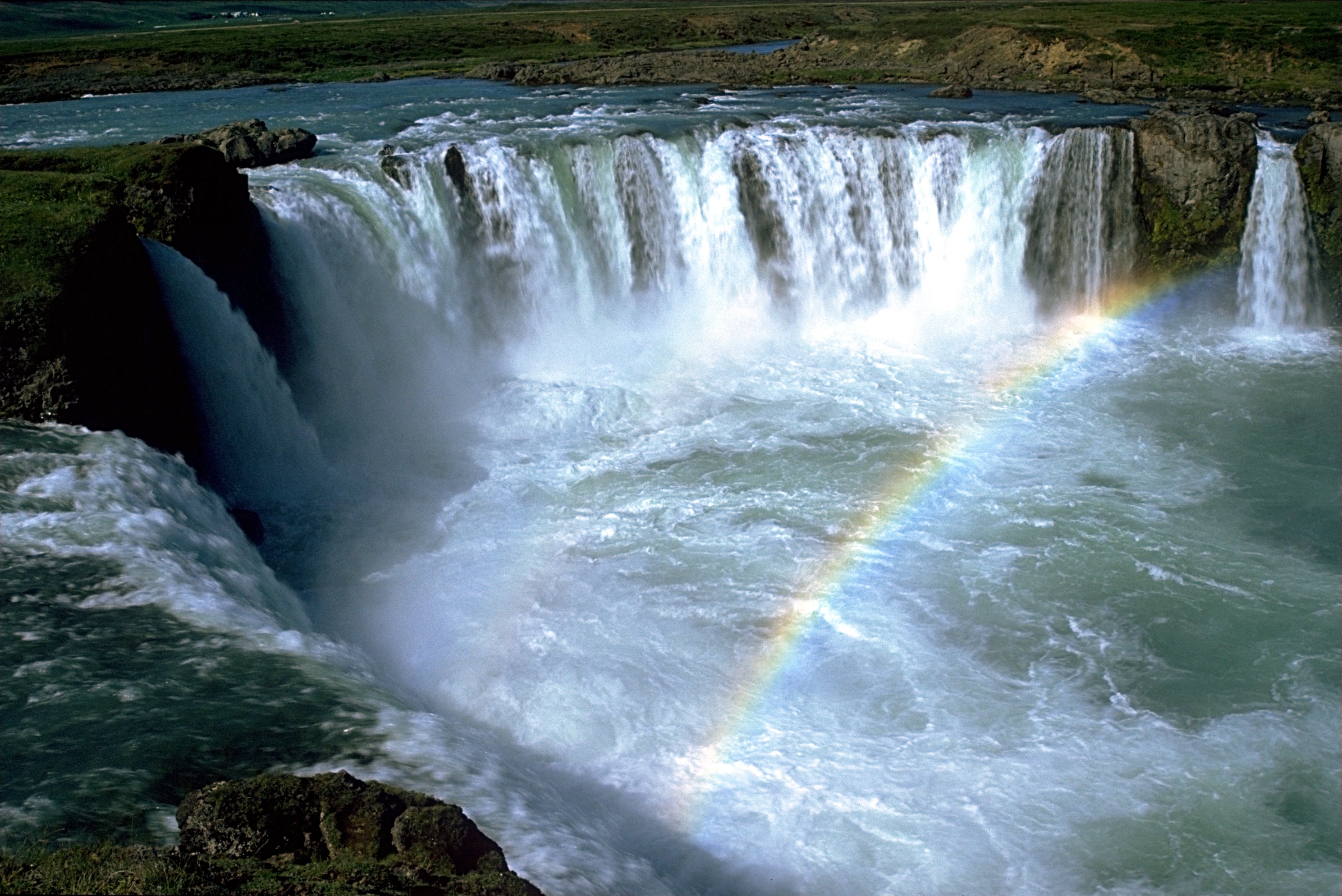
Goðafoss – The “Waterfall of the Gods” in Northeast Iceland
Coordinates: 65.682816, -17.550624 | Height: 12 m | Type: Waterfall 🌊
If you’ve ever dreamed of standing beneath a cascade that feels both ancient and alive, Goðafoss is the place where myth, history, and raw natural power converge. Nestled in the small village of Laugar in Northeast Iceland, this 12‑meter‑high waterfall is more than a photo‑op; it’s a living chapter of Icelandic culture that has inspired travelers for centuries. In this guide, we’ll dive into everything you need to know to make the most of your visit to Goðafoss – from its legendary past to practical tips for getting there, the best season to explore, and nearby wonders you won’t want to miss.
1. About Goðafoss
A waterfall with a story
The name Goðafoss translates directly from Icelandic as “Waterfall of the Gods.” According to the medieval Íslendingabók, the site earned its divine moniker in the year 1000, when Iceland officially converted from Norse paganism to Christianity. Legend says that the chieftain Þorgeir Ljósvetningagoði, who presided over the Alþingi (the national assembly), threw the idols of the old gods into the roaring torrent as a symbolic gesture of the nation’s new faith. Whether the story is fact or folklore, the waterfall’s dramatic plunge and its place in Icelandic history make it a must‑see for culture‑curious travelers.
Geography and physical features
Goðafoss sits on the Skjálfandafljót River, which drains the glacial meltwaters of the nearby Mýrdalsjökull and Vatnajökull ice caps. The waterfall drops a modest 12 meters, but its width—roughly 30 meters—creates a broad curtain of water that shimmers in the Arctic light. Because the waterfall is part of a larger river system, the flow can vary dramatically with the seasons, ranging from a gentle ribbon in winter to a thunderous roar in summer when glacial melt peaks.
Why it matters today
Beyond its historic symbolism, Goðafoss is a focal point for conservation and sustainable tourism in Northeast Iceland. The surrounding area is relatively untouched, offering a pristine backdrop for birdwatching, photography, and quiet contemplation. The site also serves as a natural classroom for geology enthusiasts, showcasing basalt columns and volcanic formations that tell the story of Iceland’s fiery origins.
2. How to Get There
By car – the most flexible option
The easiest way to reach Goðafoss is by renting a car in Akureyri, the capital of North Iceland (about 50 km north of the waterfall). From Akureyri, follow Route 1 (the Ring Road) eastward for roughly 45 minutes. The road is well‑maintained year‑round, though winter travelers should be prepared for icy patches and occasional snowstorms.
- Turn off at the Laugar exit (signposted for Goðafoss).
- Follow the short, paved access road to the designated parking lot just a few hundred meters from the falls.
- The lot is free and offers a clear view of the waterfall from both the upstream and downstream sides.
Public transport
If you prefer not to drive, Strætó (Icelandic public buses) runs a limited service between Akureyri and the town of Húsavík, stopping at Laugar on the way. Check the latest schedule on the Strætó website, as services are infrequent on weekends and may be suspended during heavy winter weather.
From the airport
International travelers typically arrive at Keflavík International Airport (KEF) and then take a domestic flight to Akureyri Airport (AEY). From there, the rental‑car route described above remains the fastest way to reach Goðafoss.
3. Best Time to Visit
| Season | What to Expect | Why It’s Ideal |
|---|---|---|
| Late Spring (May‑June) | Moderate flow, budding lupine fields, longer daylight (up to 20 h). | Perfect for photography with soft light and fewer crowds. |
| Summer (July‑August) | Highest water volume, vibrant green surroundings, occasional rain showers. | Ideal for feeling the full power of the cascade; great for families. |
| Early Autumn (September‑October) | Decreasing flow, golden foliage, cooler temperatures. | Spectacular colors and the chance to catch the Northern Lights on clear nights. |
| Winter (November‑April) | Lower flow, icy formations, possible snow‑covered landscape. | Magical, serene scenes; excellent for aurora‑chasing, but road conditions can be challenging. |
Pro tip: For the most dramatic photos, aim for early morning or late afternoon when the sun hits the water at a low angle, creating rainbows in the mist.
4. What to Expect
When you step onto the viewing platform, the first thing you’ll notice is the thundering sound of water crashing over basalt ledges. The river’s turquoise‑green hue, tinted by glacial silt, contrasts sharply with the dark volcanic rock. From the upstream side, you can walk close enough to feel the spray on your face, while the downstream viewpoint offers a panoramic sweep of the river winding through the valley.
During summer, the surrounding meadow bursts with wildflowers, especially lupines and heather, adding splashes of purple and pink to the scene. In winter, the waterfall can be partially encased in ice, creating a frozen sculpture that glitters under the low Arctic sun.
Wildlife is modest but present: you may spot golden eagles soaring overhead, and the riverbanks sometimes host Arctic foxes or reindeer grazing nearby. The area is quiet, with only the occasional visitor’s footsteps breaking the natural soundtrack.
5. Nearby Attractions
While Goðafoss can easily fill a half‑day, the surrounding region offers several other spectacular waterfalls and natural sites within a short drive:
- Geitafoss – just 0.5 km away. A broader cascade (≈10 m high) that’s perfect for a quick photo stop.
- Barnafoss – 7.3 km to the east. Known for its narrow, turbulent channels, it’s a favorite among hikers.
- Ullarfoss – 10.5 km south‑west. A secluded, multi‑tiered fall that requires a short hike to reach the best viewpoint.
Quick Links
- Goðafoss on Wikipedia (Icelandic)
- Geitafoss – Travel Guide
- Barnafoss – Visitor Info
- Ullarfoss – Hiking Trail
If you have extra time, consider extending your road trip to Húsavík (famous for whale watching) or the Mývatn lake region, both less than an hour’s drive from Laugar.
6. Travel Tips
| Tip | Details |
|---|---|
| Dress in layers | Icelandic weather changes quickly. Bring waterproof outerwear, warm mid‑layers, and sturdy waterproof boots. |
| Bring a tripod | The waterfall’s mist can blur handheld shots; a tripod ensures crisp images, especially in low light. |
| Stay safe on icy paths | In winter, the viewing area can be slippery. Use crampons or microspikes if you plan to walk on the riverbank. |
| Respect the environment | Stick to marked paths, avoid stepping on fragile moss, and pack out all trash. |
| Timing for the Northern Lights | If you’re visiting between September and April, stay after sunset; the dark sky above Goðafoss can be a spectacular foreground for auroras. |
| Food & drink | Laugar has a small café offering hot soup and coffee—perfect for warming up after a walk. Bring snacks if you’re heading to the more remote falls. |
| Currency & payment | Iceland uses the Icelandic króna (ISK). Credit cards are accepted everywhere, but it’s handy to have a small cash reserve for remote fuel stations. |
| Cell coverage | Mobile reception is generally good along Route 1, but signal can drop near the falls. Download offline maps before you set out. |
7. Final Thoughts
Goðafoss is a must‑see landmark for anyone traveling through Northeast Iceland. Its blend of natural beauty, cultural mythology, and accessible location makes it a perfect stop on the iconic Ring Road itinerary. Whether you’re a seasoned photographer chasing the perfect rainbow, a history buff intrigued by the tale of Iceland’s conversion, or simply a traveler seeking a peaceful spot to breathe in the Arctic air, Goðafoss delivers an unforgettable experience.
Plan your trip, pack your sense of adventure, and let the “Waterfall of the Gods” remind you why Iceland remains one of the world’s most enchanting destinations.
Keywords: Goðafoss, Iceland waterfalls, Northeast Iceland travel, Ring Road Iceland, best time to visit Goðafoss, how to get to Goðafoss, nearby attractions Laugar, Geitafoss, Barnafoss, Ullarfoss, Iceland travel tips.

