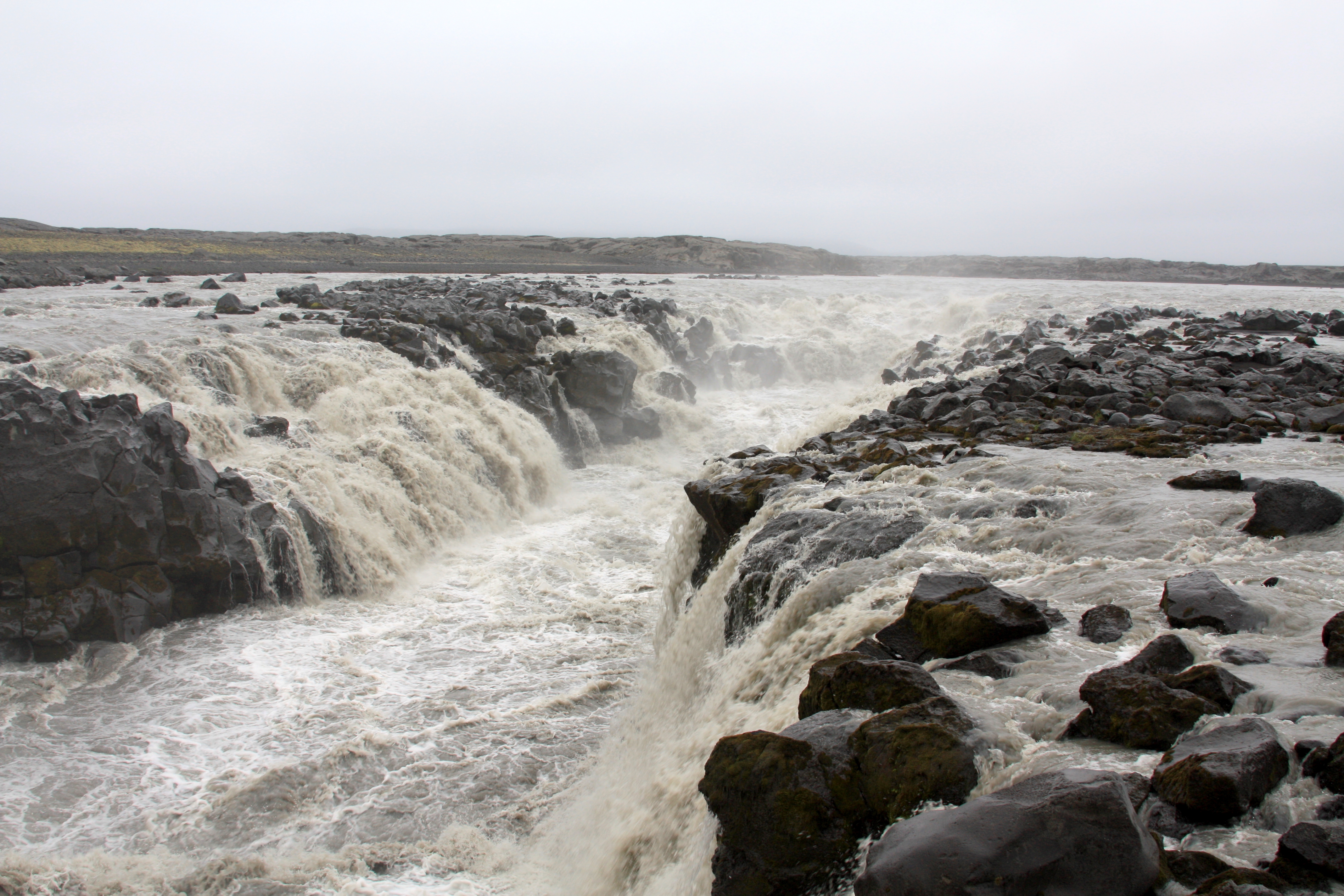
Gljúfrasmiður Waterfall – A Hidden Gem in Northeast Iceland
Discover the quiet power of Gljúfrasmiður, the secluded waterfall tucked away near Lau gar in the rugged landscapes of Northeast Iceland.
Introduction
If you’ve ever dreamed of standing beneath a pristine cascade far from the crowds, Gljúfrasmiður is the answer. Nestled in the remote reaches of the Icelandic highlands, this waterfall (🌊) offers a raw, untouched experience that feels like stepping into a secret chapter of Iceland’s natural story. With its crystal‑clear water tumbling over ancient basalt and the endless Arctic sky stretching above, Gljúfrasmiður is the perfect destination for adventure‑hungry travelers, photographers, and anyone craving a genuine slice of Icelandic wilderness.
About Gljúfrasmiður
What Is Gljúfrasmiður?
Gljúfrasmiður (pronounced GLYOO‑fra‑smee‑thoor) is a waterfall located near the small settlement of Lau gar in the Northeast region of Iceland. Its exact height and altitude remain undocumented, adding an air of mystery that draws explorers eager to uncover the unknown. The waterfall sits at latitude 65.161222° N and longitude ‑16.202060° W, positioned within a landscape shaped by volcanic activity, glacial meltwater, and centuries of erosion.
Historical and Cultural Significance
While specific historical records about Gljúfrasmiður are scarce, waterfalls have always held a special place in Icelandic folklore and daily life. They were traditionally viewed as sources of power and purification, often linked to myths about hidden spirits (the huldufólk) and ancient sagas. The name itself—Gljúfra meaning “canyon” or “gorge” and smiður meaning “smith” or “craftsman”—suggests a place where nature has “crafted” a dramatic gorge, a fitting tribute to the forces that shaped this part of the island.
The nearby village of Lau gar, known for its geothermal pools, has long served as a waypoint for travelers heading deeper into the highlands. Gljúfrasmiður, though less visited than iconic sites like Dettifoss or Goðafoss, contributes to the region’s reputation as a haven for those seeking solitude and authentic Icelandic scenery.
How to Get There
Reaching Gljúfrasmiður requires a blend of careful planning and a spirit of adventure. Here’s a step‑by‑step guide:
| Step | Details |
|---|---|
| 1. Fly into Iceland | Most international visitors land at Keflavík International Airport (KEF) near Reykjavík. |
| 2. Drive to Akureyri | From Reykjavík, rent a 4×4 vehicle (essential for highland roads) and take Route 1 (the Ring Road) northward—approximately 380 km, 5–6 hours. |
| 3. Head East to Lau gar | From Akureyri, continue on Route 1 eastward, then turn onto Route 864 toward the small settlement of Lau gar. The distance from Akureyri to Lau gar is roughly 150 km (2 hours). |
| 4. Follow Local Roads | From Lau gar, follow the Grímsstaðir road (F‑road) heading southeast. The final stretch to the waterfall is unpaved and may require a high‑clearance vehicle. Look for signs pointing to the Gljúfrasmiður trailhead. |
| 5. Hike to the Falls | The walking distance from the trailhead to the waterfall is short—about 200 m of gentle terrain leading to the water’s edge. Wear sturdy boots and bring a rain jacket, as the spray can be misty even on sunny days. |
Important Travel Notes
- F‑Roads: Many highland routes in Iceland are classified as F‑roads (mountain roads). They are not paved and can be closed during winter or after heavy rain. Always check the latest road conditions on the Icelandic Road and Coastal Administration (Vegagerðin) website before setting out.
- Fuel: Fill up in larger towns (e.g., Akureyri) before heading into the highlands; gas stations become sparse.
- Safety: Mobile reception can be limited. Carry a physical map, a GPS device, and let someone know your itinerary.
Best Time to Visit
Gljúfrasmiður is a year‑round destination, but the experience varies dramatically with the seasons:
| Season | Highlights | Considerations |
|---|---|---|
| Late Spring (May‑June) | Snow melt swells the waterfall, creating powerful flows and vibrant green mosses. Daylight stretches past 22 hours, giving you ample time for exploration. | Some highland roads may still be icy; check for early‑season closures. |
| Summer (July‑August) | Warm temperatures (10‑15 °C) and fully accessible roads make this the most popular period. Ideal for photography, as the midnight sun paints the water in golden hues. | Expect more visitors at nearby attractions; arrive early for solitude. |
| Early Autumn (September‑October) | The landscape turns golden, and the waterfall’s mist catches the soft autumn light. Fewer crowds and the possibility of the Northern Lights at night. | Weather can become unpredictable; rain may make trails slippery. |
| Winter (November‑April) | A magical, icy tableau—frozen cascades, snow‑covered cliffs, and the chance to witness the aurora borealis dancing above. | Access is limited; many F‑roads close. Only attempt with a 4×4, winter tires, and extensive experience in winter driving. |
Optimal window: Late June through early September offers the best combination of accessibility, weather, and daylight for most travelers.
What to Expect
The Senses
- Sight: Gljúfrasmiður’s water plunges into a deep, narrow gorge, framed by dark basalt columns. In summer, the surrounding vegetation bursts with lichen and dwarf birch, while in winter the falls may partially freeze, creating delicate icicle sculptures.
- Sound: The roar of the cascade is surprisingly loud for its modest size, echoing off the canyon walls and creating a natural symphony that drowns out distant wind.
- Touch: The spray can be refreshing on a warm day, but bring waterproof clothing if you plan to get close. The rocks are often slick; sturdy boots are a must.
- Smell: A clean, crisp scent of mineral-rich water mingles with the subtle aroma of Icelandic moss and wildflowers.
Photographic Opportunities
- Long Exposure: Capture silky water threads by using a tripod and a slow shutter speed.
- Golden Hour: The low sun behind the gorge creates dramatic shadows and a warm glow that highlights the waterfall’s textures.
- Northern Lights: In the dark winter months, the waterfall can serve as a foreground element for aurora photography—just be prepared for sub‑zero temperatures.
Nearby Attractions
While Gljúfrasmiður is the star of the show, the surrounding region offers several other natural wonders within a short drive:
| Attraction | Type | Distance from Gljúfrasmiður | Link |
|---|---|---|---|
| Unnamed Spring | Spring | 20.5 km (NE) | — |
| Unnamed Waterfall | Waterfall | 20.5 km (NE) | — |
| Drekafoss | Waterfall | 23.1 km (NE) | Drekafoss Wikipedia |
| Laugavallalaug | Waterfall (and natural pool) | 26.7 km (E) | Laugavallalaug Wikipedia |
| Unnamed Spring | Spring | 26.8 km (NE) | — |
Tip: Combine a day trip to Drekafoss—a dramatic, multi‑tiered cascade—and a relaxing soak at Laugavallalaug, a natural geothermal pool, for a balanced adventure of water power and soothing warmth.
Travel Tips
- Pack Layers: Weather in Northeast Iceland can shift from sunny to rainy in minutes. Bring waterproof outerwear, insulated layers, and a hat/gloves even in summer.
- Bring Snacks & Water: Services are limited in the highlands. Pack enough food for the day, plus extra in case of road delays.
- Respect the Environment: Stick to marked paths, avoid trampling fragile moss, and take all trash with you. Iceland’s ecosystems are delicate and recover slowly.
- Photography Gear: A wide‑angle lens (14‑24 mm) works well for capturing the canyon. Carry spare batteries—cold weather drains them quickly.
- Timing: Arrive early (before 9 am) during peak summer months to enjoy the waterfall with fewer visitors and softer light.
- Safety First: The rocks near the water can be slippery. Never climb on unstable sections, and keep a safe distance from the edge, especially when the flow is strong.
- Local Culture: If you pass through Lau gar, consider a quick stop at the town’s geothermal pool. It’s a perfect way to unwind after a day of exploring the highlands.
Final Thoughts
Gljúfrasmiður may not appear on every travel brochure, but that’s precisely why it belongs on your Iceland itinerary. Its untouched beauty, combined with the raw, rugged character of Northeast Iceland, offers a travel experience that feels both adventurous and profoundly peaceful. Whether you’re chasing the midnight sun, hunting for the Northern Lights, or simply yearning for a quiet place to listen to the roar of water against stone, Gljúfrasmiður invites you to step off the beaten path and discover a hidden masterpiece of nature.
Pack your boots, charge your camera, and let the cascade of Gljúfrasmiður become a memorable chapter in your Icelandic adventure. Safe travels! 🌍✈️


