Dettifoss – Iceland’s Most Powerful Waterfall
If you’ve ever dreamed of standing at the edge of raw, thundering nature, Dettifoss in Northeast Iceland is the place where that dream becomes a reality. With a 45‑metre drop and a roar that can be heard from miles away, this iconic waterfall is a must‑see on any Icelandic adventure. In this guide we’ll dive into everything you need to know about Dettifoss – from its fascinating background to practical travel tips, the best time to visit, and the hidden gems that lie just a stone’s throw away.
About Dettorefs
Dettifoss (pronounced “DEH‑ti‑fos”) is a waterfall located near Husavik in the rugged northeast of Iceland. Its coordinates are 65.814301, -16.384395, placing it squarely within the dramatic volcanic landscape that defines the country. At 45 m high, Dettifoss is not the tallest waterfall in Iceland, but it is widely regarded as the most powerful – the volume of water thundering over the cliff creates an awe‑inspiring spectacle that has earned it a spot on the UNESCO World Heritage list as part of the Jökulsá á Fjöllum river system.
The waterfall’s power is a direct result of the meltwater from the surrounding glaciers, which swells the river in spring and summer. This relentless flow has carved deep canyons over millennia, shaping the stark, basalt‑laden terrain that frames the falls today. For centuries, Dettifoss has been a natural landmark for Icelandic travelers and a source of folklore, often described as the “gate of the underworld” because of its deafening roar and mist‑filled veil.
How to Get There
Reaching Dettifoss is surprisingly straightforward, even though it feels like you’re venturing into the wild. Here’s a step‑by‑step guide for the most common entry points:
| Starting Point | Typical Route | Approx. Travel Time |
|---|---|---|
| Reykjavik | Drive the Ring Road (Route 1) north to Akureyri, then continue east on Route 1 to the junction for Route 864 (the Dettifoss road). Follow the signs to the waterfall. | 5–6 hours |
| Akureyri | Take Route 1 eastward, then turn onto Route 864 toward Dettifoss. | 2.5–3 hours |
| Husavik | Follow Route 1 east, then turn onto Route 864. Husavik is only about 30 km away, making it the quickest gateway. | 45 minutes |
| Selfoss (waterfall) | From the Selfoss viewpoint (1 km away) follow the marked trail or road signs toward the main Dettifoss parking area. | 5‑10 minutes |
Parking & Access: There are two official parking lots – one on the east side (more accessible for those with standard vehicles) and one on the west side (offering a slightly higher viewpoint). Both are free and equipped with basic facilities such as restrooms and information boards.
Road Conditions: The road to Dettifoss can be gravelly and steep, especially on the west side. A 4×4 vehicle is recommended during winter months, but a regular car will manage in summer when the surface is dry.
Best Time to Visit
Dettifoss is spectacular year‑round, but the experience changes dramatically with the seasons:
| Season | What to Expect | Why It’s Ideal |
|---|---|---|
| Summer (June‑August) | Warm daylight, lush moss, and the river at its fullest due to glacier melt. | Perfect for photography, easy hiking, and longer visiting hours. |
| Autumn (September‑October) | Golden foliage, fewer crowds, and still‑strong water flow. | Great for serene shots and comfortable temperatures. |
| Winter (November‑March) | Ice‑covered surroundings, frozen mist, and a dramatic, otherworldly atmosphere. | Ideal for adventurous travelers who love stark, icy landscapes (road access may require a 4×4). |
| Spring (April‑May) | Thawing ice, increasing water volume, and blooming wildflowers. | A balance of powerful water flow and milder weather. |
Peak Visitor Times: July and early August see the highest foot traffic. If you prefer a quieter experience, aim for late May, early September, or even a winter visit (provided you’re prepared for cold conditions).
What to Expect
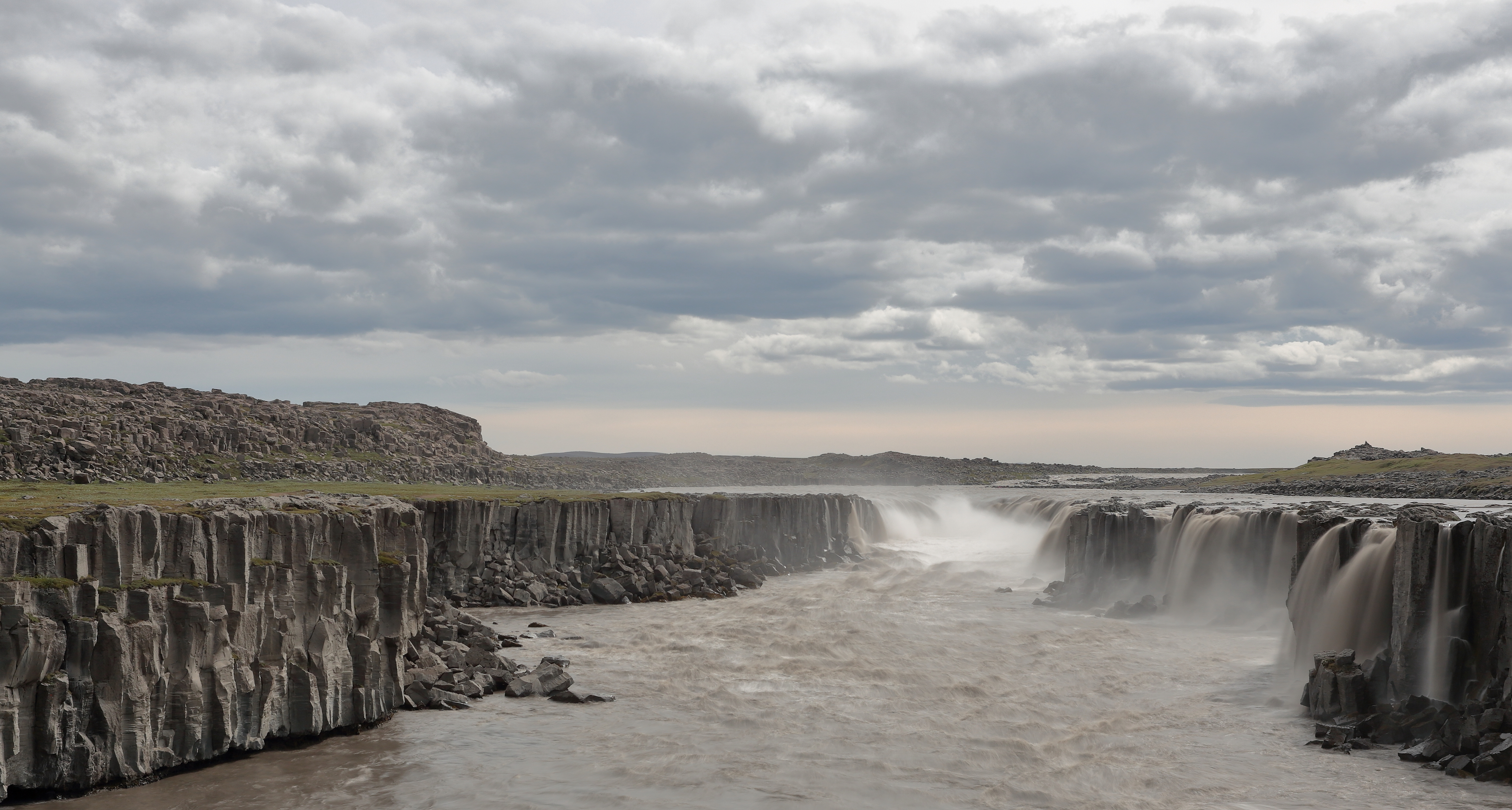
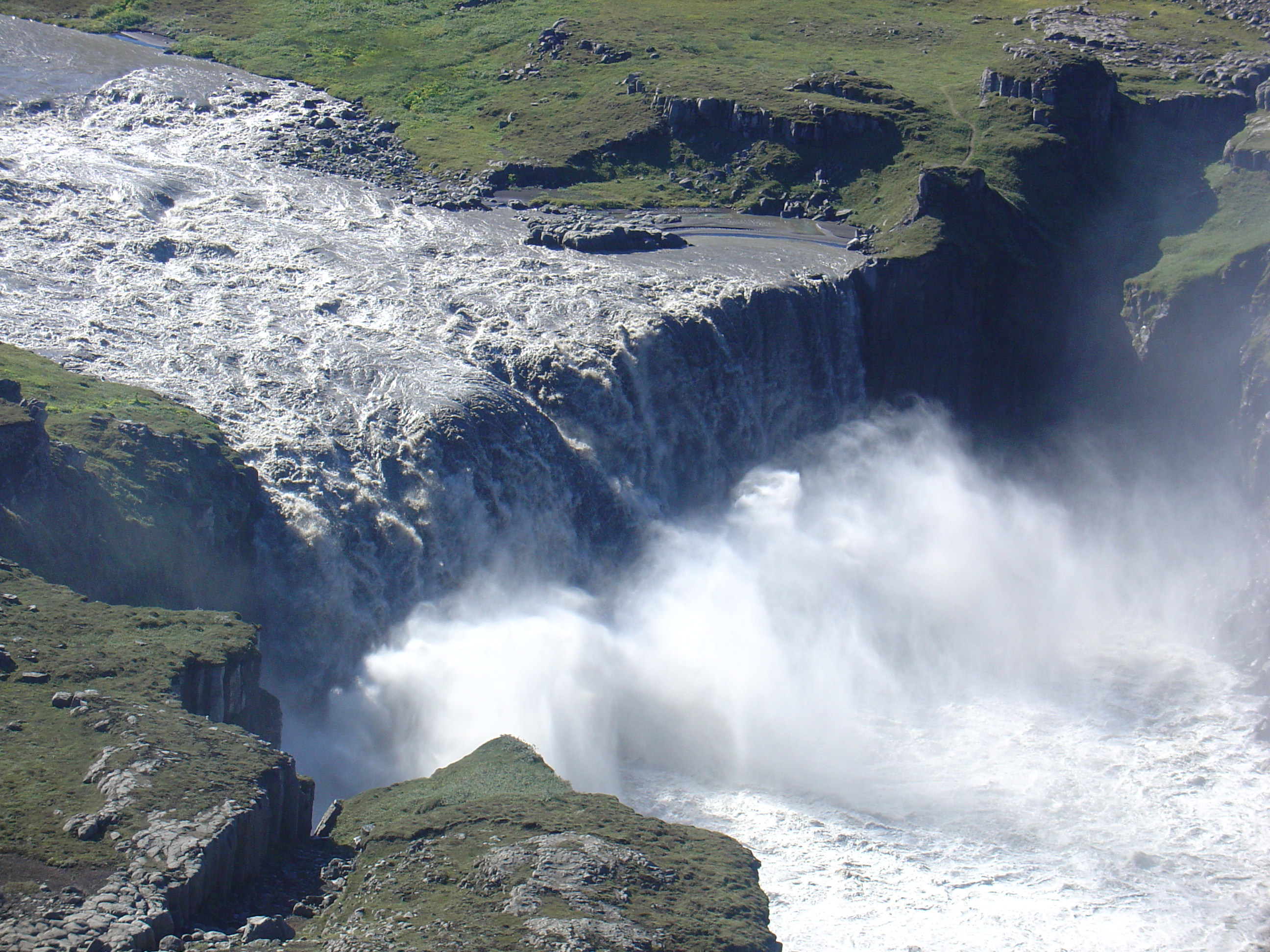
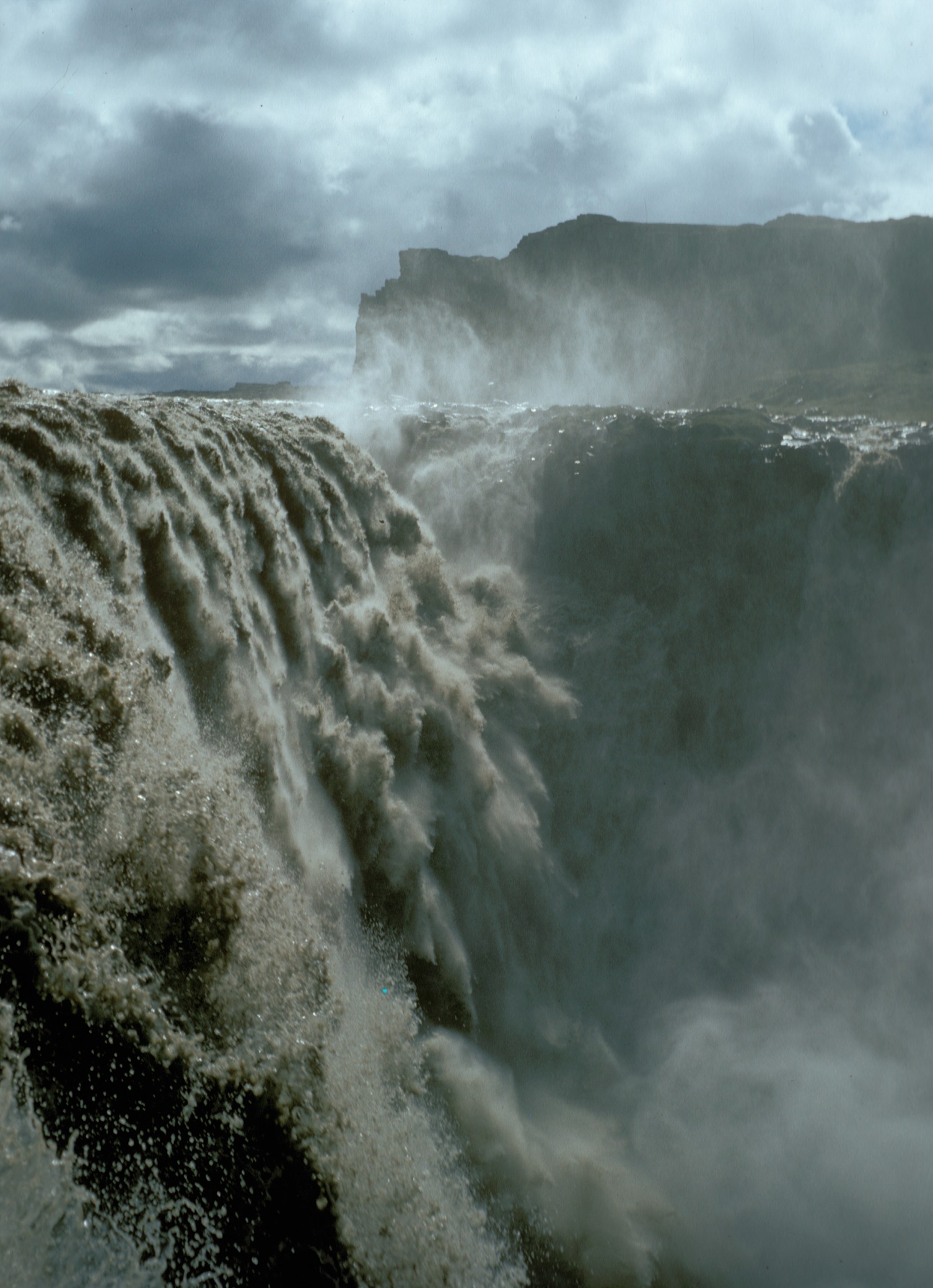
Standing at the edge of Dettifoss, you’ll feel the ground vibrate as millions of liters of water plunge over the cliff. The roar is deafening, and a fine mist constantly blankets the surrounding rocks, creating a permanent rainbow on sunny days. The viewpoint on the east side offers a panoramic vista that captures the full width of the falls, while the west side provides a more intimate, close‑up perspective of the cascading water.
The area is well‑marked with safety railings, but the terrain can be slippery, especially when the mist settles. Expect a short, well‑maintained trail from the parking lot to the viewing platforms – it’s accessible for most walkers, though sturdy hiking boots are advisable.
Photography enthusiasts will love the interplay of light, water, and basalt columns. Early morning or late afternoon light creates dramatic shadows, and the mist often produces vivid rainbows that add a magical touch to your shots.
Nearby Attractions
Dettifoss doesn’t stand alone; the surrounding region is a playground for nature lovers. Here are the top spots you can explore within a short walk or drive:
-
Dettifoss (East Side) – The main viewing platform on the east bank, offering the classic panorama of the waterfall.
Learn more -
Dettifoss (West Side) – A slightly higher viewpoint that brings you closer to the roaring water.
Learn more -
Selfoss (waterfall) – Located just 1 km away, this smaller cascade provides a tranquil contrast to Dettifoss’s power.
Learn more -
Selfoss (waterfall) – Alternate Trail – Another access point to the Selfoss cascade, perfect for a quick side‑trip.
Learn more
All of these attractions are easily reachable on foot or via the same road network that leads to Dettifoss, making it simple to create a full‑day itinerary without backtracking.
Travel Tips
-
Dress for the Mist – Even in summer, the spray from Dettifoss can soak you instantly. Wear waterproof jackets, quick‑dry layers, and bring a spare pair of socks.
-
Footwear Matters – Sturdy, non‑slip hiking boots are essential. The paths are rocky and can be slick from the constant spray.
-
Timing Your Visit – Arrive early (before 9 am) in peak summer months to avoid crowds and capture the soft morning light.
-
Stay Hydrated & Pack Snacks – Facilities are limited near the waterfall. Bring water, energy bars, and a thermos of hot tea for winter visits.
-
Respect the Environment – Stick to marked trails, avoid climbing on rocks, and pack out any trash. The delicate moss and lichens can take decades to recover.
-
Photography Gear – A wide‑angle lens works wonders for capturing the full breadth of the falls. A polarizing filter helps reduce glare from the mist and brings out the rainbow colors.
-
Safety First – The viewing platforms have railings, but the ground can be uneven. Keep a safe distance from the edge, especially on windy days when the mist can be disorienting.
-
Vehicle Prep – If you’re traveling in winter, ensure your rental car is equipped with winter tires and, if possible, a spare tire. Check road conditions on the Icelandic Road and Coastal Administration website before setting out.
-
Combine with Other Activities – The northeast region is also famous for whale watching in Husavik, volcanic landscapes in Lake Mývatn, and the geothermal area of Hverir. Consider extending your trip to include these experiences.
Final Thoughts
Dettifoss is more than just a waterfall; it’s a living testament to Iceland’s untamed power and pristine beauty. Whether you’re chasing the perfect photograph, seeking a moment of awe, or simply want to feel the raw energy of nature under your feet, this iconic cascade delivers on all fronts. By planning your visit with the right timing, gear, and a sense of adventure, you’ll walk away with memories (and photos) that truly capture the spirit of Iceland’s northeast.
Ready to feel the roar? Pack your boots, hit the road, and let Dettifoss remind you why Iceland remains one of the world’s most unforgettable travel destinations.