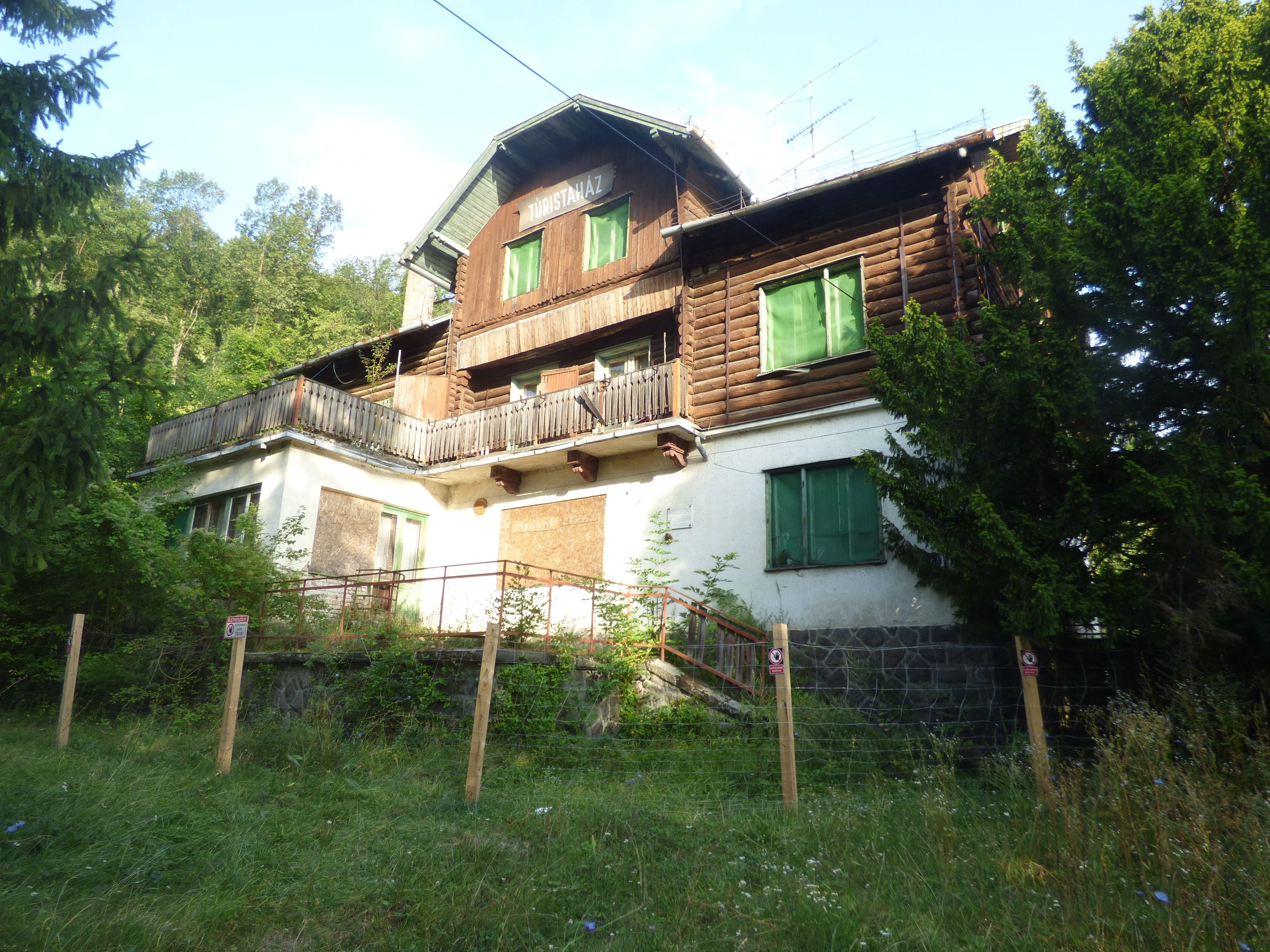
Lajos‑forrás: A Hidden Spring Oasis in Csobanka, Pest, Hungary
Discover the crystal‑clear waters, tranquil forest paths, and the charm of rural Pest County at this off‑the‑beaten‑track natural gem.
Introduction
If you’re chasing the quieter side of Hungarian nature, the spring known as Lajos‑forrás should be at the top of your list. Tucked away in the gentle hills of Csobanka in Pest County, this modest water source offers a refreshing pause from the bustling streets of Budapest. With its pristine water (quality verified in 2013) and a surrounding landscape that feels worlds away from the capital, Lajos‑forrás is the perfect spot for hikers, photographers, and anyone who loves a good splash of natural serenity.
About Lajos‑forrás
What Is Lajos‑forrás?
- Type: Natural spring 💧
- Location: Csobanka, Pest, Hungary
- Coordinates: 47.689114 N, 18.985156 E
- Water Quality: Tested and confirmed clean in 2013
Lajos‑forrás is one of the many springs of Pest County that feed the region’s rich groundwater system. While the exact altitude and depth of the spring remain undocumented, the water emerges clear, cool, and mineral‑rich—typical of the limestone formations that underlie much of central Hungary.
A Brief Historical Note
The spring’s name, “Lajos‑forrás,” translates to “Louis’s Spring” in Hungarian. Although specific historical records are scarce, the naming convention suggests a local tradition of honoring notable figures or landowners. The spring has long served the surrounding villages as a reliable source of fresh water, and its presence helped shape the modest agricultural settlement of Csobanka.
Why It Matters
- Ecological Value: Springs like Lajos‑forrás sustain local flora and fauna, creating micro‑habitats for amphibians, insects, and birds.
- Cultural Significance: Rural springs have been gathering points for communities for centuries, often featuring in folk tales and local customs.
- Recreational Appeal: The clear water invites a quick drink, a splash on a hot summer day, or simply a moment of quiet contemplation.
For a deeper dive into the spring’s background, you can visit the Hungarian‑language Wikipedia page: Lajosforrás (Hungarian Wikipedia).
How to Get There
By Car
- From Budapest: Take the M0 ring road eastward and exit onto Route 10 toward Gödöllő.
- Continue on Route 10 for roughly 30 km, then follow signs for Csobanka (approximately 12 km from the Gödöllő junction).
- In Csobanka, look for local road signs pointing to “Lajos‑forrás” or ask a resident for the forest trailhead near the village center.
Parking: Small rural parking spots are available near the trail entrance. Expect a gravel lot—no fees, but bring a spare tire or be prepared for narrow lanes.
By Public Transport
- Train: Take the Budapest–Gödöllő suburban line (S‑line) and alight at Gödöllő station.
- Bus: From Gödöllő, catch the local bus 212 toward Csobanka (the bus runs every 1–2 hours on weekdays, less frequently on weekends).
- Walk/Taxi: The spring sits about 2 km from the Csobanka village center. A short taxi ride or a pleasant 20‑minute walk through the countryside will bring you to the trailhead.
On Foot or Bike
If you love cycling, the Pest County bike routes connect Budapest to Csobanka via quiet country roads. The ride is roughly 45 km and offers scenic views of farmland, woodlands, and small villages.
Best Time to Visit
| Season | What to Expect | Why It’s Ideal |
|---|---|---|
| Spring (April‑June) | Budding trees, fragrant wildflowers, moderate temperatures (12‑20 °C). | The spring’s water is at its freshest, and the surrounding forest is alive with color. |
| Summer (July‑August) | Warm days (25‑30 °C), longer daylight. | Perfect for a cool dip in the spring’s clear pool; bring sun protection. |
| Autumn (September‑October) | Golden foliage, crisp air (10‑18 °C). | Photographers love the soft light; fewer visitors, peaceful atmosphere. |
| Winter (November‑March) | Snow‑capped hills, occasional frost. | The spring may be partially frozen, offering a unique, serene landscape for contemplative walks. |
Overall, late spring to early autumn provides the most comfortable hiking conditions and the richest natural scenery.
What to Expect
The Arrival
As you step onto the marked forest path, the sound of rustling leaves and distant birdcalls greets you. The trail is modest—mostly compacted earth with occasional wooden boardwalk sections to protect the softer ground near the water’s edge.
The Spring Itself
Lajos‑forrás emerges from a shallow stone basin, its water bubbling gently over smooth rocks. The pool beneath the spring is crystal clear, reflecting the canopy above like a natural mirror. You’ll notice a faint, pleasant mineral scent—common in springs that flow through limestone.
Surrounding Landscape
- Flora: Birch, oak, and hazel trees dominate the immediate area, interspersed with patches of blue‑bell (Kékvizű) flowers—especially vibrant in May.
- Fauna: Keep an eye out for European green lizards, small dragonflies, and the occasional kingfisher darting over the water.
- Atmosphere: The combination of cool water, shaded trees, and the gentle hum of insects creates a meditative setting ideal for a short picnic or a quiet reading session.
Facilities
There are no formal amenities (no restrooms or cafés). However, the natural setting encourages a “leave no trace” ethic—bring a reusable water bottle, pack out any trash, and respect the delicate ecosystem.
Nearby Attractions
While Lajos‑forrás is the star of the day, the surrounding area offers several other natural gems within a short walk or bike ride:
| Attraction | Distance | Highlights | Link |
|---|---|---|---|
| Kékvizű‑forrás (Spring) | 0.7 km | Known for its striking blue‑bell blossoms in spring. | — |
| Unnamed Spring | 0.8 km | A quiet water source, perfect for a short detour. | — |
| Unnamed Spring | 1.1 km | Another pristine spring tucked in the woods. | — |
| Dömörkapui vízesés (Waterfall) | 1.2 km | A modest cascade that adds a soothing soundtrack to the forest. | — |
| Helyiiparos‑forrás (Spring) | 1.4 km | A lesser‑known spring with a small, clear pool. | — |
Tip: Create a mini “spring‑hopping” itinerary: start at Lajos‑forrás, walk north to Kékvizű‑forrás, then head east to the waterfall for a refreshing finish.
Travel Tips
- Dress Appropriately – Wear sturdy hiking shoes with good grip; the trail can be slippery near the water. Layered clothing works best for changing temperatures.
- Bring a Reusable Bottle – The spring water is safe to drink (quality verified in 2013), so refill on the go and reduce plastic waste.
- Timing – Arrive early in the morning, especially on weekends, to avoid the small crowd that gathers around midday.
- Navigation – GPS works well with the coordinates 47.689114, 18.985156. Download offline maps of Pest County in case of spotty mobile coverage.
- Respect the Environment – Stay on marked paths, avoid picking wildflowers, and never leave food waste near the water.
- Photography – The best light is early morning or late afternoon when the sun filters through the canopy, casting a soft glow on the spring. A polarizing filter can help reduce glare on the water surface.
- Safety – The water can be cold even in summer; test the temperature before fully immersing yourself. If you have small children, keep a close watch near the water’s edge.
Final Thought
Lajos‑forrás may not appear on every tourist brochure, but that’s precisely what makes it a must‑visit for authentic Hungarian nature lovers. Whether you’re sipping cool spring water, snapping photos of the surrounding forest, or exploring the nearby springs and waterfall, this hidden oasis offers a genuine taste of Pest County’s tranquil beauty. Pack your backpack, follow the coordinates, and let the whisper of the spring guide you into a peaceful corner of Hungary that few travelers ever get to experience.
Happy travels, and may your path be as clear as the waters of Lajos‑forrás!