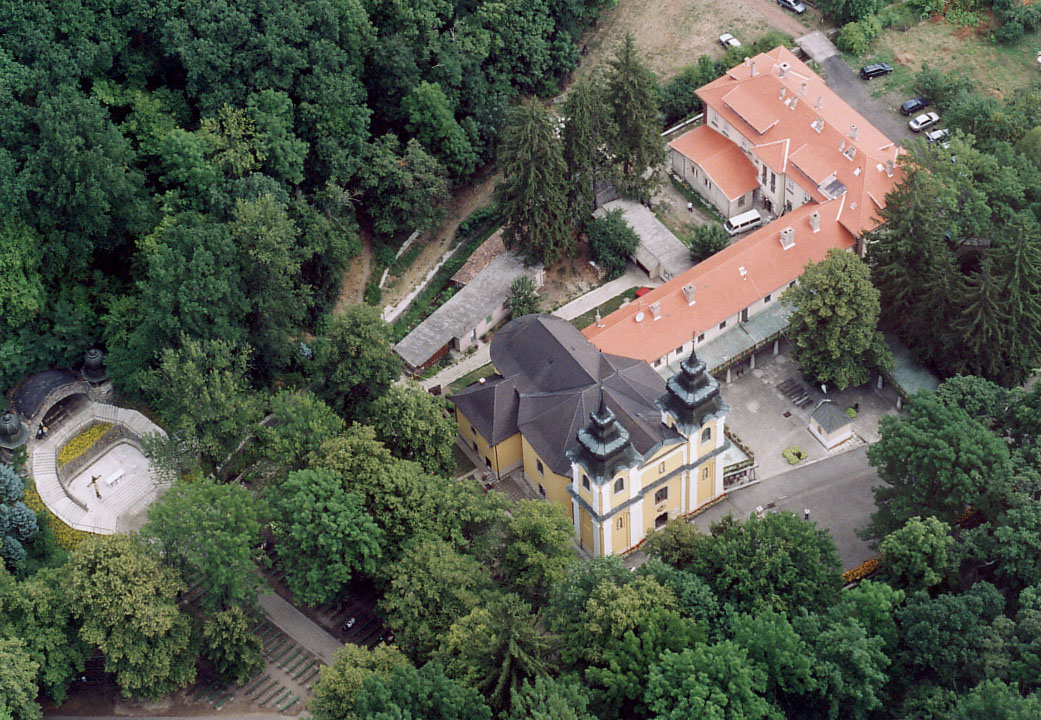
Szent‑kút – The Hidden Spring Jewel of Nograd, Hungary
Discover the crystal‑clear waters, tranquil forest paths, and centuries‑old legends that make Szent‑kút a must‑visit natural treasure in the heart of Hungary.
1. Introduction
If you’re planning a road‑trip through Hungary’s lesser‑known countryside, the tiny village of Matraverebely in Nógrád County should be on your radar. Nestled among rolling hills at an altitude of 240 m, the Szent‑kút spring (Hungarian: Szentkút) beckons travelers with its sparkling waters and serene atmosphere. Unlike the bustling thermal baths of Budapest, Szent‑kút offers a quiet, almost mystical experience—a place where locals have drawn water for centuries and where the landscape still feels untouched by mass tourism.
In this guide we’ll dive into the history, the practicalities of getting there, the best time to visit, and the other hidden springs that pepper the area. Whether you’re a nature lover, a cultural explorer, or simply hunting the perfect Instagram backdrop, Szent‑kút deserves a spot on your travel itinerary.
2. About Szent‑kút
A Natural Heritage Site
Szent‑kút is officially listed as a Nemzeti Kegyhely (National Heritage Site) in Hungary. The designation protects the spring’s pristine water quality and the surrounding forest ecosystem. According to the Hungarian Wikipedia entry for Mátraverebély‑Szentkút Nemzeti Kegyhely (see the link in the References section), the spring has been revered since medieval times for its “holy water” that was believed to possess healing properties.
History & Legend
Local folklore tells of a shepherd who discovered the spring after his flock stopped drinking from a hidden brook. The water was said to cure a sudden illness, and the shepherd named the spot Szent‑kút—literally “holy well.” Over the centuries, the spring became a pilgrimage point for villagers seeking blessings, especially on feast days dedicated to the saints whose names adorn the nearby springs (Szent László, Szent István, etc.).
While there is no recorded construction of a formal well house, the spring’s natural basin remains largely unchanged. Its crystal‑clear flow is fed by underground aquifers that surface at the coordinates 48.000067 N, 19.760553 E, making it a reliable source of fresh water year‑round.
Why It Matters
Beyond its spiritual past, Szent‑kút is an ecological hotspot. The surrounding mixed forest of oak, beech, and hornbeam provides a habitat for a variety of birds, insects, and small mammals. Hikers often spot the European green woodpecker or the delicate scarlet dwarf orchid along the trail that leads to the spring. For eco‑tourists, the site offers a glimpse into Hungary’s natural heritage that is rarely highlighted in mainstream guidebooks.
3. How to Get There
By Car
The most convenient way to reach Szent‑kút is by car. From Budapest, take the M3 motorway toward Eger and exit at Miskolc‑Nógrád (exit 33). Follow the signs for Matraverebely (approximately 150 km total, about 2 hours).
- Parking: A small, free parking area sits at the edge of the village near the local community center. From there, a well‑marked dirt path leads directly to the spring.
By Public Transport
- Train: The Hungarian State Railways (MÁV) runs regional trains from Budapest Keleti to Nógrád (the nearest town). The journey takes roughly 2 hours.
- Bus: From the Nógrád bus station, catch the local line #12 toward Matraverebely. Buses run every 2 hours on weekdays and less frequently on weekends.
Once you arrive in Matraverebely, follow the signpost “Szent‑kút – Nemzeti Kegyhely” (usually a blue wooden board) and walk the 10‑minute trail to the spring.
By Bicycle
The region is part of the Nógrád Green Trail network, offering well‑maintained, low‑traffic routes ideal for cyclists. A popular loop starts in Balassagyarmat, passes through Matraverebely, and circles back via the Börzsöny‑Várhegy hills.
4. Best Time to Visit
| Season | Highlights | Weather Tips |
|---|---|---|
| Spring (April‑June) | Fresh foliage, blooming wildflowers, migratory birds returning. | Pack a light rain jacket; temperatures 12‑20 °C. |
| Summer (July‑August) | Longer daylight, perfect for photography at golden hour. | Early mornings are cooler; bring sunscreen and plenty of water. |
| Autumn (September‑October) | Crimson and amber forest colors, quieter trails. | Dress in layers; evenings can drop to 8‑12 °C. |
| Winter (November‑March) | Snow‑capped hills create a magical, serene setting. | Trail may be icy; wear sturdy boots and consider a trekking pole. |
Peak visitor period is late spring to early autumn, when the forest is lush and the spring’s flow is strongest. If you prefer solitude, aim for early March or late November, when the site is still accessible but far fewer tourists are around.
5. What to Expect
The Sensory Experience
As you approach the spring, the first thing you’ll notice is the gentle sound of water bubbling over stone, a soothing backdrop to the rustle of leaves. The water itself is crystal‑clear, reflecting the surrounding canopy like a natural mirror. If you pause long enough, you may catch the faint scent of pine and moss, a reminder of the forest’s age.
The Trail
The path to Szent‑kút is a 10‑minute walk on a compacted earth trail, marked by wooden signposts. The route is relatively flat, making it suitable for families, seniors, and casual walkers. Along the way, interpretive panels (in Hungarian and English) describe the spring’s geology and its role in local folklore.
The Spring Basin
The spring emerges from a shallow limestone fissure, forming a small, natural pool about 1 m in diameter. While swimming is not permitted (to preserve water purity), you can dip your fingers in the cool water—a refreshing experience on a warm summer day. Some visitors bring a reusable bottle to fill with the “holy water,” a tradition that continues to this day.
Amenities
- Restrooms: A modest eco‑toilet facility is located near the parking area.
- Picnic Spot: A wooden bench and a small clearing sit a few meters from the spring, perfect for a quick snack.
- Information Board: Provides QR codes linking to a short video about the spring’s history and a downloadable map of the surrounding trail network.
6. Nearby Attractions
The Szent‑kút area is a spring cluster—five additional historic wells lie within a 0.5 km radius. Each has its own story and is easily reachable on foot, making a perfect half‑day itinerary.
| Spring | Distance from Szent‑kút | Highlights |
|---|---|---|
| Szent László‑forrás | 0.4 km | Named after Saint Ladislaus; known for its slightly higher flow. |
| Szűz Mária‑forrás | 0.5 km | “Virgin Mary Spring,” a pilgrimage spot for Marian devotions. |
| Szent István‑forrás | 0.5 km | Dedicated to Hungary’s first king; legend says the water never freezes. |
| Szent Háromság‑forrás | 0.5 km | “Holy Trinity Spring,” a quiet nook surrounded by ancient oak. |
| Szent Imre‑forrás | 0.5 km | Associated with Saint Emeric, the son of Saint Stephen; offers a small stone altar. |
How to explore: Follow the circular trail marked with white blazes that loops around the village. The entire loop (including Szent‑kút) is roughly 3 km, suitable for a leisurely stroll or a gentle bike ride.
For more in‑depth information, check the official Hungarian heritage page: Mátraverebely‑Szentkút Nemzeti Kegyhely (Wikipedia).
7. Travel Tips
- Bring Cash: While the spring itself is free, the nearby village shop sells bottled water, snacks, and souvenirs (hand‑crafted wooden spoons). Credit cards are accepted only in larger towns.
- Respect the Site: The spring is a protected heritage location. Avoid littering, stay on marked paths, and refrain from washing clothes or dishes in the water.
- Dress Appropriately: Even in summer, the forest can be cool under the canopy. A light jacket and sturdy walking shoes are advisable year‑round.
- Photography: The best light is early morning or late afternoon when the sun filters through the trees, creating a soft, golden glow. A tripod can help capture the tranquil water surface without blur.
- Stay Connected: Mobile reception can be spotty. Download offline maps (e.g., MAPS.ME) before you leave.
- Combine with Local Culture: After visiting the springs, stop by the Matraverebely community hall for a glimpse of traditional Hungarian folk music (often scheduled on weekends).
- Safety First: The trail is well‑maintained but can become slippery after rain. Use trekking poles if you have them, especially during early spring or late autumn.
Final Thoughts
Szent‑kút may not appear on the typical Hungarian travel brochures, but that’s precisely why it feels like a secret treasure. Its clear waters, gentle forest ambience, and rich tapestry of legends offer a unique, off‑the‑beaten‑path experience for any traveler seeking authentic nature and culture.
Add Szent‑kút to your itinerary, follow the spring trail, and let the quiet whispers of this historic well rejuvenate your spirit—just as they have for locals for centuries.
Happy travels, and may the waters of Szent‑kút bring you a touch of Hungarian magic!