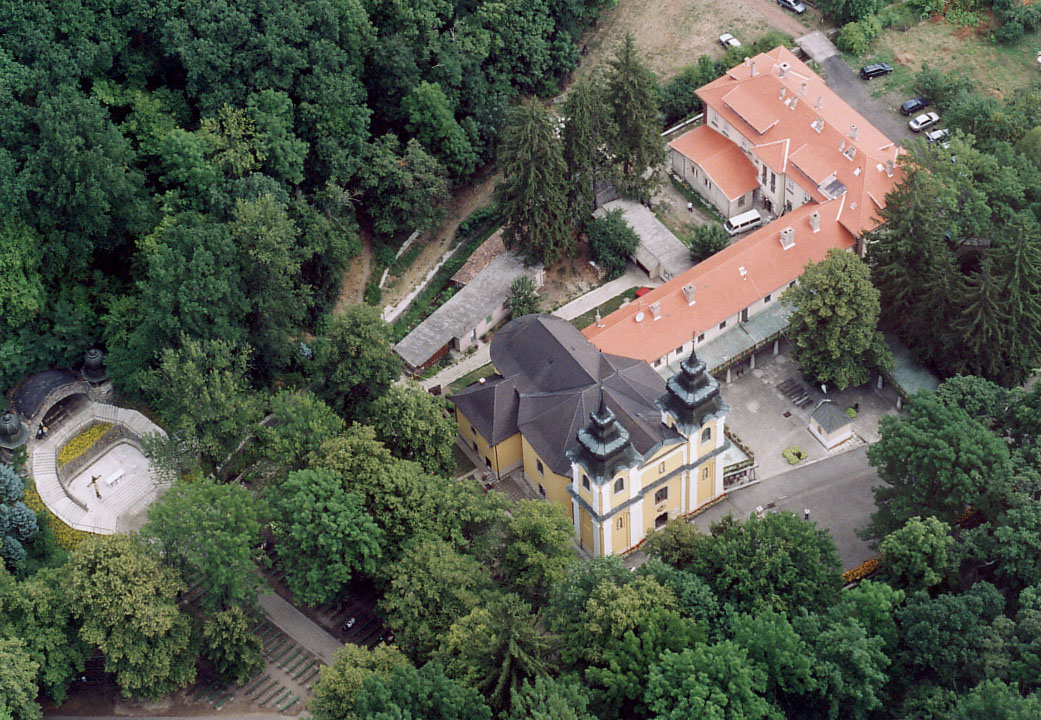
Forró‑kút: The Warm‑Hearted Spring Hidden in Nograd, Hungary
If you’re hunting for off‑the‑beaten‑path natural wonders in Hungary, the tiny yet charismatic Forró‑kút spring in Matraverebely, Nograd, should be at the top of your list. With its subtly iron‑kissed water that never freezes, this little oasis offers a refreshing pause for hikers, history buffs, and anyone who loves a good sip of pure nature.
1. Introduction
Imagine stepping off a quiet country road in the rolling plains of central Hungary and stumbling upon a crystal‑clear spring that feels warm to the touch, even in the depths of winter. That’s the magic of Forró‑kút (literally “Warm‑well”). Unlike the icy mountain streams you might expect in the colder months, this spring’s water stays comfortably temperate year‑round, making it a perfect spot for a quick drink, a photo op, or a moment of contemplation.
Because it’s tucked away in the village of Matraverébely near the town of Nógrád, Forró‑kút rarely appears on mainstream travel itineraries—yet it’s exactly this low profile that gives it an authentic, untouched feel. Whether you’re a solo traveler craving solitude, a family on a road‑trip through the Hungarian countryside, or a local explorer looking for a hidden gem, the spring promises a simple but unforgettable experience.
2. About Forró‑kút
What Is Forró‑kút?
- Type: Natural spring (💧)
- Location: Matraverebely, Nógrád, Hungary
- Coordinates: 47.998583 N, 19.752019 E
- Altitude: 250 m above sea level
The water at Forró‑kút is described locally as having a “mildly iron‑flavored” taste. That subtle metallic hint is a sign of the mineral‑rich aquifer feeding the spring, a characteristic shared by many Hungarian springs that have been prized for their health‑benefiting properties for centuries.
One of the most remarkable facts about this spring is that its water never turns into ice, even when temperatures dip well below freezing. The natural geothermal warmth—hence the name “Forró” (warm)—keeps the flow steady and inviting throughout the year.
A Brief Historical Note
While there is no dedicated Wikipedia page for Forró‑kút, the spring is part of a broader tradition of sacred and therapeutic wells that dot the Hungarian landscape. In many villages, such springs served as communal gathering points, places where locals fetched drinking water, washed clothes, or performed small rituals for good health. It is reasonable to assume that Forró‑kút played a similar role for the residents of Matraverebely and neighboring towns, especially before modern plumbing arrived.
Why It Matters
- Cultural heritage: Springs like Forró‑kút are woven into the folklore and daily life of rural Hungary.
- Ecological value: The spring contributes to local biodiversity, providing a water source for birds, insects, and small mammals.
- Tourist appeal: Its year‑round temperate water makes it a rare natural attraction for travelers seeking a unique “warm spring” experience in Central Europe.
3. How to Get There
By Car
The most straightforward way to reach Forró‑kút is by car. From Budapest, follow these steps:
- Take the M3 motorway (E71) heading north toward Miskolc.
- Exit at the Balassagyarmat junction (approximately 115 km from Budapest).
- Continue on Route 22 toward Nógrád, then follow local signs to Matraverébely.
- The spring is located just off the main village road; look for a small stone wall and a wooden bench marking the spot.
The total drive is about 150 km and takes roughly 2 hours depending on traffic. Parking is available in a modest lot near the village center; from there it’s a short 5‑minute walk to the spring.
By Public Transport
If you prefer not to drive, you can combine train and bus services:
| Leg | From | To | Approx. Time | Notes |
|---|---|---|---|---|
| Train | Budapest‑Kelenföld | Balassagyarmat | 1 h 45 min | Direct regional train (Hungarian Railways) |
| Bus | Balassagyarmat | Nógrád | 30 min | Local bus line 23 |
| Local Taxi / Walk | Nógrád | Matraverebely | 10 min | Taxis are scarce; a short walk (2 km) is doable if you enjoy hiking |
Be sure to check the latest schedules on the MÁV (Hungarian State Railways) website and the Nógrád County bus network before you travel, as rural services may run less frequently on weekends.
By Bike
For the adventurous, the region’s gentle hills make for an excellent bike tour. The route from Nógrád to Matraverebely follows quiet country lanes and offers scenic views of the Borsod‑Abaúj‑Zemplén hills. Bring a water bottle—though you’ll likely want to refill at Forró‑kút itself!
4. Best Time to Visit
Because the spring’s water stays comfortably warm even in winter, you can technically visit any month. However, each season brings its own charm:
- Spring (April–June): The surrounding fields burst into wildflowers, and the air is fresh. Ideal for photography and picnics.
- Summer (July–August): Long daylight hours let you combine a visit with nearby hiking trails. The water’s mild temperature feels especially refreshing after a warm day.
- Autumn (September–October): Golden foliage creates a picturesque backdrop. The cooler air makes the spring’s warm water feel soothing.
- Winter (November–March): Snow may blanket the landscape, but the spring never freezes. It’s a quiet, almost magical time for those who enjoy solitude and want to experience a “warm oasis” amid a frosty setting.
Peak visitor periods are usually late spring and early autumn, when locals and tourists alike enjoy the pleasant weather. If you prefer fewer crowds, aim for early winter or the shoulder months of May and October.
5. What to Expect
The Senses
- Sight: A modest stone basin surrounded by low, moss‑covered walls. In summer, butterflies dance nearby; in winter, a thin veil of frost may outline the stones while the water remains liquid.
- Sound: A gentle trickle as the spring feeds the basin, occasionally punctuated by birdsong or the rustle of nearby reeds.
- Taste: A lightly iron‑tinged flavor, reminiscent of mineral water you might buy in a store, but fresher and more invigorating.
Amenities
The site is intentionally simple—no commercial kiosks or large facilities—so bring your own snacks, a reusable water bottle, and perhaps a blanket if you plan to sit for a while. A small wooden bench sits near the spring, offering a perfect spot for a quick rest or a photo.
Photography Tips
- Golden hour (just after sunrise or before sunset) casts a warm glow that enhances the spring’s natural colors.
- Use a polarizing filter to reduce glare on the water surface and bring out the subtle greenish hue of the mineral-rich flow.
- Capture the contrast between the warm water and a snowy backdrop in winter for a striking visual story.
6. Nearby Attractions
The Nograd region is peppered with other charming springs and historic sites that make an excellent day‑trip circuit. All are within a 1‑kilometer radius, so you can easily walk or bike between them.
| Attraction | Distance from Forró‑kút | Why Visit? |
|---|---|---|
| Szent‑kút | 0.7 km | A historic “Holy Well” known for local legends about healing properties. |
| Szent László‑forrás | 0.7 km | Named after Saint Ladislaus, this spring is a quiet spot for reflection. |
| Szűz Mária‑forrás | 0.8 km | The “Virgin Mary Spring” features a small wooden shrine and a tranquil pond. |
| Szent István‑forrás | 0.8 km | Dedicated to Hungary’s first king, the spring is often visited during local festivals. |
| Szent Háromság‑forrás | 0.8 km | “Holy Trinity Spring” offers a scenic walking path lined with traditional Hungarian stone fences. |
Tip: Combine these visits into a “Spring Trail” walk—start at Forró‑kút, then follow the marked village paths to each of the nearby wells. The total loop is roughly 3 km and can be completed in 1–2 hours, depending on how long you linger at each spot.
7. Travel Tips
| Tip | Details |
|---|---|
| Bring a reusable bottle | The water is safe to drink and will keep you hydrated on hikes. |
| Dress in layers | Even though the spring is warm, the surrounding air can be cool, especially in early spring or late autumn. |
| Footwear | Gravel and mud may be present near the basin; sturdy walking shoes or hiking boots are advisable. |
| Respect the site | No littering, no swimming, and avoid disturbing any wildlife that may be using the spring. |
| Check opening hours | The spring is publicly accessible 24/7, but nearby parking may be limited after dark. |
| Cash for local treats | The village of Matraverebely has a small bakery where you can pick up a fresh kürtőskalács (chimney cake) for a true Hungarian snack. |
| Language | Most locals speak Hungarian; a few know basic English. Having a translation app handy can help with directions. |
| Safety | The area is safe, but as with any rural location, let someone know your planned route if you’re traveling alone. |
| Photography etiquette | If you see locals using the spring, ask politely before taking close‑up photos. Respect personal space. |
Final Thought
Forró‑kút may not have the grand architecture of Budapest’s thermal baths, but its quiet, warm waters and authentic countryside charm make it a truly special destination for travelers who crave genuine, off‑the‑grid experiences. Pair it with the surrounding holy springs, enjoy a bite of local pastry, and you’ll leave Nograd with a refreshed spirit and a story that most guidebooks won’t tell.
Pack your curiosity, a sturdy pair of shoes, and a reusable bottle—Forró‑kút is waiting to share its warm welcome. Safe travels!