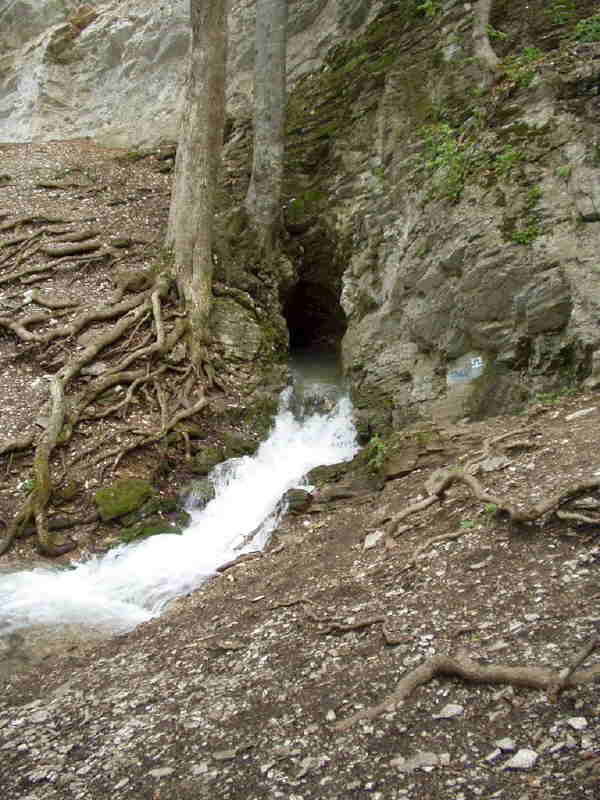
Imó‑kő Időszakos Karsztforrás – A Hidden Karst Spring in Szilvasvarád, Heves, Hungary
Discover the magic of a seasonal karst spring tucked away in the rolling hills of Heves County. Whether you’re a nature lover, a photography enthusiast, or a curious traveler exploring rural Hungary, Imó‑kő időszakos karsztforrás offers a quiet, refreshing escape.
1. Introduction
Imagine stepping off a quiet country road and hearing the faint, rhythmic splash of water emerging from the earth itself. The source? A seasonal karst spring that appears like a natural fountain only when the underground water table rises. This is Imó‑kő időszakos karsztforrás, a lesser‑known gem in the village of Szilvasvarád, Heves County, Hungary.
While Hungary is famous for its thermal baths and grand castles, its hidden karst springs often go unnoticed. Imó‑kő is a perfect example of the subtle beauty that awaits the intrepid traveler willing to venture off the beaten path. In this guide, we’ll explore the spring’s background, how to reach it, the best visiting windows, what you’ll experience on site, nearby attractions, and essential travel tips to make your adventure smooth and memorable.
2. About Imó‑kő Időszakos Karsztforrás
What is a “karsztforrás”?
The Hungarian term karsztforrás translates to “karst spring.” Karst landscapes develop where soluble rocks—typically limestone—are eroded by water, creating underground channels, caves, and reservoirs. When these hidden aquifers fill, water resurfaces through natural fissures, forming springs that can be permanent or periodic (időszakos).
The Spring’s Characteristics
- Name: Imó‑kő időszakos karsztforrás
- Type: Seasonal karst spring (appears during high groundwater levels)
- Location: Szilvasvarád, Heves, Hungary
- Coordinates: 48.042728 N, 20.471219 E
- Altitude & Height: Not publicly documented, typical of low‑lying karst fields in the region
Because the spring is periodic, it may flow vigorously after heavy rain or during spring melt, then retreat to a dry or barely moist state during drier months. This ebb and flow give the site a dynamic character that changes with the seasons, offering photographers and nature enthusiasts a living lesson in hydrology.
Historical & Cultural Significance
While detailed historical records are scarce, the spring’s name appears in local folklore and the Hungarian Wikipedia entry for Imó‑forrás. In many Hungarian rural communities, springs have traditionally been considered sacred, providing drinking water, livestock hydration, and even serving as sites for folk rituals. The “Imó‑kő” (Imó stone) element may hint at a notable rock formation that frames the water’s emergence, a natural landmark that locals have long recognized.
3. How to Get There
By Car
-
From Budapest:
- Take the M3 motorway east toward Eger (approx. 140 km).
- Exit at Eger and follow signs for Heves County Road 13 toward Szilvasvarád.
- The drive from Eger to Szilvasvarád is about 30 km, taking roughly 35 minutes on well‑maintained country roads. -
From Eger:
- Head south on Route 13 (also marked as Road 13).
- After passing the town of Heves, look for the signpost to Szilvasvarád.
- The spring is located on the outskirts of the village; follow local road Szilvasvarád–Imó‑kő (a small paved lane) until you reach the coordinates 48.042728, 20.471219.
By Public Transport
- Train: Take a regional train from Budapest Keleti to Eger (approx. 2 h).
- Bus: From Eger’s central bus station, catch the Heves County bus line 12 toward Szilvasvarád. Buses run a few times daily; check the latest schedule on the Heves County Transport website.
- Taxi/ rideshare: Once in Szilvasvarád, a short taxi ride (≈ 10 min) will drop you off near the spring’s parking area.
Parking & Access
A modest, free parking lot sits near the trailhead. From there, a well‑marked footpath (≈ 200 m) leads directly to the spring’s basin. The route is flat and suitable for all fitness levels.
4. Best Time to Visit
Because Imó‑kő is a periodic spring, timing matters:
| Season | Expected Flow | Visitor Experience | Why Go? |
|---|---|---|---|
| Spring (Mar‑May) | High – snow melt + spring rains | Lush vegetation, vibrant water flow, abundant birdsong | Ideal for photography and hearing the spring’s full roar |
| Early Summer (Jun‑July) | Moderate – occasional showers keep it active | Pleasant weather, comfortable hiking | Good balance of water activity and sunny days |
| Late Summer (Aug‑Sep) | Low – dry spells may reduce flow | Quiet, reflective atmosphere, fewer crowds | Perfect for meditative walks and stargazing |
| Autumn (Oct‑Nov) | Variable – rain can revive flow | Autumn colors, crisp air | Scenic backdrop of golden foliage |
| Winter (Dec‑Feb) | Minimal – often dry or frozen | Snow‑covered landscape, serene silence | For winter lovers seeking solitude |
Tip: Check recent weather reports or local community forums before heading out. A recent rainstorm will likely guarantee a lively spring.
5. What to Expect
The Senses
- Sight: When active, the spring bursts from a natural stone opening, creating a small, crystal‑clear pool that mirrors surrounding grasses and wildflowers. In dry periods, you’ll see a shallow depression with mossy edges, still beautiful in its own right.
- Sound: The rhythmic splash of water against stone is soothing, especially when the flow is strong. Even a trickle produces a gentle murmur that blends with the countryside’s ambient sounds.
- Smell: Fresh, mineral‑rich water carries a subtle earthy aroma, often mingled with the scent of nearby pine and meadow herbs.
- Touch: If the water is flowing, you can dip your fingers into the cool, clear pool—a refreshing treat after a short hike.
Facilities
The site is undeveloped to preserve its natural charm. There are no restrooms, cafés, or souvenir stalls. Bring water, snacks, and a portable toilet if you need one. A small wooden bench near the spring offers a spot to sit and soak in the scenery.
Photography
- Golden hour (just after sunrise or before sunset) provides soft lighting that highlights the water’s sparkle.
- Long exposure shots can turn the flowing water into silky ribbons, especially when the spring is at its peak.
- Macro photography works well for capturing droplets, moss, and tiny insects that frequent the moist environment.
6. Nearby Attractions
Exploring the surrounding Heves countryside adds depth to your trip. All sites are within a 1.5 km radius, making them perfect for a relaxed walking tour.
- Fekete‑len időszakos karsztforrás – Another seasonal karst spring just 0.8 km away. Follow the marked trail eastward to discover its own unique flow pattern.
- Lénárt‑forrás – Located 0.8 km to the north, this spring is known for its stone basin and tranquil setting.
- Borz kút – A historic well‑spring 1.0 km south of Imó‑kő, often visited by locals for its clear water.
- Tamás‑kút – Situated 1.2 km west, this spring features a small wooden shelter built by the community.
Quick Links:
- Fekete‑len időszakos karsztforrás
- Lénárt‑forrás
- Borz kút
- Tamás‑kút
(Note: Links lead to local tourism pages or Google Maps entries where available.)
7. Travel Tips
| Tip | Details |
|---|---|
| Bring proper footwear | Even though the path is flat, the ground near the spring can be slippery when wet. Sturdy hiking shoes or waterproof sandals are ideal. |
| Pack a lightweight rain jacket | Weather in Heves can change quickly, especially in spring. A compact waterproof layer keeps you comfortable. |
| Carry a reusable water bottle | While the spring’s water is clear, it’s not officially tested for drinking. Use it for refilling after a safe filtration or bring your own source. |
| Respect the environment | Stay on the marked trail, avoid stepping on delicate moss, and take any litter with you. The spring’s pristine condition depends on responsible visitors. |
| Check the flow status | Local Facebook groups or the Heves County tourism office often post recent photos of the spring’s condition. A quick glance online can save a trip if the spring is dry. |
| Timing for photography | Arrive 30 minutes before sunrise or stay until 30 minutes after sunset for the best natural light. |
| Combine with local cuisine | After your spring walk, stop in the nearby village of Szilvasvarád for a traditional gulyás or lángos at the local eatery. |
| Safety first | In periods of high flow, the water can be swift. Keep a safe distance from the edge, especially if children are present. |
Final Thoughts
Imó‑kő időszakos karsztforrás may not appear on every travel brochure, but that’s precisely why it feels like a secret waiting to be uncovered. Its seasonal rhythm, tranquil setting, and proximity to other charming karst springs make it a rewarding destination for anyone eager to experience Hungary’s hidden natural wonders. Pack your curiosity, follow the coordinates, and let the whisper of water guide you through the heart of Heves County.
Happy travels, and may your visit to Imó‑kő be as refreshing as the spring itself!