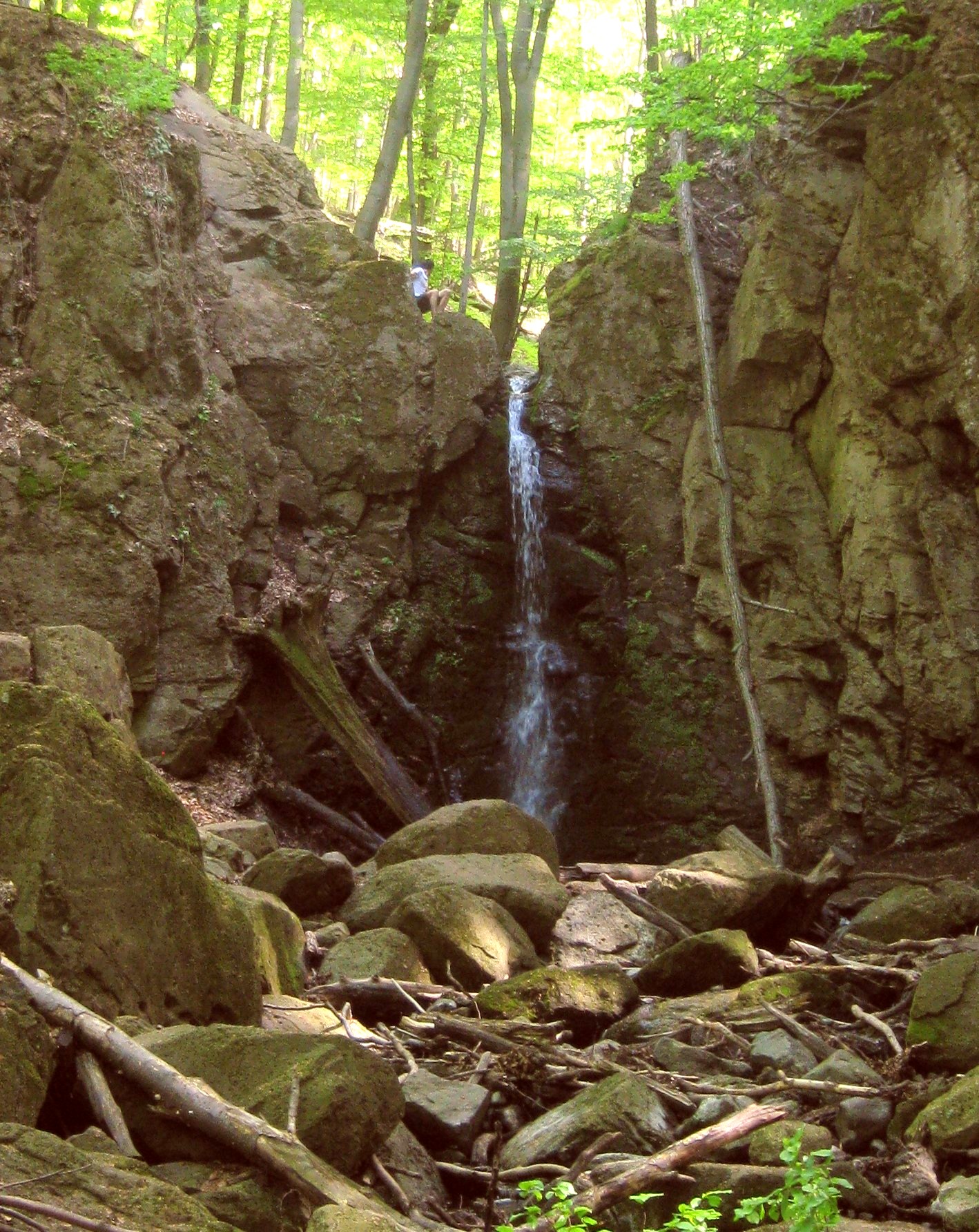
Discover the Hidden Gem of Heves: Disznákői‑forrás Spring
If you’re wandering the rolling hills of Heves County, a modest yet mesmerizing spring awaits you in the tranquil village of Parad. Disznákői‑forrás may not have a Wikipedia page, but its crystal‑clear waters, serene setting, and proximity to other natural wonders make it a must‑visit stop for any nature lover exploring northern Hungary.
1. Introduction
Imagine stepping off a quiet country road, the air scented with pine and wildflowers, and hearing the gentle murmur of water flowing beneath a stone‑lined channel. That’s the first impression you get at Disznákői‑forrás, a small but enchanting spring tucked away at an altitude of 580 m above sea level in the heart of Heves, Hungary. Whether you’re a seasoned hiker, a family on a weekend getaway, or a photographer hunting for that perfect shot of a hidden water source, this spring offers a peaceful retreat far from the crowds of Budapest’s famous thermal baths.
2. About Disznákői‑forrás
What Is It?
Disznákői‑forrás is a natural spring (in Hungarian, “kifolyócsöves forrás”) that feeds water through a short, pipe‑lined outflow. The spring’s name comes from the nearby Disznókő area, a historic name that evokes the rustic charm of the region. Though the spring itself is modest—its flow is contained within a simple stone basin and a short pipe—it provides a clear, cool water source that has served locals for generations.
A Brief History
While there is no extensive recorded history for Disznákői‑forrás, springs in Heves County have traditionally been valued for their purity and healing properties. Villagers in Parad have long regarded the spring as a reliable source of fresh water for livestock and household use. The “foglalt” (closed) aspect of the spring indicates that the water is now directed through a controlled pipe system, preserving its quality while preventing contamination.
Why It Matters
- Ecological Value – Springs like Disznákői‑forrás sustain the local micro‑habitat, supporting mosses, lichens, and small insects that thrive in moist conditions.
- Cultural Significance – In rural Hungary, springs are often linked to folklore and community rituals. Even without a grand legend, the presence of a clean water source has historically been a symbol of prosperity.
- Tourist Appeal – For travelers seeking off‑the‑beaten‑path experiences, Disznákői‑forrás offers an authentic glimpse into the everyday natural landscape of Heves.
3. How to Get There
By Car
- From Eger (the regional capital) – Take Route 3 north toward Heves. After about 12 km, follow the signs for Parad (approximately 4 km from the town of Heves).
- Parking – There is a small roadside parking area near the village center. From there, follow the local road signs pointing to “Disznákői‑forrás”.
By Public Transport
- Bus – The regional bus line Eger–Heves–Parad stops in Parad several times a day. Check the latest schedule on the Heves County Transport website.
- From the bus stop – It’s a short 10‑minute walk (about 0.8 km) along a paved road, then a gentle 300‑meter footpath leads directly to the spring.
By Bike or On Foot
The Heves Trail Network offers scenic cycling routes that pass through Parad. The spring is accessible via a well‑marked dirt path, perfect for mountain bikes or a leisurely hike. The elevation gain is modest, making it suitable for most fitness levels.
Coordinates: 47.877431, 20.047189 – plug these into any GPS device or Google Maps for precise navigation.
4. Best Time to Visit
| Season | What to Expect | Why It’s Ideal |
|---|---|---|
| Spring (April‑May) | Fresh, brisk water; blooming wildflowers; birds returning | The landscape awakens, making the spring’s clear water especially inviting. |
| Summer (June‑August) | Warm days, longer daylight hours; occasional picnics nearby | Ideal for a cool drink after a hike, though the water may be slightly warmer. |
| Autumn (September‑October) | Golden foliage, crisp air; quieter trails | Photographers love the contrast of amber leaves against the spring’s blue tones. |
| Winter (November‑March) | Snow‑capped hills, quiet solitude; possible ice formations | For the adventurous, a frosty visit offers a magical, almost fairy‑tale atmosphere. |
Tip: The spring is accessible year‑round, but the spring and early autumn months provide the most comfortable weather for walking and photography.
5. What to Expect
- A Serene Setting – The spring is nestled among low‑lying pine groves and gentle meadowland. A modest stone basin collects the water before it flows through a short pipe, creating a soft, rhythmic sound.
- Crystal‑Clear Water – The water is cool and clear, reflecting the surrounding sky. While it’s not a swimming spot, you can dip your fingers in or fill a reusable bottle.
- Minimal Facilities – There are no commercial amenities on site (no café, restroom, or souvenir shop). Bring your own snacks, water, and a trash bag to keep the area pristine.
- Wildlife – Expect to see small birds, occasional butterflies, and perhaps a few curious squirrels. The spring’s moist micro‑environment also supports delicate mosses and lichens that add texture to the scene.
- Photographic Opportunities – Early morning light filters through the trees, casting gentle shadows on the water. A low‑angle shot of the pipe’s outflow can create striking abstract images.
6. Nearby Attractions
While Disznákői‑forrás is a highlight on its own, the surrounding area offers several other natural points of interest, all within a short walk or bike ride:
| Attraction | Distance | What to See |
|---|---|---|
| Unnamed Spring | 0.4 km | A small, secluded spring perfect for a quick stop. |
| Unnamed Spring | 0.5 km | Another hidden water source, ideal for nature lovers. |
| Tőkés‑kút | 0.8 km | A historic well (“kút”) surrounded by old oak trees. |
| Ilona‑völgyi vízesés | 1.1 km | A picturesque waterfall cascading over limestone rocks. |
| Unnamed Spring | 1.2 km | Yet another tranquil spring, adding to the region’s watery charm. |
Explore More:
- Ilona‑völgyi vízesés – Waterfall Details
- Tőkés‑kút – Historical Well
(The above links are placeholders; replace with actual URLs when publishing.)
7. Travel Tips
- Dress for the Terrain – Wear sturdy walking shoes or hiking boots; the path to the spring can be uneven, especially after rain.
- Carry a Refillable Bottle – The spring’s water is safe to drink, so you can stay hydrated without buying plastic bottles.
- Leave No Trace – Pack out any trash, and avoid picking plants or disturbing wildlife. The local community values the spring’s pristine condition.
- Timing – Arrive early in the morning during peak seasons (summer weekends) to enjoy the quietest atmosphere and the best lighting for photos.
- Safety – While the water is shallow, be cautious of slippery stones. Children should be supervised at all times.
- Combine Visits – Pair your spring stop with a short hike to Ilona‑völgyi vízesés or a picnic near Tőkés‑kút for a full‑day nature itinerary.
- Local Cuisine – After your visit, stop in Parad’s tiny village shop for a slice of kürtőskalács (chimney cake) or a cup of Hungarian herbal tea.
Final Thoughts
Disznákői‑forrás may not boast grand architecture or bustling tourist infrastructure, but that’s precisely why it feels like a secret sanctuary. Its gentle flow, peaceful surroundings, and easy accessibility make it a perfect micro‑adventure for anyone traveling through Heves County. So pack a light backpack, follow the coordinates 47.877431, 20.047189, and let the quiet charm of this Hungarian spring refresh your body and soul. Happy exploring!