Béla király kútja – Budapest’s Secret Spring Oasis
If you think you’ve seen every corner of Budapest, think again. Nestled in the quiet streets of the 12th district lies Béla király kútja, a modest spring that whispers stories of the city’s past while offering a refreshing pause from the urban buzz. This hidden gem is the perfect spot for curious travelers, history buffs, and anyone looking for a tranquil break in Hungary’s capital.
1. Introduction
Budapest is famous for its grand thermal baths, historic bridges, and vibrant ruin bars, but the city also hides a network of small, natural springs that have served locals for centuries. Among them, Béla király kútja (Béla King’s Well) stands out as a quiet sanctuary that feels like stepping into a living museum. Whether you’re strolling through the leafy avenues of Budapest XII. kerület or hunting for off‑the‑beaten‑path attractions, this spring invites you to pause, sip the cool water, and imagine the generations that have gathered here.
“A hidden spring is a city’s heartbeat – steady, pure, and full of stories.”
If you’re planning a Budapest itinerary that goes beyond the usual tourist trail, read on to discover how to find Béla király kútja, what makes it special, and how to make the most of your visit.
2. About Béla király kútja
Description
- Type: Natural spring (kút)
- Location: Budapest XII. kerület, Hungary
- Coordinates: 47.506279 N, 18.981310 E
Béla király kútja is a small, stone‑lined well that draws water from an underground aquifer. The spring’s modest size belies its cultural importance; it has been a gathering point for locals since the days when the 12th district was still a collection of vineyards and farms. The well’s name pays homage to Béla I of Hungary (also known as Béla Király), a medieval monarch whose reign (1060–1063) is remembered for strengthening the kingdom’s infrastructure—including water sources.
History & Significance
While exact construction dates are unclear, the spring is documented in Hungarian sources such as the Hungarian Wikipedia entry for Béla király kútja. Historically, springs like this were vital for daily life—providing drinking water, irrigation, and a communal meeting place. In the 19th and early 20th centuries, Béla király kútja served nearby residents of the expanding Pest side, acting as a natural counterpoint to the grand thermal baths that later defined Budapest’s spa culture.
The spring also reflects Budapest’s layered history: from medieval royalty to the Austro‑Hungarian era, and finally to the modern, multicultural city it is today. Its preservation offers a tangible link to the past, reminding visitors that even in a bustling metropolis, nature’s simple gifts endure.
3. How to Get There
By Public Transport
| Mode | Line / Route | Approx. Time | Notes |
|---|---|---|---|
| Metro | M3 (Blue line) – Kőbánya–Kispest station | 15 min walk | Exit toward Krisztina tér and head south. |
| Bus | 73, 74, or 75 – stop Krisztina tér | 5 min walk | Directly drops you near the spring. |
| Tram | No tram stops within 500 m; combine with a short walk from the nearest bus stop. |
By Foot or Bike
If you’re staying in the 12th district, the spring is easily reachable on foot or by bike. The route from Krisztina tér to the well takes about 10 minutes along quiet residential streets—ideal for a leisurely stroll. Budapest’s growing network of bike lanes makes a two‑wheel ride safe and enjoyable.
Driving & Parking
Parking is limited in the immediate vicinity, as the area is primarily residential. Street parking is possible on surrounding side streets, but be mindful of local regulations. If you prefer a car, use Google Maps or a similar navigation app and input the coordinates 47.506279, 18.981310 for precise guidance.
4. Best Time to Visit
Béla király kútja is a year‑round attraction, but certain seasons enhance the experience:
- Spring (April–June): The surrounding gardens burst into color, and the water feels especially crisp after the cooler months.
- Early Autumn (September–October): Pleasant temperatures and golden foliage create a picturesque backdrop.
- Winter: While the spring may be partially iced over, the quiet atmosphere offers a meditative pause—just bundle up!
Avoid the hottest summer afternoons if you prefer a cooler environment; the spring’s shade and water will keep you comfortable, but the area can get busier with local families seeking relief from the heat.
5. What to Expect
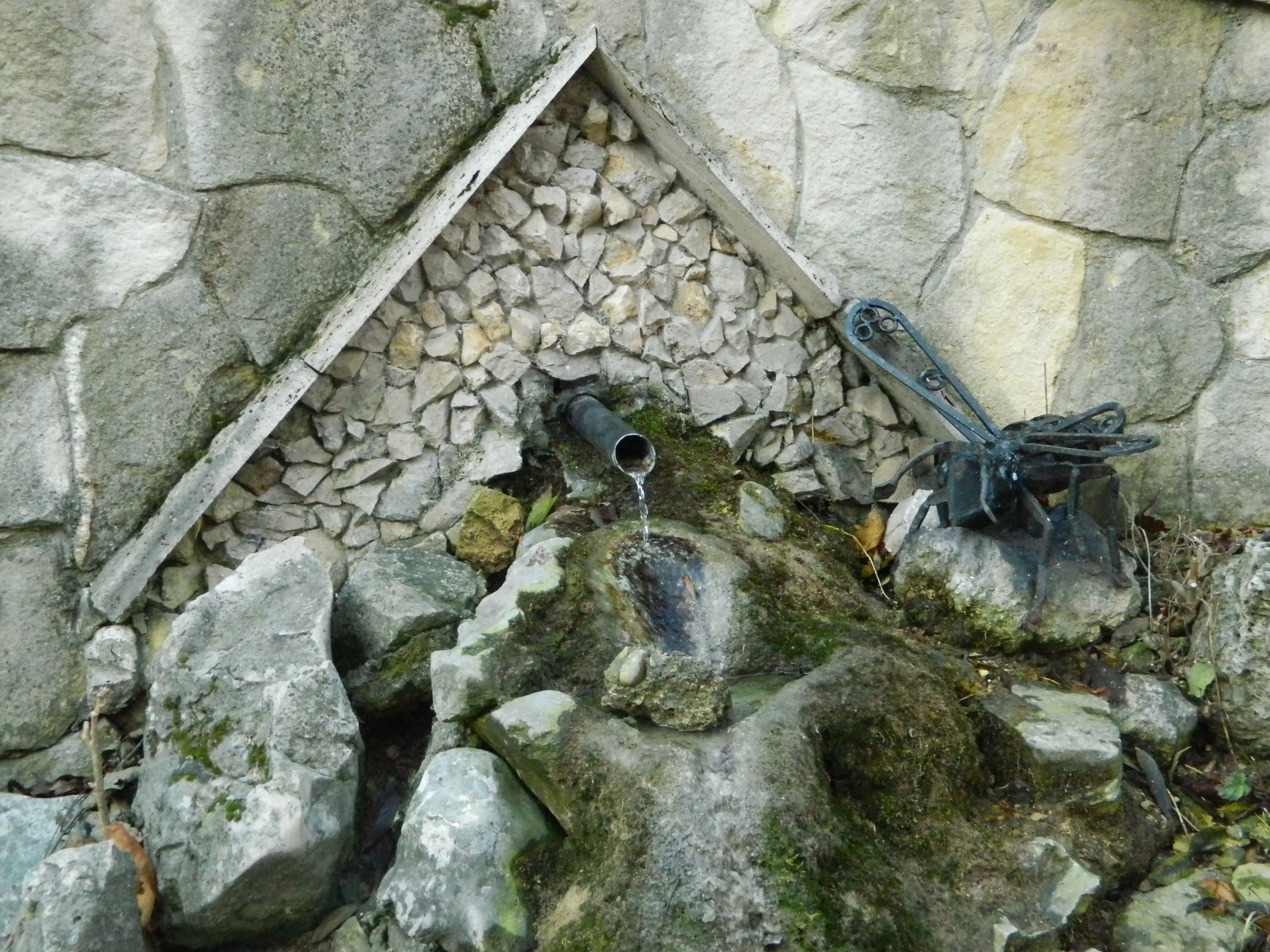
Arriving at Béla király kútja feels like stepping into a living postcard. The stone basin is modest—just large enough for a hand‑held cup—but the water is clear, cold, and continuously flowing. You’ll notice a subtle scent of earth, a reminder that the spring draws from deep underground sources.
Sensory Highlights
- Sight: A simple stone well framed by modest greenery; occasional wildflowers add splashes of color.
- Sound: The gentle trickle of water creates a soothing backdrop, muffling city noises.
- Touch: The cool water is perfect for a quick sip or a brief hand‑wash—just remember to bring a reusable bottle if you plan to drink.
- Smell: Fresh, mineral‑rich air, especially invigorating after a city walk.
Because the spring is not a commercial attraction, there are no ticket booths or vendors. Visitors typically treat the site with respect, taking a moment to sit, reflect, and perhaps snap a photo. The atmosphere is relaxed, making it an ideal spot for a short meditation break or a quiet conversation.
6. Nearby Attractions
While Béla király kútja is a highlight on its own, the 12th district hosts several other charming springs and points of interest within walking distance. Check them out to extend your exploration:
- Ibolya-forrás (Spring) – 0.5 km away; a small, flower‑named spring perfect for a quick detour.
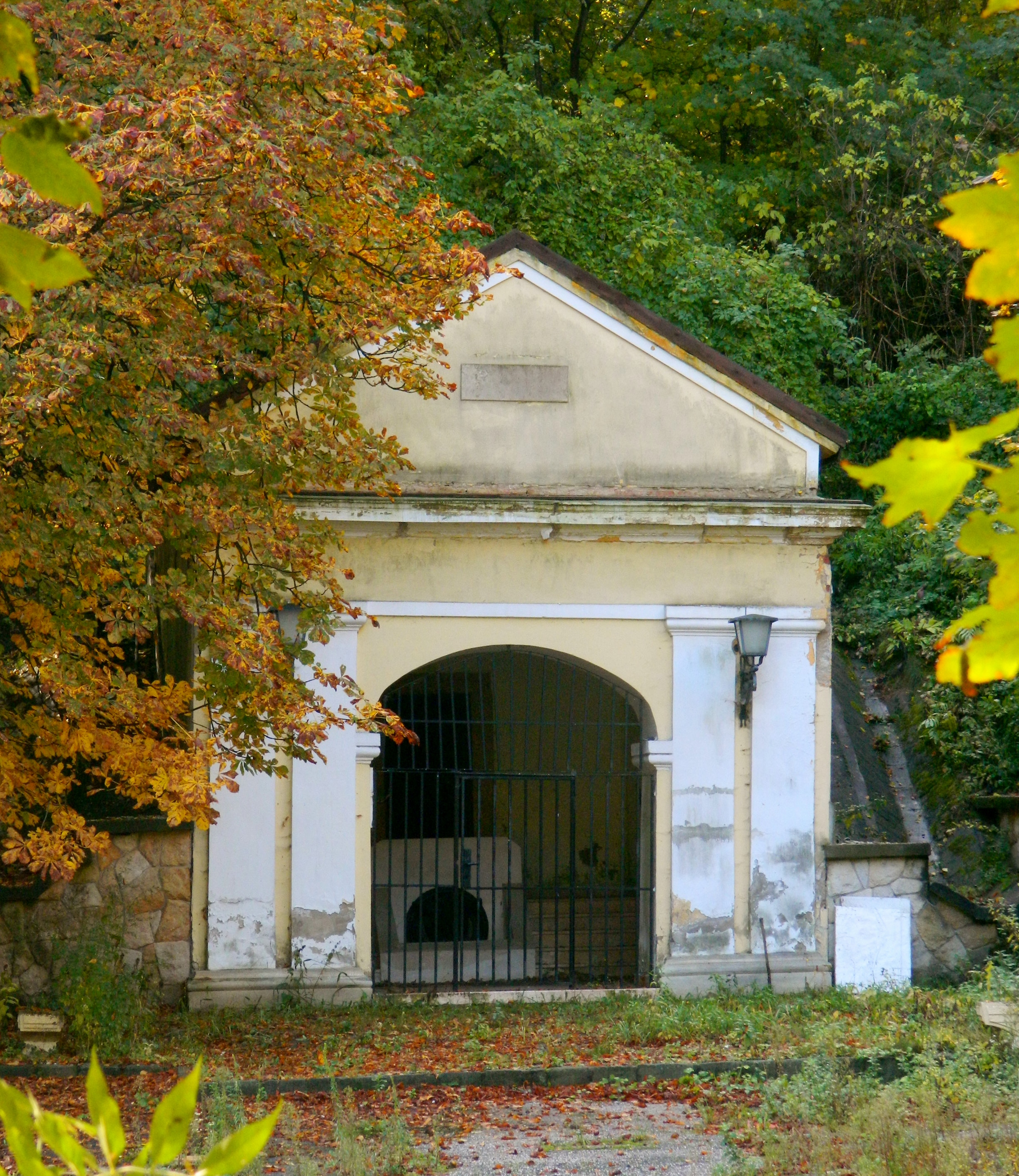
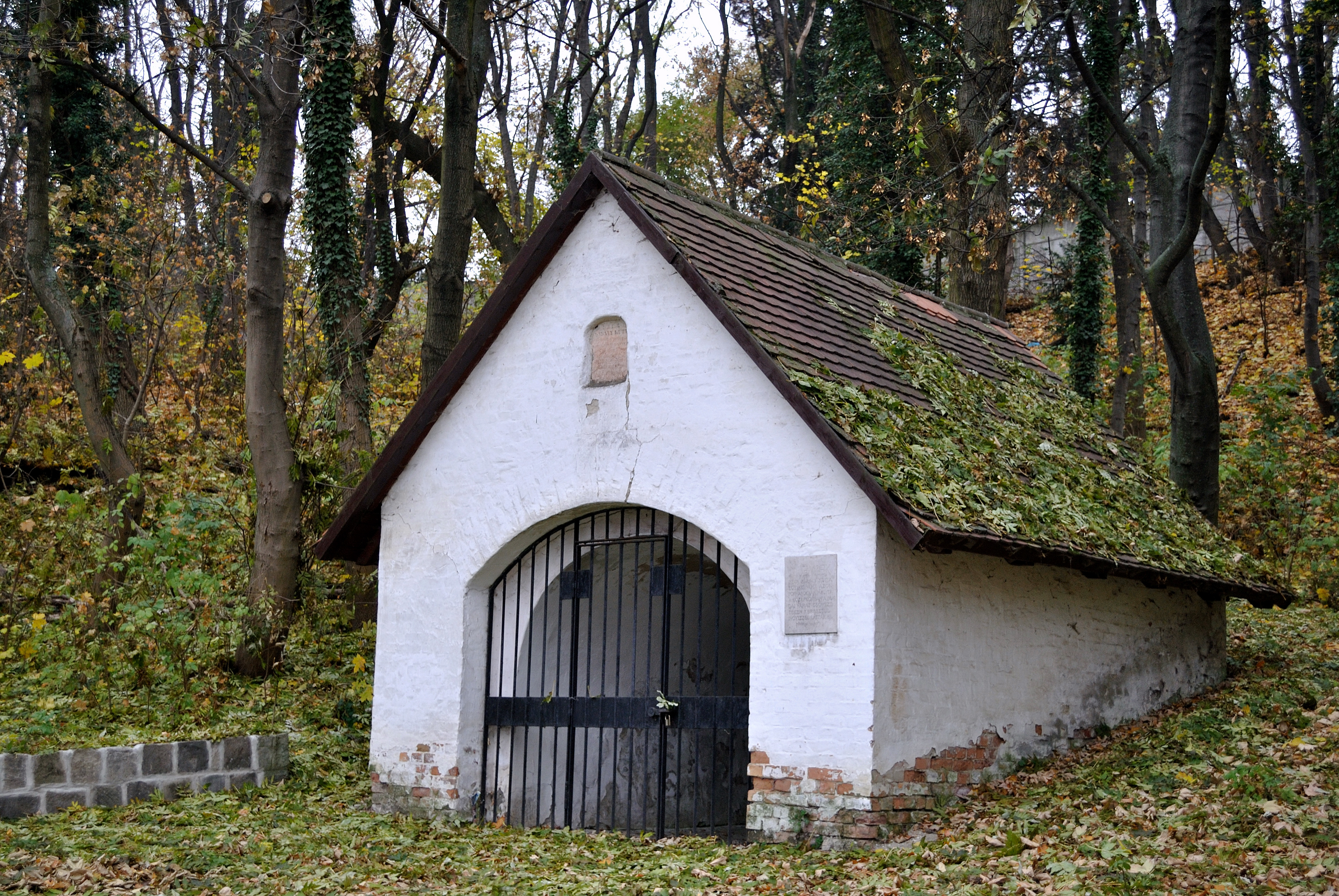
- Város‑kút forrásház (Spring House) – 0.7 km; a historic structure that once protected the well’s water.
- Város‑kút alsó (Lower Spring) – 0.7 km; another intimate spring with a rustic stone setting.
- Darázs-forrás (Spring) – 0.8 km; known locally for its clear water and bee‑friendly garden.
- Fountain (Pest) – 1.1 km; a larger public fountain offering a different water‑feature experience.
These sites can be visited on a leisurely 30‑45 minute walking loop, allowing you to soak up the district’s tranquil, water‑centric charm.
7. Travel Tips
| Tip | Details |
|---|---|
| Bring a reusable bottle | The spring’s water is safe to drink, but there are no refill stations. |
| Respect local customs | Treat the well as a community resource—avoid littering and keep noise to a minimum. |
| Check opening hours | The spring is accessible at all times, but nearby streets may have limited lighting after dark. |
| Combine with a café stop | The 12th district offers several cozy cafés along Krisztina tér—perfect for a coffee after your spring visit. |
| Dress for the weather | Even in summer, the water’s temperature can be chilly; a light jacket helps if you plan to sit near the well. |
| Use a map app | Input the coordinates 47.506279, 18.981310 for precise navigation, especially if you’re walking from a transit stop. |
| Photography | Early morning light creates soft shadows that highlight the stonework—great for Instagram. |
| Safety | The area is generally safe, but keep an eye on personal belongings as you would in any city setting. |
Final Thought
Béla király kútja may not appear on the typical Budapest “must‑see” list, but that’s precisely why it’s worth discovering. It offers a genuine slice of local life, a touch of medieval history, and a moment of pure, unfiltered nature in the heart of a bustling European capital. Add this hidden spring to your Budapest travel guide, and let its cool waters refresh both body and curiosity.
Happy exploring, and may every sip at Béla király kútja remind you that the best travel stories often begin with a simple, unexpected find.