Potaro-Siparuni
9 water features • 9 waterfalls
Discover the Hidden Water Wonders of Potaro‑Siparuni
Nestled in the heart of Guyana, Potaro‑Siparuni is a nature lover’s paradise, famed for its pristine rainforests, rugged hills, and an astonishing collection of nine spectacular waterfalls. Whether you’re chasing the thunderous roar of the iconic Kaieteur‑adjacent cascades or seeking secluded, crystal‑clear pools tucked away in remote valleys, this region offers a diverse tapestry of water features that promise unforgettable adventure and photo‑worthy moments.
The Potaro‑Siparuni travel guide reveals every hidden gem—from the mist‑kissed falls of the Upper Potaro basin to the tranquil ribbon‑like streams winding through the Siparuni sub‑regions. Each waterfall tells its own story, reflecting the rich biodiversity and vibrant culture that define nature tourism in Guyana.
Exploring the sub‑regions is a journey of discovery: trek through lush canopy trails, paddle along winding rivers, and marvel at the sheer power of the waterfalls that have shaped local folklore for centuries. Whether you’re an avid hiker, a wildlife photographer, or simply craving a refreshing dip in untouched waters, Potaro‑Siparuni invites you to explore its water features and experience the raw, unspoiled beauty of one of Guyana’s most enchanting destinations.
Plan your itinerary, pack your sense of wonder, and let the waterfalls in Guyana’s Potaro‑Siparuni region guide you to a world of awe‑inspiring natural splendor.
Featured Attractions
Amaila Falls
Waterfall Potaro-Siparuni
Chi-Chi Falls
Waterfall Potaro-Siparuni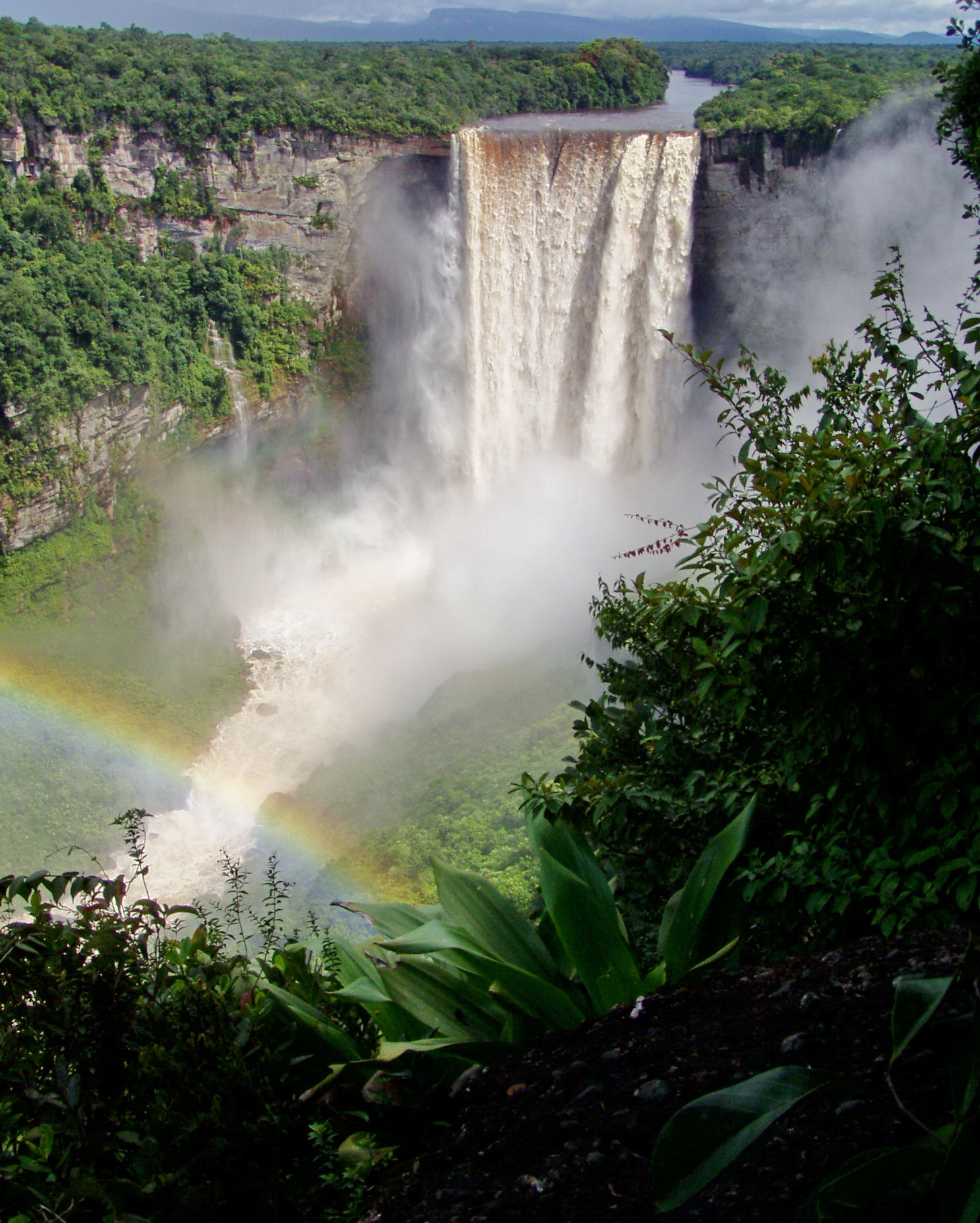
Kaieteur Falls
Waterfall Potaro-Siparuni
Kaieteur Falls - Guyana
Waterfall Potaro-Siparuni
Kaieteur National Park
Waterfall Potaro-SiparuniKing Edward VIII Falls
Waterfall Potaro-Siparuni
Orinduik Falls
Waterfall Potaro-Siparuni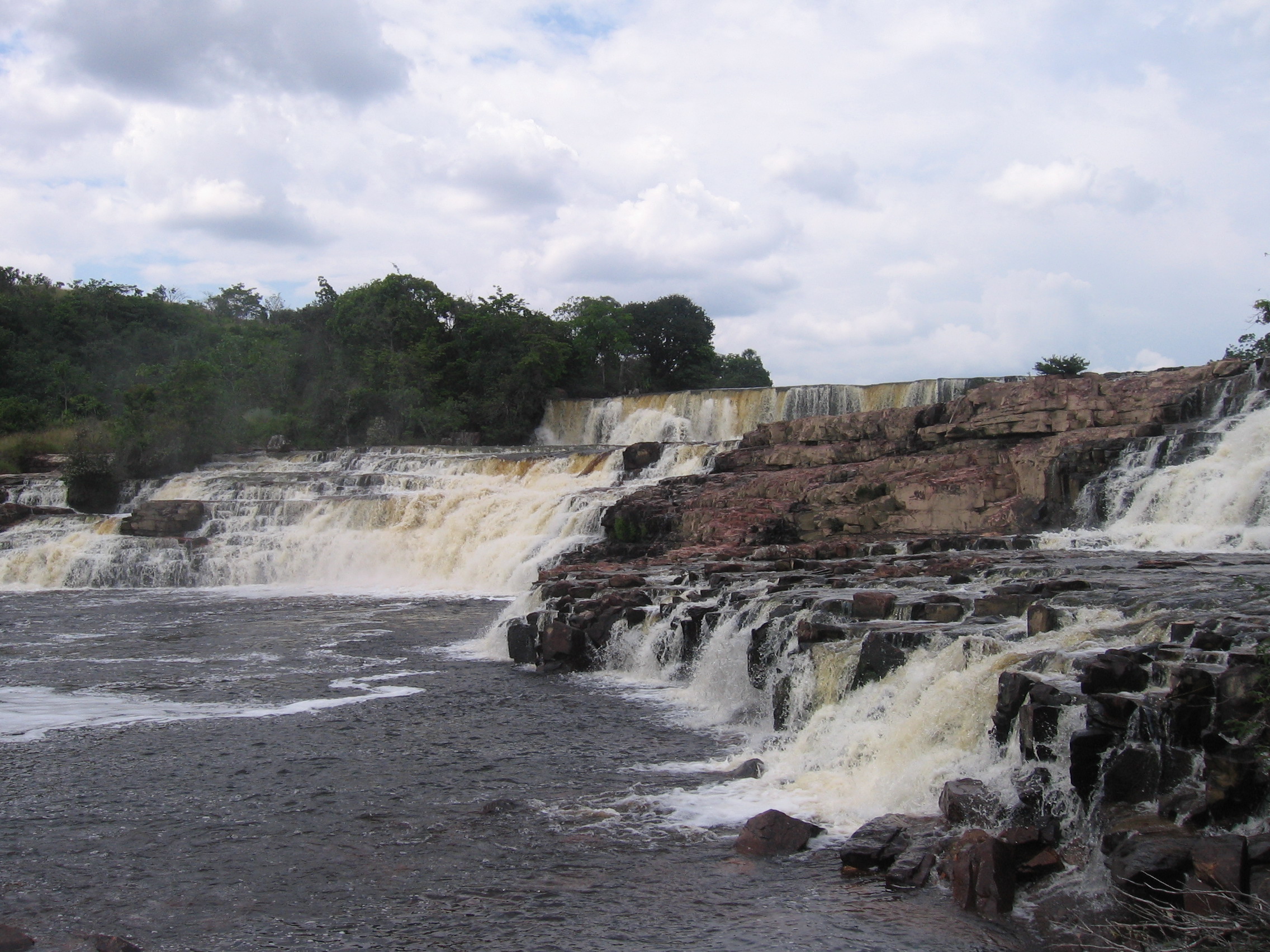
Orinduik Falls
Waterfall Potaro-Siparuni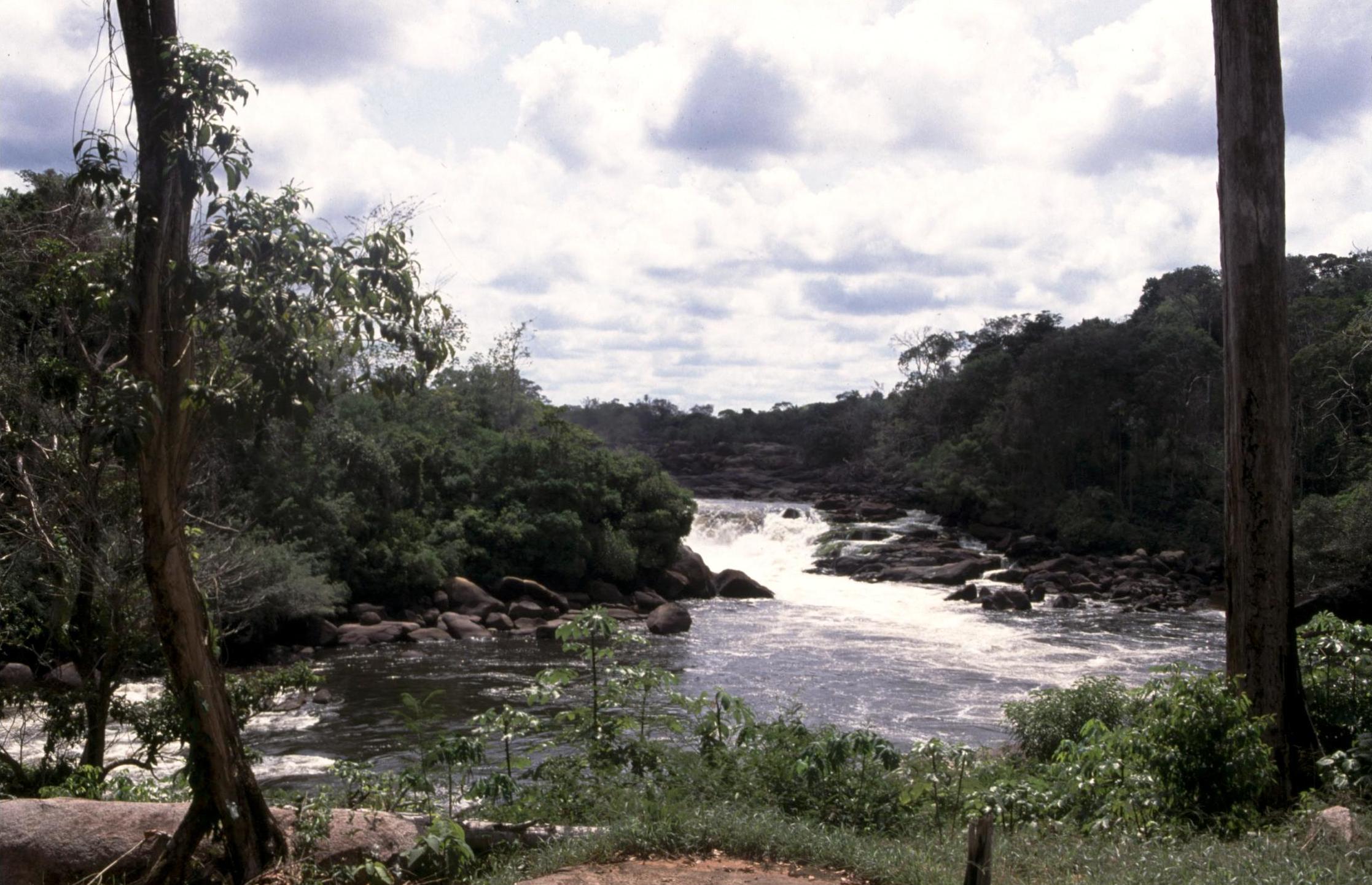
Wonotobovallen
Waterfall Potaro-SiparuniNeighboring Regions
- Barima-Waini (1 spots)
- Cuyuni-Mazaruni (2 spots)
- East Berbice-Corentyne (1 spots)
- Pomeroon-Supenaam (1 spots)
- Upper Takutu-Upper Essequibo (3 spots)