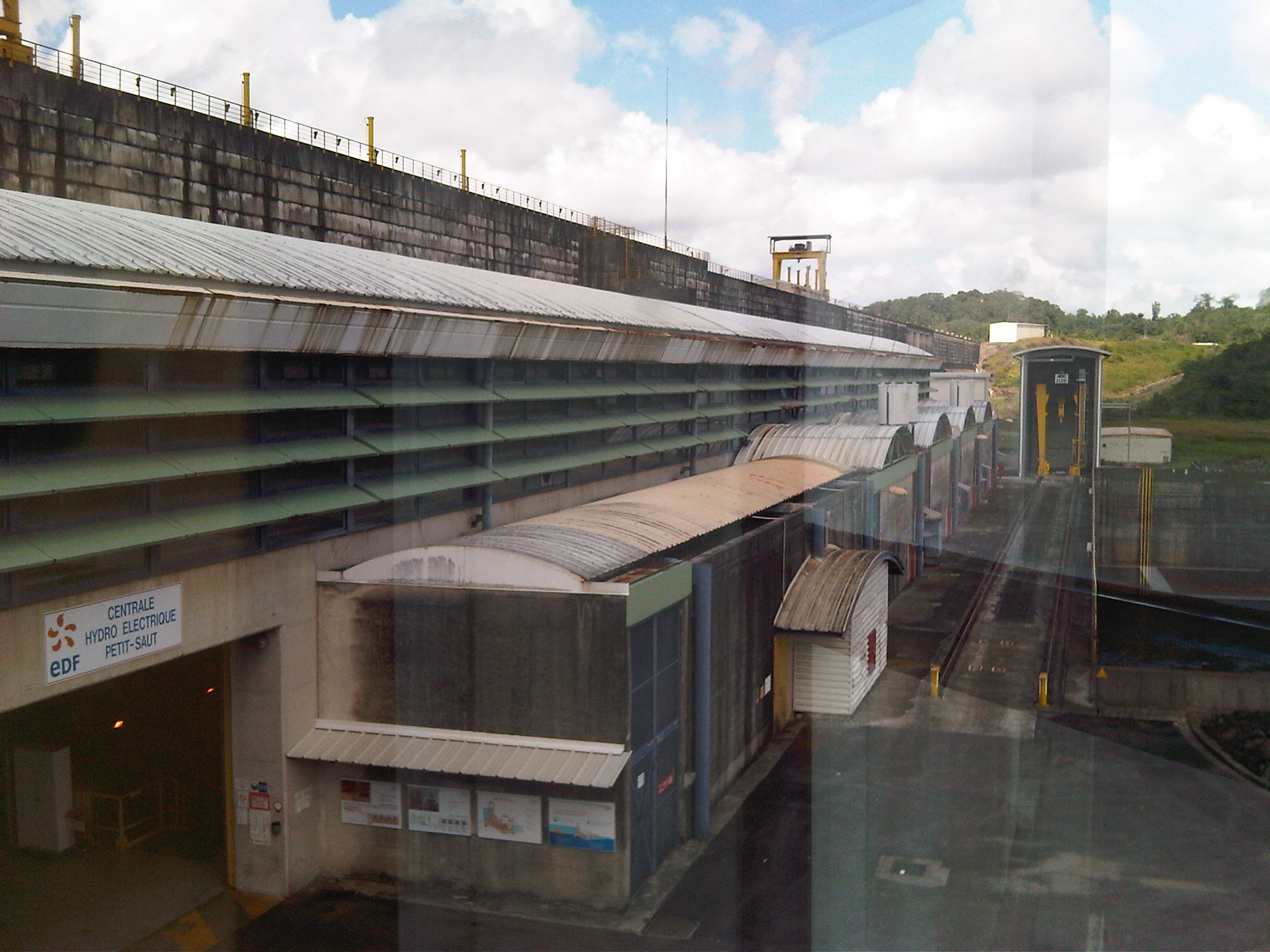
🌊 Barrage de Petit Saut – The Hidden Hydroelectric Gem of French Guiana
If you think French Guiana is only about dense rainforest and the infamous Devil’s Island, think again. Nestled on the banks of the Sinnamary River, the Barrage de Petit Saut is a striking dam that blends engineering marvel with raw natural beauty. Whether you’re an eco‑traveler, a photography enthusiast, or simply curious about off‑the‑beaten‑path attractions, this hydro‑power site deserves a spot on your itinerary.
📖 About Barrage de Petit Saut
The Barrage de Petit Saut (French for “Little Jump Dam”) is a hydroelectric dam located in the commune of Sinnamary, French Guiana (coordinates 5.062103 N, ‑53.047908 W). Built in the 1990s, the dam was part of a national strategy to harness the abundant water resources of the Sinnamary River for clean energy.
- Purpose: Generates electricity for the whole territory, reducing reliance on diesel generators.
- Historical significance: The project marked a turning point in French Guiana’s energy policy, showcasing a commitment to renewable resources in a region traditionally dependent on imported fuel.
- Design highlights: While the exact height and altitude of the structure remain undisclosed, the dam’s concrete spillway and massive reservoir create a dramatic contrast against the surrounding tropical forest.
The reservoir behind Petit Saut stretches for several kilometres, its calm surface often mirroring the sky’s ever‑changing colors. The dam’s presence has also given rise to a small but growing eco‑tourism niche: visitors can witness the power of water, learn about sustainable energy, and enjoy the serene environment that the reservoir creates.
🚗 How to Get There
From the International Gateway
The most common entry point for travelers is Cayenne – Félix Éboué Airport (CAY), located about 140 km (≈ 2 hours by road) from the dam. From Cayenne:
- Rent a car – A 4×4 is advisable, especially during the rainy season when secondary roads can become slippery.
- Take RN1 (Route Nationale 1) northbound toward Saint‑Laurent‑du‑Maroni.
- Turn off at Sinnamary (approximately the 70 km mark). Follow the local signs for “Barrage de Petit Saut.”
Public Transport Options
- Inter‑city bus: Regular buses run between Cayenne and Sinnamary. Disembark at the Sinnamary bus station and hire a local taxi (≈ 15 €) for the final 15‑km stretch.
- Guided tours: Several eco‑tour operators in Cayenne and Kourou offer half‑day trips that include transport, a brief safety briefing, and a guided walk around the dam area.
Practical Tips
- Road condition: RN1 is paved and well‑maintained, but the last kilometre to the dam can be a gravel track. Drive slowly and watch for wildlife.
- Parking: A modest parking lot is available near the visitor’s area; arrive early if you’re visiting on a weekend.
📅 Best Time to Visit
French Guiana enjoys an equatorial climate, meaning high humidity and rainfall year‑round. However, there are two distinct periods that affect the visitor experience:
| Season | Months | What to Expect | Why It’s Good for Petit Saut |
|---|---|---|---|
| Dry Season | August – November | Lower river levels, clearer skies, less mosquito activity. | Easier access to the reservoir’s shoreline and better photo conditions. |
| Rainy Season | December – July | Higher water levels, occasional thunderstorms, lush vegetation. | The dam’s spillway is more active, offering a spectacular display of water power. |
Peak recommendation: Late August to early October. You’ll enjoy comfortable temperatures (27‑30 °C) and the dam’s water flow is still robust enough to showcase its hydro‑electric function without the heavy downpours of the peak rainy months.
👀 What to Expect
A Blend of Engineering and Nature
Arriving at Barrage de Petit Saut, the first impression is the sheer scale of the concrete structure set against a backdrop of emerald rainforest. The dam’s spillway occasionally releases a thunderous cascade that echoes across the valley—an awe‑inspiring reminder of nature’s raw power harnessed for human use.
Visitor Experience
- Guided walk: A short, free‑of‑charge trail leads from the parking area to an observation platform. Signage explains the dam’s operation, the history of hydro‑electric development in French Guiana, and the ecological impact on the Sinnamary River.
- Photography: The reservoir’s glass‑like surface provides perfect reflections at sunrise and sunset. Bring a polarizing filter to cut glare and capture the vibrant greens of the surrounding canopy.
- Birdwatching: The water body attracts kingfishers, herons, and occasional toucans. Early morning is the best time for bird spotting.
- Quiet contemplation: Unlike bustling tourist sites, Petit Saut offers a tranquil setting. Many visitors simply sit on the platform, listening to the water and the distant calls of forest fauna.
Safety Note
Swimming is strictly prohibited. The water is used for power generation, and strong currents can be hazardous. Follow all posted signs and stay within designated areas.
📍 Nearby Attractions
While the dam is the star of the show, the surrounding area holds several points of interest that can easily be added to your itinerary. All are within a 5‑km radius, making them perfect for a short side‑trip after exploring Petit Saut.
| Distance | Attraction | Type | Why Visit? |
|---|---|---|---|
| 0.2 km | Weir | Small water control structure | Offers a close‑up view of river engineering, ideal for curious minds. |
| 0.5 km | Dam | Auxiliary dam | Provides perspective on how multiple dams work together in the Sinnamary basin. |
| 0.7 km | Dam | Secondary dam | Great for a quick photo walk and to compare construction styles. |
| 1.0 km | Dam | Additional dam | Highlights the network of hydro‑electric installations in the region. |
| 3.9 km | Waterfall | Natural waterfall | A short drive leads to a picturesque cascade—perfect for a refreshing break and a splash of adventure. |
All links lead to brief informational pages (or you can search the names on Google for more details).
🛎️ Travel Tips for a Smooth Visit
- Bring insect repellent – Mosquitoes are active year‑round, especially near water.
- Pack light rain gear – Even in the dry season, sudden showers are common. A compact poncho or waterproof jacket will keep you comfortable.
- Stay hydrated – The tropical heat can be intense; carry at least 1.5 L of water per person.
- Respect the environment – The area is part of a protected watershed. Stick to marked paths, avoid littering, and do not disturb wildlife.
- Cash is king – Small vendors and local taxis often accept only euros in cash; ATMs are scarce outside Cayenne.
- Timing for photos – The golden hour (30 minutes after sunrise or before sunset) provides the best lighting for the dam’s concrete surfaces and the surrounding forest.
- Combine with a river cruise – Some operators in Sinnamary offer short boat trips on the Sinnamary River, giving you a different perspective of the dam from the water.
✈️ Wrap‑Up
The Barrage de Petit Saut may not have the fame of the Eiffel Tower or the allure of the Amazon’s iconic waterfalls, but it offers a unique blend of sustainable engineering, striking scenery, and authentic French Guianan charm. It’s a perfect stop for travelers seeking something different—an opportunity to witness how a remote community harnesses the power of the rainforest’s rivers while preserving the surrounding ecosystem.
So, add Barrage de Petit Saut to your French Guiana bucket list, plan your journey with the tips above, and prepare to be amazed by the quiet grandeur of this hidden dam.
Happy travels, and may your next adventure be as powerful as the waters of Petit Saut!