Chutes de Poubara – Gabon’s Hidden Waterfall Gem
Discover the mist‑kissed cascade tucked in the lush heart of Haut‑Ogooué, just a short drive from Franceville.
Introduction
If you’re chasing the road less travelled in Central Africa, the Chutes de Poubara should be at the top of your list. This secluded waterfall, perched at 423 m above sea level in the verdant province of Haut‑Ogooué, offers a raw, un‑commercialised slice of Gabon’s natural splendor. Imagine the roar of water tumbling over basalt cliffs, the air thick with tropical humidity, and the surrounding forest alive with bird calls—all within a stone’s throw of the bustling town of Franceville. Whether you’re a seasoned trekker, a photography enthusiast, or simply looking for a tranquil escape, Chutes de Poubara delivers an unforgettable experience that feels like a secret only locals know.
About Chutes de Poubara
A Brief Description
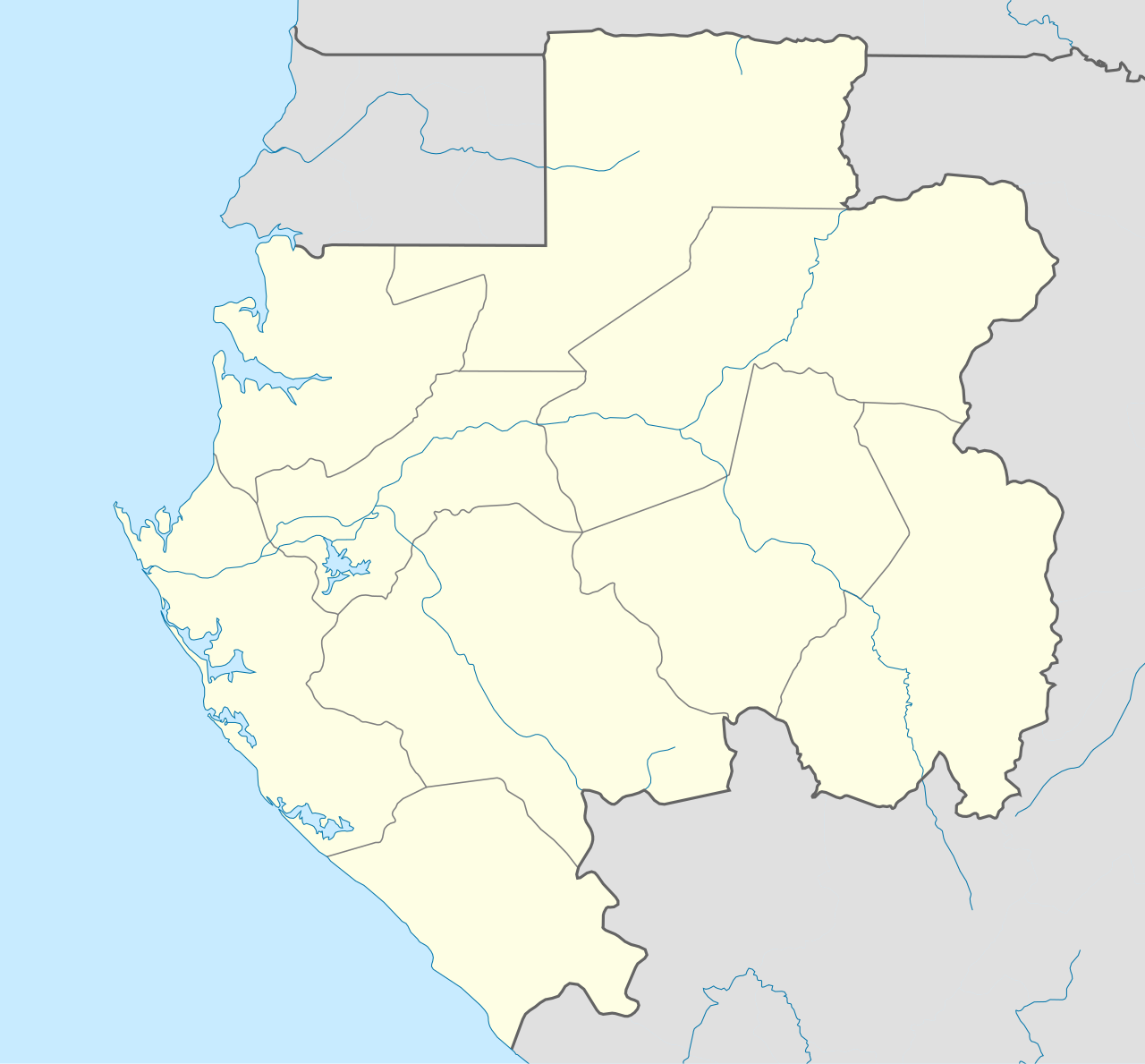
Chutes de Poubara is a waterfall (type: 🌊) located at latitude ‑1.761113 and longitude 13.551236 in the Franceville district of Haut‑Ogooué, Gabon. While the exact height of the cascade remains undocumented, the sheer drop is impressive enough to create a permanent mist that blankets the surrounding rocks and foliage. The waterfall drops into a clear pool that reflects the emerald canopy above, making it an ideal spot for a quick dip or a reflective pause.
Historical and Cultural Significance
Although there is no dedicated Wikipedia entry, the falls have long been part of the local landscape, known to the indigenous communities that have lived along the Ogooué River basin for generations. The name “Poubara” is also linked to the nearby Barrage de Grand Poubara, a dam built to harness hydro‑electric power for the region. This connection underscores the importance of water resources in Gabon’s economic development and cultural identity.
The area around the falls is still relatively untouched by large‑scale tourism, which helps preserve its authenticity and offers visitors a genuine glimpse into Gabon’s natural heritage.
How to Get There
From Franceville (the nearest city)
- Start in Franceville – Gabon’s third‑largest city, with an international airport (Franceville‑M'Vengué) that receives flights from Libreville and other regional hubs.
- Rent a 4×4 vehicle – The last stretch to the falls involves unpaved roads that can become slippery during the rainy season. A high‑clearance vehicle with a spare tire is advisable.
- Drive north on the N1 highway – Follow signs for Barrage de Grand Poubara (approximately 15 km from the city centre).
- Turn onto the local access road – After passing the dam, continue for about 1 km on a gravel track that leads directly to the waterfall’s viewpoint. The coordinates ‑1.761113, 13.551236 can be entered into a GPS device for precise navigation.
Public Transport Options
- Taxi‑brousse: Regular minibusses run between Franceville and the Grand Poubara dam. Ask the driver to drop you off at the “weir” stop (about 0.9 km from the falls) and arrange a short walk or a local guide to cover the final stretch.
- Guided tours: Several eco‑tour operators in Franceville offer half‑day trips that include transportation, a guide, and a picnic lunch. Booking in advance ensures you have a knowledgeable local to point out flora, fauna, and cultural anecdotes.
Practical Tips for the Journey
- Fuel up: Gas stations are sparse outside Franceville, so fill your tank before heading out.
- Cash: Small towns in Haut‑Ogooué rarely accept cards; carry enough CFA francs for entrance fees (if any), guide fees, and snacks.
- Timing: Depart early (around 7 am) to avoid the midday heat and to have ample daylight for photography.
Best Time to Visit
The region experiences a tropical equatorial climate with two main seasons:
| Season | Months | Rainfall | What It Means for the Falls |
|---|---|---|---|
| Wet (Summer) | November – March | Heavy rains, especially in December–January | Water flow is at its most powerful, creating a dramatic curtain of water and a lush, green backdrop. Expect more mist and potentially slippery paths. |
| Dry (Winter) | May – September | Lower precipitation | The cascade is still impressive, but the surrounding forest is drier, making hiking easier and the pool clearer for swimming. |
Recommendation: For most travelers, the late wet season (February–March) offers the perfect blend of strong water flow and manageable road conditions. If you prefer drier trails and clearer water for a dip, aim for June–August.
What to Expect
The Senses
- Sight: A cascade that plunges into a turquoise pool, framed by towering trees and occasional lianas. The surrounding rocks are often slick with spray, reflecting sunlight in a kaleidoscope of colors.
- Sound: A constant roar that drowns out distant traffic, punctuated by the chirping of cicadas and the occasional call of a forest kingfisher.
- Smell: Earthy aromas of wet soil, fresh foliage, and a faint hint of tropical flowers carried by the breeze.
Activities
- Photography: The mist creates natural filters, perfect for long‑exposure shots of the falling water. Early morning light or late afternoon golden hour adds depth to your images.
- Swimming: The pool at the base is generally safe for a quick dip, especially during the dry season when currents are gentler.
- Birdwatching: Haut‑Ogooué is a hotspot for avian diversity. Keep an eye out for the African grey hornbill, white‑breasted guineafowl, and various kingfisher species.
- Picnicking: Many visitors bring a simple lunch to enjoy on the riverbank, but remember to pack out all trash to preserve the pristine environment.
Facilities
Chutes de Poubara is a natural site with minimal infrastructure. There are no formal restrooms, souvenir shops, or marked trails, which adds to its untouched charm. However, a few local vendors sometimes set up temporary stands selling bottled water and snacks during peak visitor days.
Nearby Attractions
While Chutes de Poubara is the star of the day, the surrounding area offers several complementary sites worth exploring:
| Attraction | Distance from Falls | What to See | Link |
|---|---|---|---|
| (Weir) | 0.9 km | Small water regulation structure offering a view of the river’s engineering. | Weir Details |
| Barrage de Grand Poubara | 1.4 km | A hydro‑electric dam that powers much of the province; great for learning about Gabon’s energy initiatives. | Grand Poubara Dam |
| Chute de la Djoumou | 14.4 km | Another picturesque waterfall, slightly larger and accessible via a short hike. | Chute de la Djoumou |
| Chutes Ndoli‑Mayela | 41.8 km | A series of cascades set in a remote forest valley—ideal for multi‑day trekking. | Ndoli‑Mayela Waterfalls |
| (Dam) | 59.8 km | A secondary dam offering panoramic views of the Ogooué basin. | Regional Dam |
Visiting one or more of these spots can turn a day trip into a full‑blown adventure, giving you a broader perspective on the region’s natural and engineered water features.
Travel Tips
| Tip | Why It Matters |
|---|---|
| Pack waterproof gear | The waterfall’s spray can soak clothes quickly; a lightweight rain jacket and quick‑dry pants keep you comfortable. |
| Wear sturdy hiking shoes | The path to the falls includes rocky, potentially slippery sections, especially after rain. |
| Bring insect repellent | Mosquitoes are active year‑round in the forest; DEET‑based repellents work best. |
| Carry a reusable water bottle | Safe drinking water is limited near the falls; refill at Franceville or bring filtered water. |
| Respect local customs | Ask permission before photographing people, and be mindful of any cultural sites nearby. |
| Leave no trace | Pack out all trash, avoid disturbing wildlife, and stay on established paths to protect the ecosystem. |
| Consider a local guide | Guides know the safest routes, can point out hidden wildlife, and often share stories that enrich the visit. |
| Check road conditions | During the peak of the wet season, some access roads may be washed out; a quick call to your hotel or guide can save time. |
| Travel insurance | As with any adventure travel, ensure your policy covers medical evacuation and outdoor activities. |
Final Thought
Chutes de Poubara may not appear on every travel brochure, but that’s precisely why it feels like a discovery worth sharing. The combination of raw waterfall power, lush Gabonese forest, and the gentle hum of nearby hydro‑electric activity creates a unique tapestry of nature and human ingenuity. Pack your sense of adventure, follow the coordinates, and let the mist of Chutes de Poubara refresh both body and spirit.
Happy travels, and may your journey to Haut‑Ogooué be as vibrant as the waterfall itself!