Chute de la Djoumou – A Hidden Waterfall Gem in Haut‑Ogooué, Gabon
Discover the roar of a 15‑metre cascade, the lush rainforest backdrop, and the adventure of an off‑the‑beaten‑path waterfall just 18 km southeast of Franceville.
Introduction
If you’re plotting a Gabon itinerary that goes beyond the typical city tours, the Chute de la Djoumou should sit high on your list. Tucked away in the verdant heart of Haut‑Ogooué, this 15‑metre waterfall offers a refreshing splash of nature’s raw power and an authentic glimpse of Gabon’s pristine rainforest. Unlike the more commercialized sites, Chute de la Djoumou remains a quiet sanctuary—perfect for travelers craving solitude, photography opportunities, and a touch of local culture.
“The sound of water crashing into the pool below is a reminder that the forest is alive.” – A recent visitor
Ready to chase the mist? Let’s dive into everything you need to know to make the most of this hidden waterfall adventure.
About Chute de la Djoumou
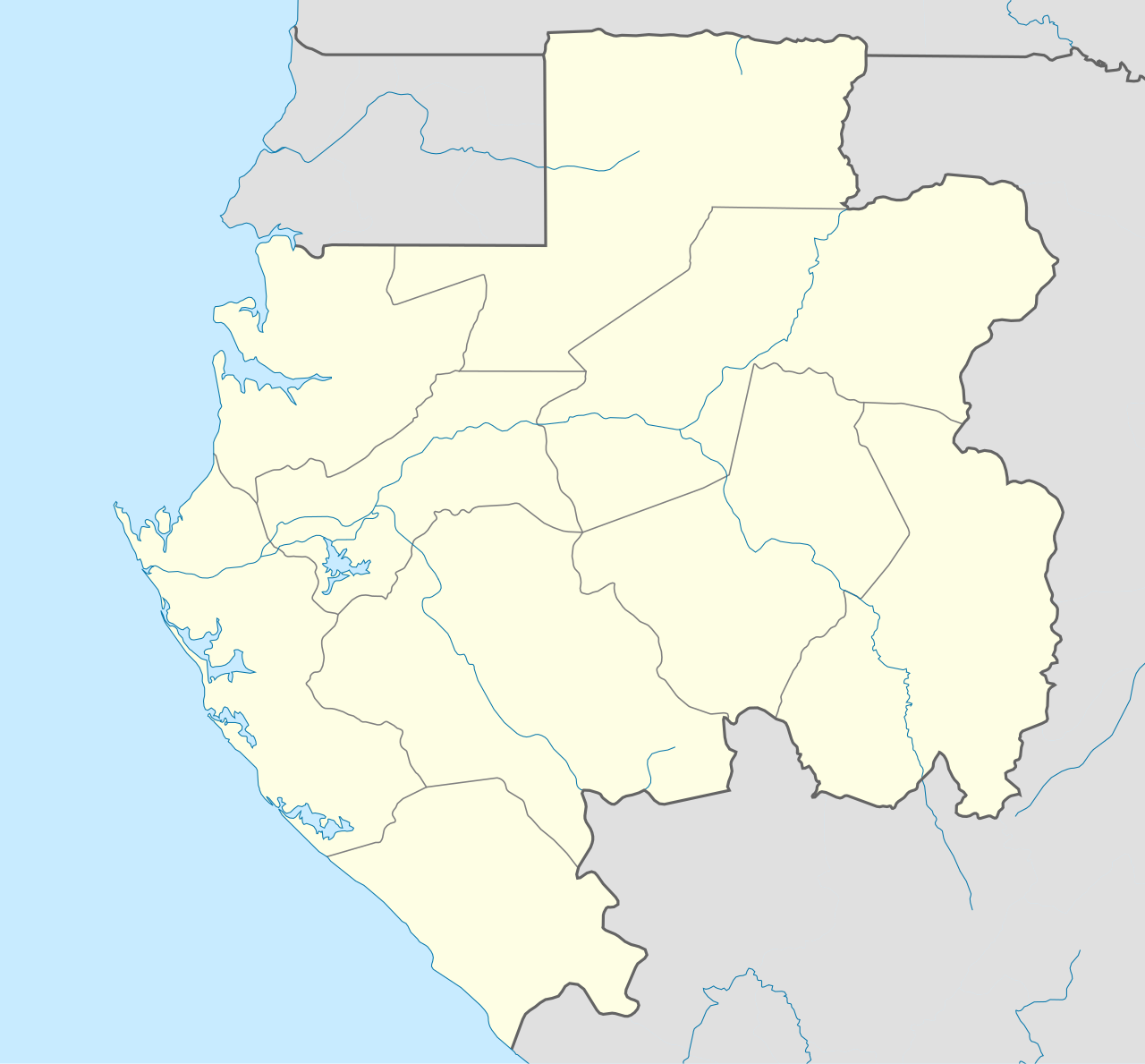
- Location: Approximately 18 km southeast of Franceville, the capital of the Mpassa department, in the province of Haut‑Ogooué, Gabon.
- Coordinates:
-1.684047, 13.656023– handy for GPS navigation. - Height: Roughly 15 meters (≈ 49 ft).
- Type: Natural waterfall (river cascade).
History & Significance
While Chute de la Djoumou does not yet have a dedicated Wikipedia page, the waterfall holds cultural and ecological importance for the local communities. Historically, the cascade has been a gathering spot for nearby villages, serving as a source of fresh water and a place for traditional ceremonies. The surrounding rainforest is home to a myriad of endemic species, making the area a valuable biodiversity hotspot.
Because the site is relatively remote, it has escaped large‑scale tourism development, preserving its pristine character. This also means that the waterfall is best experienced with a knowledgeable guide—either a professional outfitter or a local resident—who can share stories, point out wildlife, and ensure you stay safe on the forest trails.
How to Get There
From Franceville (Mpassa)
- Start in Franceville: The city is well connected by road (N1 highway) and has a modest airport (Franceville‑M'Passa Airport, IATA: MVB).
- Hire a guide: Before setting off, arrange a guide. Many local operators advertise in Franceville’s market or through your hotel. A guide not only navigates the unpaved roads but also provides cultural insights.
- Drive southeast: The journey to the waterfall is roughly 18 km on a mix of paved and dirt roads. Expect a 30‑45 minute drive, depending on road conditions (rainy season can make routes muddy).
- Parking & trailhead: Your guide will stop at a designated parking area near the trailhead. From here, a short hike (10‑15 minutes) leads to the cascade.
Transportation Options
| Option | Details | Approx. Cost* |
|---|---|---|
| Private 4×4 hire | Ideal for comfort and flexibility; many drivers also act as guides. | $40‑$60 per day |
| Guided tour package | Includes transport, guide, and sometimes a picnic. | $70‑$90 per person |
| Local taxi | Can be negotiated for a round‑trip; ensure the driver is familiar with the route. | $15‑$25 total |
*Prices are indicative and may vary by season and provider.
Best Time to Visit
Gabon’s equatorial climate means two main seasons: a rainy season (October–May) and a drier season (June–September).
- June to September (dry season): Trails are firmer, and the waterfall’s flow is still impressive. This window offers the best overall hiking conditions and clearer skies for photography.
- October to May (rainy season): Water volume increases dramatically, creating a spectacular, thunderous cascade. However, muddy paths and occasional road closures can make access trickier. If you love powerful waterfalls and don’t mind a bit of mud, the early rainy months (October–November) are still manageable.
Tip: Arrive early in the morning (around 8 am) to avoid the midday heat and to catch the soft, diffused light that makes the water sparkle.
What to Expect
The Sights & Sounds
- The cascade: A 15‑meter drop into a clear, turquoise pool surrounded by moss‑covered rocks. The roar of the water is audible from the parking area, building anticipation as you approach.
- Rainforest ambience: Expect a chorus of bird calls, occasional monkey chatter, and the scent of damp earth and wild orchids.
- Photography: The waterfall looks stunning from multiple angles. A low‑angle shot captures the water’s plunge, while a wide‑angle view showcases the surrounding canopy.
The Experience
- Guided walk: Your guide will lead you through a short forest trail, pointing out medicinal plants and spotting wildlife such as colobus monkeys or colorful kingfishers.
- Pool dip: If the water is safe (your guide will assess), you can take a refreshing swim in the natural pool—a perfect way to cool down after the hike.
- Picnic break: Many guides bring a simple lunch—local fruits, plantains, and grilled fish—allowing you to savor the scenery.
Safety
- Footwear: Sturdy hiking shoes with good grip are essential; the rocks near the falls can be slippery.
- Hydration: Carry at least 1.5 L of water per person, especially during the hotter months.
- Guided only: The area is not signposted for independent hikers. A guide ensures you stay on the correct path and respects local customs.
Nearby Attractions
While you’re in the Haut‑Ogooué region, consider adding these natural wonders to your itinerary. They’re all within a 60‑km radius, making for easy day‑trip combos.
- Chutes de Poubara – A striking waterfall 14.4 km away, known for its multi‑tiered flow.
- Weir (Barrage) de Poubara – Located 14.9 km from Chute de la Djoumou, this small weir offers a peaceful spot for birdwatching.
- Barrage de Grand Poubara – A larger dam 15.3 km away, providing panoramic views of the reservoir and surrounding hills.
- Chutes Ndoli‑Mayela – Approximately 43.5 km distant, this waterfall is a favorite among adventure trekkers.
- Chutes de Leboka – At 59.9 km, the Leboka falls present a more secluded experience for those willing to venture further.
Combining these sites creates a waterfall circuit that showcases the diversity of Gabon’s aquatic landscapes.
Travel Tips
- Book a guide in advance: Especially during the high season (June‑September), reputable guides can fill up quickly.
- Carry cash: Rural areas often lack ATMs; small villages accept CFA francs for tips and purchases.
- Respect local customs: Ask permission before taking photos of people, and avoid disturbing wildlife.
- Pack light but smart: A small daypack with a rain jacket, sunscreen, insect repellent, and a reusable water bottle is ideal.
- Stay connected: Mobile coverage can be spotty; consider purchasing a local SIM card (e.g., Moov or Airtel) for emergency calls.
- Leave no trace: Bring a trash bag and pack out everything you bring in to preserve the pristine environment.
Final Thoughts
Chute de la Djoumou may not have the fame of larger tourist attractions, but that’s precisely why it feels like a secret shared among those who truly love Gabon’s natural beauty. With a modest 15‑meter drop, a surrounding rainforest teeming with life, and the warm hospitality of local guides, this waterfall delivers an unforgettable experience for the intrepid traveler.
Plan your visit, respect the environment, and let the mist of Chute de la Djoumou refresh both body and spirit. Your next great Gabon adventure awaits—just a short drive southeast of Franceville.
Keywords: Chute de la Djoumou, waterfall in Gabon, Haut‑Ogooué attractions, Franceville travel, Gabon waterfalls, how to get to Chute de la Djoumou, best time to visit Gabon waterfalls, travel tips Gabon.