Gilgel Gibe III Dam – Ethiopia’s Engineering Marvel and Hidden Travel Gem
Discover the towering 250‑metre hydro‑power wonder perched in the heart of Southern Nations, Nationalities, and Peoples’ Region (SNNPR), Ethiopia, and explore the breathtaking waterfalls and springs that surround it.
1. Introduction
If you think Ethiopia’s travel highlights are limited to the rock‑hewn churches of Lalibela or the wildlife‑rich plains of the Simien Mountains, think again. A short flight north of Addis Ababa, then a scenic drive through rolling highlands, brings you to Gilgel Gibe III Dam – a colossal concrete‑filled dam that not only powers millions of homes but also offers a striking backdrop for adventurous travelers. Its sheer height (250 m) and dramatic location on the Omo River make it a photographer’s dream, a geology enthusiast’s field trip, and a perfect base for exploring a cluster of pristine waterfalls and natural springs just a stone’s throw away.
2. About Gilgel Gibe III Dam
A Brief History
Completed in 2015, Gilgel Gibe III Dam (sometimes written Gilgel Gibe 3) is the third major structure in the Gilgel Gibe cascade of hydro‑electric projects. Built by the Italian‑Italian consortium Salini Impregilo (now Webuild) in partnership with Ethiopia’s Ministry of Water and Energy, the dam was designed to boost the country’s renewable energy capacity and reduce reliance on fossil fuels.
- Location: Areka, Southern Nations, Nationalities, and Peoples’ Region, Ethiopia
- Coordinates: 6.848283 N, 37.301913 E
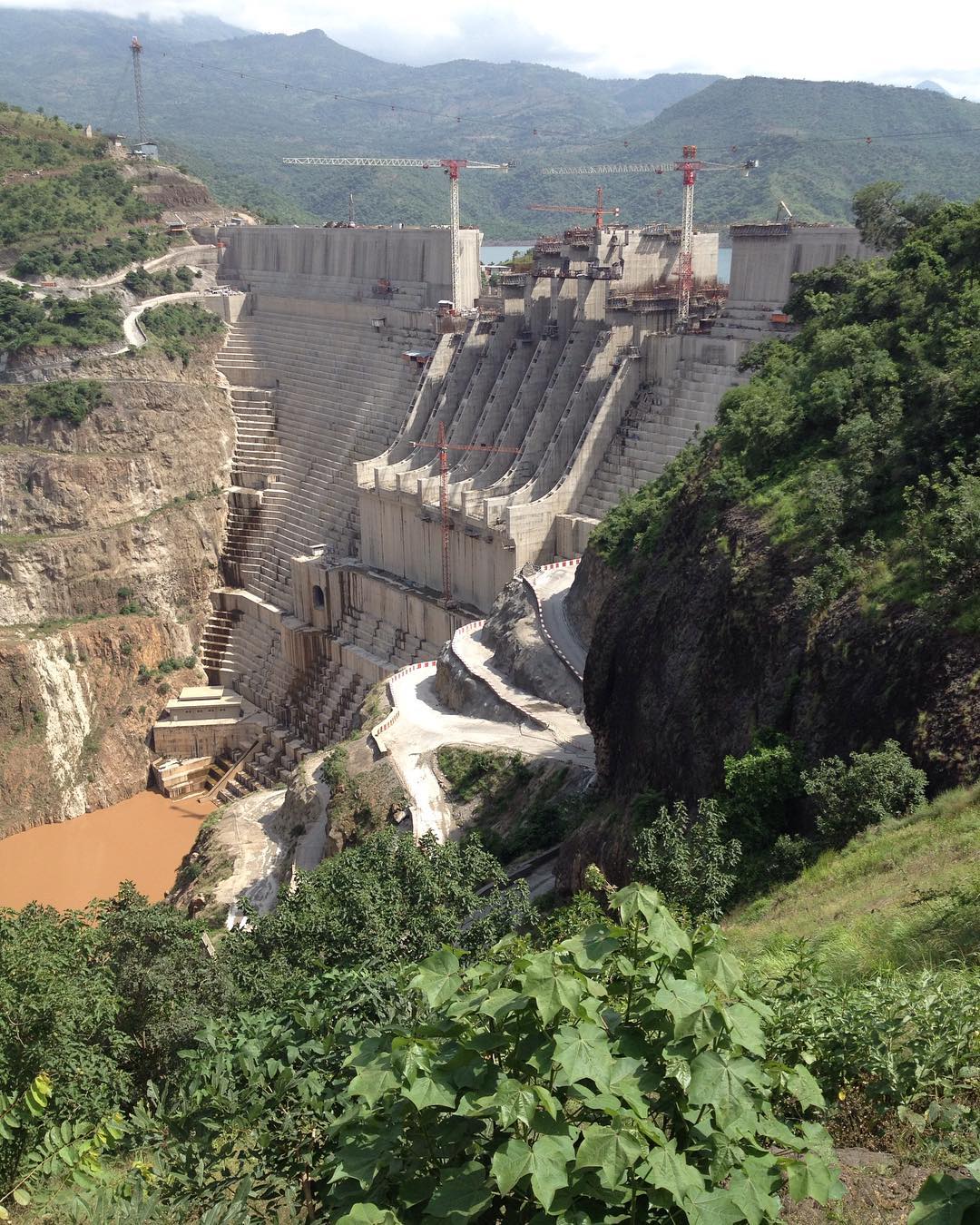
- Height: 250 m (tallest dam in Ethiopia)
- Type: Concrete‑filled gravity dam on the Omo River
The dam’s 1,870 MW power station feeds directly into the national grid, supporting Ethiopia’s rapid industrial growth and its ambitious goal of becoming a regional energy hub.
Why It Matters
Beyond its sheer engineering prowess, Gilgel Gibe III Dam is a symbol of Ethiopia’s commitment to sustainable development. The reservoir created by the dam has also opened up new opportunities for eco‑tourism, bird‑watching, and community‑based projects that promote conservation of the surrounding watershed.
3. How to Get There
Step‑by‑Step Travel Route
| Step | Details |
|---|---|
| Fly into Ethiopia | Most international travelers arrive at Addis Ababa Bole International Airport (ADD). Direct flights are available from major hubs in Europe, the Middle East, and Africa. |
| Domestic Transfer | From Addis Ababa, catch a domestic flight to Arba Minch Airport (AMH) – a 1‑hour flight that drops you in the gateway city to the Omo River basin. Airlines such as Ethiopian Airlines operate daily services. |
| Road Journey | From Arba Minch, hire a 4×4 vehicle or join a guided tour heading north‑east toward Areka. The drive is roughly 150 km and takes about 3–4 hours on paved and gravel roads, offering scenic views of coffee‑plantation hills and the Great Rift Valley. |
| Final Leg | Follow the local road signs to the dam site (coordinates 6.848283, 37.301913). A modest parking area near the visitor’s gate makes it easy to park your vehicle. |
Getting Around Locally
- Car hire: A 4×4 is recommended for the last stretch, especially during the rainy season when some sections can become muddy.
- Guided tours: Several local operators in Arba Minch and Areka offer half‑day or full‑day tours that include a stop at the dam, a boat ride on the reservoir, and visits to nearby waterfalls.
- Public transport: Mini‑buses run between Arba Minch and Areka, but they may not stop directly at the dam; you’ll need to arrange a short walk or a tuk‑tuk ride.
4. Best Time to Visit
| Season | Weather | Why Visit |
|---|---|---|
| Dry Season (October – February) | Clear skies, low humidity, daytime temps 20‑28 °C | Ideal for photography, easy road conditions, and comfortable hikes to nearby waterfalls. |
| Short Rainy Season (March – May) | Light showers, greener landscape | Waterfalls are at peak flow, making them more spectacular; however, some rural roads can become slick. |
| Long Rainy Season (June – September) | Frequent heavy rain, higher humidity, temps 18‑25 °C | Reservoir levels are highest, offering dramatic reflections, but travel may be slower. |
Peak visitor months are October to February when the weather is most predictable and the dam’s vista is crystal clear.
5. What to Expect
The Dam Experience
Arriving at Gilgel Gibe III, you’ll be greeted by the massive concrete wall that towers above the Omo River. A short, well‑maintained pathway leads to a viewing platform that offers panoramic shots of the reservoir stretching into the horizon. The water’s turquoise hue, framed by distant hills, creates a striking contrast against the dark dam structure.
- Guided walks: Park rangers occasionally lead short talks on the dam’s construction, its role in Ethiopia’s power grid, and the local ecology.
- Boat rides: Some tour operators provide a 30‑minute boat excursion on the reservoir, letting you see the dam’s spillways up close and spot waterbirds such as herons and kingfishers.
Photographic Highlights
- Sunrise over the dam: The early light paints the concrete in golden tones, perfect for landscape photography.
- Night illumination: On select evenings, the dam is lit with soft white lights, creating a dramatic silhouette against the night sky.
Cultural Touches
Nearby villages often welcome visitors with a cup of freshly brewed Ethiopian coffee. You may hear local stories about the river’s significance and how the dam has transformed daily life.
6. Nearby Attractions
The dam’s remote location is a gateway to several natural wonders within a 50‑km radius. All distances are measured from the dam’s visitor centre.
| Attraction | Type | Distance | Why Go? | Link |
|---|---|---|---|---|
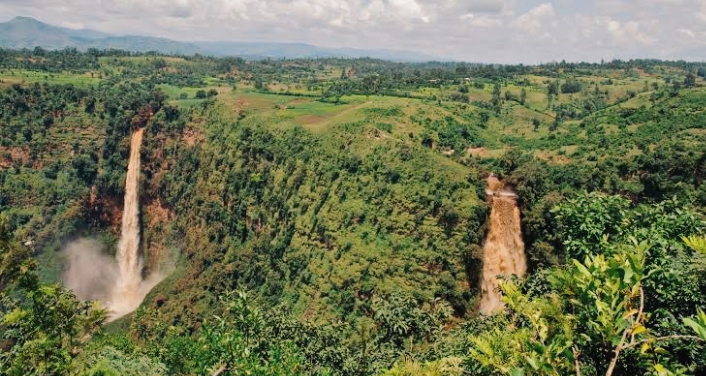
| Unnamed Waterfall #1 | Waterfall | 29.4 km | A secluded cascade surrounded by dense forest; ideal for a quiet picnic. | Explore |
| Unnamed Waterfall #2 | Waterfall | 43.7 km | Larger drop, perfect for a short hike and photo ops. | Explore |
| Unnamed Waterfall #3 | Waterfall | 47.7 km | Offers a natural swimming pool at its base. | Explore |
| Small Spring | Spring | 48.4 km | Crystal‑clear water emerging from a rocky outcrop; a refreshing stop on a long trek. | Explore |
| Ajora Falls | Waterfall | 48.7 km | One of the most spectacular falls in the region, cascading over basalt cliffs into a lush valley. | Ajora Falls – Wikipedia |
Travel tip: Pair the dam visit with a full‑day waterfall tour. Many local guides can combine several of these sites into a single itinerary, providing a picnic lunch and transport between each stop.
7. Travel Tips
| Tip | Details |
|---|---|
| Bring cash | Rural Ethiopia relies heavily on Ethiopian Birr (ETB). ATMs are scarce outside major towns, so carry enough for entry fees, guide fees, and meals. |
| Dress modestly | Respect local customs: lightweight long‑sleeve shirts and trousers are advisable, especially when visiting villages. |
| Stay hydrated | Altitude is moderate, but the sun can be intense. Carry a reusable water bottle and refill at designated points. |
| Sun protection | Sunscreen, sunglasses, and a wide‑brim hat are essential, particularly during the dry season. |
| Footwear | Sturdy hiking shoes with good grip are recommended for waterfall treks and the dam’s viewing platform. |
| Language | Amharic is the official language, but many locals in SNNPR speak Oromo, Sidamo, or other regional languages. A few phrases in Amharic (e.g., “Selam” for hello) go a long way. |
| Travel insurance | Ensure your policy covers adventure activities such as boat rides and hiking near waterfalls. |
| Respect the environment | Pack out all trash, stay on marked trails, and avoid disturbing wildlife or local flora. |
| Permits | Some waterfall sites may require a small entry fee or permit; your guide will handle this. |
8. Final Thoughts
Gilgel Gibe III Dam isn’t just an engineering triumph; it’s a gateway to Ethiopia’s untapped natural beauty. Whether you’re a photographer chasing dramatic vistas, a renewable‑energy enthusiast eager to see a modern hydro‑project up close, or an adventurous traveler looking for off‑the‑beaten‑path waterfalls, this destination delivers on all fronts.
Plan your journey during the dry season, secure a knowledgeable local guide, and set aside a full day to soak in both the dam’s awe‑inspiring presence and the surrounding cascades. Your Ethiopian adventure will be enriched by the roar of the Omo River, the mist of distant falls, and the warm hospitality of the SNNPR communities.
Ready to cross the bridge between engineering marvel and natural wonder? Pack your camera, lace up your boots, and let Gilgel Gibe III Dam become the highlight of your Ethiopian travel story.
Keywords: Gilgel Gibe III Dam, Ethiopia travel, SNNPR attractions, Omo River dam, Ethiopian waterfalls, Ajora Falls, sustainable tourism Ethiopia, hydroelectric dam tours, Areka travel guide, best time to visit Gilgel Gibe III.