Ajora Falls – Ethiopia’s Hidden Waterfall Gem in the Southern Nations
If you’re hunting for an off‑the‑beaten‑path waterfall that still feels untouched, Ajora Falls in the Southern Nations, Nationalities, and Peoples’ Region (SNNPR) of Ethiopia should be at the top of your list. Nestled near the town of Areka, this serene cascade offers a perfect blend of natural beauty, cultural intrigue, and adventure‑ready vibes.
1. Introduction
Imagine stepping off a dusty road into a cool, mist‑filled valley where the only soundtrack is the rhythmic roar of water tumbling over stone. That’s the moment you’ll experience at Ajora Falls – a relatively unknown waterfall that locals cherish but few international travelers have discovered. Whether you’re a waterfall enthusiast, a photography lover, or simply someone who craves a quiet spot to unwind, Ajora delivers an authentic Ethiopian wilderness experience that feels like a secret waiting to be shared.
2. About Ajora Falls
A Natural Treasure
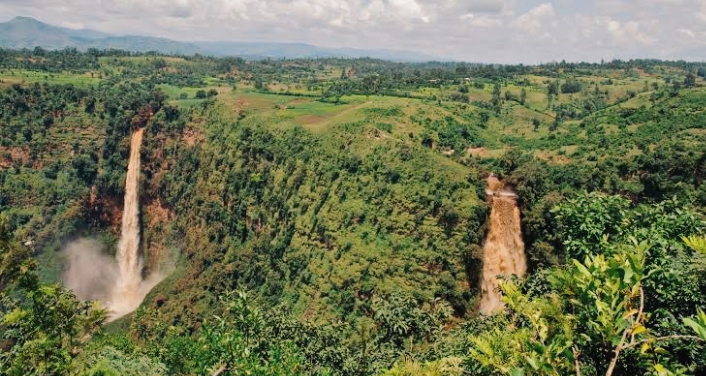
Ajora Falls is situated at 7.173995° N, 37.598844° E, just a short distance from the bustling market town of Areka. While the exact height of the falls remains undocumented, the cascade drops dramatically into a shallow pool surrounded by lush, semi‑tropical vegetation. The water source originates from the highlands that feed numerous streams across the SNNPR, making the falls a vital part of the local watershed.
Historical & Cultural Significance
The SNNPR is a mosaic of ethnic groups, each with its own traditions tied to the land and water. For nearby communities, Ajora Falls is more than a scenic spot—it’s a place of spiritual reverence and communal gathering. Elders recount stories of the falls being a “gift from the gods,” used for cleansing rituals and seasonal celebrations. Though there is no formal monument or plaque, the reverence is palpable in the respectful silence of visitors and the careful stewardship shown by locals.
Why It Matters
In a country where tourism often focuses on the iconic Simien Mountains or the rock‑hewn churches of Lalibela, Ajora Falls offers a sustainable tourism alternative. Its low visitor numbers help preserve the surrounding ecosystem, while the modest influx of travelers supports small‑scale vendors, guides, and homestays in Areka. By visiting Ajora, you contribute directly to the region’s eco‑friendly development.
3. How to Get There
Getting to the SNNPR
- Fly into Addis Ababa – Bole International Airport (ADD) receives daily international flights.
- Domestic Transfer – From Addis, you can catch a short domestic flight to Hawassa Airport (AWA), the capital of the SNNPR. If flights are limited, a comfortable 6‑hour bus ride from Addis to Hawassa is also an option.
- Road to Areka – From Hawassa, hire a 4×4 vehicle or join a shared minibus heading north‑east toward Areka. The drive is roughly 150 km on paved and gravel roads, offering scenic views of coffee farms and rolling highlands.
From Areka to Ajora Falls
- GPS Navigation – Input the coordinates 7.173995, 37.598844 into any smartphone map app. The falls sit about 0.7 km from the center of Areka, reachable by a short walk or a quick motorbike ride.
- Local Guidance – Most visitors hire a local guide at the Areka market. Guides know the safest footpaths, the best spots for photos, and can share cultural anecdotes that enrich the experience.
- Transport Options – If you prefer not to walk, a tuk‑tuk or a hired bicycle is widely available for a nominal fee.
4. Best Time to Visit
| Season | Weather | Water Flow | Visitor Experience |
|---|---|---|---|
| Dry Season (Oct – Mar) | Warm days, cooler nights; minimal rain | Lower to moderate flow – ideal for swimming and easy hiking | Fewer crowds, clear skies for photography |
| Short Rains (Apr – May) | Light showers, greener landscape | Increased flow, mistier atmosphere | Vibrant foliage, moderate crowd levels |
| Main Rains (Jun – Sep) | Frequent rain, occasional thunderstorms | High water volume – powerful cascade, spectacular mist | Best for dramatic waterfall shots, but trails can be slippery |
Recommendation: For most travelers, the dry season (October to March) offers the most comfortable conditions—pleasant temperatures, safe footing, and ample sunlight for capturing the falls. However, if you love the roar of a full‑force waterfall, the rainy months provide an unforgettable, thundering display (just pack waterproof gear).
5. What to Expect
- Scenic Arrival – As you approach, the sound of water grows louder, guiding you through a short, shaded trail lined with native trees and occasional coffee bushes.
- The Cascade – Ajora Falls plunges into a crystal‑clear pool that reflects the surrounding greenery. The water’s temperature remains cool year‑round, making a quick dip especially refreshing after a hike.
- Photography Opportunities – Position yourself on the left bank for a classic frontal view, or cross the shallow stream (use caution) to capture the falls framed by the distant hills. Early morning light creates a soft golden halo around the mist.
- Wildlife – Keep an eye out for local birds such as the African grey hornbill and small forest mammals that frequent the water’s edge.
- Community Interaction – Nearby villagers often sell fresh fruit, roasted coffee beans, or handmade crafts. A friendly chat can lead to stories about the falls’ role in seasonal festivals.
6. Nearby Attractions
While Ajora Falls is the star, the surrounding area offers several complementary natural sites that can fill a full day of exploration:
| Attraction | Distance from Ajora Falls | What to See |
|---|---|---|
| Small Spring | 0.6 km | A crystal‑clear spring perfect for a short rest or a quick photo. |
| Second Waterfall | 3.3 km | A lesser‑known cascade tucked in a narrow gorge—great for a short trek. |
| Third Waterfall | 6.1 km | A broader waterfall with a wider plunge pool, ideal for picnicking. |
| Local Weir | 10.5 km | An engineered water structure offering insight into regional irrigation practices. |
All attractions are reachable by foot or a short motorbike ride. For detailed directions, you can use the same GPS coordinates format (e.g., “search for Small Spring near Ajora Falls”).
7. Travel Tips
| Tip | Details |
|---|---|
| Pack Light, Pack Smart | Waterproof shoes, quick‑dry clothing, a reusable water bottle, and a small first‑aid kit. |
| Stay Connected | Mobile coverage can be spotty; consider purchasing a local SIM card in Areka for GPS and emergency calls. |
| Respect Local Customs | Ask permission before photographing people, especially during cultural ceremonies. |
| Leave No Trace | Carry out all trash, avoid disturbing wildlife, and stick to established paths. |
| Currency | Ethiopian Birr (ETB) is the official currency. Small vendors may only accept cash, so bring enough for snacks and souvenirs. |
| Guides & Safety | Hiring a local guide is inexpensive (≈ 10–15 ETB per hour) and enhances safety, especially during the rainy season when trails can become slippery. |
| Health Precautions | Drink bottled or filtered water. If you have a history of malaria, consult a travel clinic about prophylaxis—some low‑lying areas of SNNPR have seasonal malaria risk. |
| Timing | Arrive early (sunrise to mid‑morning) to avoid the midday heat and to catch the best light for photos. |
Closing Thoughts
Ajora Falls may not have the fame of Ethiopia’s historic sites, but its raw natural charm and warm community spirit make it a must‑visit for any traveler seeking authentic experiences. From the soothing sound of cascading water to the chance encounters with local culture, a trip to this hidden waterfall adds a refreshing chapter to any Ethiopian itinerary.
So, lace up your hiking boots, charge your camera, and set your GPS to 7.173995, 37.598844—Ajora Falls awaits.
Happy travels, and may your journey be as fluid and inspiring as the waterfall itself!