Karjaoru Joastik – Estonia’s Hidden Waterfall Gem
Discover the tranquil charm of Karjaoru joastik, a secluded waterfall tucked away in the rugged beauty of Ida‑Virumaa. Whether you’re a seasoned nature lover or a curious traveler seeking off‑the‑beaten‑path experiences, this modest cascade offers a perfect slice of Estonian wilderness.
1. Introduction
Imagine stepping off a quiet country road, the air tinged with the fresh scent of pine, and hearing the soft roar of water before you even see it. That moment captures the magic of Karjaoru joastik, a small but enchanting waterfall located just outside the industrial town of Kohtla‑Järve in Ida‑Virumaa, northeastern Estonia. While it doesn’t boast the towering height of Valaste Juga, Karjaoru’s unspoiled setting, crystal‑clear pool, and surrounding forest make it a hidden treasure for hikers, photographers, and anyone looking to escape the crowds.
If you’re planning a road trip through Estonia’s lesser‑known natural wonders, Karjaoru joastik should sit high on your itinerary. In this guide, we’ll dive into everything you need to know—history, how to get there, the best season to visit, what you’ll experience on site, nearby attractions, and practical travel tips.
2. About Karjaoru Joastik
A Quiet Cascade in Ida‑Virumaa
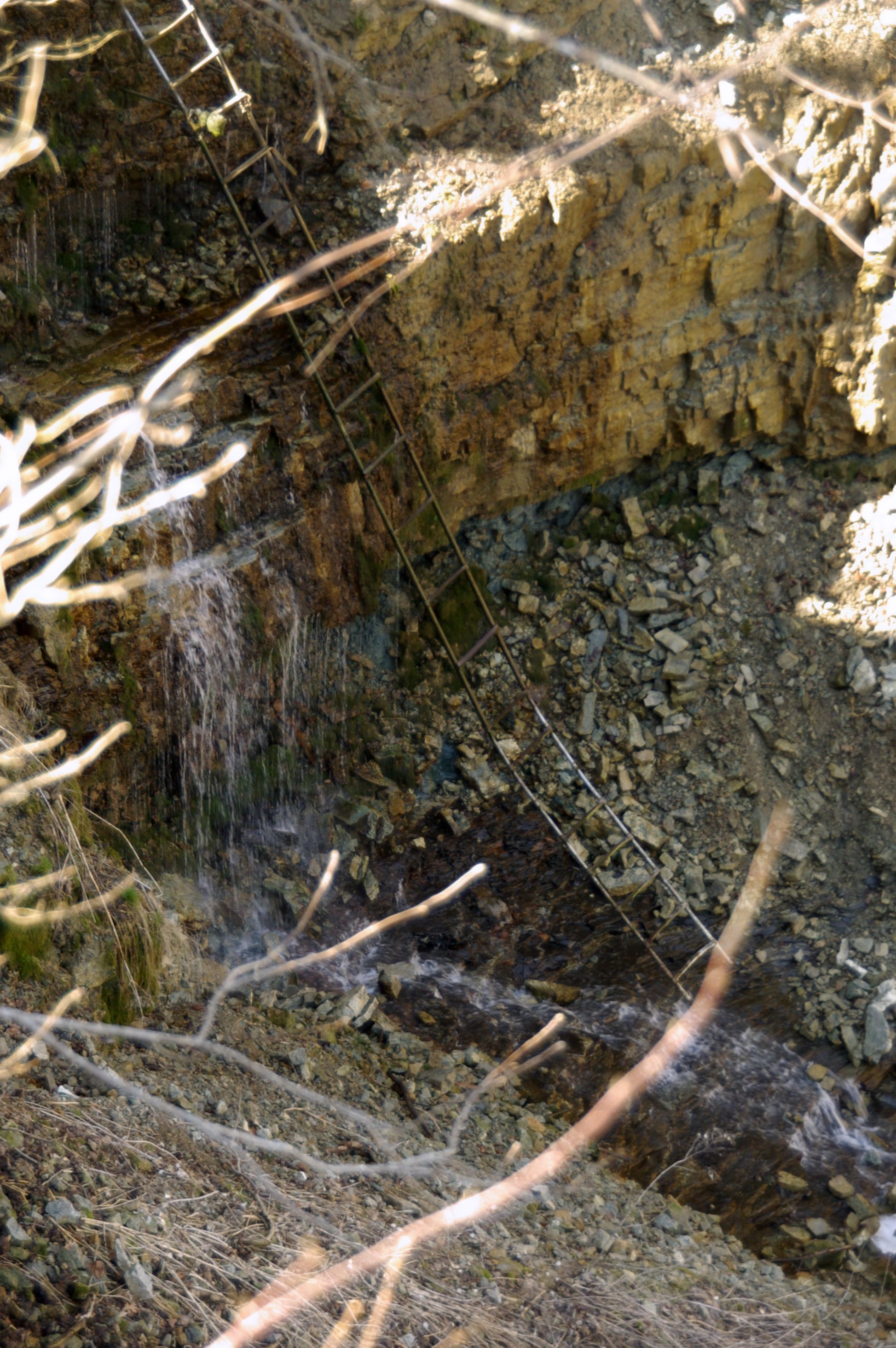
Karjaoru joastik (Estonian for “Karjaoru waterfall”) is situated at 59.442520 N, 27.269689 E, perched amid a mixed forest of pine, spruce, and birch. The waterfall’s exact height and altitude remain undocumented, adding an air of mystery that invites exploration. Water from a modest spring tumbles over a rocky ledge, forming a gentle cascade that feeds a clear, shallow pool—ideal for a quick splash on a warm summer day.
Historical Context
The waterfall lies within a region historically shaped by both natural forces and human activity. Ida‑Virumaa, once a hub for oil shale mining, has seen its industrial landscape gradually give way to conservation projects and eco‑tourism. Karjaoru joastik, referenced in the Estonian Wikipedia entry Karjaoru joastik, has long served as a local landmark for villagers and workers seeking a moment of serenity amid the forest. Though no grand legends surround the site, its name—Karjaoru—derives from the nearby meadow (“karja” meaning “pasture”) and the surrounding hills (“oru” meaning “valley”), hinting at a pastoral past.
Why It Matters
In a country celebrated for its pristine coastlines and medieval towns, Estonia’s inland waterfalls often slip under the radar. Karjaoru joastik offers a glimpse into the nation’s nature tourism potential beyond the usual hotspots. Its modest scale encourages low‑impact visits, helping preserve the delicate ecosystem while providing a rewarding experience for those who venture off the main tourist routes.
3. How to Get There
By Car
The most convenient way to reach Karjaoru joastik is by car. From Kohtla‑Järve town centre, follow Road 36 northward for about 5 km. Turn onto a local gravel road marked with a small wooden sign pointing to “Karjaoru”. The drive takes roughly 10–12 minutes and offers scenic views of the surrounding forest and farmland. Parking is available in a modest lot near the trailhead—just enough space for a few cars, so arriving early on weekends is advisable.
Public Transport
Public transport options are limited, but you can combine a bus ride with a short hike:
- Bus – Take the T2 bus from Kohtla‑Järve to the village of Karja (approximately 15 minutes).
- Walk – From the Karja stop, follow the marked footpath eastward for about 1.2 km (10‑minute walk) to the waterfall.
Check the latest schedules on the Ida‑Virumaa transport website before you travel, as services may vary on weekends and holidays.
By Bike or On Foot
For the adventurous, the Kohtla‑Järve–Karja cycling route offers a pleasant 7‑km ride through rolling countryside. The path is mostly paved, with a few gravel sections near the waterfall. If you’re already trekking the Ida‑Virumaa nature trail network, Karjaoru joastik can be a rewarding side‑trip—just be sure to bring sturdy walking shoes and a waterproof jacket.
4. Best Time to Visit
Spring (April–May)
Spring awakens the forest, and the water flow is at its freshest after snowmelt. The surrounding foliage is a vibrant mix of budding leaves and wildflowers, making for excellent photography. However, early spring can be chilly, so dress in layers.
Summer (June–August)
Summer is the peak visitor season. Longer daylight hours (up to 19 hours of light in June) give you ample time to explore. The waterfall’s pool is warm enough for a quick dip, and nearby picnic spots are perfect for a relaxed lunch. Expect modest crowds, especially on weekends.
Autumn (September–October)
Autumn paints the forest in golden hues, and the water level remains comfortable. This is arguably the most peaceful time to visit, with fewer tourists and crisp, clean air—ideal for meditative walks.
Winter (November–March)
During winter, the cascade may partially freeze, creating a striking icy tableau. While the site is accessible, paths can be slippery, and the pool may be covered in ice. If you’re an experienced winter hiker, a visit can be magical; otherwise, plan for a summer or autumn trip.
SEO tip: Use keywords like “best time to visit Karjaoru joastik” and “Karjaoru waterfall seasons” when searching online for up‑to‑date weather conditions.
5. What to Expect
The Sights and Sounds
As you approach the trailhead, the gentle murmur of water grows louder, guiding you through a narrow, moss‑lined path. The waterfall itself is modest—roughly a few meters high—but the clear, turquoise pool at its base reflects the canopy above, creating a mirror‑like effect. Sunlight filters through the leaves, casting dappled patterns on the water’s surface.
Wildlife
The surrounding forest is home to typical Estonian fauna: songbirds, squirrels, and occasionally European hedgehogs. Keep an eye out for butterflies fluttering near the wildflowers in spring and summer. While larger mammals are rare in this immediate area, you might hear distant calls of owls at dusk.
Photographic Opportunities
- Long‑exposure shots of the waterfall to capture silky water motion.
- Macro photography of mosses and lichens clinging to the rocks.
- Panoramic forest views from the small overlook just upstream.
Remember to bring a tripod and polarizing filter for the best results.
Facilities
Karjaoru joastik is a natural site with minimal infrastructure. There are no restrooms or food vendors on‑site, so pack water, snacks, and a portable toilet if needed. A small wooden bench near the pool offers a spot to sit and soak in the atmosphere.
6. Nearby Attractions
While Karjaoru joastik is the star of the day, the surrounding Ida‑Virumaa region offers several other natural highlights within a short drive:
| Attraction | Distance | Type | Quick Note |
|---|---|---|---|
| Spring (unnamed) | 3.1 km | Spring | A crystal‑clear spring perfect for a quick refill. |
| Valaste Juga | 3.7 km | Waterfall | Estonia’s highest waterfall (30 m) – a must‑see for waterfall enthusiasts. |
| Saka Joastik | 4.9 km | Waterfall | A series of small cascades nestled in a lush gorge. |
| Fountain (unnamed) | 12.4 km | Fountain | A charming historic fountain set in a small park. |
| Roosteallikas Spring | 14.9 km | Spring | A serene spring surrounded by birch trees, ideal for a quiet picnic. |
Tip: Plan a half‑day loop that starts at Karjaoru joastik, continues to Valaste Juga (the highlight), and finishes with a relaxing stop at Roosteallikas spring. The entire circuit can be completed in 4–5 hours, allowing plenty of time for photos and breaks.
7. Travel Tips
| Tip | Details |
|---|---|
| Dress for the weather | Layers are key. Even in summer, evenings can be cool in the forest. |
| Footwear | Waterproof hiking boots or sturdy trail shoes with good grip. |
| Bring a map or GPS | Cellular coverage can be spotty; offline maps (e.g., Maps.me) are reliable. |
| Respect nature | Stay on marked paths, avoid picking plants, and pack out all trash. |
| Timing | Arrive early (7–8 am) during peak summer months to enjoy the waterfall in relative solitude. |
| Photography | Use a wide‑angle lens for the cascade and a macro lens for close‑up details. A small neutral‑density filter helps smooth water flow. |
| Food & Drink | No vending facilities—carry a reusable water bottle and snacks. A simple sandwich and fruit are perfect for a picnic by the pool. |
| Safety | The rocks around the pool can be slippery when wet. Keep a safe distance from the edge, especially after heavy rain when the water flow increases. |
| Local etiquette | Estonians value quiet and privacy in natural spaces. Keep noise to a minimum and avoid loud conversations near the waterfall. |
Final Thoughts
Karjaoru joastik may not dominate travel guidebooks, but its understated beauty, tranquil atmosphere, and proximity to other natural gems make it a must‑visit destination for anyone exploring Ida‑Virumaa. Whether you’re chasing the perfect waterfall photo, seeking a peaceful spot to unwind, or simply adding a dash of adventure to your Estonian itinerary, Karjaoru welcomes you with the gentle rush of water and the whisper of the forest.
Pack your boots, charge your camera, and set your GPS to 59.442520 N, 27.269689 E—the hidden waterfall of Karjaoru is waiting. Safe travels!
Keywords used: Karjaoru joastik, waterfall in Estonia, Ida‑Virumaa attractions, Kohtla‑Järve waterfall, travel to Estonia, nature tourism Estonia, Estonian waterfalls, how to get to Karjaoru joastik, best time to visit Karjaoru joastik.