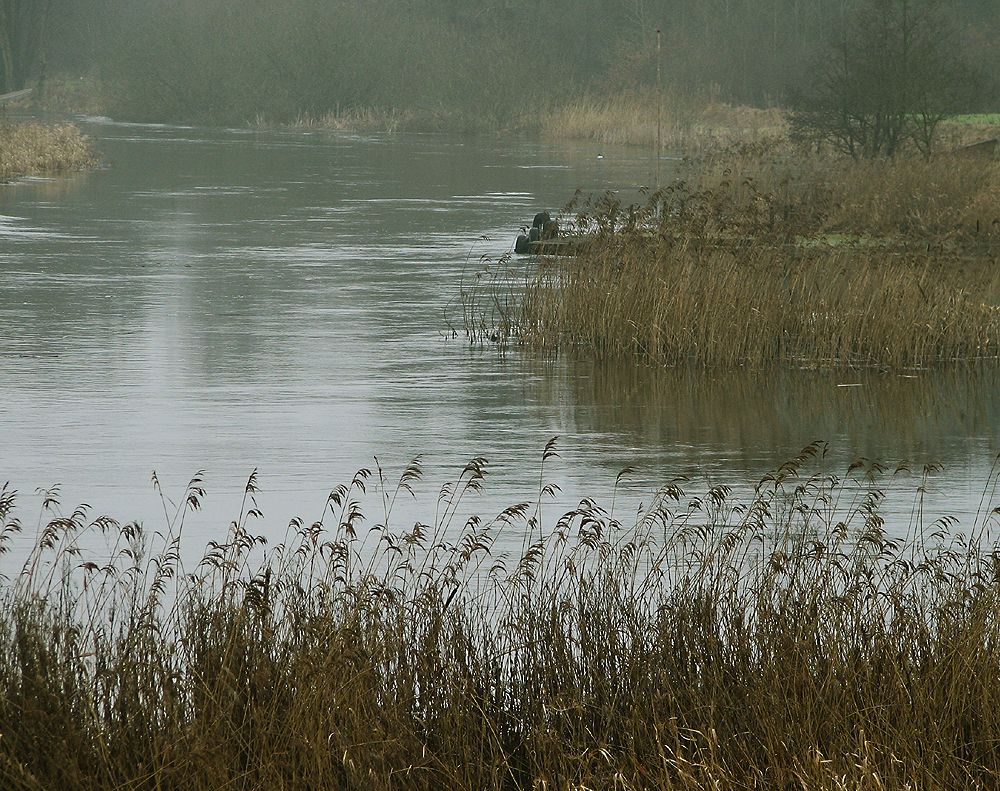
Gudenåens Udspring – Denmark’s Hidden Spring of the Great River
Discover the crystal‑clear source of Denmark’s longest river, tucked away in the tranquil countryside of Central Jutland.
Introduction
Imagine standing at the exact spot where water begins its journey across an entire nation. At Gudenåens udspring (the spring of the Gudenå), you can do just that. Nestled near the charming village of Torring in Central Jutland, this modest yet magical spring marks the birthplace of the Gudenå River, Denmark’s longest waterway. For nature lovers, photographers, and anyone craving a slice of authentic Danish wilderness, Gudenåens udspring is a must‑visit hidden gem that promises serenity, history, and a touch of adventure—all in one place.
About Gudenåens Udspring
What Is It?
Gudenåens udspring is a natural spring (💧) that serves as the source of the Gudenå River. The spring emerges from the ground at the coordinates 55.902127, 9.400660, just outside the small settlement of Torring. While the exact height and altitude of the spring are not documented, its significance lies in the steady flow of crystal‑clear water that feeds Denmark’s most iconic river.
Historical Significance
The Gudenå River has been a lifeline for Danish communities for centuries—supporting agriculture, transport, and recreation. The spring itself, though modest in size, has long been recognized by locals as the river’s “heart.” According to the Danish Wikipedia entry on the Gudenå (see Gudenå – Wikipedia), the river stretches over 160 km, winding through forests, towns, and historic castles before emptying into the Kattegat Sea. By visiting its source, you step into the very beginning of this storied waterway.
Why It Matters
- Ecological hub – The spring feeds a pristine aquatic ecosystem that supports native fish, amphibians, and plant life.
- Cultural landmark – Historically, springs in Denmark were considered sacred, and Gudenåens udspring is no exception; it has been a gathering spot for locals for generations.
- Scenic tranquility – Surrounded by gentle rolling hills and open fields, the spring offers a peaceful retreat far from the bustle of city life.
How to Get There
By Car
The easiest way to reach Gudenåens udspring is by car. From Aarhus (the nearest major city, about 45 km north), follow these steps:
- Take E45 south toward Vejle.
- Exit onto Route 21 (Vejle‑Ringe) and continue toward Torring.
- Look for signs for Torring Skov (the forest area) and turn onto the local road that leads to the spring.
The drive takes roughly 45 minutes and the route is well‑marked. Parking is available in a small lot near the trailhead; it’s free but can fill up on sunny weekends, so arrive early.
By Public Transport
- Train: Take a regional train from Aarhus to Vejle Station (approx. 30 min).
- Bus: From Vejle, board the Bus 70 toward Torring; alight at the “Torring Skov” stop.
- Walk: From the bus stop, a 15‑minute marked walking path leads directly to the spring.
While public transport is reliable, the final stretch is a short hike, so wear comfortable shoes.
By Bike
Denmark’s cycling infrastructure is world‑class. The Gudenå Cycle Route (Gudenåstien) passes near the spring, offering a scenic 30 km ride from Vejle or a longer 70 km trek from Aarhus for the more adventurous.
Best Time to Visit
| Season | What to Expect | Why It’s Ideal |
|---|---|---|
| Spring (April‑June) | Fresh green foliage, budding wildflowers, and moderate water flow. | Perfect for photography and mild temperatures (10‑18 °C). |
| Summer (July‑August) | Lush surroundings, longer daylight hours (up to 17 h). | Ideal for picnics and extended hikes, but expect more visitors. |
| Autumn (September‑October) | Golden leaves, crisp air, and quieter trails. | Excellent for peaceful contemplation and birdwatching. |
| Winter (November‑March) | Snow‑covered landscape, tranquil silence. | For the intrepid traveler seeking solitude; be prepared for icy paths. |
Overall recommendation: Late spring to early autumn (May‑September) offers the most comfortable weather and vibrant scenery, making it the peak season for most travelers.
What to Expect
When you arrive at Gudenåens udspring, you’ll be greeted by a modest, crystal‑clear pool where water bubbles up from the earth. The spring is framed by a low wooden fence and an informational board that explains its role in feeding the Gudenå River. A short, well‑maintained trail loops around the spring, allowing you to view the water from multiple angles.
Sensory Experience
- Sight – The water’s turquoise hue contrasts beautifully with the surrounding grass and the occasional pine tree.
- Sound – A gentle, soothing murmur accompanies the flow, perfect for meditation or a moment of quiet reflection.
- Smell – Fresh, earthy aromas mingle with the faint scent of nearby wildflowers.
- Touch – If you’re brave enough, dip your fingers into the cool water for a refreshing sensation.
Activities
- Photography – Capture the spring’s pristine water, the surrounding landscape, or the sunrise casting golden light over the scene.
- Birdwatching – The area attracts small waterbirds and songbirds; bring binoculars for a closer look.
- Short Hikes – Follow the marked trail that leads to nearby forest paths and connects to the larger Gudenåstien network.
Because the spring is a protected natural site, swimming is discouraged, and visitors are asked to respect the environment by staying on designated paths and taking any litter home.
Nearby Attractions
While Gudenåens udspring is the star of the show, the surrounding region offers several other charming spots that can easily be added to your itinerary:
| Attraction | Type | Distance from Spring | Quick Link |
|---|---|---|---|
| Sankt Peders Kilde | Spring | 2.6 km | Sankt Peders Kilde |
| Helligkilde | Spring | 4.3 km | Helligkilde |
| [Unnamed Fountain] | Fountain | 4.5 km | (link unavailable) |
| [Unnamed Weir] | Weir | 5.2 km | (link unavailable) |
| Sankt Knuds Kilde | Spring | 6.2 km | Sankt Knuds Kilde |
Tip: Combine a visit to Gudenåens udspring with a leisurely walk or bike ride to Sankt Peders Kilde and Sankt Knuds Kilde—both historic springs that showcase Denmark’s rich tradition of sacred water sources.
Travel Tips
- Dress in layers – Danish weather can shift quickly; a light waterproof jacket is a smart addition.
- Footwear – Sturdy walking shoes or hiking boots are recommended, especially if you plan to explore the surrounding forest trails.
- Timing – Arrive early in the morning (especially in summer) to avoid crowds and enjoy the soft, golden light for photos.
- Respect the environment – Stay on marked paths, do not litter, and avoid disturbing wildlife.
- Bring a snack – There are no cafés at the spring; a packed lunch or picnic works perfectly.
- Mobile signal – Coverage can be spotty; download offline maps (e.g., Google Maps offline area) before you set off.
- Parking – The free lot near the spring fills up quickly on weekends; consider taking public transport if possible.
- Safety – The ground around the spring can be slippery when wet; watch your step, especially after rain.
Final Thought
Gudenåens udspring may not boast towering cliffs or grand monuments, but its quiet charm lies in being the origin point of Denmark’s most celebrated river. Whether you’re a seasoned traveler seeking off‑the‑beaten‑path experiences, a photographer hunting that perfect natural light, or simply a curious explorer, this spring offers a genuine taste of Danish nature and heritage. Pack your camera, lace up your boots, and let the journey begin at the very source of the Gudenå.
Happy travels! 🌿💧