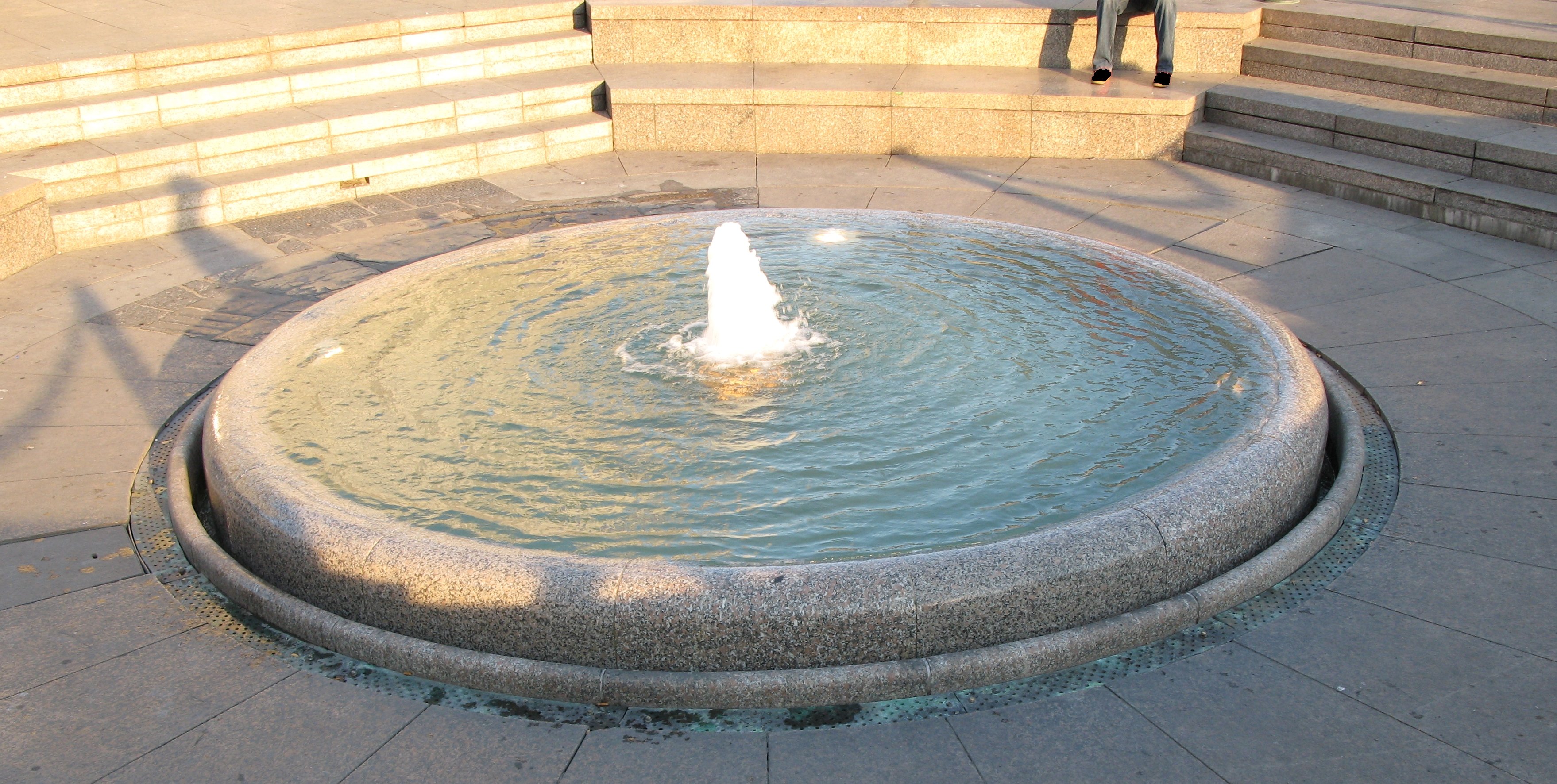
Manduševac Fountain – Zagreb’s Timeless Heartbeat
If you ever wander into the bustling centre of Croatia’s capital, one of the first things that will draw your eye is a modest yet charismatic stone fountain spilling crystal‑clear water onto the cobbles. That’s Manduševac – a living piece of Zagreb’s history, a favorite selfie spot, and a quiet reminder that even the busiest cities need a splash of serenity.
1. Introduction
There’s something magical about a fountain that has watched a city grow from medieval market town to vibrant European capital. Manduševac, tucked in the heart of Zagreb – Centar, is exactly that. With its gentle trickle, historic stonework, and central location, it offers travelers a perfect blend of culture, photo‑ops, and a place to pause amid the urban rush. Whether you’re a first‑time visitor mapping out “things to do in Zagreb” or a local looking for a quick coffee‑break backdrop, Manduševac is a must‑see stop on any Zagreb travel itinerary.
2. About Mandušev️ac
A brief history
Manduševac (pronounced mahn‑doo‑sheh‑vats) is more than just a decorative water feature. Historically, the site served as a vital water source for the early inhabitants of Zagreb. Over the centuries, the spring that fed the fountain became a communal gathering point, a place where merchants, students, and families would meet to draw water, exchange news, and rest their feet.
Today, the stone basin you see is a faithful nod to that heritage. While the exact height and altitude of the fountain are not officially recorded, its modest size is intentional – it’s meant to be approachable, inviting passers‑by to dip a hand or simply listen to the soothing sound of flowing water.
Cultural significance
Manduševac has earned a special place in Zagreb’s collective memory. Locals often reference the fountain when giving directions (“Turn left at Manduševac”), and it frequently appears in postcards, travel blogs, and social‑media feeds under hashtags like #Mandushevac and #ZagrebFountain. Its presence in the city centre underscores Zagreb’s commitment to preserving historic landmarks while keeping the urban fabric lively and walkable.
3. How to Get There
By public transport
- Tram – Lines 1, 6, 11, 13, and 14 stop at Ban Jelačić Square, the main hub just a short walk from Manduševac.
- Bus – Several city bus routes (e.g., 106, 108) also terminate at the square.
On foot
If you’re staying in the Old Town (Gornji Grad), Tkalčićeva Street, or any of the numerous boutique hotels around the centre, Manduševac is within a 5‑minute stroll. The city’s pedestrian‑friendly streets are lined with cafés, shops, and historic façades, making the walk itself an enjoyable part of the experience.
By car / taxi
Parking in the immediate vicinity can be limited, especially during peak hours. We recommend using a park‑and‑ride facility on the outskirts (e.g., Park & Ride Zaprešić) and hopping on a tram for the final leg. Ride‑hailing apps like Bolt or Uber operate reliably throughout Zagreb.
4. Best Time to Visit
| Season | Why it works | Tips |
|---|---|---|
| Spring (April‑June) | Blossoming trees, mild temperatures, and fewer crowds make for perfect photo lighting. | Grab a coffee from a nearby café and sit by the fountain for a relaxed morning. |
| Summer (July‑August) | Long daylight hours let you soak up the lively street performances that often pop up around the square. | Stay hydrated – many kiosks sell fresh fruit juices and ice‑cream. |
| Autumn (September‑October) | Golden leaves frame the fountain, creating a romantic backdrop. | Early evenings are ideal for watching the city lights reflect on the water. |
| Winter (November‑March) | The fountain may be partially covered, but the surrounding Christmas markets add a festive vibe. | Dress warmly; the square hosts a holiday market with local crafts and mulled wine. |
Overall, late spring to early autumn offers the most comfortable weather for strolling around the fountain and exploring nearby attractions.
5. What to Expect
The ambience
Approaching Manduševac, you’ll hear the soft murmur of water mingling with the chatter of locals and tourists. The fountain’s stone basin is surrounded by low‑level paving, allowing you to get up close without crowding. Children love to splash their feet, while couples often pause for a quick kiss under the gentle spray.
Photo opportunities
- Close‑up shots of the water flowing over the historic stone.
- Wide‑angle views that capture the fountain against the backdrop of Zagreb’s bustling square.
- Nighttime photos when the surrounding lamps cast a warm glow on the water’s surface.
Nearby amenities
A handful of cafés line the adjacent streets, offering everything from a classic kava (espresso) to a hearty burek (savory pastry). Public benches provide a place to rest, and free Wi‑Fi is available in many of the surrounding establishments – perfect for uploading your latest Instagram post.
6. Nearby Attractions
Manduševac sits in a cluster of charming water features and historic sites, making it an ideal base for a mini‑tour of Zagreb’s central fountains. All are within a 0.3‑km radius, so you can easily hop from one to the next on foot.
| Attraction | Distance | What to see | Link |
|---|---|---|---|
| Bolléova česma | 0.2 km | A decorative cast‑iron fountain with intricate detailing. | Bolléova česma |
| Gljiva | 0.2 km | Known locally as “The Mushroom” due to its distinctive cap‑shaped basin. | Gljiva Fountain |
| Fontane “Blizanci” | 0.3 km | Twin fountains that mirror each other, perfect for symmetry shots. | Fontane “Blizanci” |
| (Other nearby fountains) | 0.3 km | Additional historic waterworks that add to the city’s “fountain trail.” | (link placeholder) |
Beyond the fountains, you’ll find Zagreb Cathedral, St. Mark’s Church, and the lively Dolac Market just a short walk away, rounding out a full day of cultural immersion.
7. Travel Tips
- Timing is everything – Arrive early on weekdays (7 am–9 am) to avoid the midday rush and capture the fountain in soft natural light.
- Stay hydrated – While the fountain’s water is not for drinking, nearby kiosks sell fresh fruit juices and bottled water.
- Respect the space – Keep the area tidy; avoid littering and be mindful of children playing near the water.
- Combine with a café hop – The square hosts several historic cafés (e.g., Café Špajza, Mali Medo) where you can enjoy a pastry while people‑watch.
- Use a local map app – Apps like Google Maps or Croatia’s Moovit provide real‑time tram schedules and walking routes to the fountain.
- Check for events – The city often hosts street performances, open‑air concerts, and seasonal markets around Manduševac. A quick glance at the Zagreb Tourist Board website will tell you what’s happening during your visit.
- Capture the sound – If you love ambient recordings, bring a small portable recorder. The gentle splash creates a soothing soundscape that’s perfect for travel vlogs.
Final Thought
Manduševac may be modest in size, but its presence is larger than life in the story of Zagreb. It offers a moment of calm, a splash of history, and a perfect backdrop for every traveler’s photo album. So the next time you find yourself in Grad Zagreb, make a point to pause, listen to the water, and let the fountain’s timeless rhythm remind you why exploring on foot is the best way to discover a city’s soul.
Happy travels, and may your journey through Zagreb be as refreshing as the waters of Manduševac!