Amerlingova Fontana – Dubrovnik’s Hidden Fountain Gem
Discover the charm of a centuries‑old fountain tucked away in the heart of Dubrovacko‑Neretvanska, Croatia.
1. Introduction
If you think Dubrovnik is only about towering walls, red‑tiled rooftops, and the shimmering Adriatic, think again. A short stroll from the bustling Old Town lies a quiet piazza where a modest stone fountain whispers stories of the past. Amerlingova fontana (Amerling’s Fountain) may not appear on the typical “top‑10” lists, but for travelers who love authentic, off‑the‑beaten‑path experiences, it’s a must‑see. This unassuming fountain, set against the backdrop of the historic Pilana district, offers a perfect pause for photographers, history buffs, and anyone craving a moment of serenity in Dubrovnik, Croatia.
2. About Amerlingova Fontana
A Brief Description
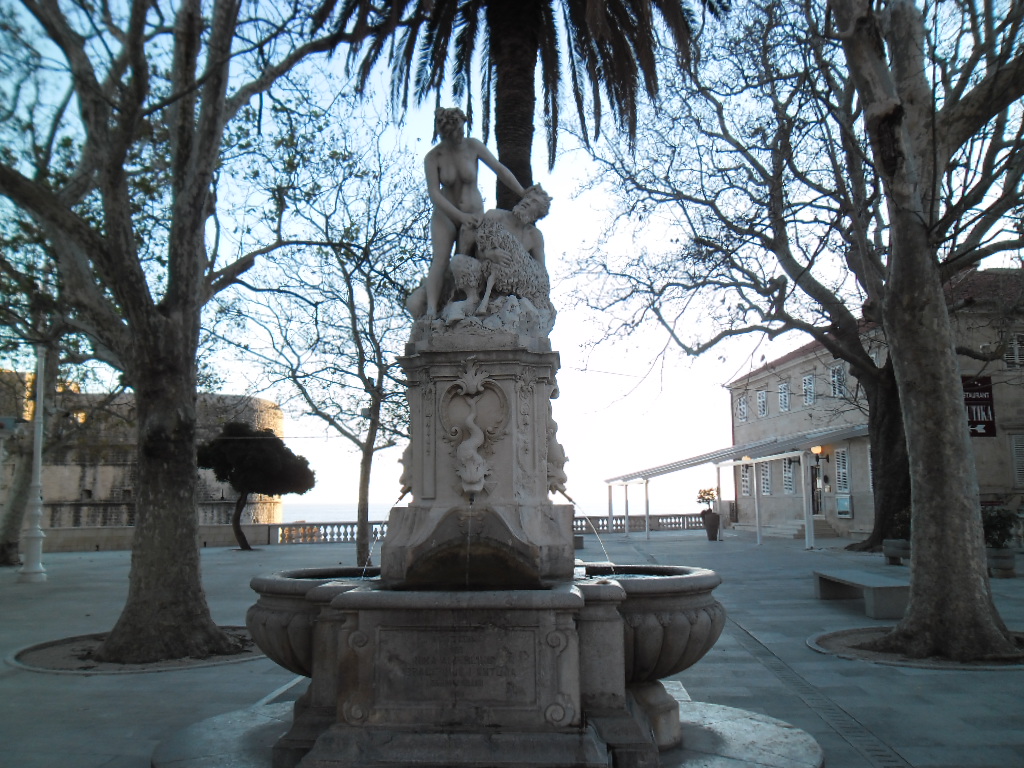
Located at 42.641750 N, 18.105979 E, Amerlingova fontana sits in the Dubrovacko‑Neretvanska municipality, just a few kilometres east of Dubrovnik’s famous Old City. The fountain is built from local stone, featuring a simple basin that once supplied fresh water to nearby residents and travelers. While the exact height and altitude of the structure remain undocumented, its modest scale only adds to its intimate charm.
Historical Roots
The fountain’s name honors Karl Amerling, a 19th‑century Austrian painter who spent time in Dalmatia and left a cultural imprint on the region. Although detailed archival records are scarce, locals recall that the fountain was erected during the Austro‑Hungarian period, serving both practical and decorative purposes. Over the decades, Amerlingova fontana has survived wars, regime changes, and the rise of modern tourism, standing as a quiet testament to Dubrovacko‑Neretvanska’s layered past.
Cultural Significance
In Croatian towns, public fountains historically functioned as communal gathering spots, places where news was exchanged and daily life unfolded. Amerlingova fontana continues this tradition: today, you’ll often see elderly locals sipping coffee nearby, children playing, and tourists snapping photos. The fountain’s presence reinforces the importance of preserving everyday heritage—those small, functional works of art that define a community’s identity.
3. How to Get There
From Dubrovnik Airport (DBV)
-
Car or Taxi – The fastest way is to hop into a taxi or rent a car. Follow the D8 coastal road southward for about 20 km; turn left onto Ulica Pilana and follow the signs to the town centre. The journey takes roughly 30 minutes.
-
Public Bus – Take the line 1 bus from the Dubrovnik bus station to Pilana (stop “Pilana – Trg”). Buses run every 30 minutes during peak season. The stop is a short 5‑minute walk to the fountain.
Walking from Dubrovnik Old Town
If you love a good walk, the Dubrovnik City Walls Trail leads you out of the Old Town toward the eastern suburbs. After exiting the Pile Gate, follow the coastal promenade for about 2 km, then turn inland onto Ulica Pilana. The walk takes roughly 45 minutes and offers stunning sea views along the way.
GPS Navigation
Enter the coordinates 42.641750, 18.105979 into any navigation app, and you’ll be guided straight to the fountain’s square.
4. Best Time to Visit
Spring (April‑June)
The Mediterranean climate brings mild temperatures (15‑22 °C) and blooming gardens. The fountain’s stone glistens under soft sunlight, and the surrounding streets are less crowded than the summer peak.
Early Autumn (September‑October)
Warm days linger, but the humidity drops, making it comfortable for exploring on foot. The golden light of late afternoon adds a magical hue to the water’s surface—perfect for photography.
Summer (July‑August)
While the weather is hot (up to 30 °C), the fountain provides a refreshing visual break. Expect more tourists in the area, especially on weekends, but the lively atmosphere can be enjoyable if you thrive on buzz.
Winter (November‑March)
The fountain remains accessible, though some nearby cafés may close earlier. If you prefer solitude and cooler temperatures (8‑15 °C), winter offers a peaceful, almost meditative experience.
5. What to Expect
Arriving at Amerlingova fontana, you’ll step onto a cobblestone square framed by low, pastel‑colored buildings. The fountain’s stone basin is fed by a subtle water jet that creates a gentle, rhythmic sound—an auditory reminder of Dubrovnik’s historic reliance on communal water sources.
- Visuals: The fountain’s simple design highlights the texture of the local limestone, while surrounding vines and seasonal flowers add splashes of colour.
- Atmosphere: Locals often gather for a quick chat, and you may hear the clink of coffee cups from nearby cafés. The area feels lived‑in, not staged for tourists.
- Photography: Early morning or late afternoon provides the best natural lighting. Try low‑angle shots to capture the water’s movement against the stone backdrop.
6. Nearby Attractions
While you’re in the vicinity, make the most of the short walks to several other historic fountains and cultural sites—all within a 1.5 km radius.
| Attraction | Distance | Type | Quick Note |
|---|---|---|---|
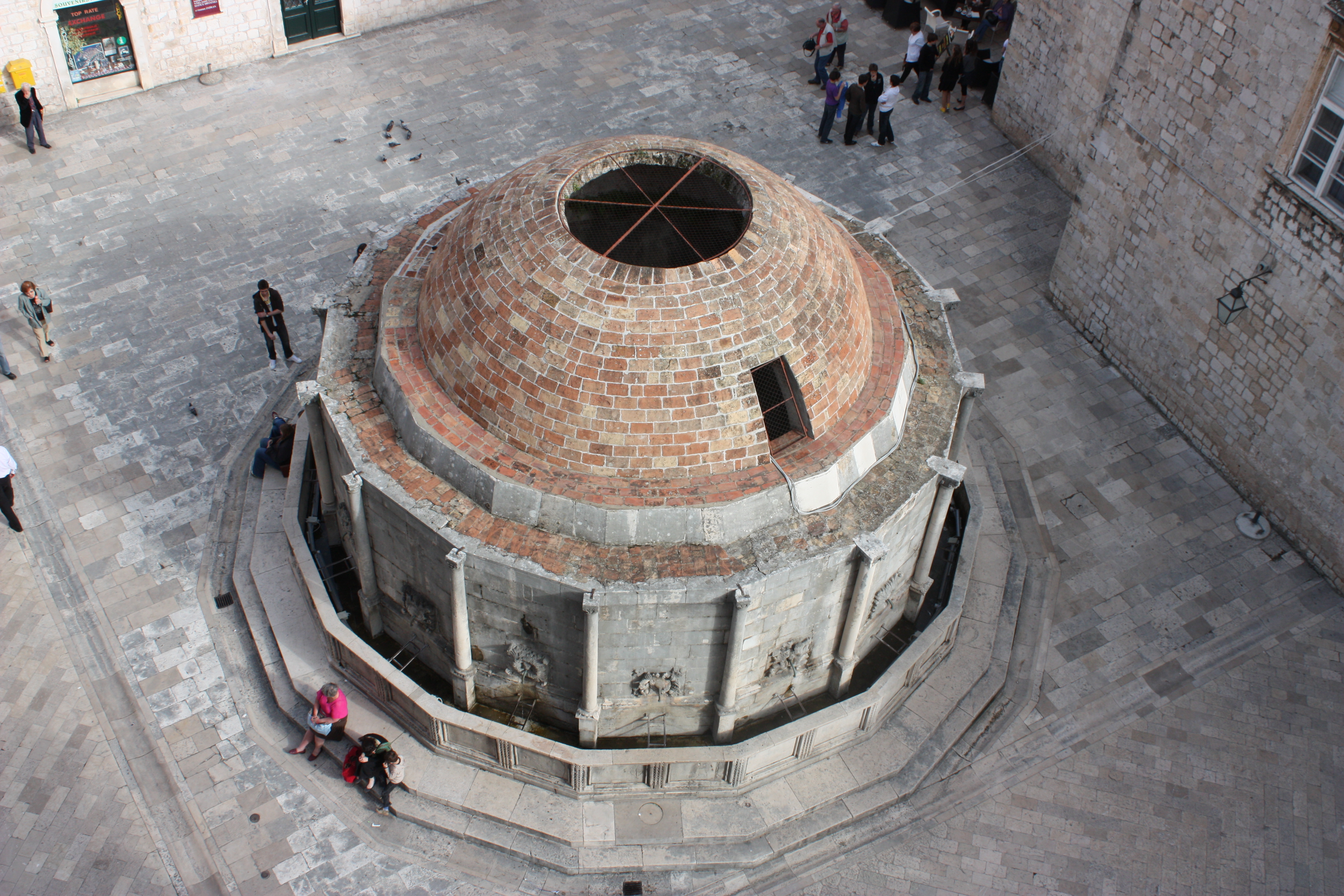
| Velika Onofrijeva česma | 0.1 km | Fountain | Larger stone fountain with ornate carvings. |
| Nikola Mihanović Fountain | 0.1 km | Fountain | Dedicated to the famed shipowner; features a bronze statue. |
| Upper Corner Tower Foundry Museum | 0.2 km | Museum (waterfall exhibit) | Small museum showcasing Dubrovnik’s maritime metalwork; includes a decorative waterfall. |
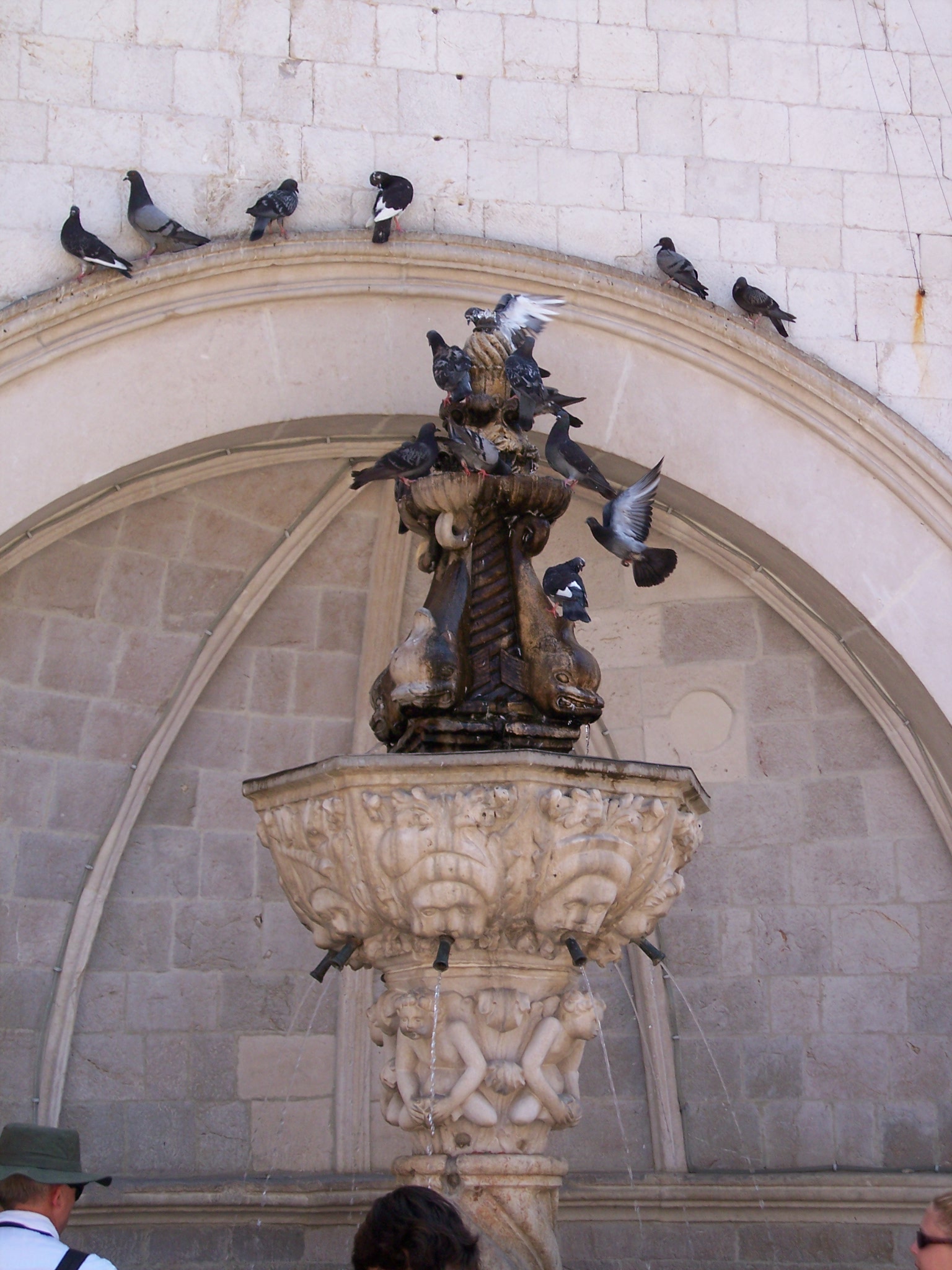
| Mala Onofrijeva česma | 0.4 km | Fountain | A charming, intimate fountain often used for local ceremonies. |
| Park prirode Lastovsko Otočje | 1.3 km | Nature park & waterfall | A short bus ride away; perfect for a nature walk and picnic. |
All links lead to the respective Wikipedia pages or official tourism sites for more details.
7. Travel Tips
| Tip | Why It Matters |
|---|---|
| Wear comfortable shoes | The cobblestone streets can be uneven, especially after rain. |
| Carry a refillable water bottle | While the fountain is decorative, you’ll likely need water for your own hydration. |
| Check bus schedules | Seasonal timetables change; a quick glance at the Dubrovnik public transport website prevents missed connections. |
| Respect local customs | When locals gather, keep noise low and avoid stepping on the fountain’s basin. |
| Visit early in the day | Morning light is ideal for photos, and you’ll avoid the midday tourist rush. |
| Bring a small umbrella | Spring showers are common; a compact umbrella won’t weigh you down. |
| Try a nearby café | The square hosts several family‑run cafés where you can sample kava (Croatian coffee) and pasticada (local stew). |
| Use a translation app | While most locals speak some English, a few Croatian phrases (e.g., “Dobar dan” – good day) go a long way. |
Final Thought
Amerlingova fontana may be modest in size, but its presence encapsulates the soul of Dubrovacko‑Neretvanska: a blend of history, community, and quiet beauty. Whether you’re a seasoned traveler seeking hidden gems or a first‑time visitor to Dubrovnik, Croatia, this fountain offers a memorable pause amid the region’s iconic sights. So, map it into your itinerary, sip a coffee nearby, and let the gentle splash of water remind you that sometimes the most rewarding discoveries are the ones you stumble upon.
Happy travels!