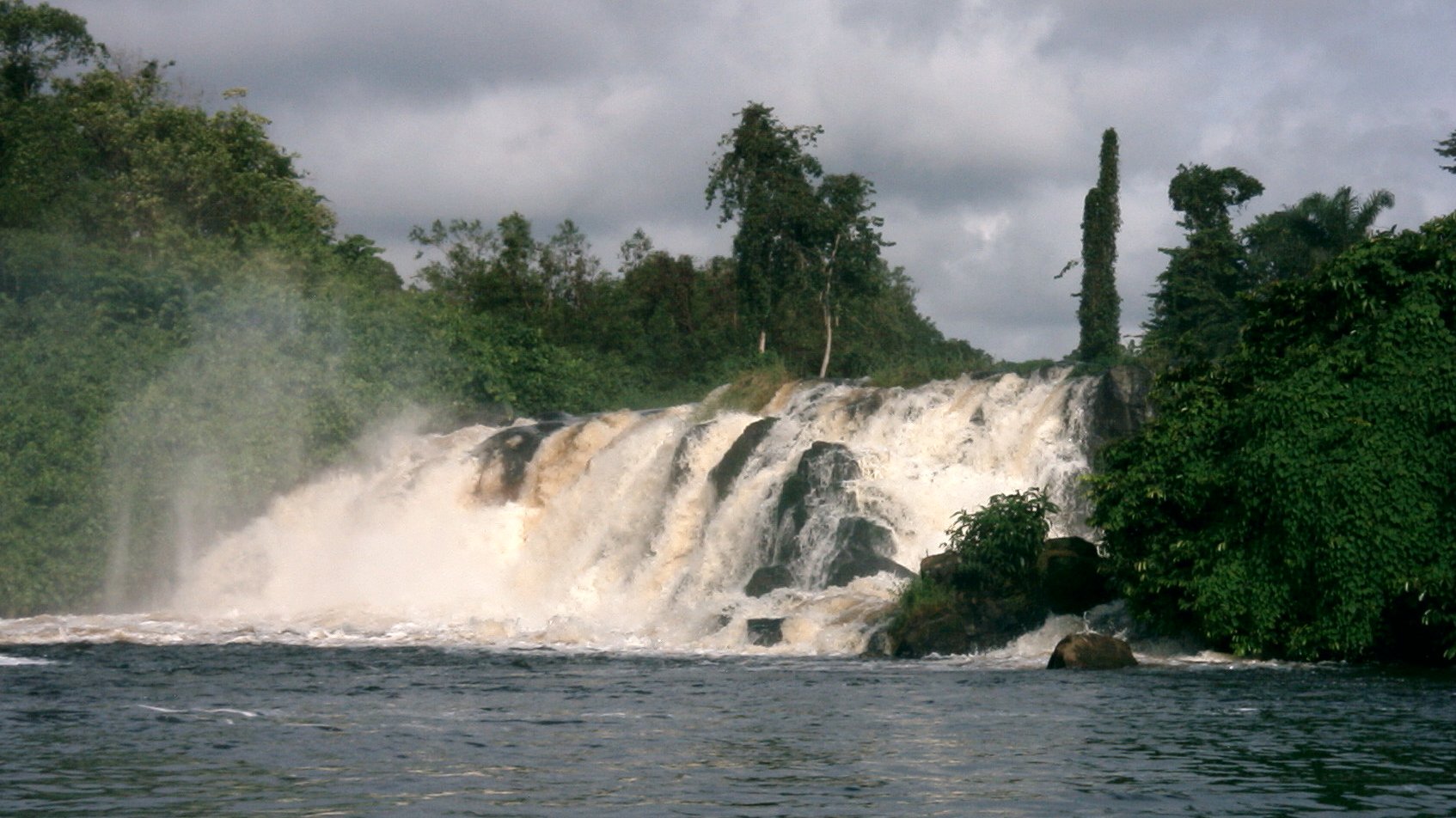
Chutes de la Lobé – The Hidden Waterfall Gem of Kribi, South Province, Cameroon
Discover the mist‑kissed wonder that drops where the Lobé River meets the Atlantic, and learn how to make the most of this off‑the‑beaten‑path waterfall adventure.
Introduction
Imagine a waterfall that pours directly into the turquoise waters of the Atlantic Ocean, its white curtain shimmering against a backdrop of palm‑fringed beaches and lush rainforest. That’s Chutes de la Lobé, a spectacular yet relatively undiscovered waterfall perched on the edge of Kribi in Cameroon’s South Province. For travelers craving a blend of tropical jungle, dramatic water scenery, and the soothing sound of surf, this hidden gem offers a perfect slice of natural paradise.
Whether you’re a seasoned waterfall chaser, a nature photographer, or simply looking for a serene spot to unwind, Chutes de la Lobé promises an unforgettable experience that’s still under the radar of mainstream tourism.
About Chutes de la Lobé
A Brief Description
- Location: Kribi, South Province, Cameroon
- Coordinates: 2.882857 N, 9.897299 E
- Type: River waterfall that empties directly into the Atlantic Ocean
The Lobé River winds through dense tropical forest before making a dramatic plunge at the coast, creating a curtain of water that cascades into the sea. While the exact height of the falls remains undocumented, the visual impact is unmistakable—an elegant sheet of water that merges the fresh river with salty ocean tides.
Historical & Cultural Significance
Chutes de la Lobé has long been a natural landmark for the local communities living along the Lobé River. The waterfall and surrounding river are integral to local livelihoods, providing fresh water for fishing, agriculture, and daily use. In recent years, the site has begun attracting eco‑tourists and adventure seekers, helping to highlight the region’s rich biodiversity and cultural heritage.
The waterfall also serves as a symbolic gateway where inland ecosystems meet the marine world, underscoring Cameroon’s reputation as a “crossroads of Africa” where diverse habitats converge.
How to Get There
From the Nearest International Airport
- Fly into Douala International Airport (DLA). Most international flights to Cameroon land here.
- Take a domestic flight or ground transport to Kribi.
- Option A – Domestic Flight: Camair‑Co operates a short flight from Douala to Kribi (approximately 45 minutes).
- Option B – Road Trip: Hire a reputable car service or join a shuttle. The drive from Douala to Kribi is about 250 km (≈ 4–5 hours) along the coastal N1 highway, offering scenic ocean views.
From Kribi Town
- Taxi or Motorbike (Moto‑taxi): The waterfall is only a few minutes from the town centre. A short 5‑minute ride will drop you at the base of the falls.
- Walking: If you enjoy a leisurely stroll, the path from Kribi’s beachfront promenade to the falls is well‑marked and takes roughly 15–20 minutes.
Practical Tips
- GPS: Input the coordinates 2.882857, 9.897299 into your navigation app for precise location.
- Road Conditions: The coastal road is generally paved, but occasional potholes appear during the rainy season—drive cautiously.
- Local Guides: Hiring a local guide at the Kribi market can enrich your visit with stories about the river’s ecology and ensure you don’t miss the best photo spots.
Best Time to Visit
Cameroon’s climate in the South Province is tropical, with two main seasons:
| Season | Months | What to Expect |
|---|---|---|
| Dry Season | November – April | Clear skies, lower humidity, and optimal water flow for viewing the falls. Ideal for photography and swimming. |
| Rainy Season | May – October | Heavier rainfall can swell the river, creating a more powerful cascade but may also make trails muddy. Some visitors prefer the dramatic, high‑volume falls during this period. |
Top Recommendation: Aim for the dry season (December–March) for comfortable trekking, bright lighting for photos, and pleasant beach weather after your waterfall adventure.
What to Expect
The Sensory Experience
- Sight: A graceful veil of water plunges from the river’s edge directly into the ocean, framed by verdant foliage and distant palm trees.
- Sound: The roar of the waterfall mingles with the rhythmic crash of surf—an immersive natural soundtrack.
- Touch: The mist creates a refreshing spray; if you’re brave, you can wade into the shallow pool at the base, where river water meets sea water.
- Smell: The air is scented with salty sea breezes and the earthy aroma of tropical rainforests.
Activities
- Photography: Golden hour (early morning or late afternoon) casts a soft glow on the falls, perfect for long‑exposure shots that capture the silky water motion.
- Swimming & Wading: The pool at the foot of the falls is shallow enough for a quick dip, though be mindful of currents where the river meets the ocean.
- Nature Walks: Follow short trails along the riverbank to spot local bird species, butterflies, and perhaps even a glimpse of river otters.
Facilities
Chutes de la Lobé remains largely undeveloped, preserving its natural charm. Expect basic amenities: a few wooden benches, modest signage, and occasional vendor stalls selling fresh coconut water or local snacks. Bring your own water, sun protection, and a reusable bag for any trash you generate.
Nearby Attractions
While the waterfall steals the spotlight, the surrounding area offers several complementary sites that can round out a day or a multi‑day itinerary:
| Attraction | Distance from Chutes de la Lobé | Description |
|---|---|---|
| Chutes de la LOBE (waterfall) | 0.0 km | The same waterfall—often listed under slightly different spellings. |
| Chutes de la Lobé (waterfall) | 0.1 km | Another reference point for the same site; perfect for multiple photo angles. |
| Unnamed Waterfall | 6.2 km | A smaller cascade nestled deeper in the forest—great for hikers seeking a quieter spot. |
| Local Spring | 29.2 km | A natural spring offering fresh drinking water and a tranquil picnic setting. |
| Lobé River (waterfall) | 29.2 km | The broader river system that feeds the main falls; ideal for river‑bank exploration. |
Tip: Use a local map or ask a guide for the exact locations and trail conditions of these nearby spots. Many are reachable by a short motorbike ride or a leisurely walk.
Travel Tips
| Topic | Advice |
|---|---|
| Currency | Cameroon’s official currency is the Central African CFA franc (XAF). Carry cash for small purchases; ATMs are available in Douala and Kribi. |
| Language | French is the official language; many locals also speak English and local Bantu dialects. A few basic French phrases go a long way. |
| Safety | Kribi is generally safe for tourists, but keep an eye on personal belongings, especially at the beach and market areas. |
| Health | Bring insect repellent (mosquitoes are common). Drink bottled or filtered water; avoid drinking directly from the river unless boiled. |
| Clothing | Light, breathable clothing, sturdy walking shoes, and a quick‑dry towel. Pack a waterproof jacket if traveling during the rainy season. |
| Photography Gear | A waterproof case or rain cover for your camera, a wide‑angle lens for landscape shots, and a small tripod for long‑exposure waterfall photos. |
| Respect the Environment | Stick to marked trails, avoid littering, and refrain from removing rocks or plants. The area’s pristine condition depends on responsible tourism. |
| Local Cuisine | Try fresh seafood at Kribi’s beachfront restaurants—grilled fish, shrimp, and the famous “banga” (palm fruit soup). |
| Connectivity | Mobile coverage is decent in Kribi (MTN, Orange). Wi‑Fi is limited to hotels and cafés. |
Final Thoughts
Chutes de la Lobé may not yet have the fame of Africa’s iconic waterfalls, but its unique setting—where a river’s cascade meets the Atlantic—offers a magical experience that feels both intimate and grand. Pair the waterfall visit with Kribi’s golden beaches, explore nearby forest trails, and immerse yourself in the warm hospitality of South Province.
Pack your sense of adventure, respect the natural beauty, and let the mist of Chutes de la Lobé refresh both body and spirit.
Ready to chase the waterfall? Start planning your trip to Kribi today and discover why Cameroon’s hidden treasures are worth the journey.


