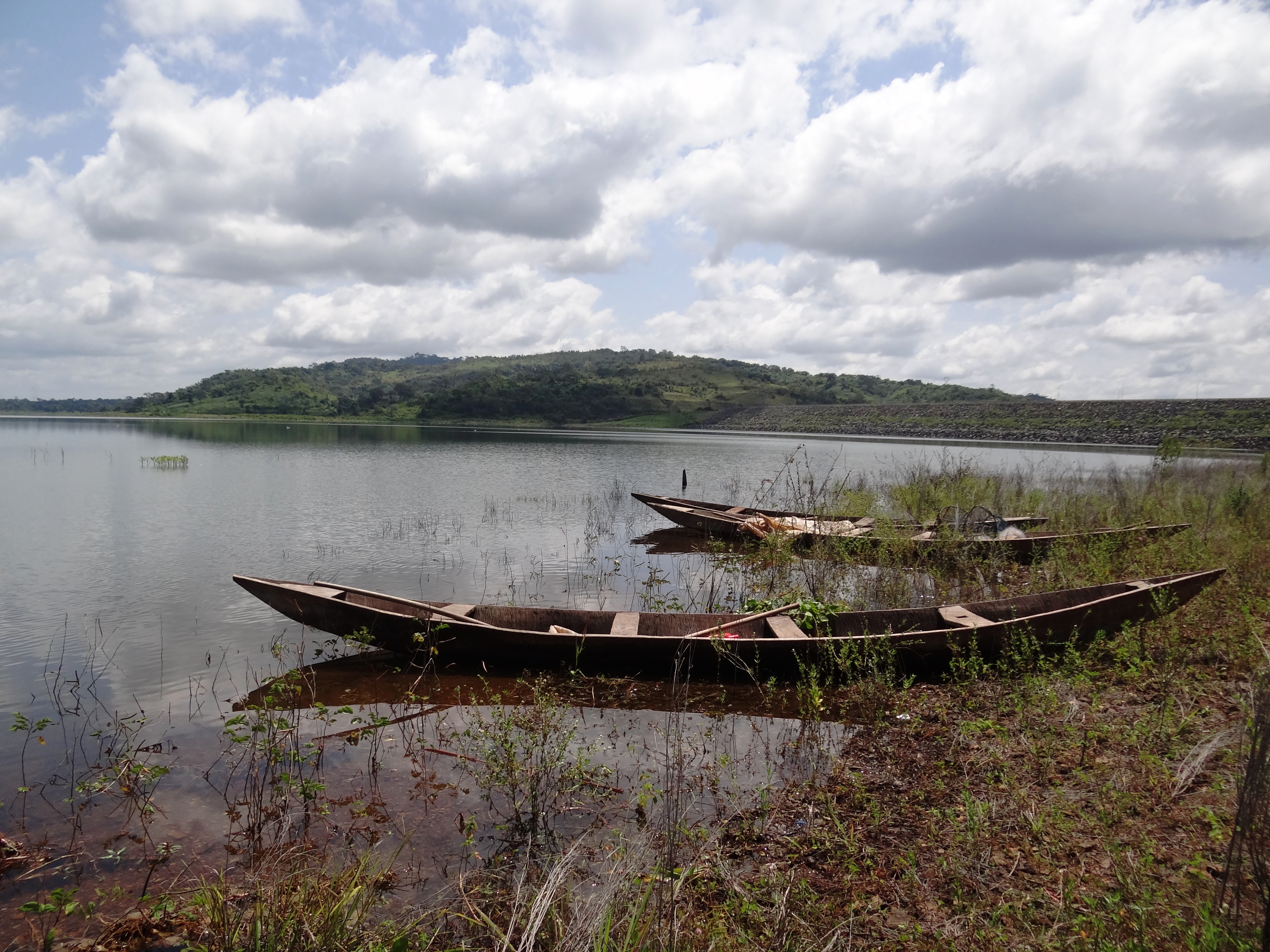
Discover the Majestic Barrage de Kossou – A Hidden Gem in Côte d’Ivoire’s Marahoué Region
Keywords: Barrage de Kossou, Kossou Dam, travel Côte d’Ivoire, Marahoué attractions, dam tourism, Lake Kossou, Bouaflé travel guide
1. Introduction
Imagine standing on the edge of a crystal‑blue lake that stretches as far as the eye can see, the gentle roar of water turbines humming in the background, and a backdrop of rolling savannah punctuated by distant hills. Welcome to Barrage de Kossou, the impressive dam that not only powers a significant portion of Côte d’Ivoire’s electricity grid but also offers an unforgettable escape for adventure‑seeking travelers. Whether you’re a nature lover, a photography enthusiast, or simply looking for an off‑the‑beaten‑path experience, Kossou Dam delivers a blend of engineering marvel and serene landscape that’s hard to find elsewhere in West Africa.
2. About Barrage de Kossou
A Brief History
Located near the town of Bouaflé in the Marahoué region, the Barrage de Kossou (often called Kossou Dam) was constructed in the early 1970s as part of Côte d’Ivoire’s ambitious push for hydro‑electric development. The project was spearheaded by the Ivorian government with technical assistance from French engineers, and the dam officially began operations in 1972.
The structure harnesses the flow of the Bandama River, creating the massive Lake Kossou—the country’s largest artificial lake. While the exact height of the dam remains undocumented publicly, its sheer scale is evident from the expansive reservoir that now covers roughly 1,600 square kilometres. The dam’s hydro‑electric plant contributes an estimated 174 MW of power, feeding electricity to homes, businesses, and industries across the nation.
Why It Matters
- Energy Backbone – Kossou Dam is a cornerstone of Côte d’Ivoire’s renewable energy portfolio, reducing reliance on fossil fuels.
- Ecological Haven – The lake and surrounding wetlands have become a thriving habitat for birds, fish, and even occasional crocodiles, making it a hotspot for wildlife observation.
- Cultural Significance – The creation of the reservoir led to the relocation of several villages, and today the area reflects a unique blend of traditional Ivorian life and modern development.
For a deeper dive into the dam’s technical details, the French‑language Wikipedia page offers a concise overview: Barrage de Kossou (fr).
3. How to Get There
From Abidjan (the Capital)
- By Road – The most common route is to take the A3 highway eastward from Abidjan toward Yamoussoukro, then follow the N1 north‑west to Bouaflé. The total distance is roughly 350 km, translating to a 5–6‑hour drive depending on traffic and road conditions.
- Car Rental – Renting a 4×4 is advisable, especially during the rainy season when some rural roads can become muddy. Major car‑rental agencies operate out of Abidjan’s international airport.
- Public Transport – Several “sotrama” (regional bus) services run daily between Abidjan and Bouaflé. Get off at the Bouaflé bus station and arrange a local taxi or motorbike (moto‑taxi) for the final 15‑km stretch to the dam.
From Yamoussoukro
If you’re already exploring the political capital, the drive to Kossou Dam is a scenic 120 km north‑west. The route follows well‑maintained paved roads and offers occasional views of the Bandama River’s meanders.
By Air
The nearest airstrip is Bouaflé Airport (BFLE), a modest regional facility handling light aircraft. From there, a short taxi ride (≈ 20 minutes) will drop you at the dam’s visitor entrance.
GPS Coordinates
- Latitude: 7.031147
- Longitude: -5.474319
Plug these into any navigation app for pinpoint accuracy.
4. Best Time to Visit
| Season | Weather | Visitor Experience |
|---|---|---|
| Dry Season (Nov – Apr) | Sunny, low humidity, occasional Harmattan winds | Ideal for boat trips, birdwatching, and clear sunrise/sunset photography. |
| Rainy Season (May – Oct) | Frequent showers, higher river levels | Perfect for witnessing the dam’s powerful water flow and lush green surroundings, but some roads may be slick. |
Recommendation: For first‑time visitors, the late November to early March window offers the most comfortable climate and the best visibility for landscape photography. If you’re a bird enthusiast, the rainy season brings migratory species to the lake’s wetlands.
5. What to Expect
The Landscape
Approaching the dam, you’ll be greeted by a broad concrete spillway that stretches across the river’s width. Beyond the engineering, the Lake Kossou unfurls like a giant mirror, reflecting the sky and surrounding savannah. Small fishing villages dot the shoreline, their colorful canoes adding a splash of life to the tranquil waters.
Activities
- Guided Boat Tours – Local operators provide short (30‑minute) and longer (2‑hour) excursions across the lake. Keep an eye out for African fish eagles, herons, and occasional hippos.
- Photography Spots – The dam’s control tower, the sunrise over the reservoir, and the sunset behind the distant hills are all Instagram‑worthy.
- Picnic & Relaxation – Designated grassy areas near the visitor center are perfect for a leisurely lunch with a view.
- Educational Visits – The dam’s administration sometimes arranges brief talks on hydro‑electric power and environmental stewardship (arrange in advance).
Facilities
- Visitor Center – Offers basic restrooms, a small souvenir shop (hand‑crafted wooden carvings), and informational panels in French and English.
- Parking – Free open‑air parking is available for cars and motorcycles.
- Safety – Swimming is discouraged near the spillway for obvious safety reasons, but designated shallow zones are marked for safe water play.
6. Nearby Attractions
While the Barrage de Kossou is the star attraction, the surrounding Marahoué region boasts several other points of interest that can easily be combined into a day‑trip itinerary:
| Attraction | Distance from Kossou Dam | Description |
|---|---|---|
| Dam #1 (Unnamed) | 4.6 km – Marahoué, CI | A smaller local dam offering a quiet spot for fishing and birdwatching. |
| Dam #2 (Unnamed) | 17.9 km – Lacs, CI | Known for its tranquil waters and scenic walking trails. |
| Dam #3 (Unnamed) | 20.2 km – Lacs, CI | Popular among locals for picnics; the surrounding area is dotted with mango trees. |
| Dam #4 (Unnamed) | 22.0 km – Lacs, CI | Offers a modest viewpoint overlooking the lake’s tributaries. |
| Dam #5 (Unnamed) | 22.5 km – Lacs, CI | A perfect stop for a quick coffee break at a roadside stall serving fresh cocoa. |
Tip: While specific names aren’t widely advertised, local guides in Bouaflé can point you to these hidden gems and arrange transportation.
7. Travel Tips
| Tip | Details |
|---|---|
| Language | French is the official language; a few basic phrases in French will go a long way. |
| Cash | ATMs are scarce outside Bouaflé; carry enough CFA francs for entrance fees, boat tours, and meals. |
| Health | Bring insect repellent (mosquitoes are active near water). If you’re traveling from a malaria‑free country, consult a doctor about prophylaxis. |
| Dress Code | Light, breathable clothing is ideal. Pack a hat, sunglasses, and a light rain jacket if visiting during the rainy season. |
| Respect Local Communities | Some villages around the lake are traditional farming communities. Ask permission before photographing people or private property. |
| Timing | Arrive early (around 8 am) to beat the midday heat and secure a spot for boat tours, which often fill up quickly. |
| Connectivity | Mobile coverage is decent in Bouaflé (Orange, MTN), but expect spotty signal near the dam. Download offline maps beforehand. |
| Safety | Stick to marked paths and follow guide instructions near the spillway. The water can be deceptively strong. |
| Eco‑Friendly Practices | Bring reusable water bottles and avoid single‑use plastics; the region is working toward sustainable tourism. |
Final Thoughts
Barrage de Kossou isn’t just a piece of infrastructure—it’s a living, breathing landscape where engineering meets nature. From the gentle lapping of Lake Kossou’s waters to the distant hum of turbines, every moment here feels both grand and intimate. Whether you’re charting a solo adventure, traveling with family, or adding a unique stop to a Côte d’Ivoire road‑trip, the dam offers a compelling blend of visual spectacle, cultural insight, and peaceful retreat.
Pack your camera, hit the road, and let the Barrage de Kossou become a highlight of your West African journey. Safe travels! 🌍✈️