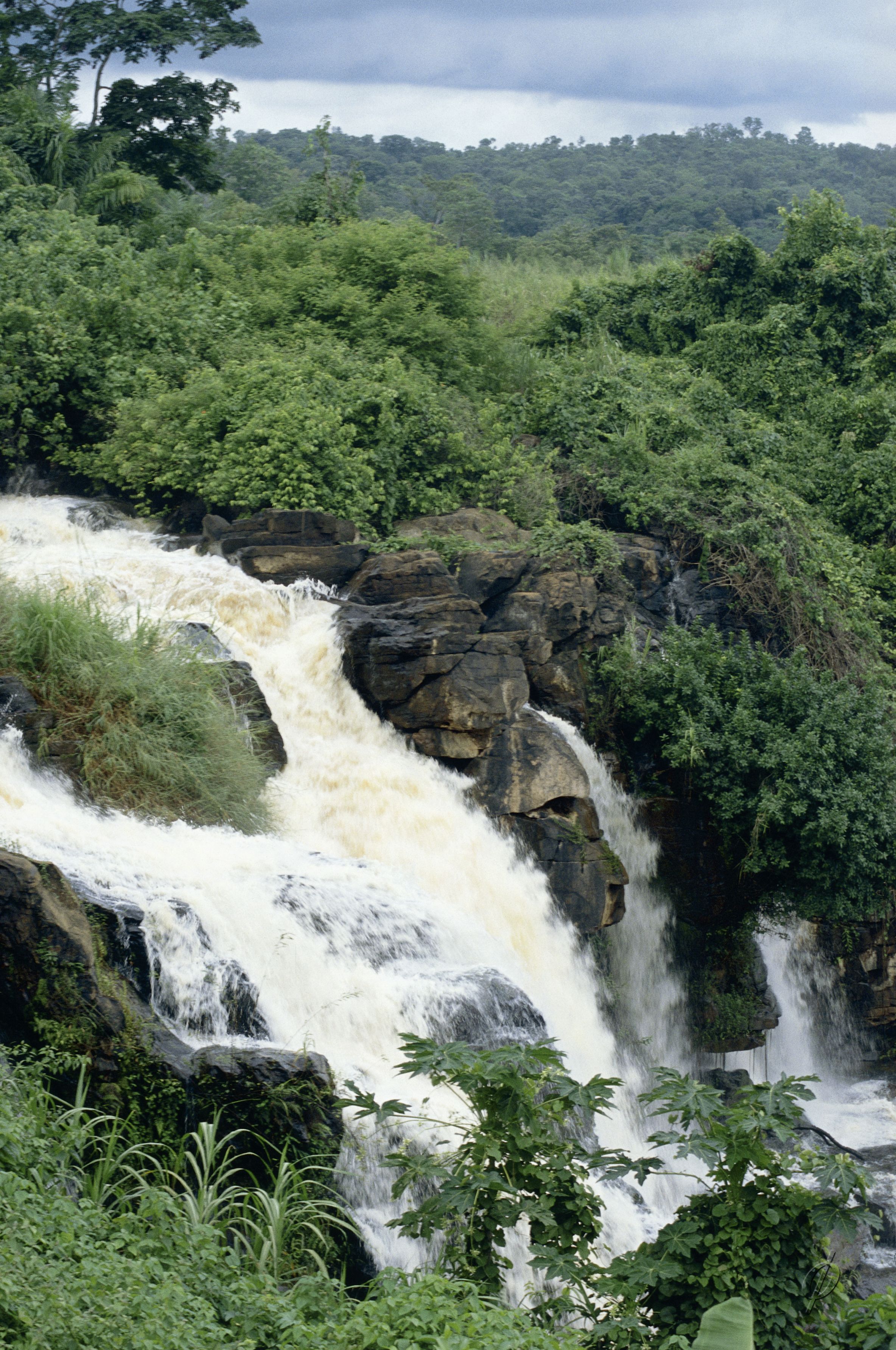
Boali Falls – The Hidden Waterfall Gem of Ombella‑Mpoko, Central African Republic
Discover the mist‑kissed wonder that’s fast becoming the must‑see natural attraction in the heart of the Central African Republic.
Introduction
Imagine standing at the edge of a roaring cascade, the spray cooling your skin while the surrounding forest hums with the chorus of tropical birds. That’s the feeling you get at Boali Falls, a spectacular waterfall tucked away in the lush region of Ombella‑Mpoko. Though still off the beaten tourist trail, Boali Falls is gaining a reputation among adventurous travelers seeking authentic, unspoiled nature experiences in the Central African Republic (CAR). In this guide, we’ll take you through everything you need to know to make the most of your visit—from how to get there, to the best time to witness the falls in full force, and the nearby attractions that can round out a perfect day trip.
About Boali Falls
What Makes Boali Falls Special?
Boali Falls is a waterfall 🌊 located near the town of Boali, in the Ombella‑Mpoko prefecture of the Central African Republic. Its exact height remains undocumented, adding an element of mystery that fuels the imagination of travelers and locals alike. What is certain, however, is the sheer power of the water as it plunges over the rocky cliffs, creating a thundering soundtrack that resonates through the surrounding rainforest.
The falls sit at the coordinates 4.874664, 18.048025, a spot that can be pinpointed on most GPS devices and mapping apps. While the altitude and exact dimensions are not publicly listed, the waterfall’s presence has been noted in the Wikipedia entry for Boali, confirming its status as a notable geographic feature of the region.
A Brief Historical Snapshot
Boali Falls has long been part of the local cultural landscape. The nearby town of Boali, founded during the colonial era, grew around the river that feeds the waterfall. Historically, the river’s flow was harnessed for hydroelectric power, leading to the construction of dams in the vicinity—an early testament to the community’s relationship with the water. While the falls themselves have not been commercialized, they remain a source of pride for residents, who often gather there for communal celebrations and traditional rituals.
Why It Matters
- Ecological significance – The waterfall supports a micro‑habitat for a variety of aquatic and terrestrial species, many of which are endemic to the Central African rainforests.
- Cultural value – Local folklore often references the mist and echo of Boali Falls as a place of spiritual renewal.
- Tourism potential – As the Central African Republic opens up more to eco‑tourism, Boali Falls stands out as a pristine destination that can attract nature lovers, photographers, and adventure seekers.
How to Get There
From Bangui (Capital)
- Fly or drive to Bangui – Most international travelers arrive via Bangui M'Poko International Airport (BGF).
- Hire a 4×4 vehicle – The road to Boali is primarily unpaved and can become slippery during the rainy season, so a sturdy vehicle with high clearance is essential.
- Travel north‑west – Follow the RN1 highway out of Bangui for roughly 45 km. After passing the town of Boali, turn onto the local road that leads directly to the waterfall site. The total drive from Bangui to Boali Falls typically takes 1.5–2 hours, depending on road conditions.
Public Transport Options
- Bush taxis (taxi‑brousse) run regularly between Bangui and Boali. They depart from the main bus station in Bangui and stop at the town of Boali. From there, you’ll need to arrange a short motorbike or bicycle ride (approximately 5 minutes) to the falls.
- Local guides are available in Boali and can be hired for a day. They’ll not only navigate the final stretch but also share insights about the surrounding flora, fauna, and cultural stories.
What to Pack
- Sturdy walking shoes – The path to the viewing platform can be uneven and slippery.
- Waterproof jacket – Even on sunny days, the mist from the falls can leave you drenched.
- Sun protection – Sunscreen, hat, and sunglasses are essential, especially during the dry season.
- Reusable water bottle – Stay hydrated while respecting the environment.
Best Time to Visit
Dry Season (December – April)
- Pros: Roads are generally more passable, and the surrounding landscape is easier to navigate.
- Cons: Water flow may be lower, resulting in a less dramatic cascade.
Rainy Season (May – November)
- Pros: The waterfall reaches its peak volume, creating a thunderous display of water and mist—perfect for photography and the full sensory experience.
- Cons: Roads can become muddy, and occasional heavy downpours may make the final approach slippery.
Recommendation: For most travelers, the late rainy season (October‑November) offers the ideal blend of robust water flow and improving road conditions. Early morning visits are advisable to avoid the midday heat and capture the soft, golden light that filters through the canopy.
What to Expect
The Sensory Experience
- Sight: A towering curtain of water plunges into a crystal‑clear pool, framed by dense, emerald foliage. Sunlight often creates a rainbow in the spray, offering picture‑perfect moments.
- Sound: The roar of the falls is both exhilarating and soothing, providing a natural soundtrack that drowns out city noise.
- Touch: The fine mist that surrounds the viewing area cools the skin—bring a dry change of clothes if you plan to explore further downstream.
Visitor Facilities
Boali Falls remains largely undeveloped, preserving its wild charm. There are no formal visitor centers, but a modest picnic area equipped with benches and a few wooden tables can be found near the main viewing platform. Local vendors sometimes sell fresh fruit, roasted plantains, and bottled water.
Safety
- Trail conditions: The path can be slippery near the water’s edge; watch your footing.
- Swimming: The pool at the base of the falls is generally safe for a quick dip, but currents can be strong during peak flow. Use caution and heed any local warnings.
Nearby Attractions
While Boali Falls is the star attraction, the surrounding area offers several natural sites that can enrich your itinerary:
| Attraction | Distance from Boali Falls | Type | Quick Link |
|---|---|---|---|
| Boali Dam (0.2 km) | 0.2 km | Dam | Explore Boali Dam |
| Local Rapids (0.8 km) | 0.8 km | Rapids | Visit the Rapids |
| Secondary Rapids (0.8 km) | 0.8 km | Rapids | Visit the Rapids |
| Tertiary Rapids (0.9 km) | 0.9 km | Rapids | Visit the Rapids |
| Upper Boali Dam (3.0 km) | 3.0 km | Dam | Explore Upper Dam |
Note: The nearby dams are part of the region’s hydro‑electric infrastructure and provide fascinating viewpoints of the river’s engineering feats. The rapids offer excellent spots for short hikes, bird‑watching, and, for the more adventurous, gentle kayaking (when conditions permit).
Travel Tips
- Hire a local guide – They know the safest routes, can translate local customs, and often point out hidden wildlife that you might otherwise miss.
- Carry cash – ATMs are scarce outside Bangui; most vendors accept only cash (CFA franc).
- Respect the environment – Pack out all trash, stay on designated paths, and avoid disturbing wildlife.
- Stay informed about security – While Boali is generally safe for tourists, it’s wise to check the latest travel advisories from your government and stay in contact with local authorities.
- Timing is everything – Arrive early (around sunrise) to beat any crowds, capture the best light for photos, and enjoy a cooler, more tranquil atmosphere.
- Health precautions – Bring insect repellent (mosquitoes are active year‑round) and consider anti‑malaria medication as recommended by your healthcare provider.
Wrap‑Up
Boali Falls may not yet have the name recognition of Africa’s famous waterfalls, but that’s precisely why it offers a raw, authentic experience for the intrepid traveler. From the thunderous cascade set against a backdrop of verdant forest, to the nearby dams and rapids that showcase the region’s natural and engineered beauty, a visit to Boali Falls is a rewarding adventure that captures the spirit of the Central African Republic’s hidden wilderness.
Whether you’re a seasoned backpacker, a nature photographer, or simply someone yearning to step off the typical tourist map, Boali Falls invites you to feel the mist on your face, hear the roar of the water, and create memories that will linger long after you leave the rainforest trail. Pack your gear, chart your route, and let the journey to Boali Falls become one of the highlights of your African travel story.
Happy travels, and may the mist of Boali Falls inspire your next great adventure!