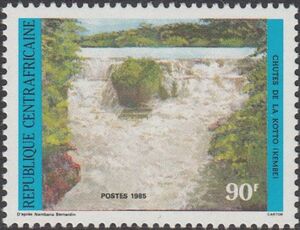
Kembé Falls – The Hidden Waterfall Gem of Basse‑Kotto, Central African Republic
Discover the raw beauty, local culture, and adventure that await at Kembé Falls, one of the Central African Republic’s most secluded natural wonders.
Introduction
Imagine stepping off a dusty road into a curtain of crystal‑clear water that tumbles down rugged limestone cliffs, the air filled with the roar of the cascade and the scent of tropical forest. That’s the first‑hand experience waiting for you at Kembé Falls, a secluded waterfall tucked away in the heart of Basse‑Kotto in the Central African Republic (CAR).
While the CAR is often overlooked by mainstream travel guides, the country’s untamed landscapes offer a sense of discovery that’s hard to find elsewhere. Kembé Falls is the perfect illustration: a pristine, off‑the‑beaten‑path destination that promises both serenity and adventure for the intrepid traveler.
In this guide, we’ll walk you through everything you need to know—history, logistics, the best time to visit, what to expect on the ground, nearby attractions, and essential travel tips—so you can plan a smooth, unforgettable trip to this hidden waterfall oasis.
About Kembé Falls
A Natural Landmark
Kembé Falls is a waterfall (🌊) located near the village of Kembé in the Basse‑Kotto prefecture of the Central African Republic. Its exact height and altitude remain undocumented, adding an air of mystery that fuels local folklore. The falls sit at the coordinates 4.635615 N, 21.918077 E, nestled within a dense, tropical riverine forest that feeds the cascade.
Historical and Cultural Significance
Although detailed historical records are scarce, Kembé Falls has long been a gathering spot for the surrounding communities. Villagers traditionally consider the waterfall a source of fresh water, a place for ritual cleansing, and a natural landmark that defines the local geography. The sound of the water has also served as a natural navigation aid for hunters and travelers moving through the dense forest corridors of Basse‑Kotto.
In recent years, the falls have begun to attract eco‑tourists and adventure seekers, offering a rare glimpse into the untouched ecosystems of central Africa. The waterfall’s remote location means it has stayed largely pristine, making it an important site for biodiversity—home to a variety of amphibians, insects, and bird species that thrive in the moist micro‑climate surrounding the cascade.
How to Get There
Getting to the Central African Republic
The most common international gateway to the CAR is Bangui International Airport (BGF), which receives flights from regional hubs such as Addis Ababa, Nairobi, and Paris. From Bangui, the journey to Kembé Falls is an overland adventure.
Overland Route to Kembé Falls
- Travel to Basse‑Kotto – From Bangui, you’ll need to head east toward the Basse‑Kotto prefecture. The road network in this part of the country is largely unpaved, so a 4×4 vehicle is strongly recommended.
- Hire a Local Driver/Guide – Local drivers know the condition of the roads, the safest river crossings, and the best spots to stop for refreshments. Many also double as guides, offering insight into the local culture and wildlife.
- Navigate to the Village of Kembé – The final leg of the journey takes you to the small village of Kembé, which sits just a short walk from the waterfall itself. Signage is minimal, so a GPS device or offline map using the coordinates 4.635615, 21.918077 will be invaluable.
Practical Considerations
- Travel Time: Expect a 6–8 hour drive from Bangui, depending on road conditions and weather.
- Border Checks: If you’re crossing from a neighboring country (e.g., the Democratic Republic of Congo), be prepared for customs procedures at the nearest official checkpoint.
- Vehicle Preparation: Carry spare tires, a basic mechanic’s tool kit, and extra fuel, as fuel stations are sparse along the route.
Best Time to Visit
Kembé Falls experiences a tropical savanna climate, with two distinct seasons: a rainy season (April – October) and a dry season (November – March).
| Season | Weather | Water Flow | Visitor Experience |
|---|---|---|---|
| Rainy (Apr–Oct) | Warm, frequent showers, high humidity | Peak water volume – the cascade is at its most dramatic. | Ideal for photographers and waterfall enthusiasts, but trails can be muddy. |
| Dry (Nov–Mar) | Cooler evenings, less rain, clearer skies | Reduced flow – the falls become a series of smaller streams. | Better for hiking and wildlife spotting; comfortable trekking conditions. |
Recommendation: For the most spectacular waterfall display, plan your visit between May and September. If you prefer easier trail conditions and want to explore surrounding forest trails, the dry months of December to February are optimal.
What to Expect
The Journey to the Falls
The approach to Kembé Falls is an adventure in itself. As you leave the village of Kembé, a narrow path winds through dense, tropical vegetation. The air is filled with the calls of cicadas, the occasional hoot of a forest owl, and the distant murmur of water growing louder with each step.
The Waterfall Experience
Upon reaching a modest clearing, the forest parts to reveal the Kembé cascade plunging over a series of rocky ledges. While the exact height is undocumented, the visual impact is undeniable—water thunders down into a natural pool that reflects the surrounding greenery like a mirror.
- Swimming: The pool at the base is safe for a refreshing dip, especially during the dry season when currents are gentler.
- Photography: The combination of mist, sunlight filtering through the canopy, and the raw power of the water creates endless photo opportunities. Bring a waterproof camera housing or a protective lens cloth.
- Wildlife: Keep an eye out for colorful butterflies, tree frogs, and occasional forest monkeys that frequent the riverbanks.
Amenities
Because Kembé Falls is a remote natural site, there are no built‑in facilities such as restrooms, cafés, or souvenir shops. However, the nearby village offers a few modest eateries where you can enjoy local dishes like saka‑saka (cassava leaves) and fresh river fish.
Nearby Attractions
Exploring the area around Kembé Falls opens up a cluster of lesser‑known waterfalls and natural sites, each within a short drive. While specific names are not widely documented, the following points of interest lie within a 20‑km radius:
- Waterfall – 16.9 km away – A hidden cascade surrounded by thick forest. (Map link: Google Maps)
- Waterfall – 17.0 km away – Another pristine drop ideal for a quiet picnic. (Map link: Google Maps)
- Waterfall – 17.1 km away – A series of small falls perfect for short hikes. (Map link: Google Maps)
- Waterfall – 17.1 km away – Similar to the previous site, offering a tranquil setting. (Map link: Google Maps)
- Waterfall – 17.5 km away – The farthest of the cluster, known for a lush surrounding meadow. (Map link: Google Maps)
These neighboring waterfalls can be combined into a day‑trip waterfall circuit, giving you a fuller picture of Basse‑Kotto’s hidden hydro‑landscape.
Travel Tips
| Tip | Why It Matters |
|---|---|
| Hire a local guide | Guides provide safety, translation, and cultural insight, especially in remote areas where road conditions change quickly. |
| Travel with a 4×4 | Unpaved roads, river crossings, and occasional mud make a robust vehicle essential. |
| Carry cash (XAF) | ATMs are rare outside Bangui; small villages accept only cash for food, transport, and tips. |
| Pack lightweight rain gear | Even during the dry season, sudden showers are common in the forest. |
| Bring a reusable water bottle & purification tablets | Clean water sources are limited; staying hydrated is crucial in the tropical climate. |
| Use insect repellent | The forest environment hosts mosquitoes and tsetse flies; protection reduces bite risk. |
| Respect local customs | Ask permission before photographing people, and dress modestly when entering villages. |
| Leave no trace | Preserve the pristine nature of Kembé Falls by packing out all trash and avoiding litter. |
| Check travel advisories | The Central African Republic can have security considerations; consult your government’s latest guidance before departure. |
| Offline maps | Mobile signal can be spotty; download offline maps of the area using the coordinates 4.635615, 21.918077. |
Final Thoughts
Kembé Falls may not appear on mainstream travel itineraries, but that is precisely why it holds such allure. Its remote location, raw natural power, and surrounding cultural tapestry make it a must‑see destination for adventure travelers, nature photographers, and anyone seeking an authentic African wilderness experience.
By planning wisely—choosing the right season, securing reliable transport, and respecting the local environment—you’ll be rewarded with an unforgettable encounter with one of the Central African Republic’s best‑kept secrets.
Pack your sense of wonder, lace up those hiking boots, and let the roar of Kembé Falls guide you to a journey you’ll recount for years to come.
Keywords: Kembé Falls, waterfall in Central African Republic, Basse‑Kotto travel, Central African Republic attractions, how to get to Kembé Falls, best time to visit Kembé Falls, nearby waterfalls Basse‑Kotto, adventure travel Africa, eco‑tourism Central African Republic.