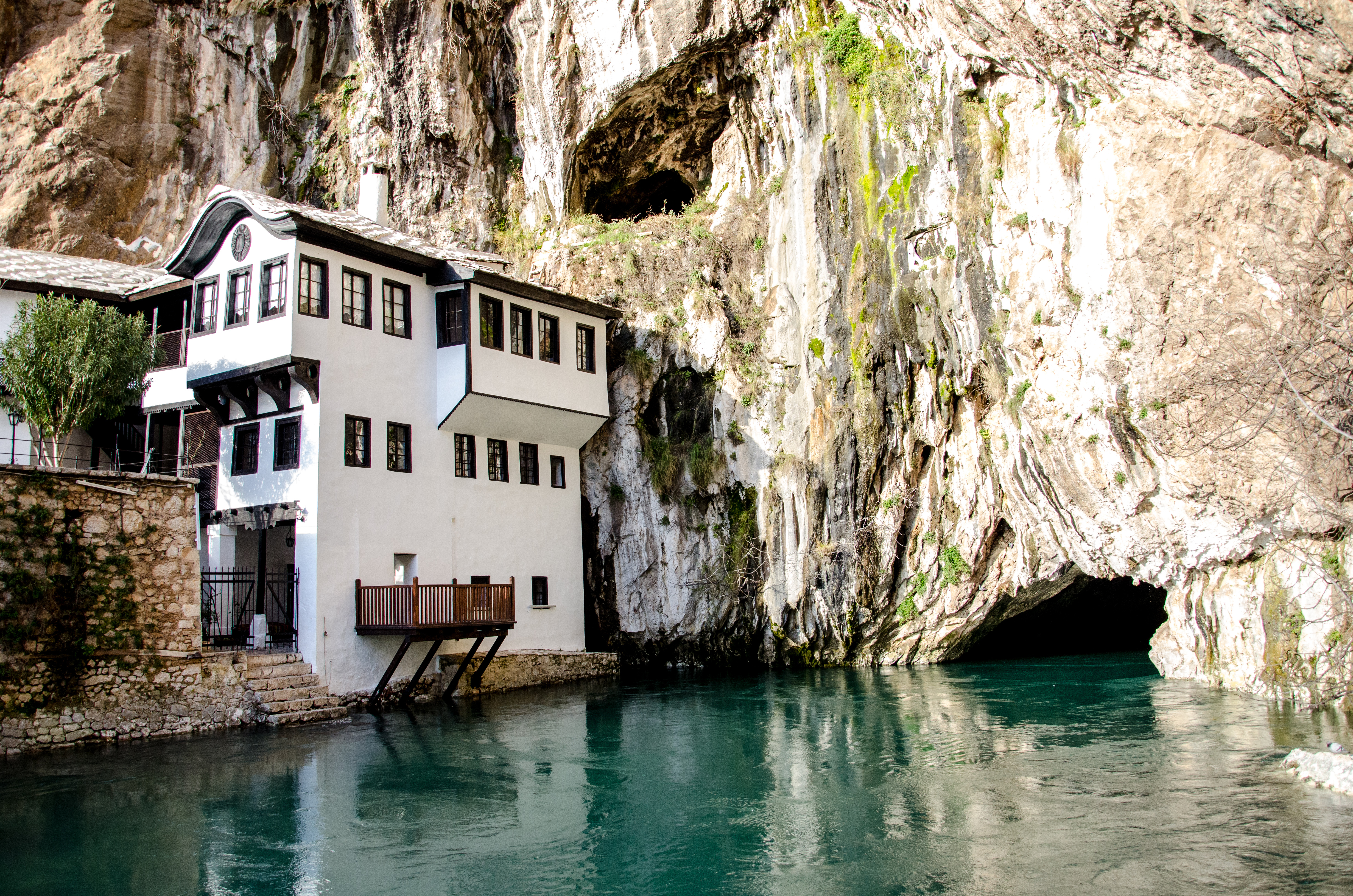
Vrelo Bune – The Enchanting Spring of Blagaj, Bosnia & Herzegovina
Discover the crystal‑clear source of the Buna River, a hidden gem tucked into the heart of the Dinaric Alps. Whether you’re a nature lover, a history buff, or simply chasing unforgettable photos, Vrelo Bune (the “Spring of the Buna”) promises a magical experience you won’t want to miss.
1. Introduction
Imagine standing at the edge of a turquoise pool that seems to glow from within, its waters bubbling up from a limestone cliff that drops dramatically into a verdant valley. The sound of the river’s gentle roar, the scent of moss and wildflowers, and the sight of an ancient Ottoman‑style tekke perched on a cliffside—all of this comes together at Vrelo Bune, the pristine spring that gives birth to the Buna River in the charming town of Blagaj.
Travelers to the Federation of Bosnia and Herzegovina often flock to Sarajevo or Mostar, but the real soul of the country lies in its untouched natural wonders. Vrelo Bune is not just a spring; it’s a living postcard, a place where geology, culture, and serenity intersect. In this guide, we’ll walk you through everything you need to know to make the most of your visit.
2. About Vrelo Bune
What Is Vrelo Bune?
- Type: Karst spring (source of the Buna River)
- Location: Blagaj, Federation of Bosnia and Herzegovina, Bosnia and Herzegovina
- Coordinates: 43.257333 N, 17.903771 E
Vrelo Bune emerges from a karstic limestone formation, a hallmark of the Dinaric Alps. The water is famously clear, with a striking turquoise hue that changes with the sunlight. The spring feeds the Buna River, which then winds its way through the Herzegovina region, eventually joining the Neretva River near Mostar.
A Brief History
The spring has been a focal point for human settlement for centuries. In the 16th century, the Ottoman governor Ahmed Pasha commissioned the construction of the Blagaj Tekke, a Dervish monastery, on the cliff overlooking the spring. The tekke’s white stone walls and wooden balcony create a dramatic silhouette against the flowing water—an image that has become iconic for Bosnia and Herzegovina tourism.
While the exact height and altitude of the spring remain undocumented, its geological importance is undeniable. Vrelo Bune is part of a larger karst system that supplies fresh water to the surrounding villages and supports a diverse ecosystem of fish, amphibians, and riparian flora.
Why It Matters
- Ecological significance: The spring sustains a unique habitat and contributes to the water quality of the Buna River basin.
- Cultural heritage: The proximity of the Blagaj Tekke adds spiritual and historical depth to the natural landscape.
- Photographic allure: The contrast of turquoise water against rugged limestone and the historic tekke makes it a photographer’s dream.
3. How to Get There
By Air
The nearest international gateway is Sarajevo International Airport (SJJ), roughly 140 km (≈2 hours by car) north of Blagaj. For those flying into Dubrovnik Airport (DBV) in Croatia, the drive is about 120 km (≈2 hours) across the border.
By Bus
- Sarajevo → Mostar → Blagaj: Regular intercity buses run from Sarajevo to Mostar (≈2 hours). From Mostar, catch a local minibus or a taxi to Blagaj (≈20 minutes).
- Mostar → Blagaj: Several daily minibusses depart from the Mostar bus station directly to Blagaj. Check the schedule at the station or ask your accommodation for the latest times.
By Car
Renting a car offers the most flexibility. From Sarajevo, take the E73/M17 highway south toward Mostar, then follow the signs for Blagaj. The route is scenic, winding through rolling hills and olive groves. Parking is available near the town center; a short, well‑marked walk leads to the spring.
By Train
Bosnia’s rail network does not currently serve Blagaj directly. The nearest train station is in Mostar, after which you’ll need to continue by bus or taxi.
Practical Tips
- Currency: Convertible Mark (BAM). Credit cards are accepted in most hotels and restaurants, but carry cash for small vendors.
- Language: Bosnian, Croatian, and Serbian are official languages; English is widely spoken in tourism hubs.
- Time zone: Central European Time (CET, UTC+1) – summer daylight saving (CEST, UTC+2).
4. Best Time to Visit
| Season | Weather | Visitor Experience |
|---|---|---|
| Spring (April‑June) | Mild temperatures (15‑22 °C), blooming wildflowers | Ideal for photography; water flow is moderate, making the spring’s turquoise color pop. |
| Summer (July‑August) | Warm to hot (25‑30 °C), occasional thunderstorms | Peak tourist season; longer daylight hours, but the river can be more vigorous. |
| Autumn (September‑October) | Pleasant (18‑24 °C), foliage turning gold | Fewer crowds, comfortable walking conditions, and crisp air. |
| Winter (November‑March) | Cool to cold (5‑12 °C), occasional snow on surrounding hills | The spring is still flowing, offering a tranquil, mist‑laden atmosphere; perfect for contemplative visits. |
Top Recommendation: Late spring (mid‑May to early June) offers the perfect balance of pleasant weather, vibrant nature, and manageable crowds.
5. What to Expect
The Visual Spectacle
Approaching Vrelo Bune, you’ll first notice the steep limestone cliff that frames the spring. Water bursts from a series of small fissures, forming a natural pool that glitters like liquid jade. The Buna River then cascades down a rocky channel, creating a gentle roar that can be heard from the town of Blagaj below.
Sensory Experience
- Sound: The constant murmur of water, punctuated by occasional splashes as the river meets rocks.
- Smell: Fresh, mineral‑rich water mixed with the earthy scent of moss, pine, and wild herbs.
- Touch: Smooth, cool stones along the riverbank invite you to sit, dip your feet, or simply rest while watching the flow.
Activities
- Photography: Capture the iconic view of the Blagaj Tekke perched above the spring, especially at sunrise or sunset.
- Walking Trails: A short, well‑maintained path circles the spring, offering multiple viewpoints.
- Picnicking: Bring a light snack and enjoy it on the grassy banks—just remember to pack out all waste.
- Cultural Exploration: After admiring the spring, cross the stone bridge to visit the Blagaj Tekke, where you can learn about the Bektashi order and its Ottoman heritage.
Note: Swimming is not permitted in the spring to protect its delicate ecosystem, but the surrounding river is safe for a brief dip in designated areas downstream.
6. Nearby Attractions
While Vrelo Bune is the star, the surrounding area offers several points of interest that can easily be combined into a day‑trip itinerary.
| Attraction | Distance from Vrelo Bune | Description |
|---|---|---|
| Blagaj Dam | 0.0 km (right at the spring) | A small hydro‑dam that regulates the flow of the Buna River. Great for observing water management in a natural setting. |
| Buna Weir | 0.1 km | An historic weir that helps divert water for local irrigation. Offers a close‑up look at traditional water‑control structures. |
| Additional Weirs (two more) | 0.1‑0.2 km | Small stone weirs that illustrate the region’s centuries‑old relationship with the river. Perfect for a short walk and photo stop. |
| Blagaj Tekke (Dervish Monastery) | 0.2 km | The iconic white‑washed monastery perched on the cliff above the spring. Guided tours are available, revealing the spiritual legacy of the Bektashi order. |
| Old Town of Mostar | 20 km (≈30 min drive) | Famous for its Ottoman bridge, cobblestone streets, and vibrant bazaars. Ideal for an afternoon extension after visiting Vrelo Bune. |
All attractions are within walking distance of the spring, making Vrelo Bune a perfect base for a relaxed, nature‑focused day.
7. Travel Tips
| Tip | Details |
|---|---|
| Dress Comfortably | Wear sturdy walking shoes with good grip; the terrain can be slippery near the water. |
| Bring a Light Jacket | Even in summer, evenings by the river can be cool, especially on higher ground. |
| Respect the Environment | No littering, no swimming in the spring, and stay on marked paths to protect the fragile karst ecosystem. |
| Photography Gear | A wide‑angle lens captures the full cliff‑to‑river view; a polarizing filter helps enhance the water’s turquoise hue. |
| Timing | Arrive early (7‑8 am) to avoid the midday crowd and capture the soft morning light. |
| Cash for Small Purchases | Local vendors sell fresh fruit, coffee, and handmade souvenirs; cash makes transactions smoother. |
| Guided Tours | Many local operators in Blagaj offer short walking tours that include the tekke and the spring, often with a bilingual guide. |
| Safety | The river’s flow can be swift near the weirs; keep children supervised and avoid climbing on wet rocks. |
| Connectivity | Mobile coverage is generally good in Blagaj, but the immediate spring area may have spotty signal—perfect for unplugging! |
| Nearby Dining | Try the “Burek” or “Ćevapi” at a family‑run kafana in Blagaj for an authentic Bosnian meal. |
Final Thought
Vrelo Bune is more than a scenic spot; it’s a living tapestry of nature, history, and culture woven into the heart of Bosnia and Herzegovina. Whether you’re chasing the perfect shot of turquoise waters, seeking a quiet place to reflect, or simply wanting to step off the beaten path, this spring delivers an unforgettable experience. Pack your camera, lace up your boots, and let the gentle roar of the Buna guide you to one of the Balkans’ most enchanting hidden gems.
Happy travels, and may the crystal‑clear waters of Vrelo Bune inspire your next adventure!