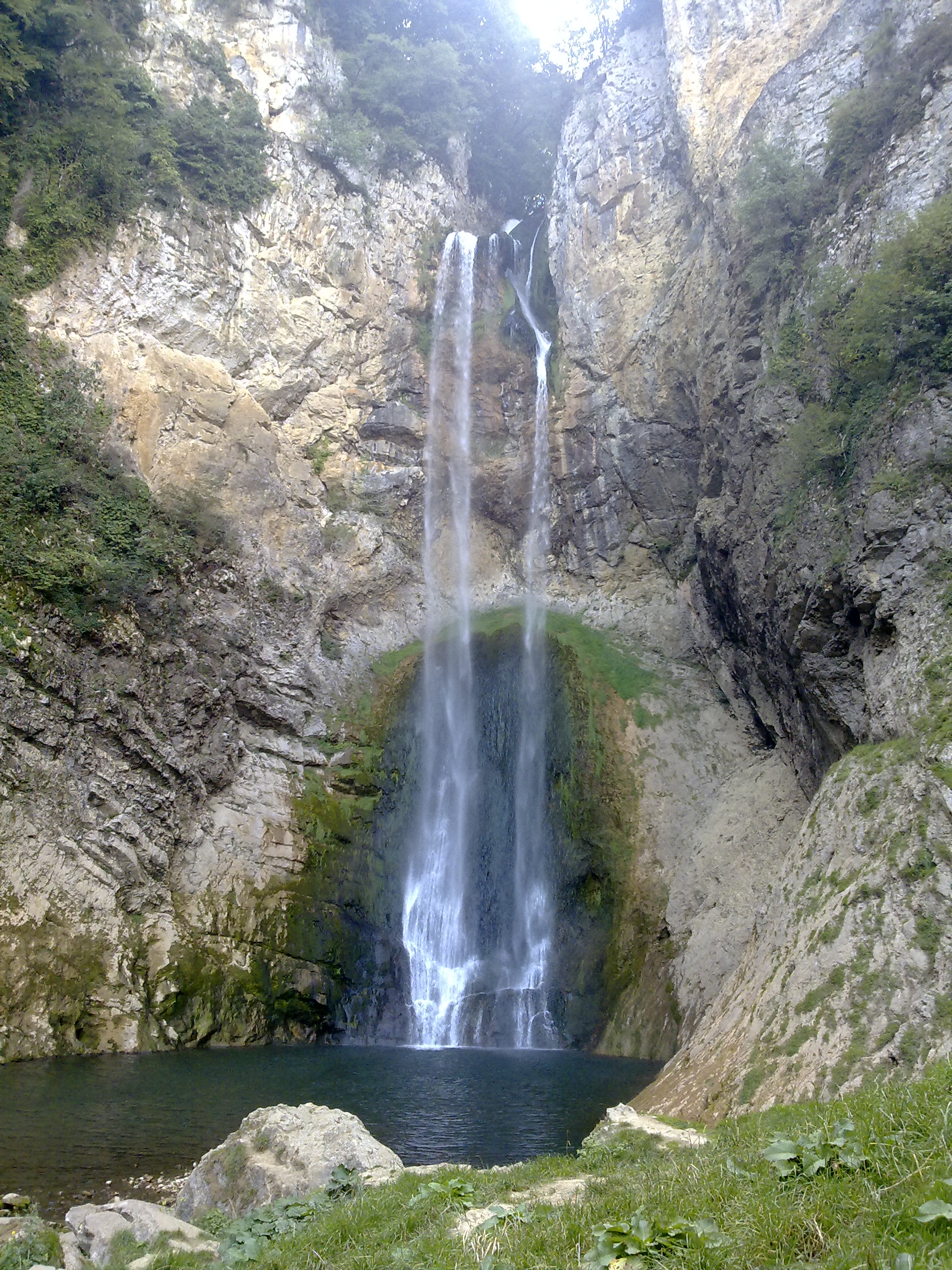
Bliha “Skok” Waterfall – Bosnia’s Hidden 70‑Meter Cascade
If you’re hunting for a breathtaking waterfall off the beaten path, look no further than Bliha “Skok” – a 70‑meter plunge tucked near Sanski Most in the heart of the Federation of Bosnia and Herzegovina. With crystal‑clear waters, lush forest framing, and a tranquil vibe that feels worlds away from the usual tourist hubs, this natural gem is quickly becoming a must‑see for adventure‑seeking travelers.
1. Introduction
Imagine standing at the edge of a sheer 70‑meter drop, the roar of water echoing through a canyon of towering pines, and mist dancing on your skin. That’s the moment you’ll experience at Bliha “Skok” waterfall (also known as Bliha Falls). Located at 44.788988 N, 16.524759 E, this spectacular cascade is one of Bosnia and Herzegovina’s most photogenic yet under‑crowded waterfalls. Whether you’re a seasoned hiker, a photography enthusiast, or simply a nature lover looking for a serene escape, Bliha “Skok” delivers a pure, unfiltered slice of Balkan wilderness.
2. About Bliha “Skok” Waterfall
Description
Bliha “Skok” is a single‑drop waterfall that plunges 70 meters (≈230 feet) into a shallow pool below. The water originates from the Bliha River, which winds through the karst landscape of north‑western Bosnia. The waterfall’s name—Skok meaning “jump” in Bosnian—perfectly captures the sudden, dramatic leap of water over the limestone cliff.
History & Significance
While detailed historical records of the waterfall are scarce, the Bliha River basin has long been a vital water source for the surrounding villages, especially the town of Sanski Most. Local folklore often speaks of the “jump” as a symbol of renewal and the power of nature. In recent years, the site has gained recognition among hikers and eco‑tourists, helping to promote sustainable tourism in the region.
Why It Matters
- Ecological value: The waterfall and its surrounding riparian zone host a variety of native flora and fauna, contributing to the biodiversity of the Bosnian karst.
- Cultural touchstone: For locals, Bliha “Skok” is more than a scenic spot—it’s a gathering place for picnics, family outings, and traditional celebrations.
- Tourism potential: As Bosnia and Herzegovina continues to attract adventure travelers, Bliha “Skok” offers a low‑impact, high‑reward experience that complements more famous sites like Kravice Falls or the waterfalls of the Una River.
3. How to Get There
From Sarajevo
- Drive: Take the E73 highway south toward Banja Luka, then follow signs for Sanski Most (approximately 250 km, ~4 hours).
- Public transport: Buses from Sarajevo to Sanski Most run several times daily; the journey takes about 5 hours.
From Banja Luka
- Car: The route from Banja Luka to Sanski Most is a scenic 90 km drive along the M16 road (≈1.5 hours).
- Bus: Frequent regional buses connect Banja Luka with Sanski Most; alight at the main bus station and catch a local taxi.
From Sanski Most
- Taxi or rideshare: The waterfall is ≈7 km north of the town center. A short 10‑minute taxi ride will drop you at the parking area near the trailhead.
- Self‑drive: If you have a rental car, follow the signs for Bliha “Skok” or use GPS coordinates 44.788988, 16.524759. A small, unpaved road leads to a modest parking lot.
On‑Foot Access
From the parking lot, a well‑marked, easy‑grade trail (≈1 km round‑trip) leads to the waterfall’s viewing platform. The path is suitable for most fitness levels, though sturdy walking shoes are recommended due to occasional rocky sections.
4. Best Time to Visit
| Season | Water Flow | Visitor Experience | Tips |
|---|---|---|---|
| Spring (Mar‑May) | Highest flow from snowmelt & spring rains | Lush vegetation, powerful cascade, vibrant wildflowers | Bring waterproof gear; trail can be muddy |
| Summer (Jun‑Aug) | Moderate flow, warm weather | Comfortable hiking, great for picnics, ideal for swimming in the pool | Arrive early to avoid midday heat |
| Autumn (Sep‑Nov) | Still decent flow, colorful foliage | Peaceful atmosphere, golden light for photography | Pack layers; evenings can be cool |
| Winter (Dec‑Feb) | Reduced flow, possible ice | Dramatic icy scenery, fewer crowds | Check road conditions; some sections may be slippery |
Overall recommendation: Late spring (April‑May) offers the most spectacular water volume and vibrant surroundings, making it the prime season for photographers and nature enthusiasts.
5. What to Expect
The Senses
- Sight: A towering 70‑meter sheet of water thunders over limestone, creating a misty veil that catches the sunlight in a rainbow of colors.
- Sound: The roar of the plunge is audible from the trailhead, providing a natural soundtrack that drowns out city noise.
- Touch: Feel the cool spray on your face as you stand on the viewing platform—perfect for a quick refresh on a warm day.
Facilities
- Viewing platform: A sturdy wooden deck with railings offers safe, unobstructed views.
- Picnic area: Small wooden tables and benches are scattered near the trailhead, ideal for a snack or packed lunch.
- Restrooms: Basic, eco‑friendly toilets are available near the parking lot.
Wildlife
Keep an eye out for golden eagles, common buzzards, and a variety of songbirds that nest in the surrounding cliffs. The riverbanks are home to European otters and occasional trout—though fishing is restricted to protect the ecosystem.
6. Nearby Attractions
While Bliha “Skok” is the star, the surrounding area offers several natural gems that can easily be added to a day‑trip itinerary.
| Attraction | Distance from Bliha “Skok” | Description |
|---|---|---|
| Spring #1 | 3.0 km | A clear mountain spring feeding a small creek—great for a short hike and a quick dip. |
| Spring #2 | 3.2 km | Another pristine spring surrounded by limestone outcrops; perfect for photography. |
| Spring #3 | 3.2 km | A secluded water source with a shaded picnic spot. |
| Spring #4 | 4.5 km | Slightly larger spring that forms a tiny waterfall—ideal for nature walks. |
| Spring #5 | 5.1 km | The farthest of the listed springs, featuring a natural pool ideal for relaxation. |
Note: These springs are unnamed in official guides, but they are marked on local trail maps and are easily reachable via short, marked paths.
7. Travel Tips
- Bring cash: Small kiosks and local vendors near the parking lot often accept only cash (BAM).
- Dress in layers: Weather can shift quickly, especially in spring and autumn.
- Stay on the trail: The area is environmentally sensitive; staying on marked paths protects the fragile karst ecosystem.
- Pack a reusable water bottle: While there is fresh water at the springs, refill stations are limited.
- Photography gear: A wide‑angle lens captures the full height of the cascade; a polarizing filter helps reduce glare from the mist.
- Respect local customs: If you encounter families picnicking, keep noise to a moderate level and dispose of waste responsibly.
- Safety first: The rocks near the plunge pool can be slippery. Avoid climbing on the cliffs and keep children supervised.
Final Thought
Bliha “Skok” waterfall may not yet have the fame of larger European cascades, but that’s precisely what makes it a treasure for the modern traveler. Its 70‑meter drop, pristine surroundings, and easy accessibility combine to create an unforgettable Bosnian adventure. Pack your boots, charge your camera, and set your GPS to 44.788988, 16.524759—the misty roar of Bliha “Skok” awaits.
Keywords: Bliha Falls, Bliha “Skok” waterfall, Sanski Most waterfall, Bosnia and Herzegovina waterfalls, travel Bosnia, Balkan waterfalls, Bliha River, waterfall hiking Bosnia, best waterfalls in Bosnia, nature tourism Bosnia.
For more detailed information, check the official Wikipedia entry: Bliha Falls.